Home
Class 12
PHYSICS
A ladder is learned against a smooth wal...

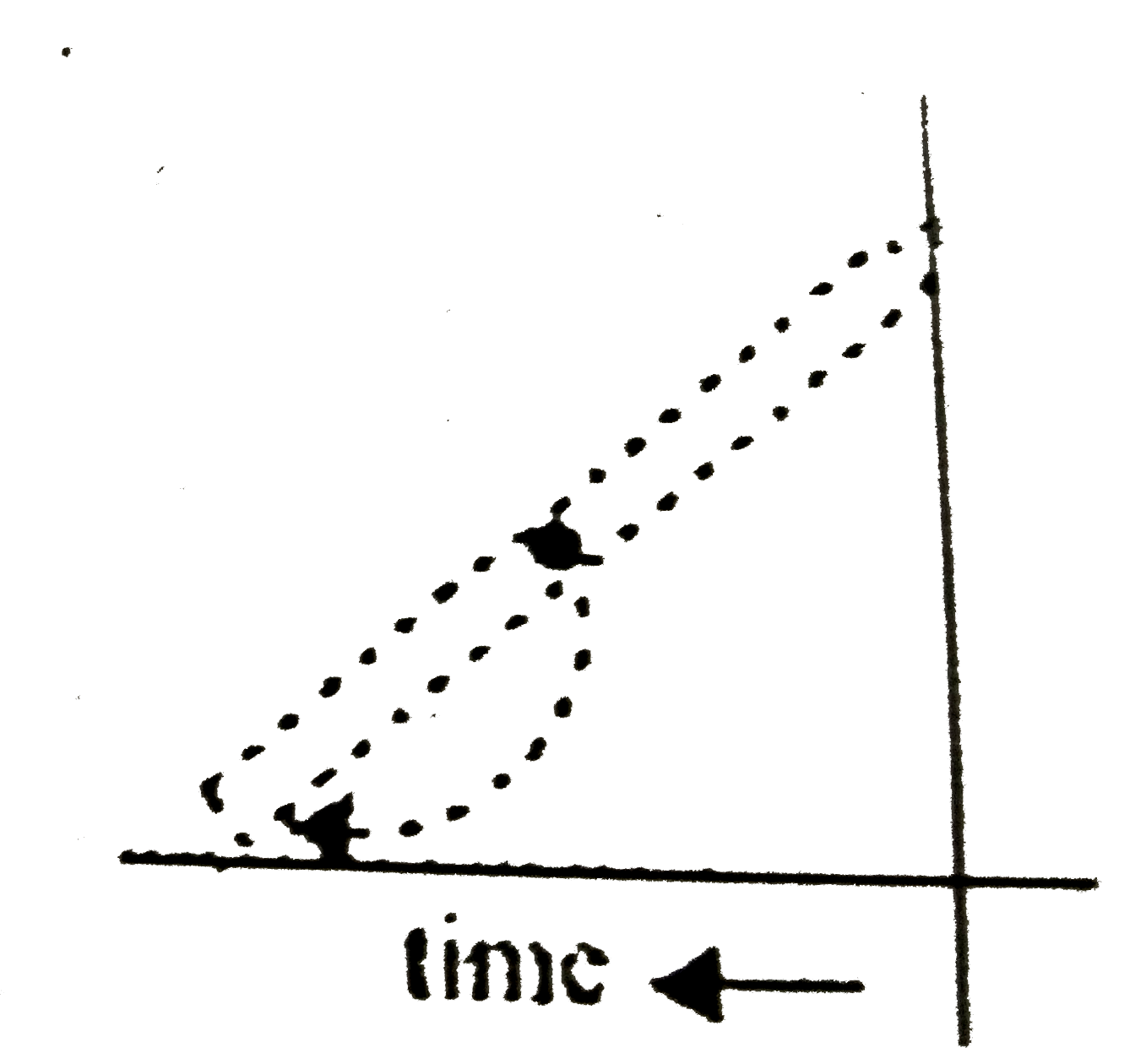
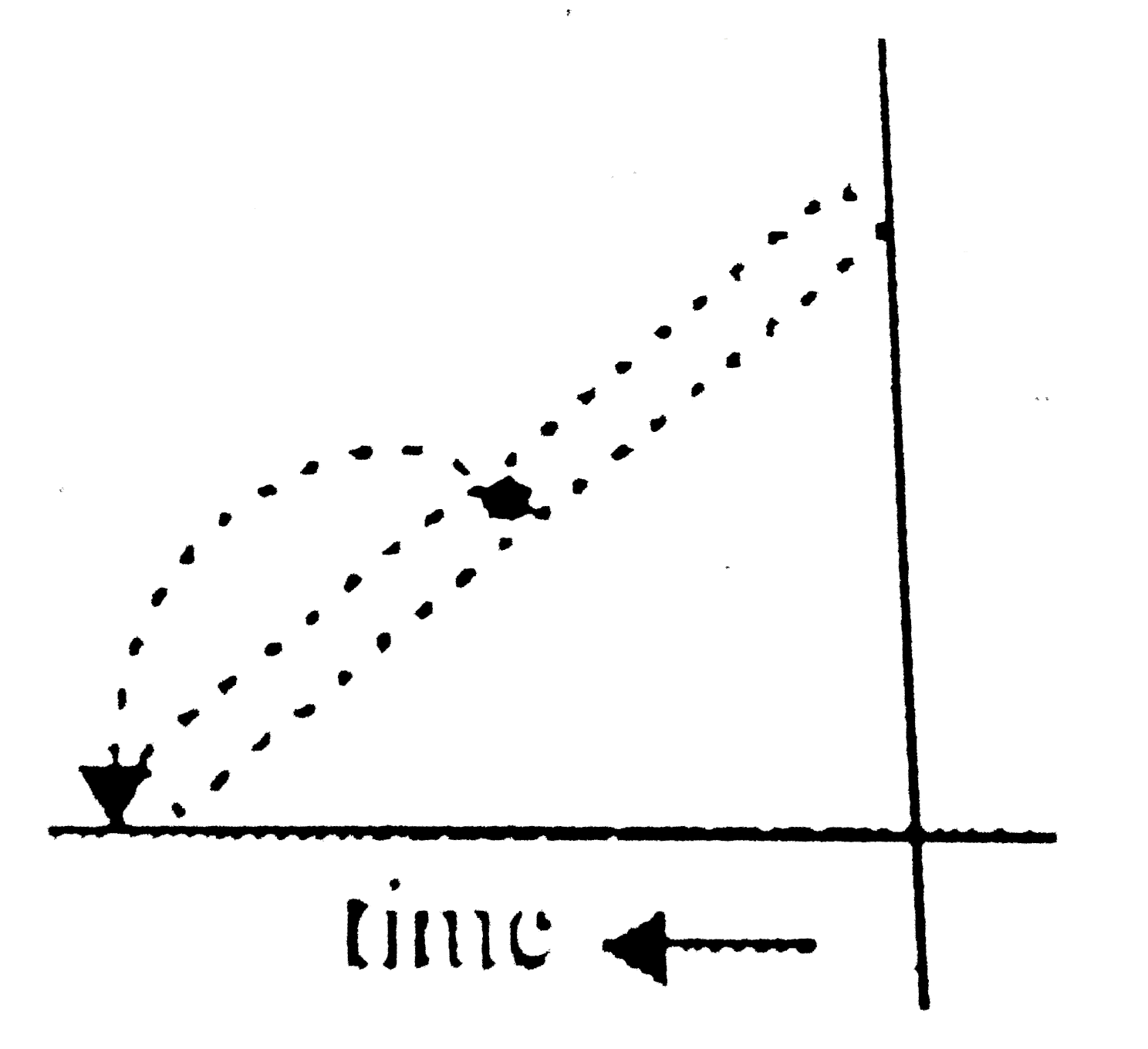
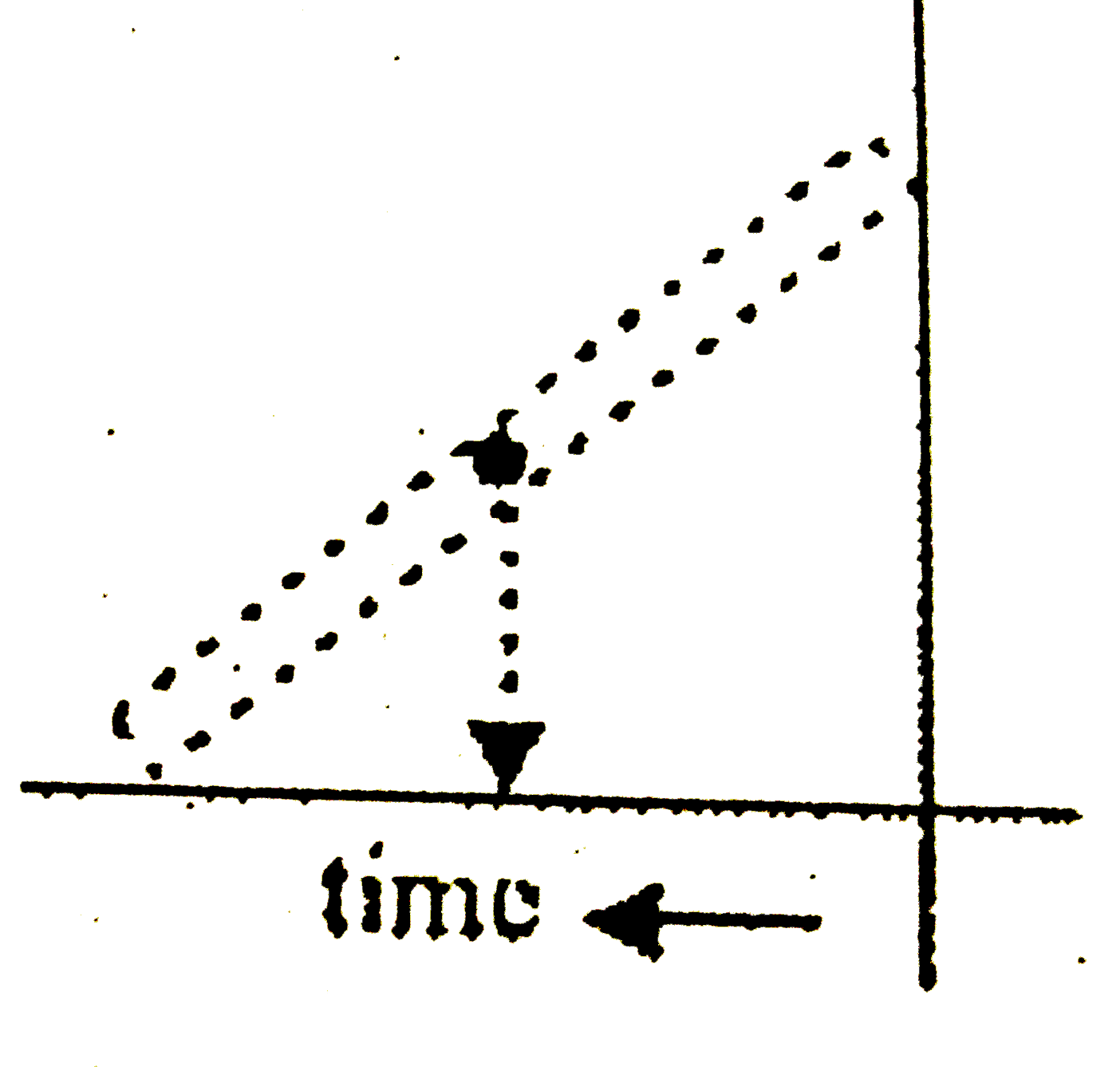
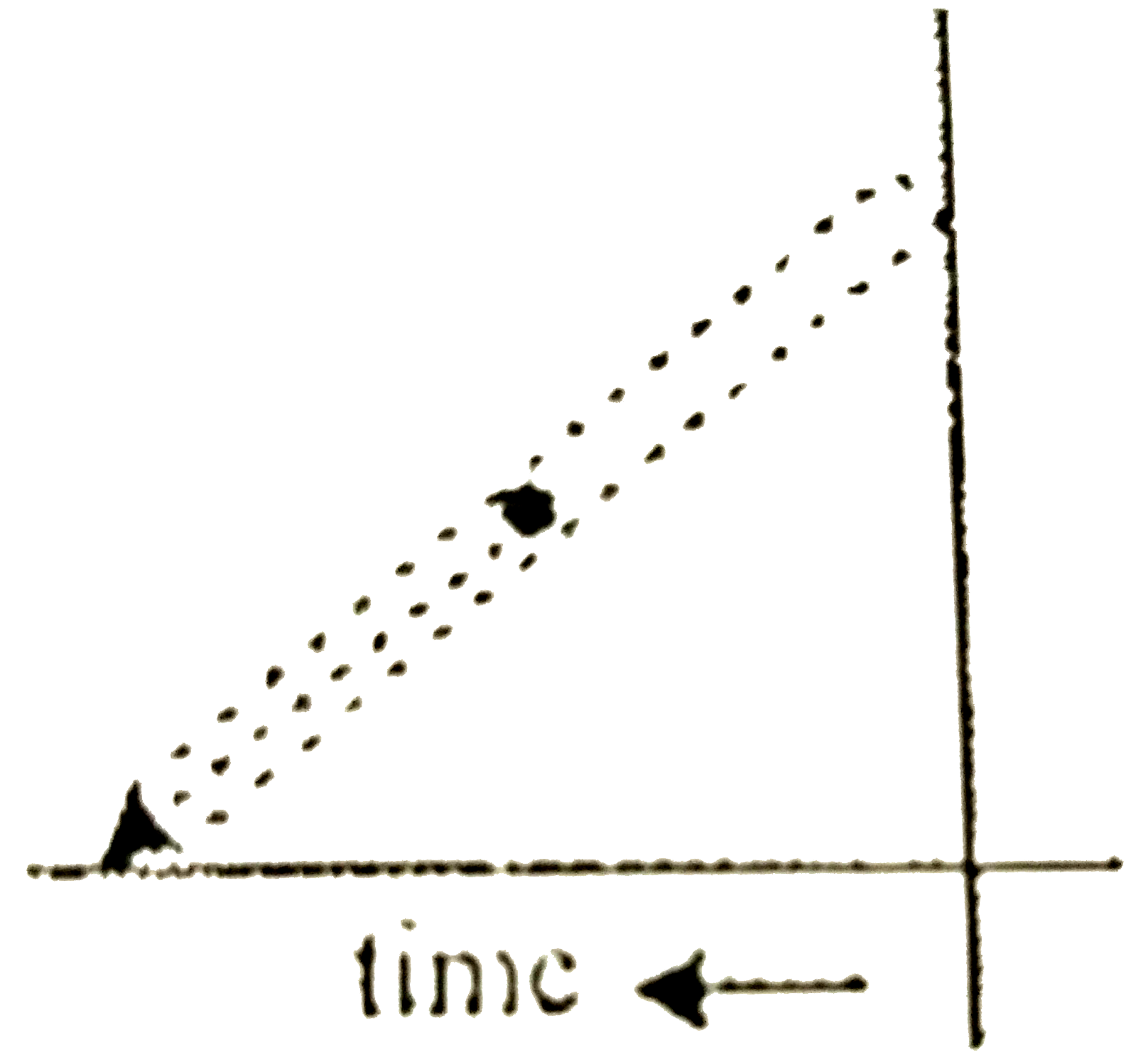
A ladder is learned against a smooth wall and is allowed to slip on a frictionless floor. Which figure represents trace of its center of mass?

A

B

C

D

Text Solution

Verified by Experts

The correct Answer is:
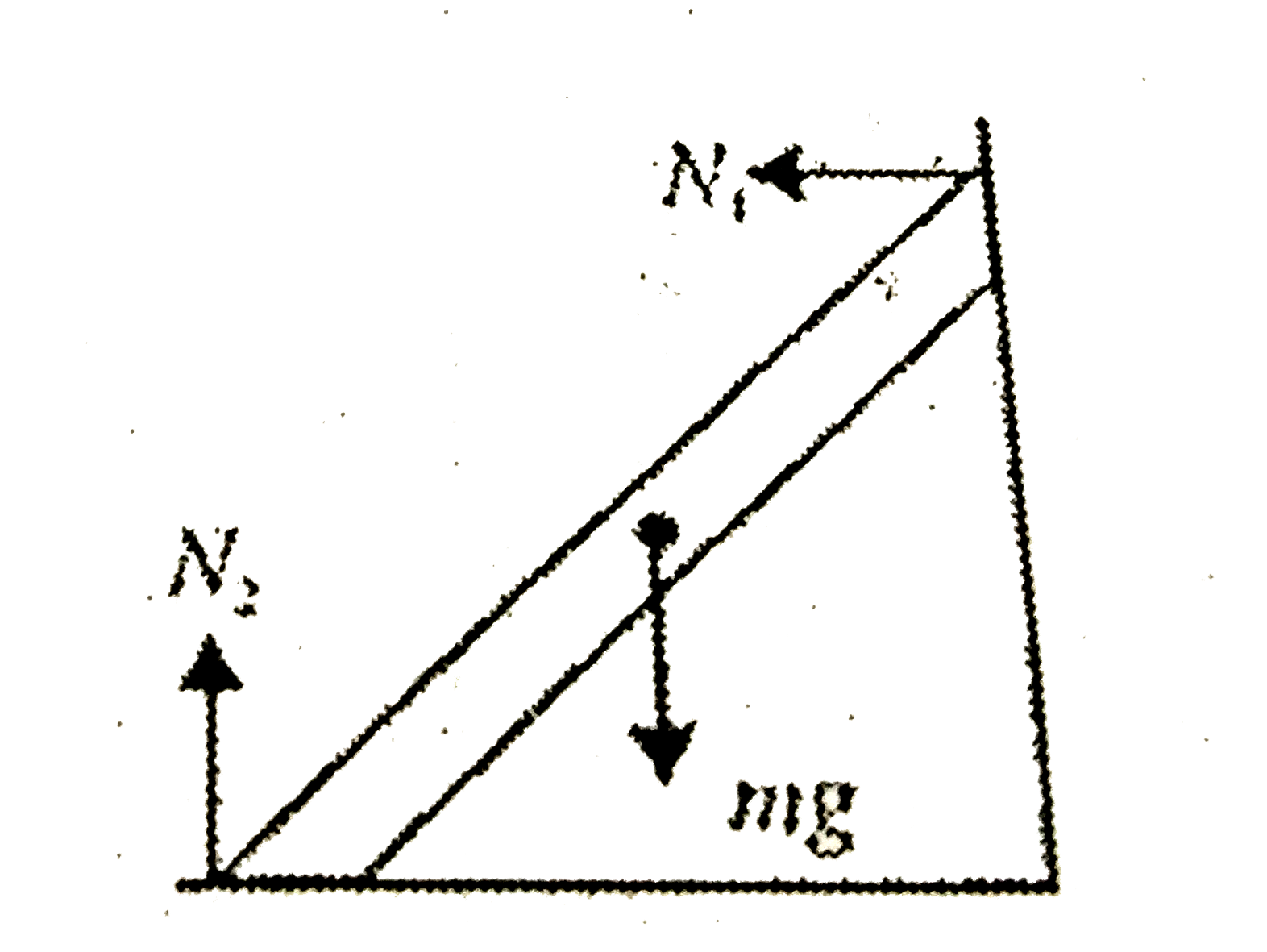
C

Promotional Banner

Similar Questions

Explore conceptually related problems

A ladder is leaned against a smooth wall and it is allowed to slip on a frictionless floor. Which figure represents the track of its centre of mass ?

The length of a uniform ladder of mass m is 1. It leans against a smooth wall making an angle theta with the horizontal. What should be the force of friction between the floor and ladder so that the ladder does not slip ?

A light stick of length l rests with its one end against the smooth wall and other end against the smooth horizontal floor as shown in the figure. The bug starts at rest from point B and moves such that the stick always remains at rest. a_(P) is the magnitude of acceleration of but of mass m , which depends upon its distance of x from the top end of the stick. Choose the correct option (s)

A ladder of mass 10kg is held at reat against a smooth wall on a rough ground as shown in figure. The normal reaction between the wall and the ladder is

A ladder of length 5 m is placed against a smooth wall as shown in figure. The coefficient or friction is mu between ladder and ground. What is the minimum value of mu , If the ladder is not to slip?

A ladder of length 5 m is placed against a smooth wall as shown in figure. The coefficient or friction is mu between ladder and ground. What is the minimum value of mu , If the ladder is not to slip?

If a ladder is not in balance against a smooth vertical wall, then it can be made in balance by :-

A rigid uniform bar AB of length ? is slipping from its vertical position on a frictionless floor (as shown in the figure). At some instant of time, the angle made by the bar with the vertical is theta. Which of the following statements about its motion is/are correct?

A rod of length I leans by its upper end against a smooth vertical wall, while its other end leans against the floor. The end that leans against the wall moves uniformly downward. Then:

A ladder is kept at rest with is upper end against a wall and the lower end on the ground. The ladder is more like to slip when a mass stands on it at the top than at the bottom. Why ?

