Home
Class 12
CHEMISTRY
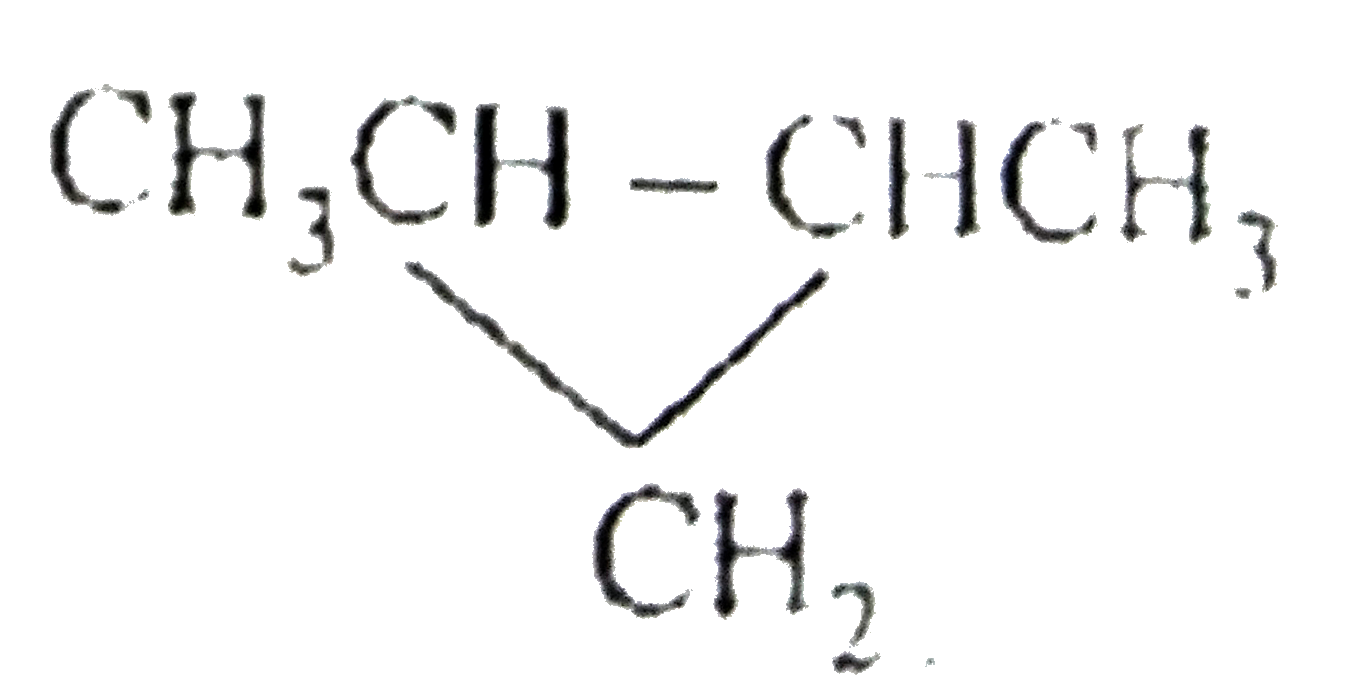
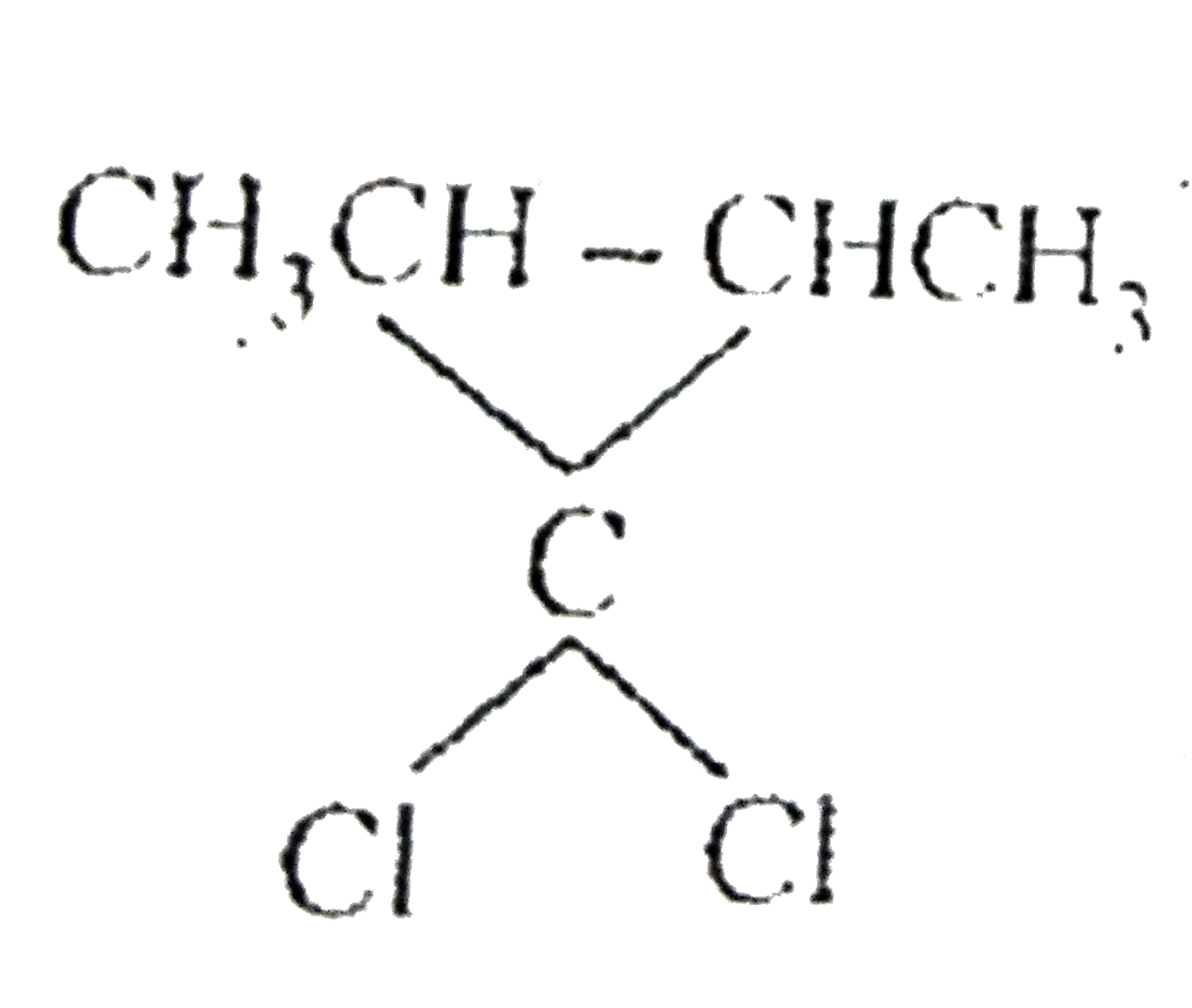
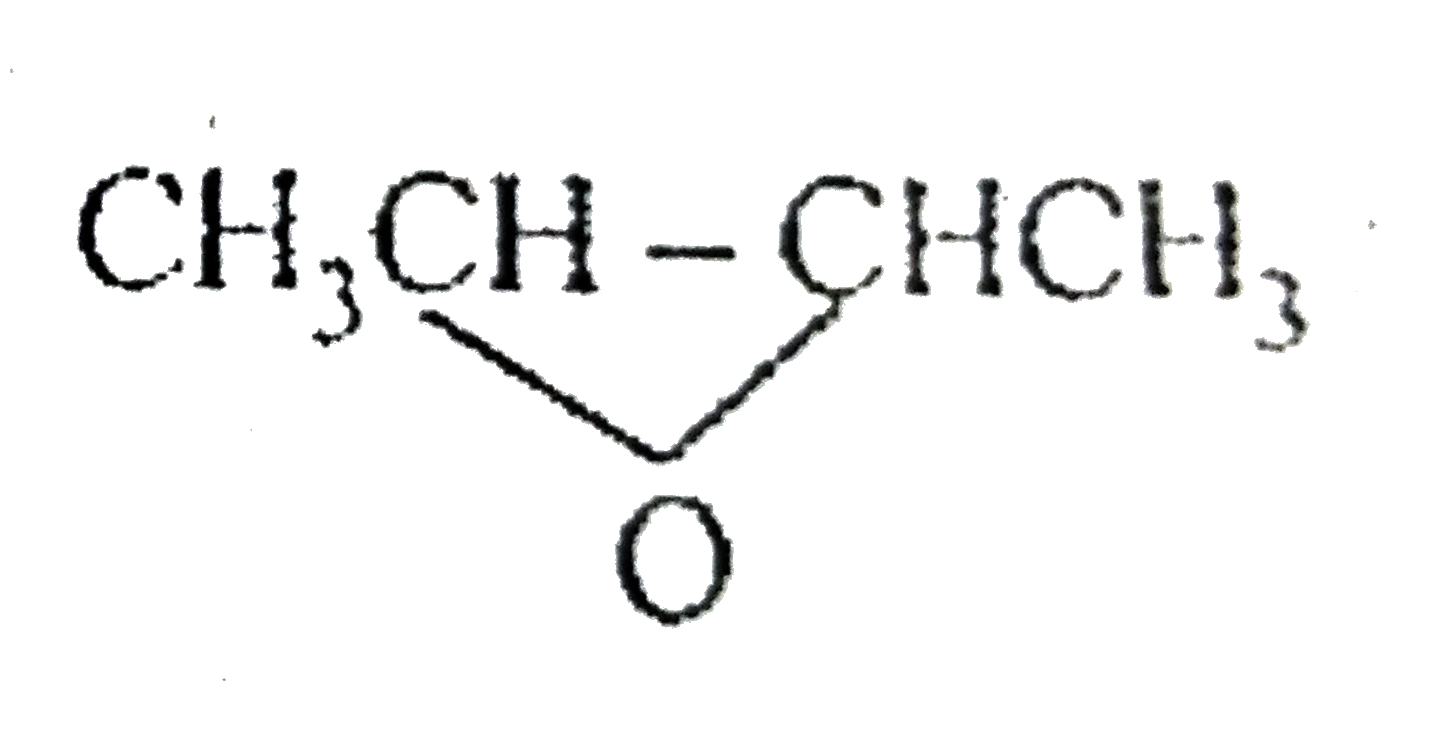
CH3CH=CHCH3+CHCl3+t-BuOK rarr A. A is...

`CH_3CH=CHCH_3+CHCl_3+t-BuOK rarr A. ` A is

A

B

C

`CH_3underset(OBu)underset(|)"CH"-underset(Cl)underset(|)CHCH_3`

D

Text Solution

AI Generated Solution

The correct Answer is:

To solve the given reaction step by step, let's break it down: ### Step 1: Identify the Reactants The reactants provided are: - 2-butene (CH₃CH=CHCH₃) - Chloroform (CHCl₃) - Tert-butoxide (t-BuOK, which provides the base t-BuO⁻) ### Step 2: Understand the Role of the Base Tert-butoxide (t-BuO⁻) is a strong base. It will abstract a proton (H⁺) from the alkene (2-butene) during the reaction. This results in the formation of a carbanion. ### Step 3: Proton Abstraction The base (t-BuO⁻) abstracts a proton from the double bond of 2-butene: - The double bond between the second and third carbon (C2=C3) is broken. - This leads to the formation of a carbanion at C2. ### Step 4: Formation of Dichlorocarbene When the proton is abstracted, chloroform (CHCl₃) reacts with the carbanion. The t-BuO⁻ will facilitate the elimination of a chloride ion (Cl⁻) from chloroform, resulting in the formation of dichlorocarbene (CCl₂). ### Step 5: Electrophilic Attack The dichlorocarbene (CCl₂) is an electrophile and will attack the double bond of the alkene. This results in the formation of a cyclic compound: - The CCl₂ adds across the double bond of 2-butene, forming a cyclopropane derivative. ### Step 6: Final Product The final product of the reaction is a compound where the two carbons of the former double bond are now bonded to the dichlorocarbene, resulting in: - The structure CH₃CH(CHCl₂)CH₂. ### Conclusion Thus, the product A is: **A = CH₃CH(CHCl₂)CH₂**

To solve the given reaction step by step, let's break it down: ### Step 1: Identify the Reactants The reactants provided are: - 2-butene (CH₃CH=CHCH₃) - Chloroform (CHCl₃) - Tert-butoxide (t-BuOK, which provides the base t-BuO⁻) ...
Promotional Banner

Similar Questions

Explore conceptually related problems

Complete the following : CH_(3)COCH_(3) + CHCl_(3) overset(KOH)rarr

Following types of compounds (as I, II) (I) CH_3 CH = CHCH_3 (II) CH_3 - underset(CH_2 CH_3)underset(|) CH -OH are studied in terms of isomerism in

In the following sequence of reactions, the alkene formed the compound ‘B’ CH_3 CH_2 CH =CHCH_2 CH_3 overset(O_3)to A underset(Zn)overset(H_2O)to B The compound B is :

The hydrocarbon which can react with sodium in liquid ammonia is : 1. CH_3CH_2CH_2C -= "CCH"_2CH_2CH_3 2. CH_3CH_2C -=CH 3. CH_3CH = CHCH_3 4. CH_3CH_2C -= "CCH"_2CH_3

Explain the formation of two products in the following reactions: CH_3CH = CHCH_2Cl + H_2O to CH_3 CH = CH. CH_2 OH + CH_3 CH (OH)CH = CH_2

CH_(3)-overset(CH_(2)CH_(3))overset(|)(CH)CH=CHCH_(3)overset(H_(3)O^(+))rarr find the product of the reaction .

Arrange the following compounds in increasing order of S_(N^1) reactivity. ClCH_2 = CH CH_2CH_3, CH_3C (Cl) = CH CH_2 CH_3, CH_2 = CH CH_2 CH_2 Cl, CH_3CH = CH. CHCl CH_3 .

The dipole moments of CH_(3)Cl , CH_(2)Cl_(2), CHCl_(3) are in the order

Predict the products of the following reactions: (i) CH_(3)-CH_(2)-CH_(2)-O-CH_(3)+HBr rarr (iv) (CH_(3))_(3)C-OC_(2)H_(5)overset(HI)rarr

Assertion: On free radical monochlorination of (CH_3)_2CHCH_2CH_3 four monochloro structural isomers are possible. Reason: In (CH_3)_2CHCH_2CH_3 there are four different types of hydrogen atoms.
