Text Solution
Verified by Experts



Similar Questions
Explore conceptually related problems
Recommended Questions
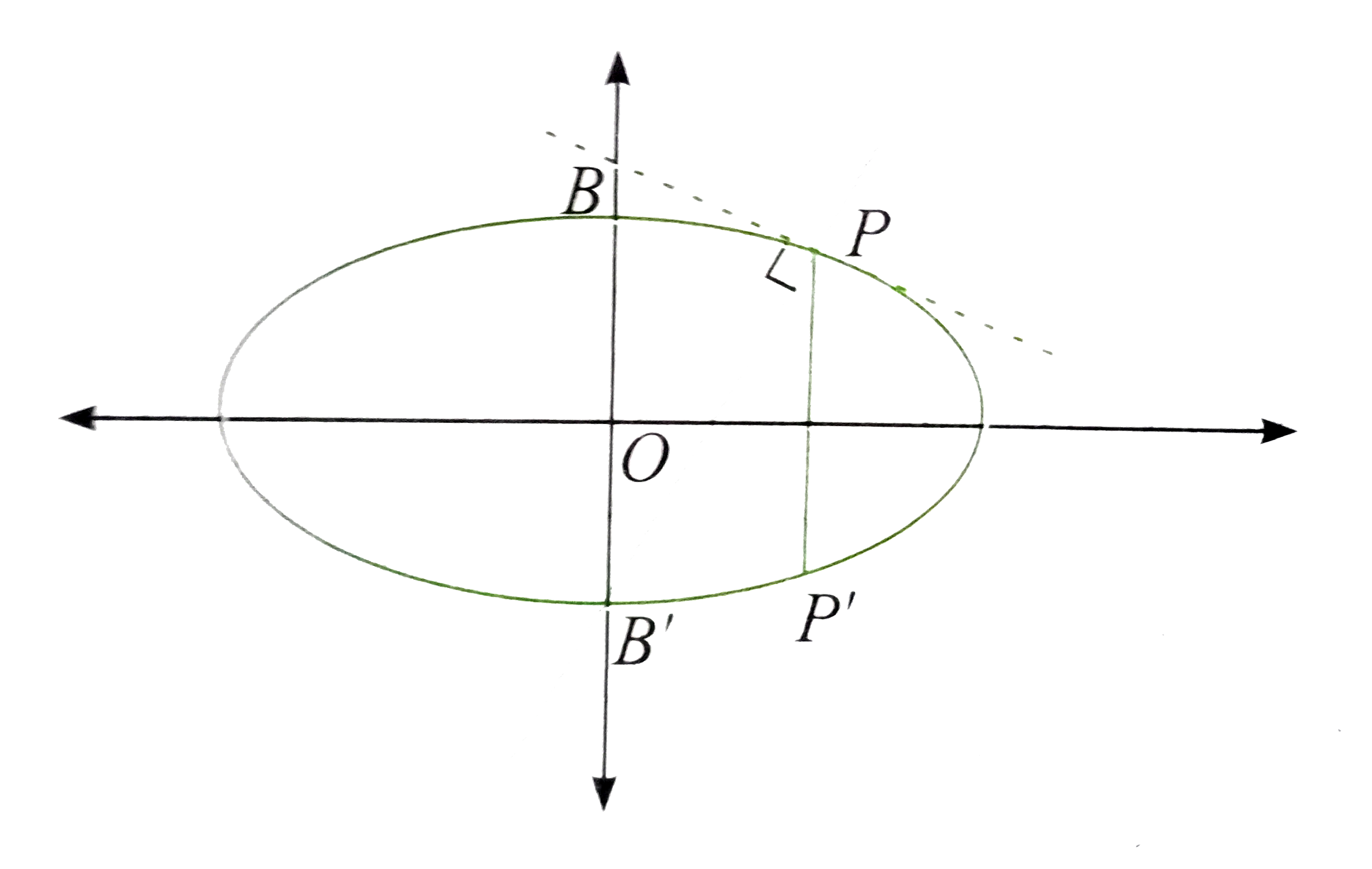
- If the normal at one end of the latus rectum of the ellipse (x^2)/(...
Text Solution
|
- The normal at an end of a latus rectum of the ellipse x^2/a^2 + y^2/b^...
Text Solution
|
- The normal at an end of a latus rectum of the ellipse x^2/a^2 + y^2/b^...
Text Solution
|
- The normal at an end of a latus rectum of the ellipse x^2/a^2 + y^2/b^...
Text Solution
|
- If the normal at one end of the latus rectum of the ellipse (x^2)/(...
Text Solution
|
- If the normal at an end of a latus-rectum of an elipse (x^(2))/(a^(2))...
Text Solution
|
- If the normal at one end of a latus rectum of the ellipse x^2/a^2+y^2...
Text Solution
|
- If the normal at the end of latus rectum of an ellipse x^(2)//a^(2)+y^...
Text Solution
|
- If the normal at an end of a latus-rectum of an ellipse x^(2)/a^(2) ...
Text Solution
|