Home
Class 12
CHEMISTRY
Which one the most reactive towards elec...

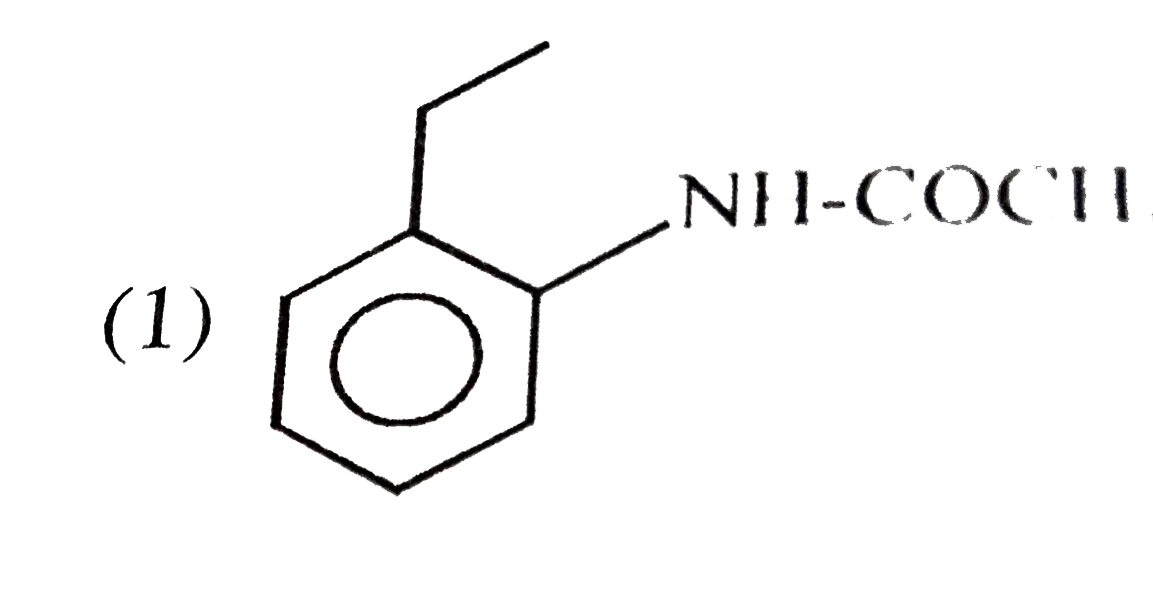
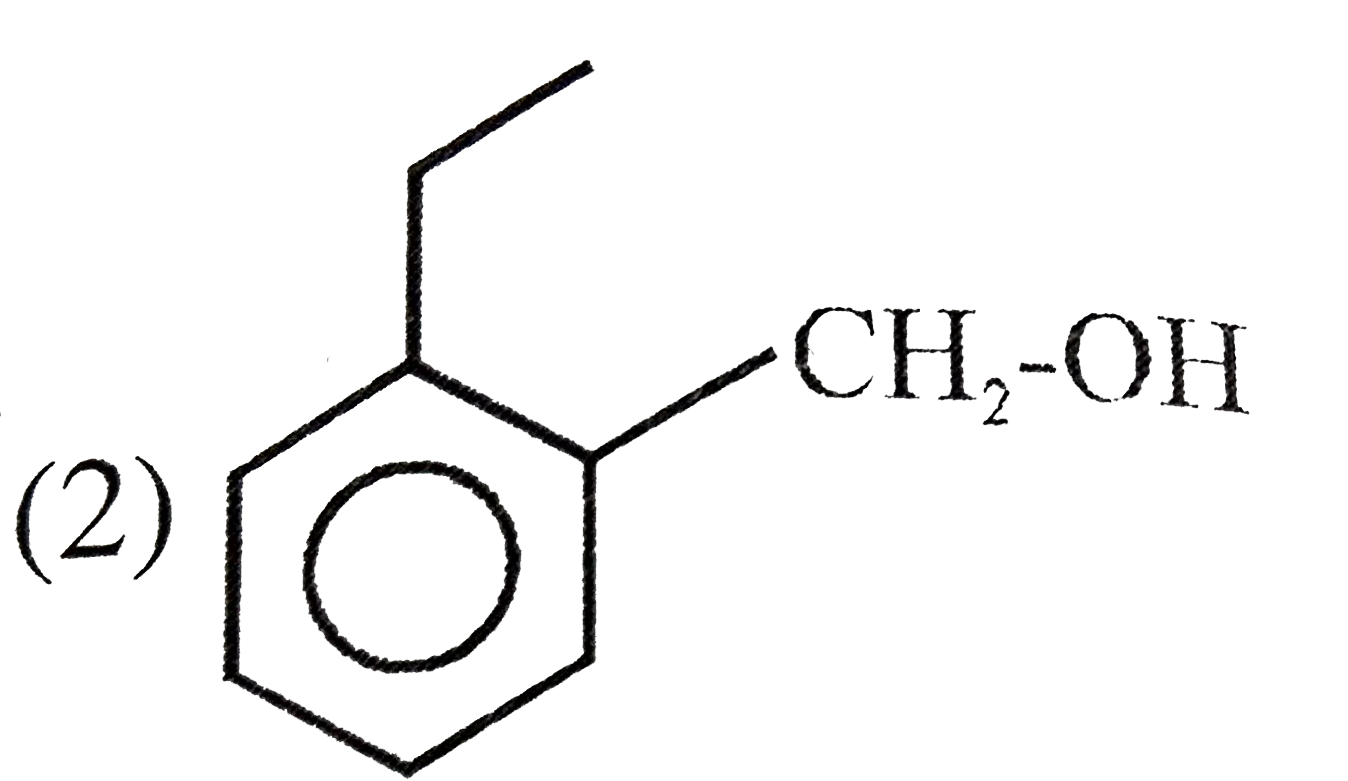
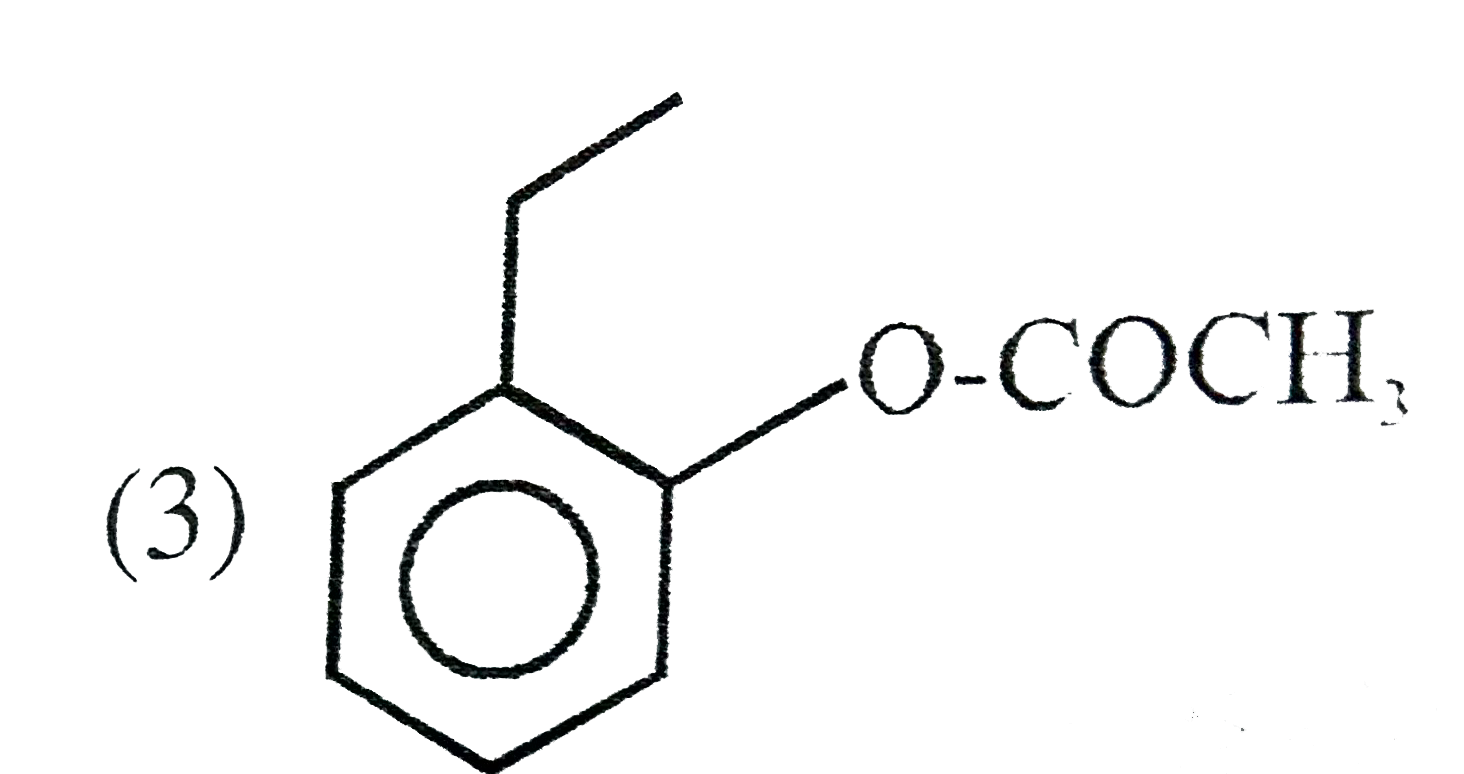
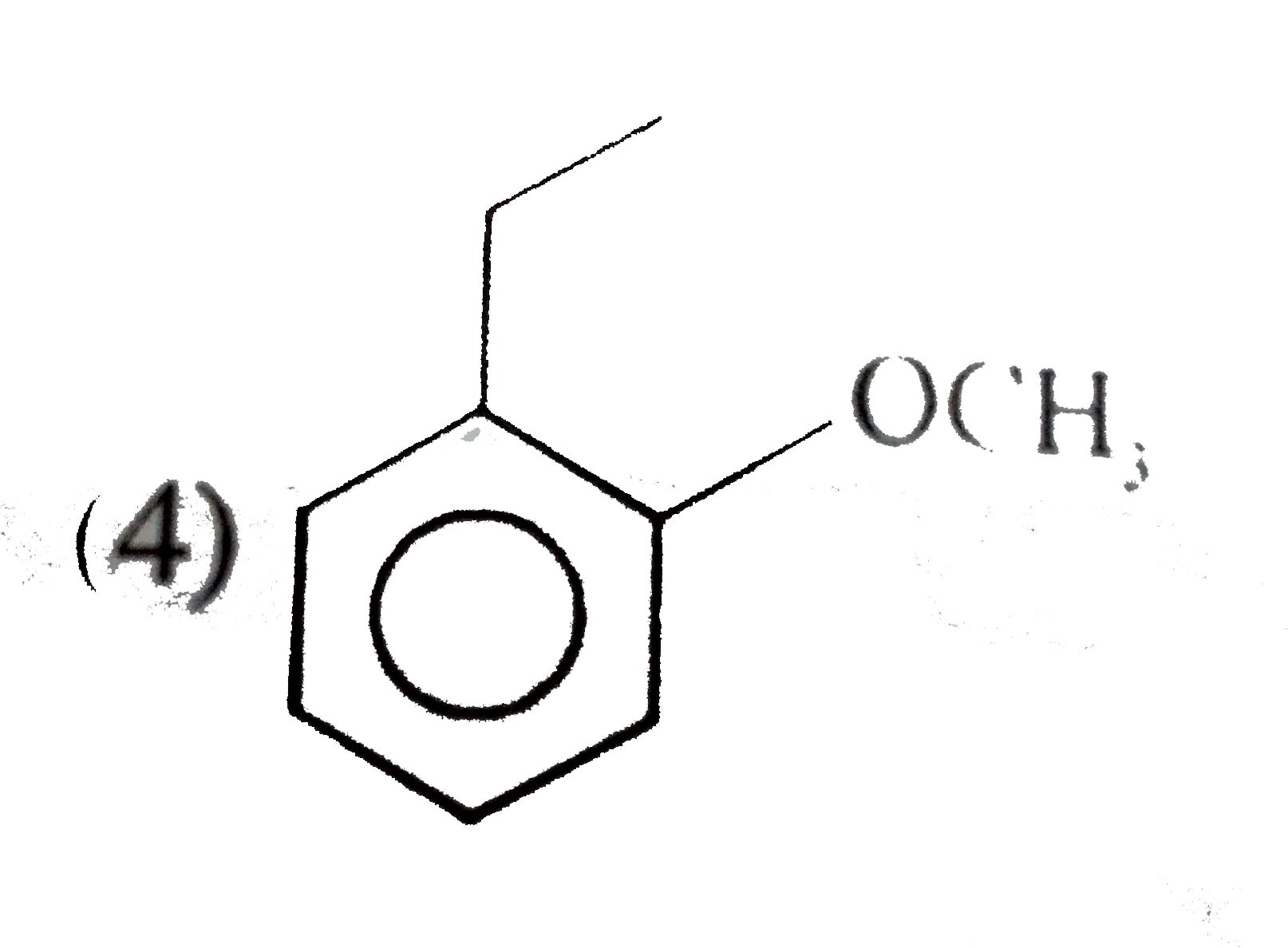
Which one the most reactive towards electrophilic reagent:

A

B

C

D

Text Solution

AI Generated Solution

The correct Answer is:

To determine which compound is the most reactive towards electrophilic reagents, we need to analyze the electron-donating and electron-withdrawing effects of the substituents attached to the benzene ring in each compound. Here’s a step-by-step breakdown of the reasoning: ### Step 1: Identify the Compounds We have four compounds with a benzene ring and various substituents. The substituents include: 1. Ethyl group (Et) and a nitrogen atom (NH) attached to a carbonyl (C=O) and a methyl group (CH3). 2. Ethyl group (Et) and a hydroxyl group (OH) attached to a methylene (CH2). 3. Ethyl group (Et), a carbonyl (C=O), and a methyl group (CH3). 4. Ethyl group (Et) and a methoxy group (OCH3). ### Step 2: Analyze Each Compound - **Compound 1**: The nitrogen has a lone pair that can participate in resonance (donate electrons) but is weakened by the electron-withdrawing effect of the carbonyl group. Thus, it has a moderate +M effect and a +I effect from the ethyl group. - **Compound 2**: The hydroxyl group (OH) has lone pairs but acts as an electron-withdrawing group due to its -I effect. The ethyl group contributes a +I effect. The overall effect is a weaker electron density on the benzene ring. - **Compound 3**: Similar to compound 1, the carbonyl (C=O) can withdraw electrons, but the ethyl group still contributes a +I effect. The resonance effect is similar, leading to moderate reactivity. - **Compound 4**: The methoxy group (OCH3) has a strong +M effect due to the lone pairs on oxygen being able to donate electrons into the benzene ring. The ethyl group contributes a +I effect, enhancing the electron density on the ring. ### Step 3: Compare the Effects - The strongest electron-donating group (which enhances reactivity towards electrophiles) is the methoxy group in compound 4. - The other compounds have weaker electron-donating effects due to the presence of electron-withdrawing groups (like carbonyls and hydroxyls). ### Conclusion Based on the analysis of the electron-donating and withdrawing effects of the substituents, **Compound 4 (with the OCH3 group)** is the most reactive towards electrophilic reagents due to its strong +M effect. ### Final Answer The most reactive compound towards electrophilic reagents is **Compound 4 (OCH3)**. ---
Promotional Banner

Topper's Solved these Questions

  • CHEMISTRY AT A GLANCE

    ALLEN|Exercise INORGANIC CHEMISTRY|300 Videos
  • Chemical Equilibrium

    ALLEN|Exercise All Questions|30 Videos
  • ELECTROCHEMISTRY

    ALLEN|Exercise EXERCISE -05 [B]|38 Videos

Similar Questions

Explore conceptually related problems

Which one of the following is most reactive towards electrophillic reagent?

Among the following compounds the one that is most reactive towards electrophilic nitration is

Among the following compounds the one that is most reactive towards electrophilic nitration is

Among the following compound find the one which is maximum reactive towards electrophilic reagent ?

Which one is most reactive towards AgNO_3

Assertion : In strongly acidic solution, aniline becomes less reactive towards electrophilic reagents . Reason : Due to protonation of amino group the lone pair of electrons on nitrogen is not available for donation to benzene ring by resonance .

Which one is most reactive towards nucleophilic addition reaction?

Which of the following is most reactive towards electrophillic aromatic substitution for halogen ?

Which one of the following is most reactive towards electrophilic attack?

Which of the following is the most reactive towards electrophilic substitution?

ALLEN-CHEMISTRY AT A GLANCE-ORGANIC CHEMISTRY
  1. The correct Increasing order of Reactivity for following molecule towa...

    Text Solution

    |

  2. Nitrobenzene can be prepared from benzene by using a mixture of conc....

    Text Solution

    |

  3. Which one the most reactive towards electrophilic reagent:

    Text Solution

    |

  4. Which of the following compounds will not undergo Friedal-Craft reacti...

    Text Solution

    |

  5. Correct Reactivity order of E.S.R :

    Text Solution

    |

  6. Most reactive towords E.S,R :

    Text Solution

    |

  7. Correct Decreasing order of pK(b) value of Following Compound is

    Text Solution

    |

  8. In which of the following C-Cl Bond ionisation shall give most stable ...

    Text Solution

    |

  9. Which of the following is most basic ?

    Text Solution

    |

  10. Which one of the following is most stable

    Text Solution

    |

  11. Which of the following is insoluble in NaHCO(3) ?

    Text Solution

    |

  12. Which is the correct decreasing order of basic strength in aqueous med...

    Text Solution

    |

  13. Which of the following is correct order of acidic strength

    Text Solution

    |

  14. The correct order of increasing basic nature for the bases NH3....

    Text Solution

    |

  15. Which carbocation is most stable

    Text Solution

    |

  16. Which of the following group has maximum hyper conjugation effect but ...

    Text Solution

    |

  17. What is the correct order of decreasing stability of the following cat...

    Text Solution

    |

  18. Phenol and carboxylic acid can be distinguished by

    Text Solution

    |

  19. Arrange the following in order of their leaving group tendency ? un...

    Text Solution

    |

  20. Arrange the following in order of their decreasing acidic strength ?

    Text Solution

    |
