Home
Class 12
CHEMISTRY
Which of the following is maximum reacti...

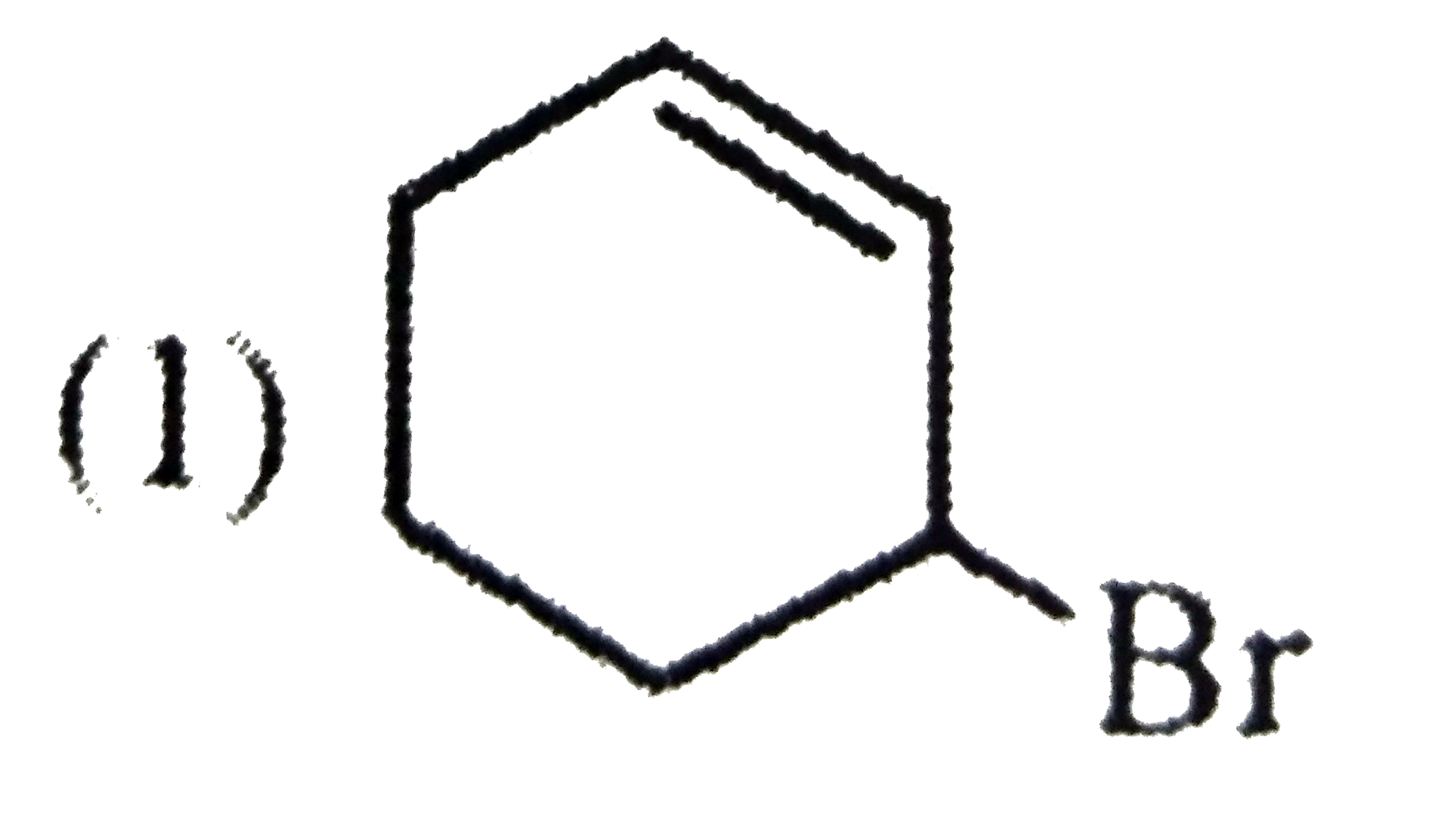
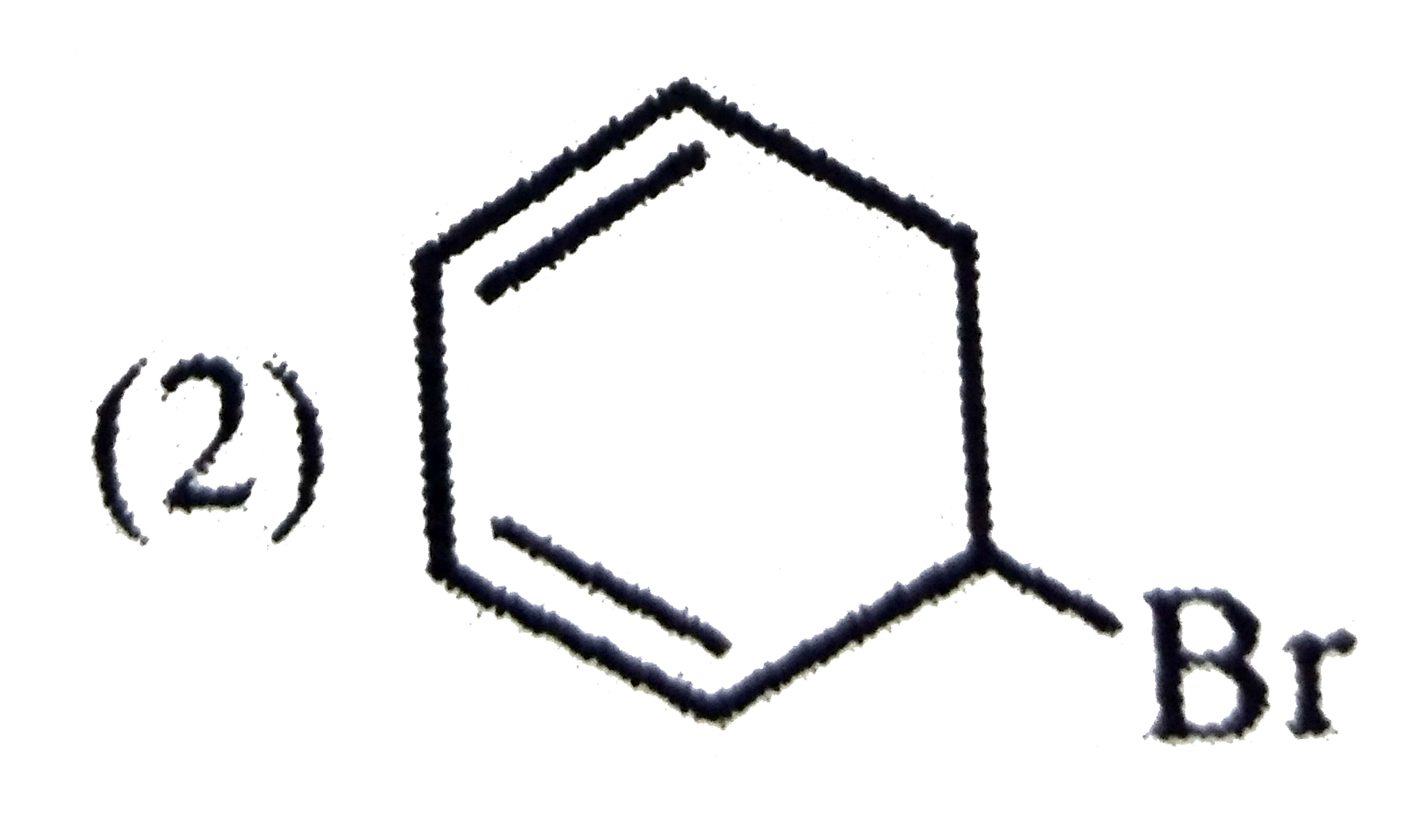
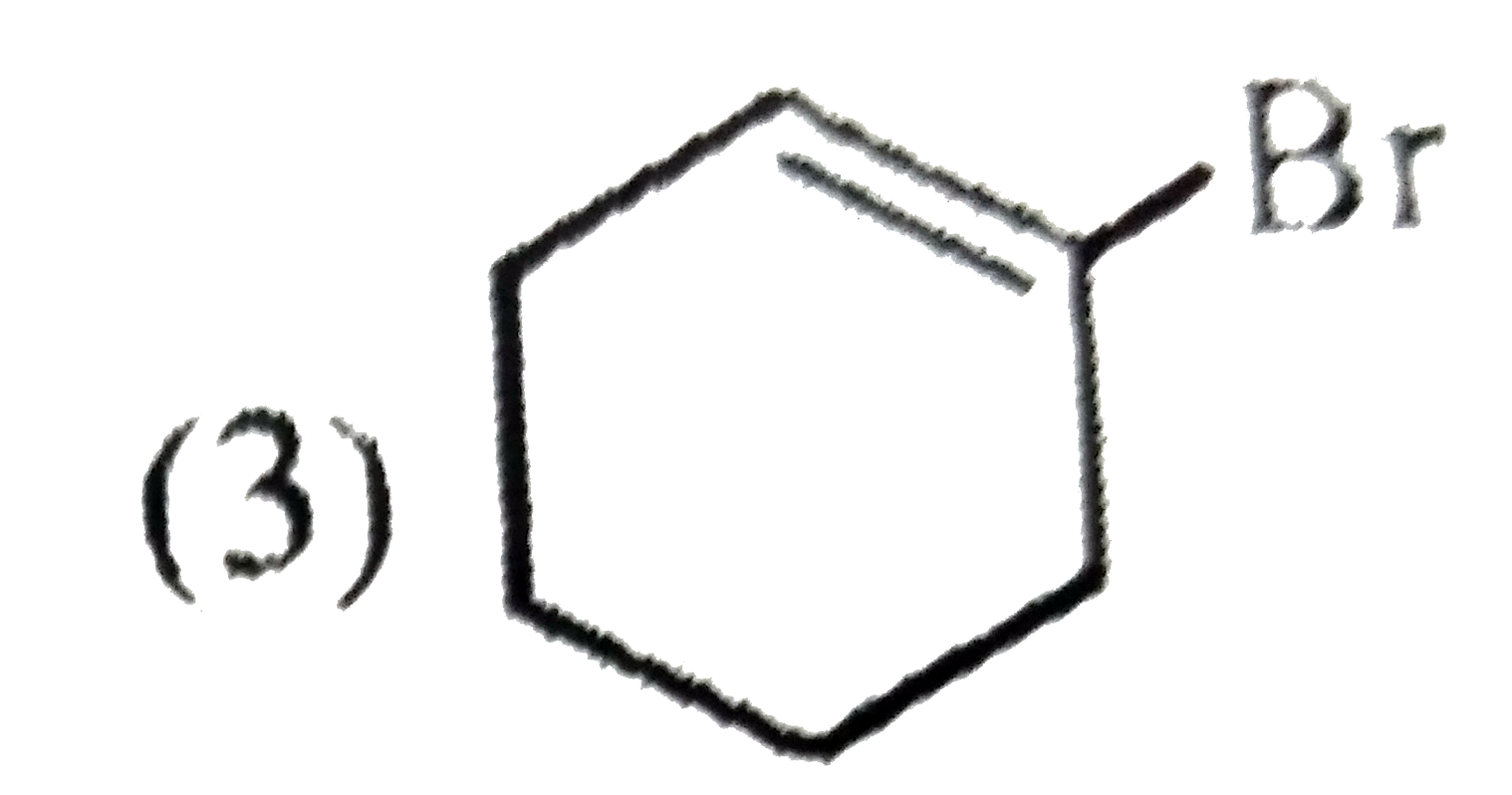
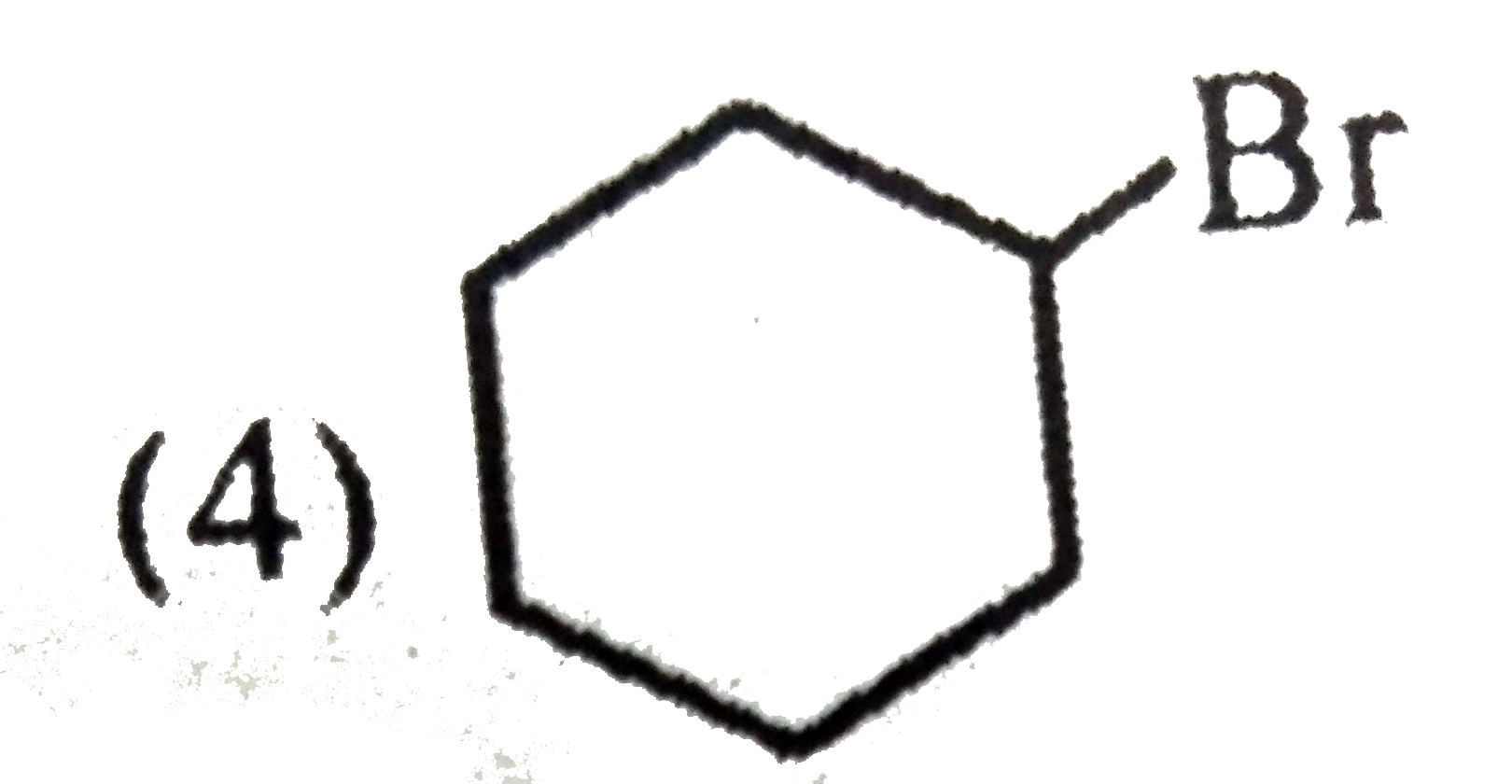
Which of the following is maximum reactive for dehydrohalogenation :-

A

B

C

D

Text Solution

AI Generated Solution

The correct Answer is:

To determine which of the given compounds is the most reactive for dehydrohalogenation, we need to analyze the stability of the resulting alkenes and the nature of the carbocations formed during the reaction. Here’s a step-by-step breakdown of the solution: ### Step 1: Understand Dehydrohalogenation Dehydrohalogenation is an elimination reaction where a hydrogen halide (HX) is removed from a haloalkane, resulting in the formation of an alkene. The reaction typically follows an E2 mechanism when strong bases like alcoholic KOH or sodium amide in liquid ammonia are used. ### Step 2: Identify the Compounds Let’s assume we have the following compounds to analyze: 1. Cyclohexene with a bromine substituent. 2. A compound with alternating double bonds and a bromine substituent. 3. Cyclohexene with a bromine on a vinylic carbon. 4. Cyclohexene with a bromine substituent. ### Step 3: Analyze Stability of Carbocations - **Cyclohexene with bromine**: This compound can form an allylic carbocation upon dehydrohalogenation, which is relatively stable. - **Compound with alternating double bonds**: This can also form an allylic carbocation, which is stable due to resonance. - **Cyclohexene with bromine on a vinylic carbon**: This is less favorable as vinylic carbocations are very unstable. - **Cyclohexene with bromine**: Similar to the first case, it can form an allylic carbocation. ### Step 4: Compare the Stability of the Resulting Alkenes The stability of the resulting alkene is crucial for determining reactivity: - **Allylic carbocations** (from the first and second cases) are more stable than secondary carbocations. - The compound with alternating double bonds can lead to a more stable product due to resonance stabilization in the resulting alkene (benzene-like structure). - The vinylic carbocation (from the third case) is very unstable and thus not favorable for reaction. ### Step 5: Conclusion Based on the analysis, the compound with alternating double bonds (the second case) is expected to be the most reactive for dehydrohalogenation because it leads to a stable resonance-stabilized product (benzene structure). ### Final Answer The maximum reactive compound for dehydrohalogenation is **the compound with alternating double bonds and a bromine substituent (Option 2)**. ---
Promotional Banner

Topper's Solved these Questions

  • REACTION MECHANISM (PART-I)

    ALLEN|Exercise MCQ|21 Videos
  • Redox Reaction

    ALLEN|Exercise All Questions|19 Videos

Similar Questions

Explore conceptually related problems

Which of the following is least reactive?

Which of the following is most reactive ?

Which of the following is most reactive for hydrolysis ?

Which of the following will most readily give the dehydrohalogenation product ?

Which of the following is maximum hydrolysed :-

Which of the following is maximum in chloroplast ?

Which of the following is the most reactive isomer ?

Which of the following is the most reactive metal?

Which among the following is the most reactive?
