Home
Class 12
CHEMISTRY
Which of the following can undergo hofma...

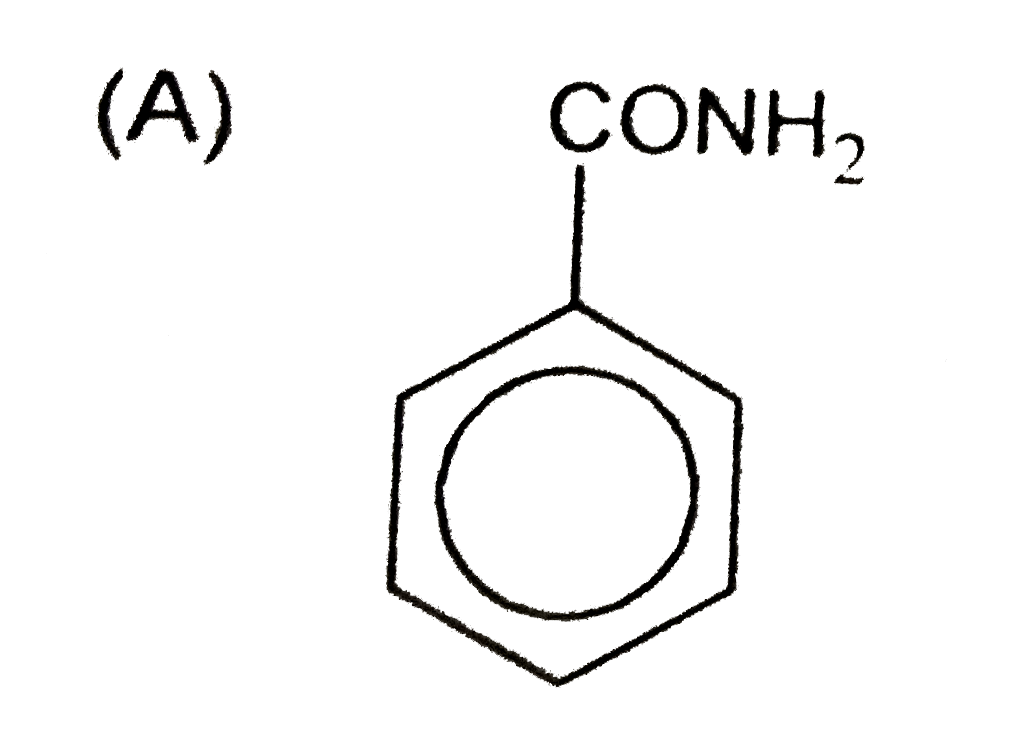
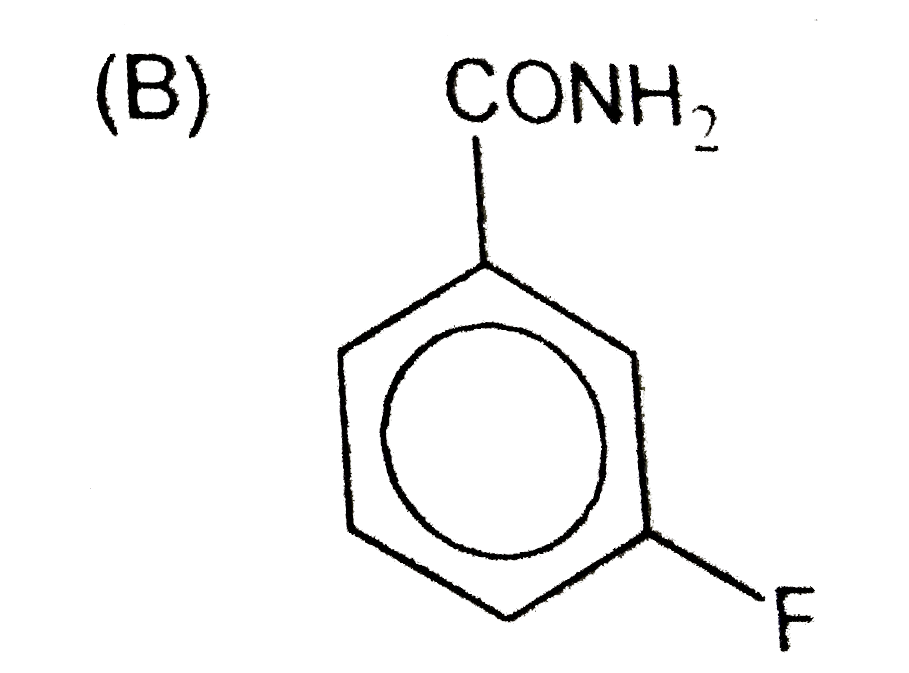
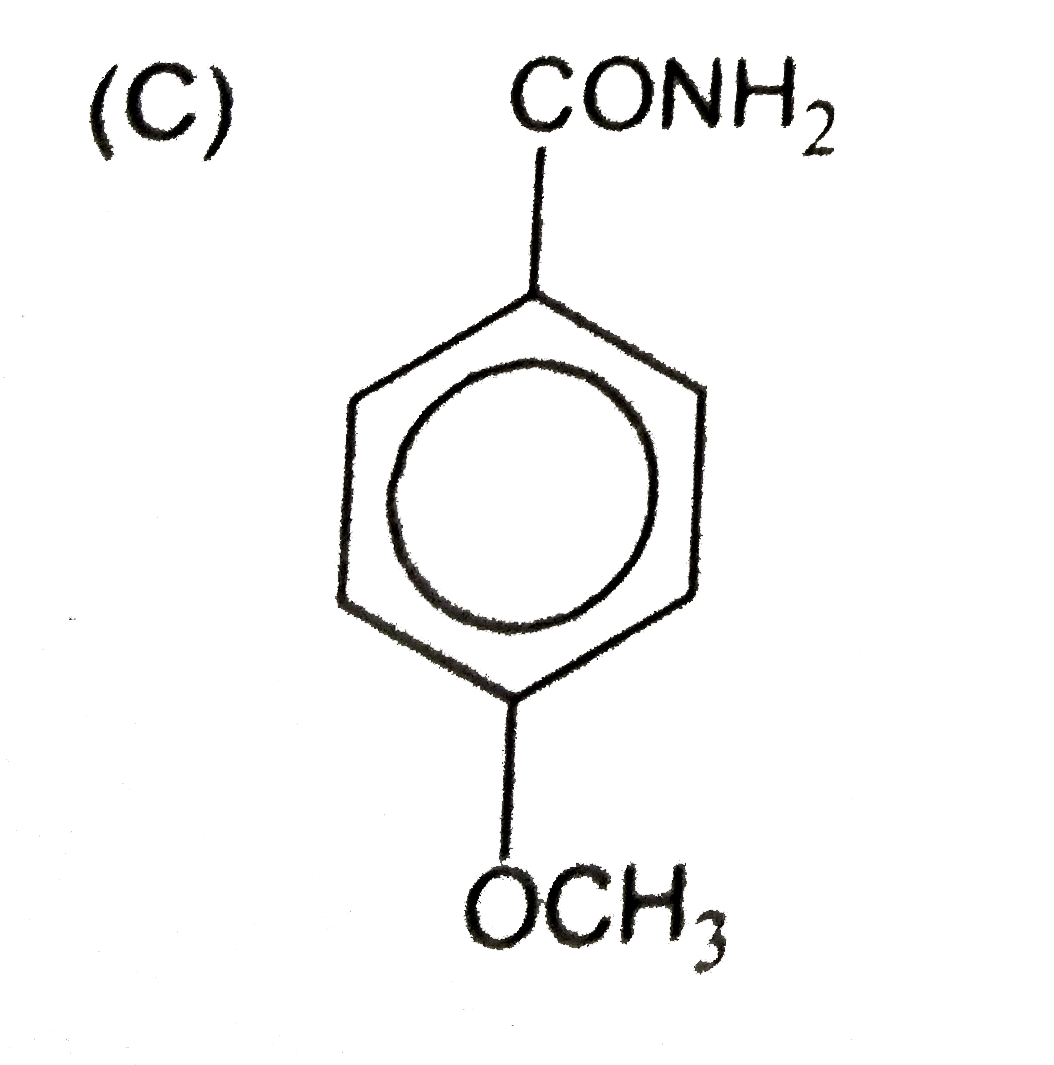
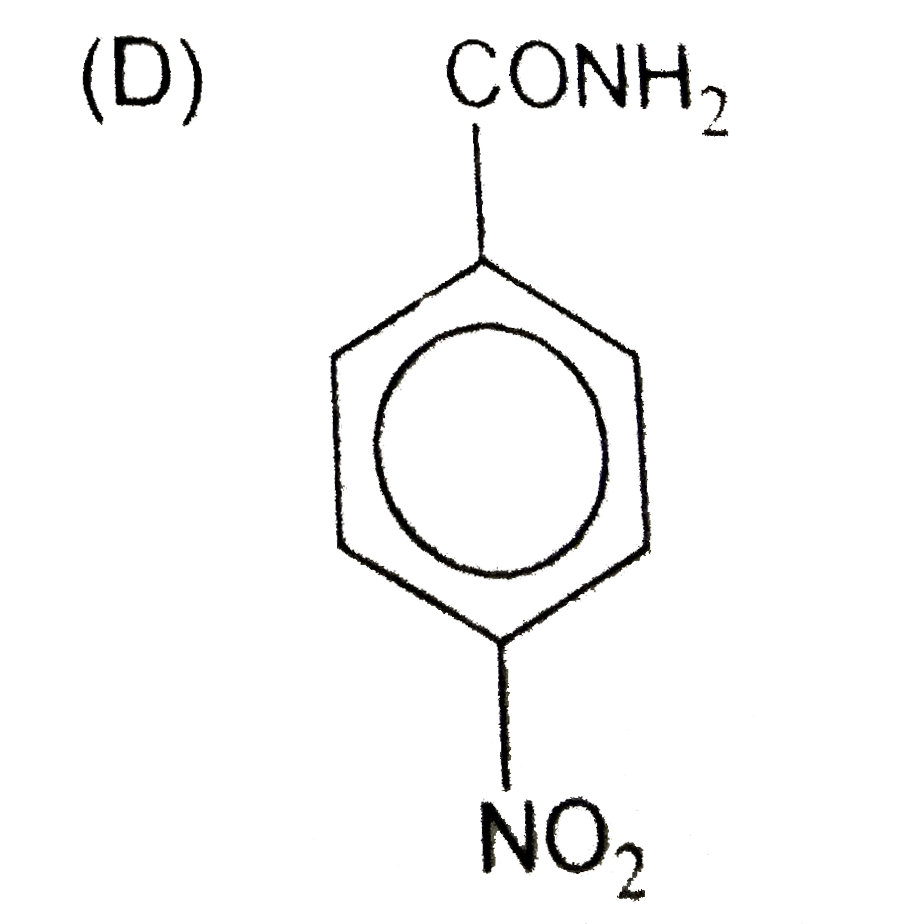
Which of the following can undergo hofmann brimamide reaction most easily?

A

B

C

D

Text Solution

AI Generated Solution

The correct Answer is:

To determine which compound can undergo the Hofmann Bromamide reaction most easily, we need to analyze the reactivity of the amides provided in the options. The Hofmann Bromamide reaction involves the conversion of amides to amines with the loss of one carbon atom, and the reactivity is influenced by the electronic effects of substituents on the amide. ### Step-by-Step Solution: 1. **Understand the Hofmann Bromamide Reaction**: - The Hofmann Bromamide reaction involves the treatment of an amide with bromine and a strong base (like KOH). The reaction leads to the formation of an amine and the loss of one carbon atom in the form of carbon dioxide. 2. **Identify the Structure of Amides**: - The general structure of an amide is R-C(=O)-NH2, where R is a hydrocarbon group. The reactivity of the amide depends on the substituents attached to the carbonyl carbon (C=O) and the nitrogen (NH2). 3. **Consider the Electronic Effects**: - Electron-withdrawing groups (EWGs) decrease the electron density on the carbonyl carbon, making it less reactive. Conversely, electron-donating groups (EDGs) increase the electron density, enhancing reactivity. 4. **Analyze Each Option**: - **Option A**: Benzamide (C6H5-C(=O)-NH2) - The phenyl group is an electron-donating group through resonance, but it can also withdraw electron density through induction, making it moderately reactive. - **Option B**: Meta-fluorobenzamide (F-C6H4-C(=O)-NH2) - The fluorine atom is an electron-withdrawing group, which decreases the electron density on the carbonyl carbon, making it less reactive. - **Option C**: Para-methoxybenzamide (OCH3-C6H4-C(=O)-NH2) - The methoxy group (OCH3) is an electron-donating group through resonance, which increases the electron density on the carbonyl carbon, making it more reactive. - **Option D**: Para-nitrobenzamide (NO2-C6H4-C(=O)-NH2) - The nitro group is a strong electron-withdrawing group, significantly decreasing the electron density on the carbonyl carbon, making it the least reactive. 5. **Determine the Most Reactive Amide**: - Among the options, the para-methoxybenzamide (Option C) has the highest electron density on the carbonyl carbon due to the electron-donating effect of the methoxy group. This increased electron density enhances the reactivity of the amide in the Hofmann Bromamide reaction. 6. **Conclusion**: - Therefore, the compound that can undergo the Hofmann Bromamide reaction most easily is **Option C: Para-methoxybenzamide**.

To determine which compound can undergo the Hofmann Bromamide reaction most easily, we need to analyze the reactivity of the amides provided in the options. The Hofmann Bromamide reaction involves the conversion of amides to amines with the loss of one carbon atom, and the reactivity is influenced by the electronic effects of substituents on the amide. ### Step-by-Step Solution: 1. **Understand the Hofmann Bromamide Reaction**: - The Hofmann Bromamide reaction involves the treatment of an amide with bromine and a strong base (like KOH). The reaction leads to the formation of an amine and the loss of one carbon atom in the form of carbon dioxide. 2. **Identify the Structure of Amides**: ...
Promotional Banner

Similar Questions

Explore conceptually related problems

Hofmann's Bromamide reaction

Which of the following does not undergo Cannizzaro reaction?

Which of the following can undergo a chemical reaction?

Which of the following does not undergo diazotization reaction?

Which of the following compounds will undergo Cannizzaro reaction ?
