Home
Class 12
CHEMISTRY
CH(3)CH(2)CH(2)Cl+CH(3)underset(Cl)under...

`CH_(3)CH_(2)CH_(2)Cl+CH_(3)underset(Cl)underset(|)(C)HCH_(3)underset("dry ether")overset(Na)to` Products.
Which of te following is not a product of above reaction?

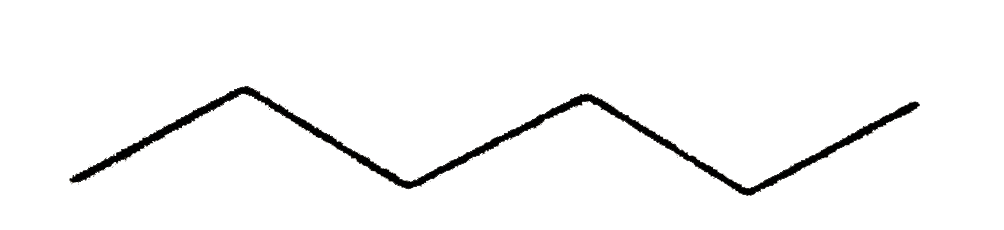
A

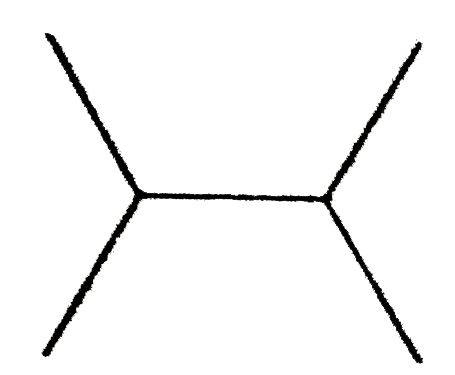
B

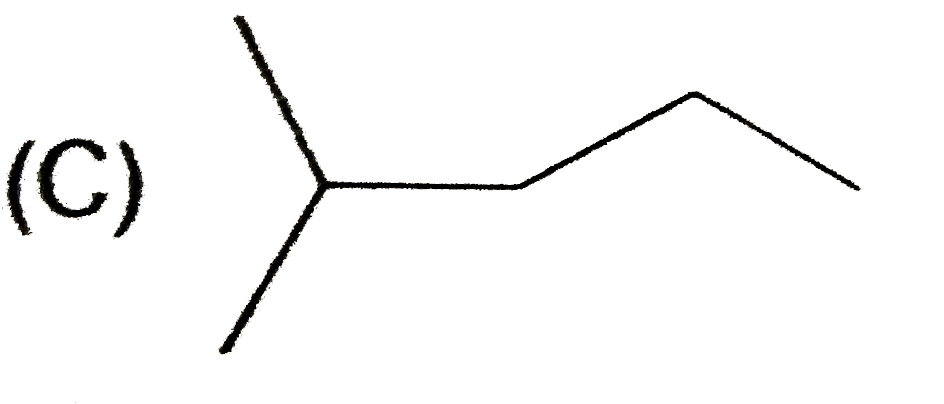
C

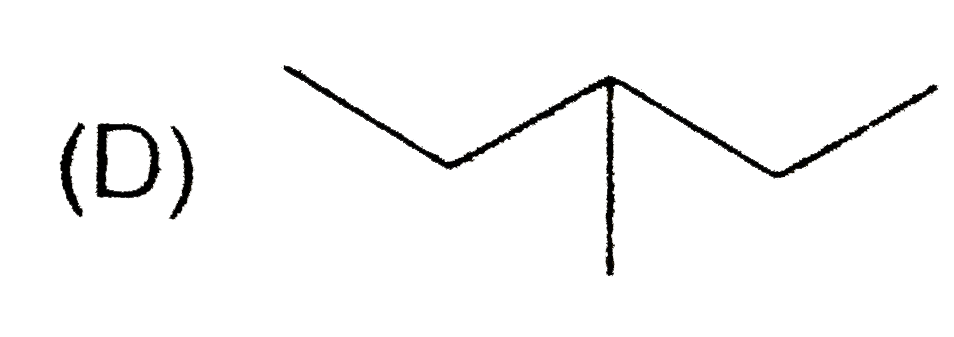
D

Text Solution

AI Generated Solution

The correct Answer is:

To solve the question regarding the products formed from the reaction of propyl chloride (CH₃CH₂CH₂Cl) and isopropyl chloride (CH₃ClC(CH₃)H) in the presence of sodium in dry ether, we will follow these steps: ### Step 1: Identify the Reaction Type This reaction is known as the Wurtz reaction, which involves the coupling of alkyl halides in the presence of sodium metal to form higher alkanes. **Hint:** Remember that Wurtz reaction typically leads to the formation of symmetrical alkanes. ### Step 2: Write the Reactants The reactants are: 1. Propyl chloride: CH₃CH₂CH₂Cl 2. Isopropyl chloride: CH₃C(Cl)(CH₃) ### Step 3: Determine the Free Radicals In the presence of sodium, the halogen atoms (Cl) are removed, leading to the formation of free radicals: 1. Propyl free radical: CH₃CH₂CH₂• (from propyl chloride) 2. Isopropyl free radical: CH₃C•(CH₃) ### Step 4: Possible Coupling Reactions Now, we can consider the possible combinations of these free radicals: 1. **Propyl + Propyl**: - CH₃CH₂CH₂• + CH₃CH₂CH₂• → CH₃(CH₂)₃CH₃ (n-hexane) 2. **Isopropyl + Isopropyl**: - CH₃C•(CH₃) + CH₃C•(CH₃) → (CH₃)₂C(CH₃)₂ (2,3-dimethylbutane) 3. **Propyl + Isopropyl**: - CH₃CH₂CH₂• + CH₃C•(CH₃) → CH₃CH₂C(CH₃)(CH₂) (2-methylpentane) ### Step 5: List the Products From the above combinations, the products formed are: 1. n-Hexane (from propyl + propyl) 2. 2,3-Dimethylbutane (from isopropyl + isopropyl) 3. 2-Methylpentane (from propyl + isopropyl) ### Step 6: Identify the Incorrect Product The question asks which of the following is **not** a product of the reaction. Based on the analysis, we have: - n-Hexane - 2,3-Dimethylbutane - 2-Methylpentane If there is an option that does not match any of these products, that will be the answer. ### Conclusion After analyzing the products formed, we conclude that the option that is not a product of the reaction is **Option D**. ---

To solve the question regarding the products formed from the reaction of propyl chloride (CH₃CH₂CH₂Cl) and isopropyl chloride (CH₃ClC(CH₃)H) in the presence of sodium in dry ether, we will follow these steps: ### Step 1: Identify the Reaction Type This reaction is known as the Wurtz reaction, which involves the coupling of alkyl halides in the presence of sodium metal to form higher alkanes. **Hint:** Remember that Wurtz reaction typically leads to the formation of symmetrical alkanes. ### Step 2: Write the Reactants ...
Promotional Banner

Similar Questions

Explore conceptually related problems

2CH_(3)-underset(O)underset(||)(C)-CH_(3) underset(H^(+))overset(Mg//Hg)to Product in the reaction is

IUPAC name of CH_(3)-underset(Cl)underset(|)(C)=CH-CH_(2)-underset(O)underset(||)(C)-CH_(3) is

C_(2)H_(5)Br+CH_(3)-underset(CH_(3))underset(|)(CH)-Broverset((Na)dry ether)(to)'P' (major) Which is not product 'P'-

CH_(3)CH_(2)underset(CH_(3))underset(|)(C)=CHCH_(3)overset("Reagent")toCH_(3)CH_(2)underset(CH_(3))underset(|)(CH)overset(OH)overset(|)(CH)CH_(3) Which reagent forms the above organic product as the single product in the above reaction?

CH_(3)-Br+NaO-underset(CH_(3))underset(|)overset(CH_(3))overset(|)C-CH_(3)to ? The product is

2CH_(3)-underset(CH_(3))underset(|)overset(CH_(3))overset(|)(C)-CHO+NaOHrarr The product is

CH_(3)-overset(CH_(3))overset("| ")underset(CH_(3))underset("| ")"C "-COOH+Br_(2)overset("Red P")rarr"[Product]" The product of the above reaction is -

CH_(3)-underset(CH_(3))underset(|)overset(CH_(3))overset(|)C-CH=CH-CH_(3)overset(H-Cl)(to) ?

CH_(3)CH_(2)CH_(2)CH_(3) underset(hv)overset(Cl_(2))to underset(("monochlorination products"))(A+B) The approximate ratio of percentage yields of A and B formed in the above reaction is
