Home
Class 12
CHEMISTRY
Which of the following undergoes faster ...

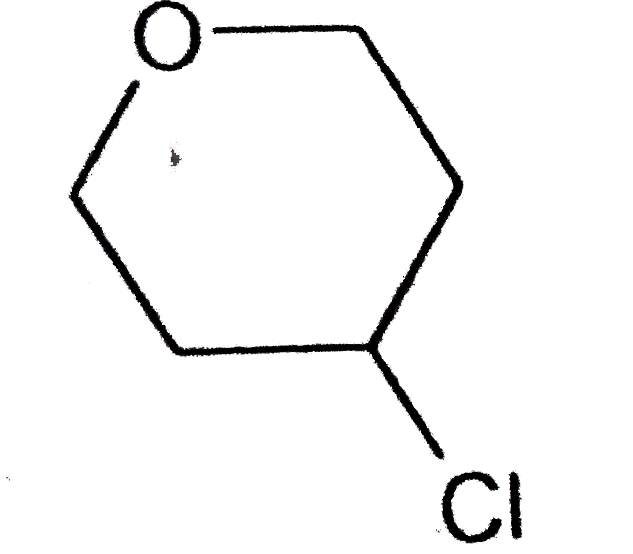
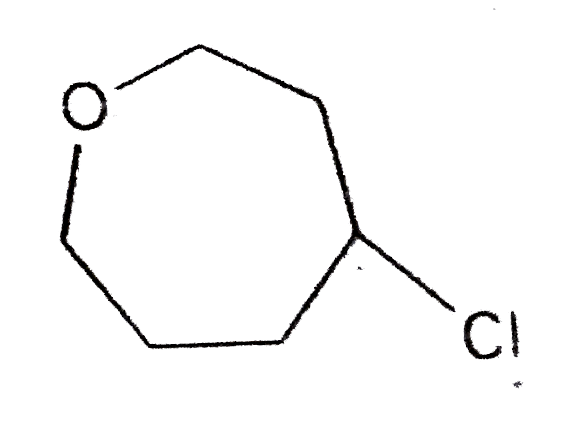
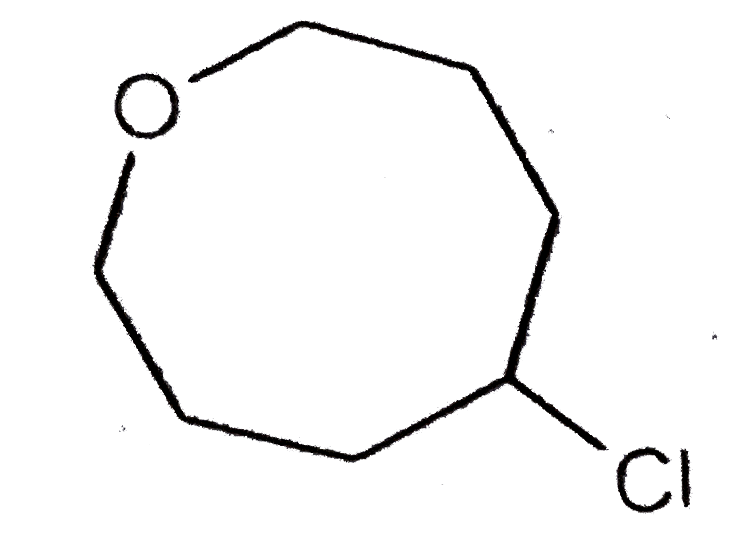
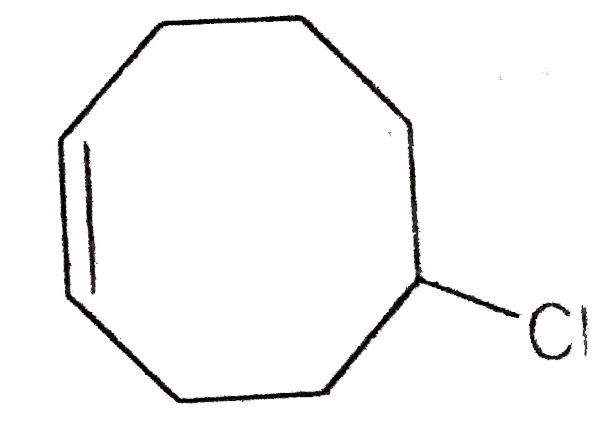
Which of the following undergoes faster solvolysis ?

A

B

C

D

Text Solution

AI Generated Solution

The correct Answer is:

To determine which compound undergoes faster solvolysis, we need to analyze the stability of the carbocation that forms during the reaction. Solvolysis typically follows an SN1 mechanism, which involves the formation of a carbocation intermediate. The stability of this carbocation is crucial for the rate of the reaction. ### Step-by-Step Solution: 1. **Identify the Compounds**: We need to analyze the structures of the compounds provided in the options (A, B, C, D) to see which one can form a stable carbocation upon the departure of the leaving group (chlorine). 2. **Analyze Option A**: - Structure: A six-membered ring with chlorine at one position. - Upon the departure of chlorine, a carbocation is formed. However, this carbocation is not very stable due to the ring strain and the nature of the carbocation (secondary or primary). - Conclusion: Less stable carbocation, slower solvolysis. 3. **Analyze Option B**: - Structure: A seven-membered ring with chlorine at the fourth position. - The carbocation formed here is more stable than in option A, but still has some strain due to the presence of a four-membered ring. - Conclusion: More stable than A, but still not the fastest. 4. **Analyze Option C**: - Structure: An eight-membered ring with chlorine at the fifth position. - The carbocation formed here is stable as it can distribute the positive charge over a larger number of atoms (more resonance stabilization). - Conclusion: This is the most stable carbocation among the options, leading to faster solvolysis. 5. **Analyze Option D**: - Structure: No electron-rich species present. - Since solvolysis requires an electron-rich species to facilitate the reaction, this option can be eliminated immediately. - Conclusion: Cannot undergo solvolysis. 6. **Final Conclusion**: - Based on the stability of the carbocations formed, option C (the eight-membered ring) will undergo solvolysis the fastest due to its stable carbocation. ### Answer: The compound that undergoes faster solvolysis is **Option C**.

To determine which compound undergoes faster solvolysis, we need to analyze the stability of the carbocation that forms during the reaction. Solvolysis typically follows an SN1 mechanism, which involves the formation of a carbocation intermediate. The stability of this carbocation is crucial for the rate of the reaction. ### Step-by-Step Solution: 1. **Identify the Compounds**: We need to analyze the structures of the compounds provided in the options (A, B, C, D) to see which one can form a stable carbocation upon the departure of the leaving group (chlorine). 2. **Analyze Option A**: ...
Promotional Banner

Similar Questions

Explore conceptually related problems

Which of the following salts undergoes hydrolysis ?

Which of the following salt undergoes hydrolysis?

Which of the following will decay faster ?

Which of the following undergoes Hydrolysis most easily:

Which one of the following undergoes meiosis?

Which of the following compound give solvolysis reaction with slowest rate ?

Which of the following undergoes mustard oil reaction ?

Which of the following do not undergo hydrolysis?
