Identify the given figure of a algae and explain the charcterstics of its class with the help of following points:
Habitat, plant body, photosynthetic pigments, cell wall, stored food.
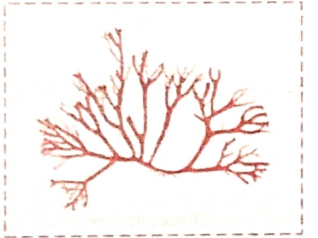
Identify the given figure of a algae and explain the charcterstics of its class with the help of following points:
Habitat, plant body, photosynthetic pigments, cell wall, stored food.
Habitat, plant body, photosynthetic pigments, cell wall, stored food.



Similar Questions
Explore conceptually related problems
Give a comparative account of major group of algae on the basis of following features. Habitat, Predominant pigments, Cell wall, Reserve food, Motility, Photosynthetic pigment, Reproduction, life cycle and examples.
Read the paragraph and answer the questions given below : Dietary fibre - found mainly in fruits, vegetables, whole grains and legumes — is probably best known for its ability to prevent or relieve constipation. But foods containing fibre can provide other health benefits as well, such as helping to maintain a healthy weight and lowering your risk of diabetes, heart disease and some types of cancer. Dietary fibre, also known as roughage or bulk, includes the parts of plant foods your body can't digest or absorb. Unlike other food components, such as fats, proteins or carbohydrates — which your body breaks down and absorbs — fibre isn’t digested by your body. Instead, it passes relatively intact through your stomach, small intestine and colon and out of your body. Answer the question: Which food items provide rich fibre content?
Read the paragraph and answer the questions given below : Dietary fibre - found mainly in fruits, vegetables, whole grains and legumes — is probably best known for its ability to prevent or relieve constipation. But foods containing fibre can provide other health benefits as well, such as helping to maintain a healthy weight and lowering your risk of diabetes, heart disease and some types of cancer. Dietary fibre, also known as roughage or bulk, includes the parts of plant foods your body can't digest or absorb. Unlike other food components, such as fats, proteins or carbohydrates — which your body breaks down and absorbs — fibre isn’t digested by your body. Instead, it passes relatively intact through your stomach, small intestine and colon and out of your body. Answer the question: Are fibres digested in the body?
Read the paragraph and answer the questions given below : Dietary fibre - found mainly in fruits, vegetables, whole grains and legumes — is probably best known for its ability to prevent or relieve constipation. But foods containing fibre can provide other health benefits as well, such as helping to maintain a healthy weight and lowering your risk of diabetes, heart disease and some types of cancer. Dietary fibre, also known as roughage or bulk, includes the parts of plant foods your body can't digest or absorb. Unlike other food components, such as fats, proteins or carbohydrates — which your body breaks down and absorbs — fibre isn’t digested by your body. Instead, it passes relatively intact through your stomach, small intestine and colon and out of your body. Answer the question: Enlist the advantages of fibres in diet.
Read the paragraph and answer the questions given below : Dietary fibre - found mainly in fruits, vegetables, whole grains and legumes — is probably best known for its ability to prevent or relieve constipation. But foods containing fibre can provide other health benefits as well, such as helping to maintain a healthy weight and lowering your risk of diabetes, heart disease and some types of cancer. Dietary fibre, also known as roughage or bulk, includes the parts of plant foods your body can't digest or absorb. Unlike other food components, such as fats, proteins or carbohydrates — which your body breaks down and absorbs — fibre isn’t digested by your body. Instead, it passes relatively intact through your stomach, small intestine and colon and out of your body. Answer the question: Which is the path through which fibres pass in the digestive tract?
Read the paragraph and answer the questions given below : Dietary fibre - found mainly in fruits, vegetables, whole grains and legumes — is probably best known for its ability to prevent or relieve constipation. But foods containing fibre can provide other health benefits as well, such as helping to maintain a healthy weight and lowering your risk of diabetes, heart disease and some types of cancer. Dietary fibre, also known as roughage or bulk, includes the parts of plant foods your body can't digest or absorb. Unlike other food components, such as fats, proteins or carbohydrates — which your body breaks down and absorbs — fibre isn’t digested by your body. Instead, it passes relatively intact through your stomach, small intestine and colon and out of your body. Answer the question: What is a roughage?
Select the appropriate options and complete the following paragraph. (amino acids, fruits, translocation of materials. phloem, sclerites, leaves, xylem, transpiration) The food produced in_______ is transported to each cell in the plant body. Excess food. except ______ is stored in roots, and ______This process is called ________It is carried out in both the upward and the downward directions by the ________.
Recommended Questions
- Identify the given figure of a algae and explain the charcterstics of ...
Text Solution
|
- Major photosynthetic pigments in green algae are
Text Solution
|
- Photosynthetic pigments of Rhodophyceae (red algae) are
Text Solution
|
- Algae with photosynthetic pigments possess nutrition
Text Solution
|
- In algae, the photosynthetic pigments are present in
Text Solution
|
- டையனோஃபைசி வகுப்பில் உள்ள பாசிகளின் நிறமிகள் மற்றும் உணவு சேமிப்பைப் ப...
Text Solution
|
- பாசிகளில் காணப்படும் ஒளிச்சேர்க்கை நிறமிகள் யாவை?
Text Solution
|
- The major photosynthetic pigments of green algae are -
Text Solution
|
- रोडोफाइसी (लाल शैवाल) के प्रकाशसंश्लेषी वर्णक हैं -
Text Solution
|