MS CHOUHAN|Exercise LEVEL-2 (Comprehension) |19 Videos
CARBENE AND NITRENE
MS CHOUHAN|Exercise LEVEL-2 |5 Videos
BIOMOLECULES
MS CHOUHAN|Exercise LEVEL - 2|5 Videos
CARBOXYLIC ACID AND THEIR DERIVATIVES
MS CHOUHAN|Exercise LEVEL-2( SUBJECTIVE PROBLEMS)|1 Videos
Similar Questions
Explore conceptually related problems
A reaction is second order with respect to a reactant. How is the rate of reaction is affected if the concentration of the reactant is i) doubled ii) reduced to half
In a first - order reaction A to B, if K is the rate constant and initial concentration of the reactant is 0.5 M, then half-life is
For the reaction, reactants . The bset combination of reactant is
The rate of reaction between two reactants A and B decreases by a factor of 4 if the concentration of reactant B is doubled. The order of this reaction with respect to reactant B is
A: Rate of reaction increases with increasse in concentration of reactants. R: Number of effective collisions increases with increase in concentration of reactants.
Ozone is passed into a solution of hydrogen peroxide. Which reactant is reduced?
At a given temperature, for a reversible reaction, if the concentration of reactants is doubled then the equilibrium constant will
In a reaction, the rate did not change with concentration of reactants. What is your inference ?
Rate of a chemical reaction depends on concentration of reactant is independent on concentration. Why?
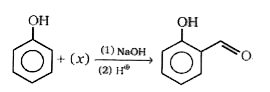 , Reactant x is :

