

Home
Class 12
PHYSICS
The coefficient of static friction, mu(s...

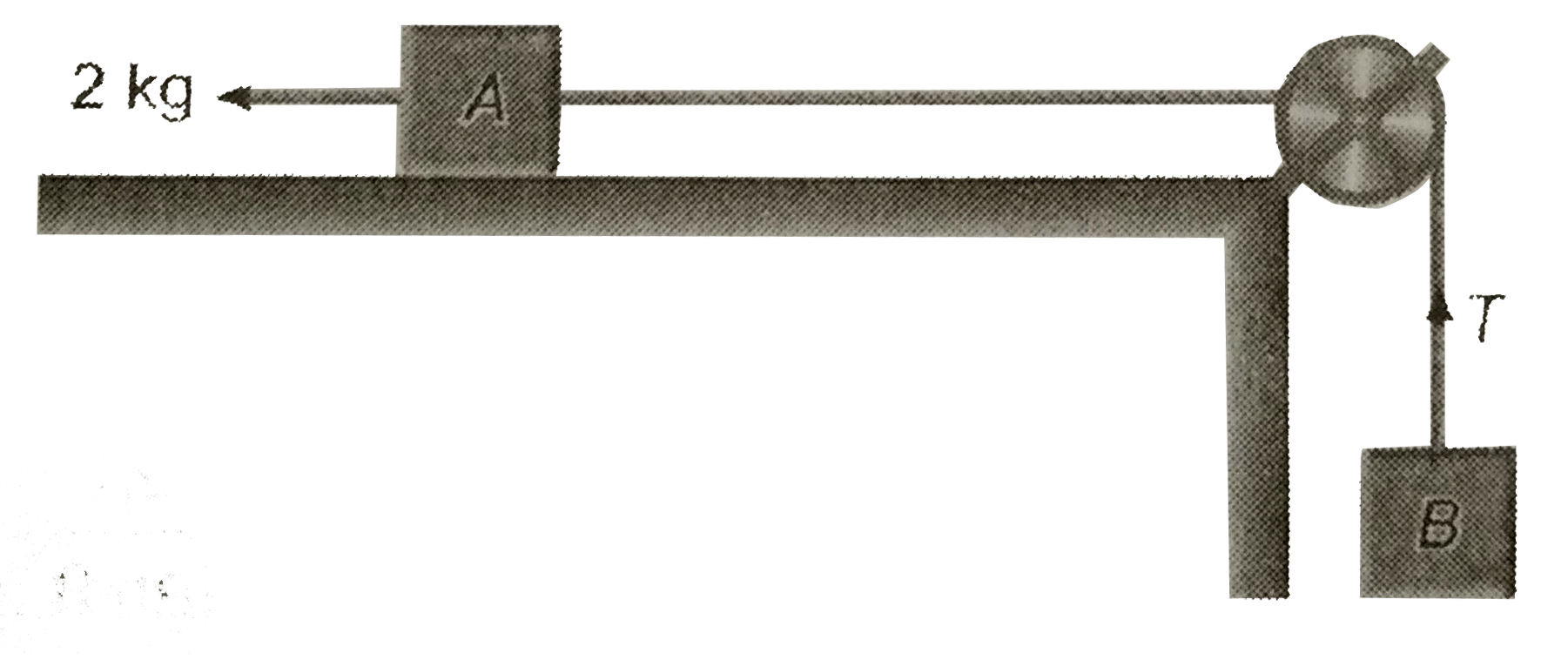
The coefficient of static friction, `mu_(s)` between block A mass 2kg and the table as shown in the figure, is 0.2. What would be the maximum mass value of block B, so that the two blocks do not move ? The string and the pulley are asseumed to be smooth and massless (`g=10m//s^(2)`)

Promotional Banner

Similar Questions

Explore conceptually related problems

The coefficient of static friction, mu_(s) between block A of mass 2 kg and the table as shown in the figure is 0.2. What would be the maximum mass value of block B so that the two blocks do not move? The string and the pulley are assumed to be smooth and massless. (g=10m//s^(2))

The coefficient of static friction, mu_(s) between block A of mass 2 kg and the table as shown in the figure is 0.2. What would be the maximum mass value of block B so that the two blocks do not move? The string and the pulley are assumed to be smooth and massless. (g=10m//s^(2))

The coefficient of static friction, mu_(s) between block A of mass 2 kg and the table as shown in the figure is 0.2. What would be the maximum mass value of block B so that the two blocks do not move? The string and the pulley are assumed to be smooth and massless. (g=10m//s^(2))

The coefficient of static friction, mu_(s) between block A of mass 2 kg and the table as shown in the figure is 0.2. What would be the maximum mass value of block B so that the two blocks do not move? The string and the pulley are assumed to be smooth and massless. (g=10m//s^(2))

The coefficient of static friction mu s, between block A of mass 2 kg and the table as shown in the figure is 0.2. What would be the maximum mass value of block B, so that two blocks do not move ? The string and the pully are assumed to be smooth and massless.

The coefficient of static friction mu_(s) between block A of mass 2kg and the table as shown in is 0.1 What would be the maximum mass value of blocks B so that the two bloks do not move ? The string and the pulley are assumed to be smooth and massless (g = 10m//s^(2)) .

The coefficient of static friction between the block of 2 kg and the table shown in figurwe is mu_s=0.2 What should be the maximum value of m so tht the blocks do not move? Take g=10 m/s^2. The string and the pulley are light and smooth.

The coefficient of static friction between the block of 2 kg and the table shown in figurwe is mu_s=0.2 What should be the maximum value of m so tht the blocks do not move? Take g=10 m/s^2. The string and the pulley are light and smooth.

The coefficient of static friction between the block of 2 kg and the table shown in figurwe is mu_s=02. What should be the maximum value of m so tht the blocks do not move? Take g=10 m/s^2. The string and the pulley are light and smooth.