

Home
Class 11
PHYSICS
Two inclined frictionless tracks, one gr...

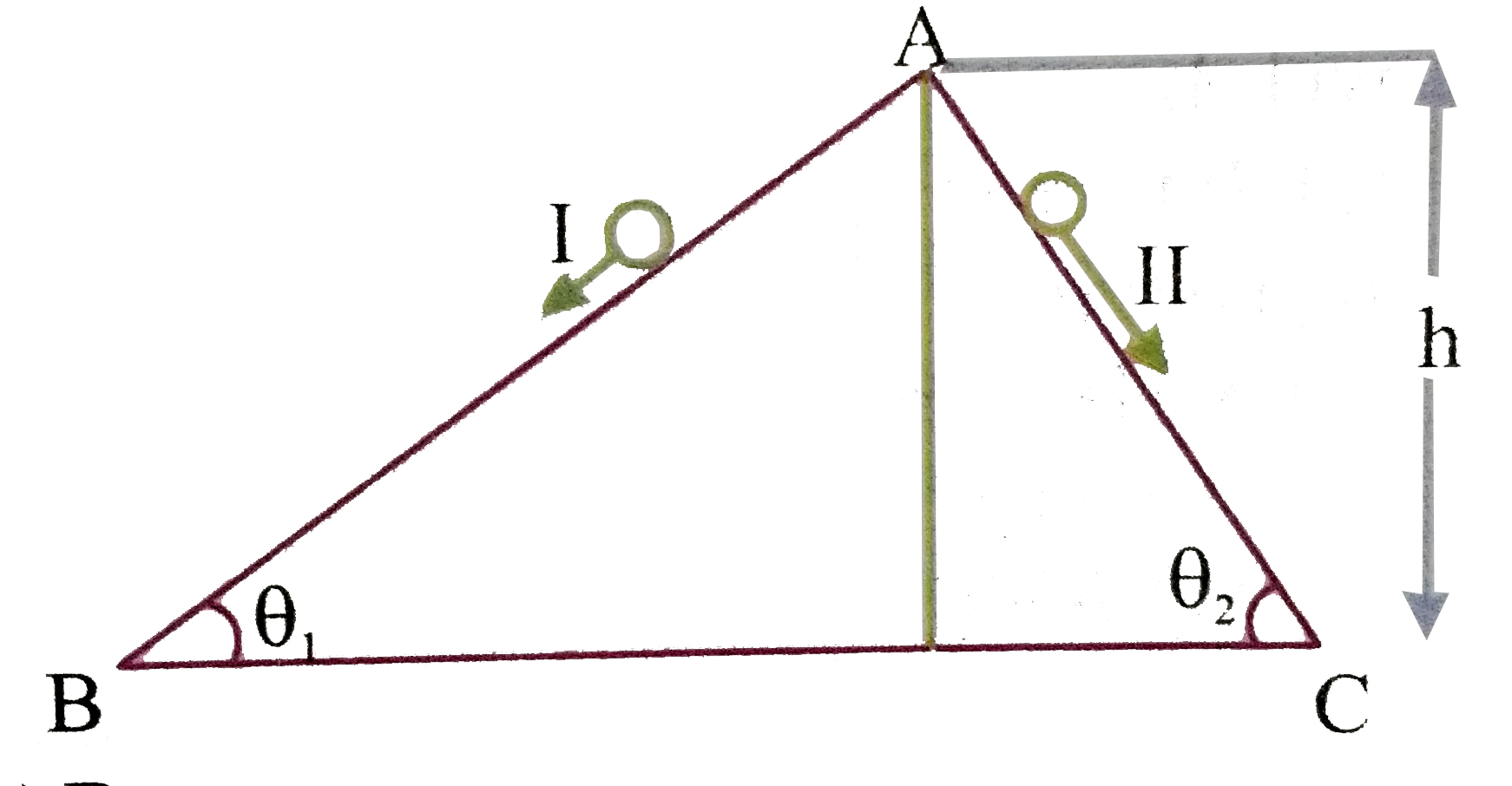
Two inclined frictionless tracks, one gradual and the other steep meet at `a` from where two stones are allowed to slide down from rest, one on each track as shown in Figure. Which of the following statement is correct ?
.

Promotional Banner

Similar Questions

Explore conceptually related problems

Two inclined frictionless tracks, one gradual and the other steep meet at A from where two stones are allowed to slide donw from rest, one of each track as shown in the figure.

Two inclined frictionless tracks , one gradual and the other steep meet at A from where two stones are allowed to slide down from rest , one on each track as shown in figure . Will the stones reach there with the same speed ? Explain . Given theta_(1) = 30^(@) , theta_(2) = 60^(@) and h = 10 m What are the speeds and times taken by the two stones ?

Two inclined frictionless tracks, one gradual and other steep meet at 'A' from where two stones are allowed to slide down from rest, one on each track as shown in figure. The speed of two stones on reaching at bottom are v_(1) and v_(2) respectively. v_(1) & v_(2) are related as

Two inclined frictionless tracks, one gradual and the other steep meet at O, from where two stones are allowed to slide down from rest, one on each track. Will the stones reach the bottom at the same time ? Will they reach there with the same speed ? Explain.

Two inclined frictionless tracks, one gradual and the other steep meet at A, from where two stones are allowed to slide down from rest, one on each track. Will the stones reach the bottom at the same time? Will they reach there with the same speed? Given theta_(1)=30^(@),theta_(2)=60^(@),h=10m . What are the speeds and time taken by the two stones?

Two inclined frictionless tracks, one gradual and the other steep meet at A from where two stones are allowed to slide down from rest, one on each track (Fig. 6.16). Will the stones reach the bottom at the same time? Will they reach there with the same speed? Explain. Given 61 = 30^@ , theta_2 = 60^@ , and h= 10 m, what are the speeds and times taken by the two stones ?

Two inclined frictionless tracks, one gradual and the other steep meet at A from where to stones are allowed to slide down from rest, one on each track (fig.) Will hte stones reach the bottom at the same time? Will they reach there with the same speed? Explain, given theta_(1)=30^(@) , theta_92)=60^(@) and h=10m. What are the speeds and time taken by the two stones?