 .
.  .
.Text Solution
Verified by Experts



Topper's Solved these Questions
GENERAL ORGANIC CHEMISTRY
CENGAGE CHEMISTRY|Exercise Subjective|11 VideosGENERAL ORGANIC CHEMISTRY
CENGAGE CHEMISTRY|Exercise Concept|16 VideosGENERAL ORGANIC CHEMISTRY
CENGAGE CHEMISTRY|Exercise Analytical and Descriptive|1 VideosCLASSIFICATION AND NOMENCLATURE OF ORGANIC COMPOUNDS
CENGAGE CHEMISTRY|Exercise Analytical and Descriptive Type|3 VideosHYDROGEN, WATER AND HYDROGEN PEROXIDE
CENGAGE CHEMISTRY|Exercise Subjective Archive (Subjective)|3 Videos
CENGAGE CHEMISTRY-GENERAL ORGANIC CHEMISTRY-Solved Example
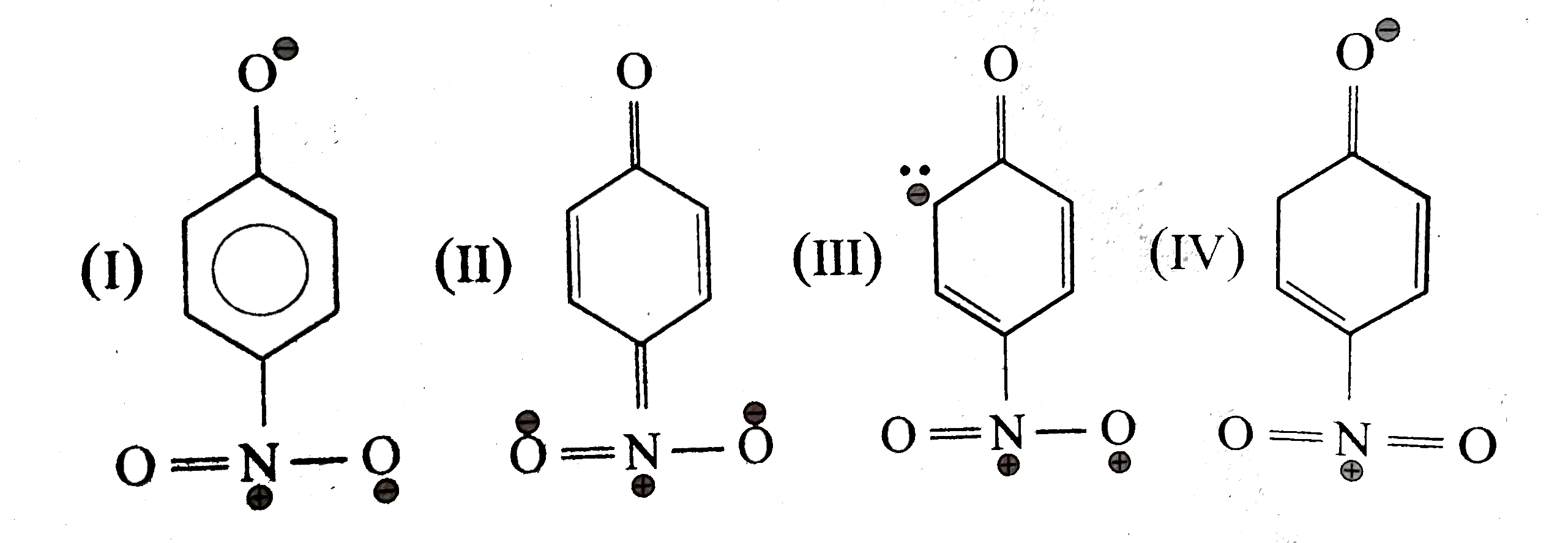
- Which of the following is the most stable resonance structure ?
Text Solution
|
- Which of the following is a most likely product from the reaction as s...
Text Solution
|
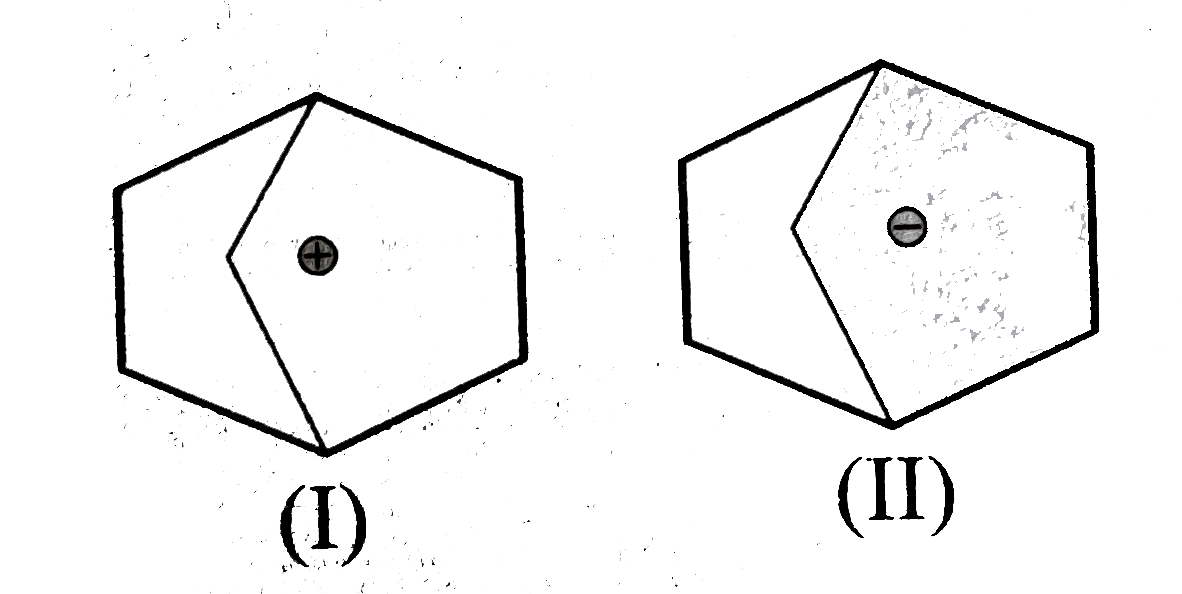
- Give the stability of the following resonance structures (a) H(2)C =...
Text Solution
|
- Write the correct resonance structure of the given compound. .
Text Solution
|
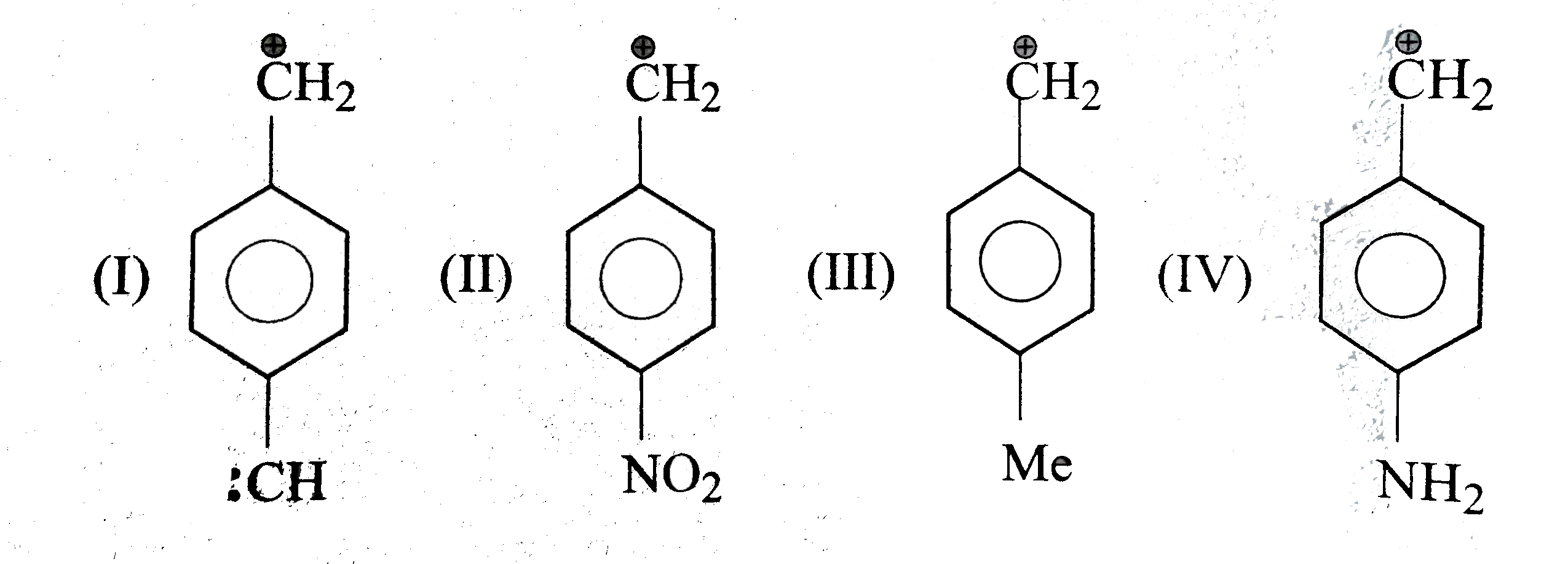
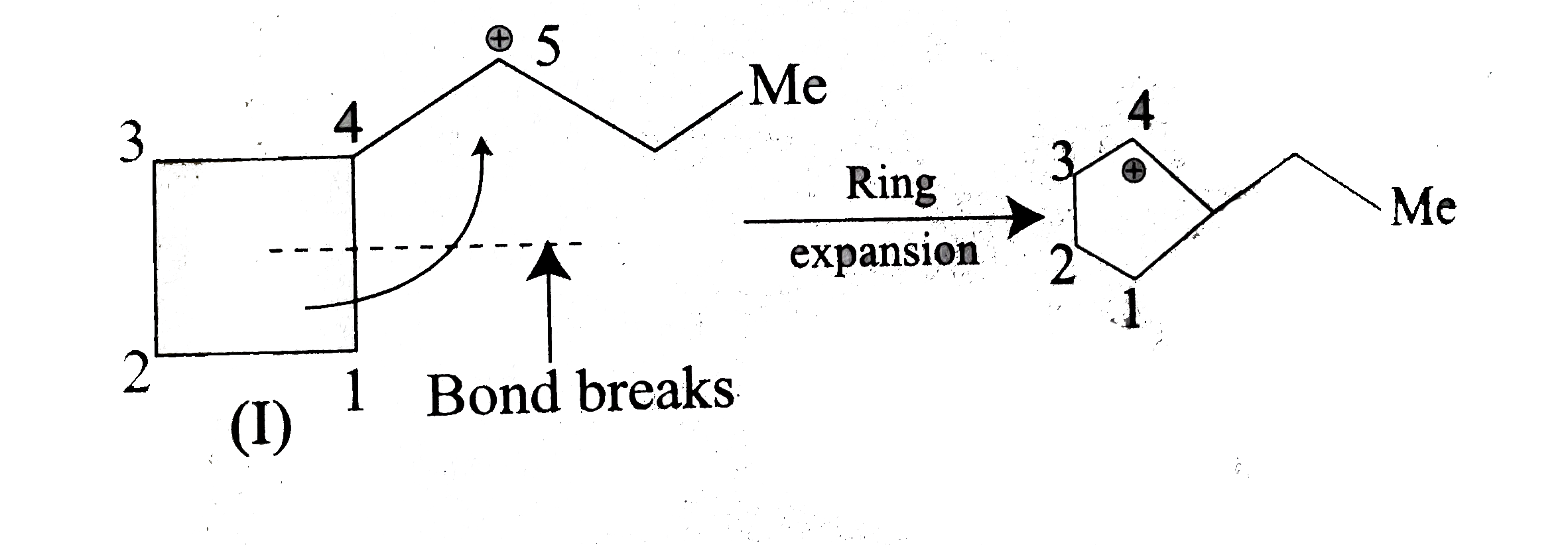
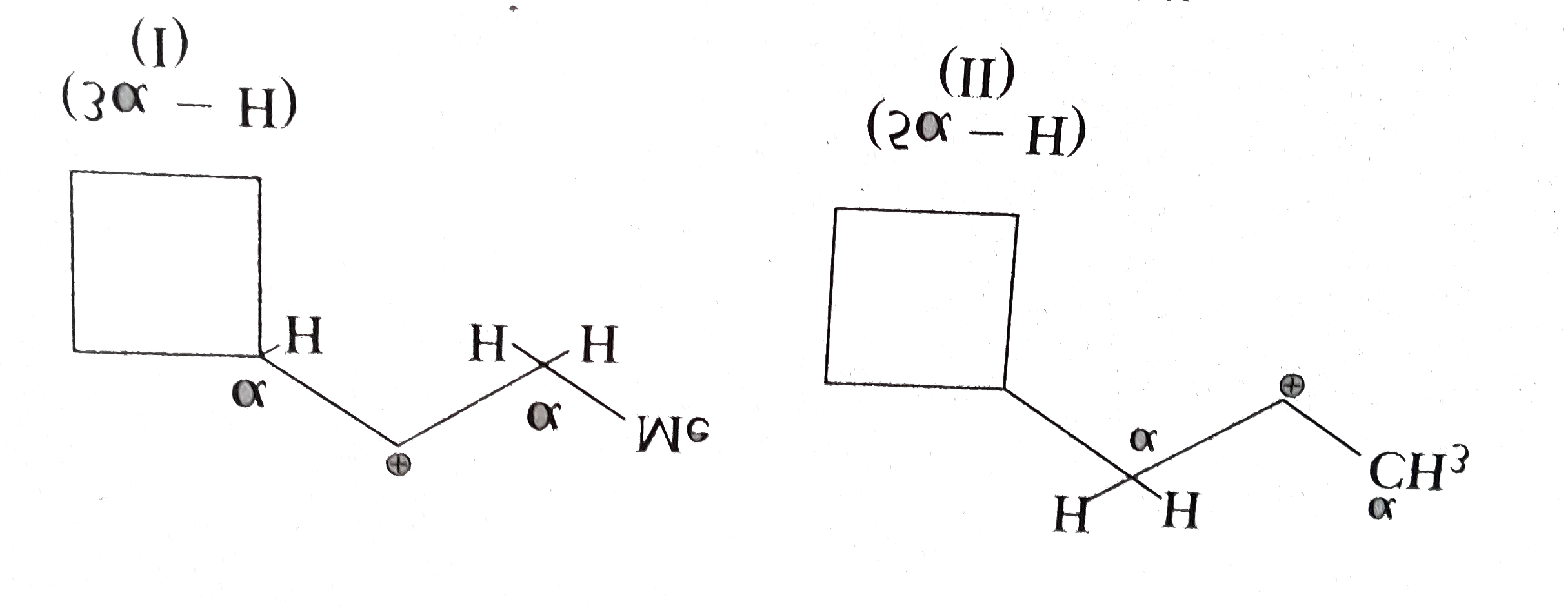
- Give the correct stability order of the following species :
Text Solution
|
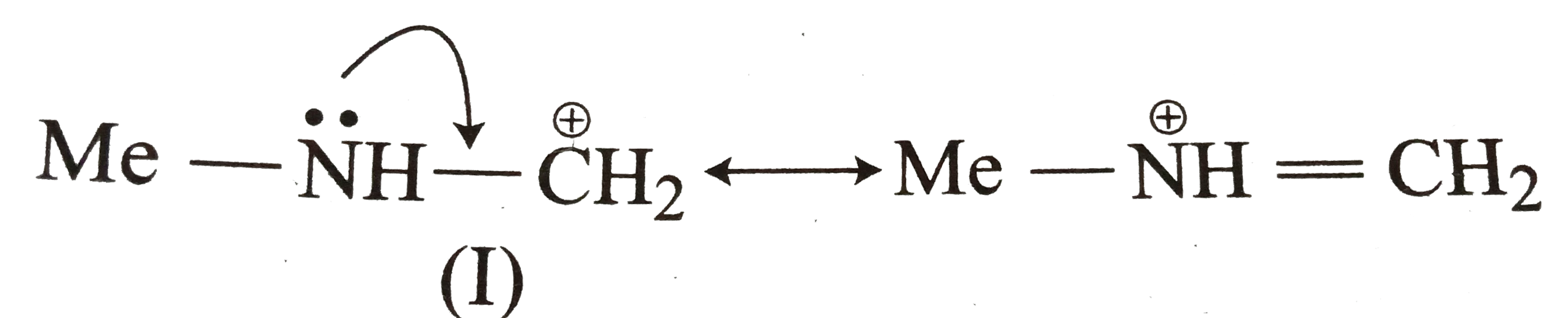
- Explain the following : (a) Why MeNH overset (oplus) CH2 (I) is more...
Text Solution
|
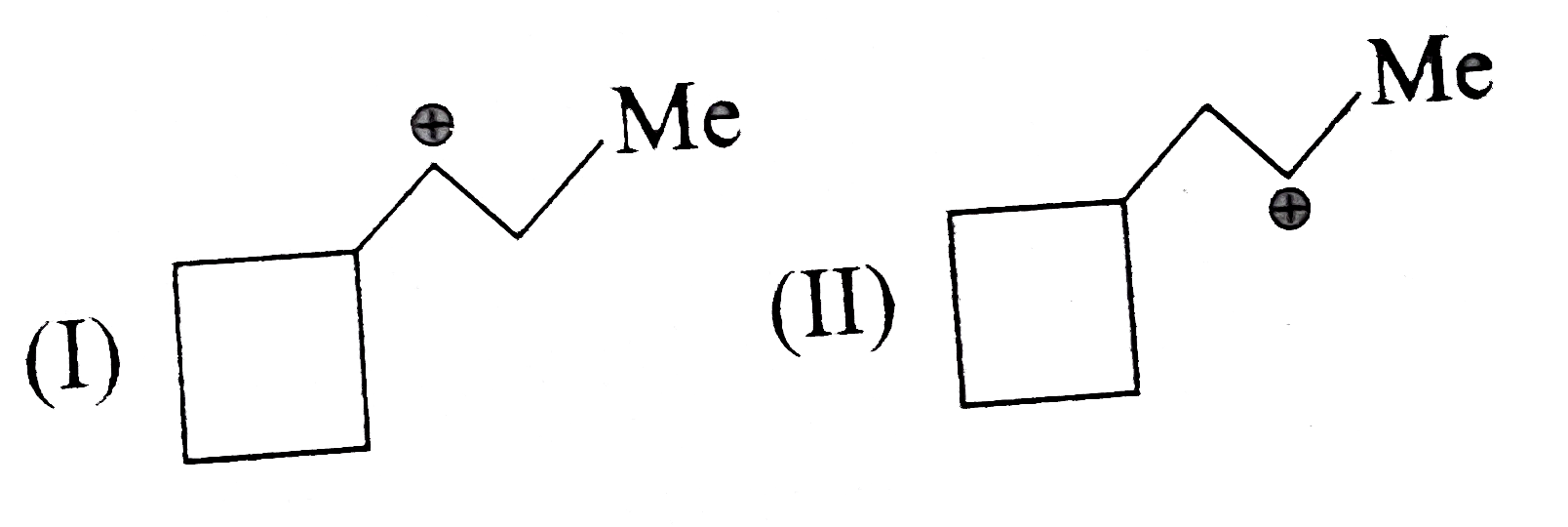
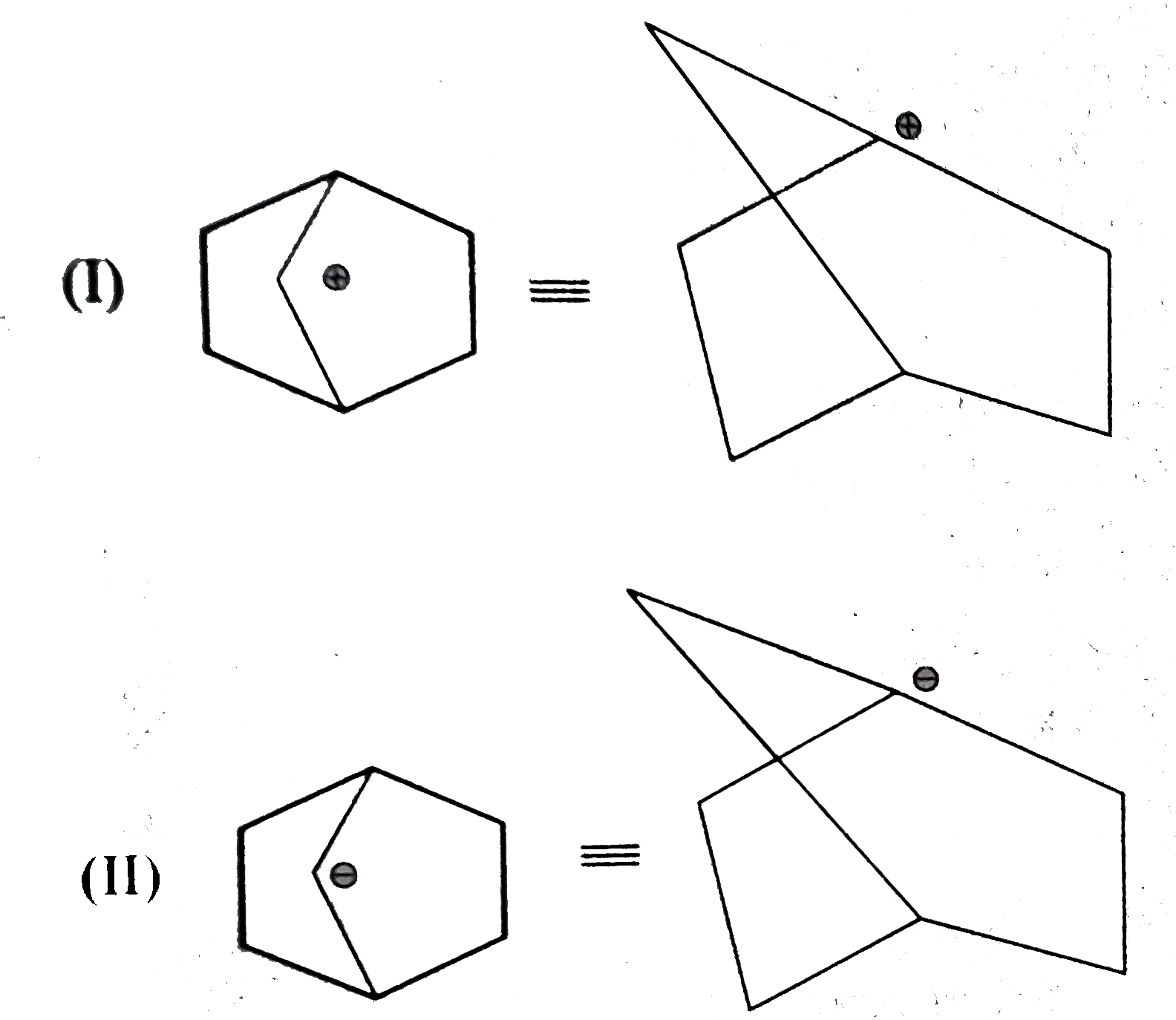
- Give decreasing order of the stabilities of the following :
Text Solution
|
- Arrange the following compounds in the order of increasing boiling poi...
Text Solution
|
- Arrange the compounds of each of the following sub-questions : (a) ...
Text Solution
|
- Arrange the following in the decreasing order of boiling points : (i...
Text Solution
|
- Arrange the following alcohols : (a) In the decreasing order of thei...
Text Solution
|
- Arrange the following alcohols in the decreasing order of reactivity t...
Text Solution
|
- Arrange the following alchols in the decreasing order of their reactiv...
Text Solution
|
- Arrange the following in the decreasing order of acidity : (i) (1) n...
Text Solution
|
- Arrange the following in the order of decreasing basic character : (...
Text Solution
|
- Arrange in decreasing order of basicity. (1) m-BO2-C6H4-NH2 (2) C6...
Text Solution
|
- Compare the acidities of amide (R-underset(O)underset(||)(C)-NH(2)) an...
Text Solution
|
- Which of the following pairs would have higher boiling points ?
Text Solution
|