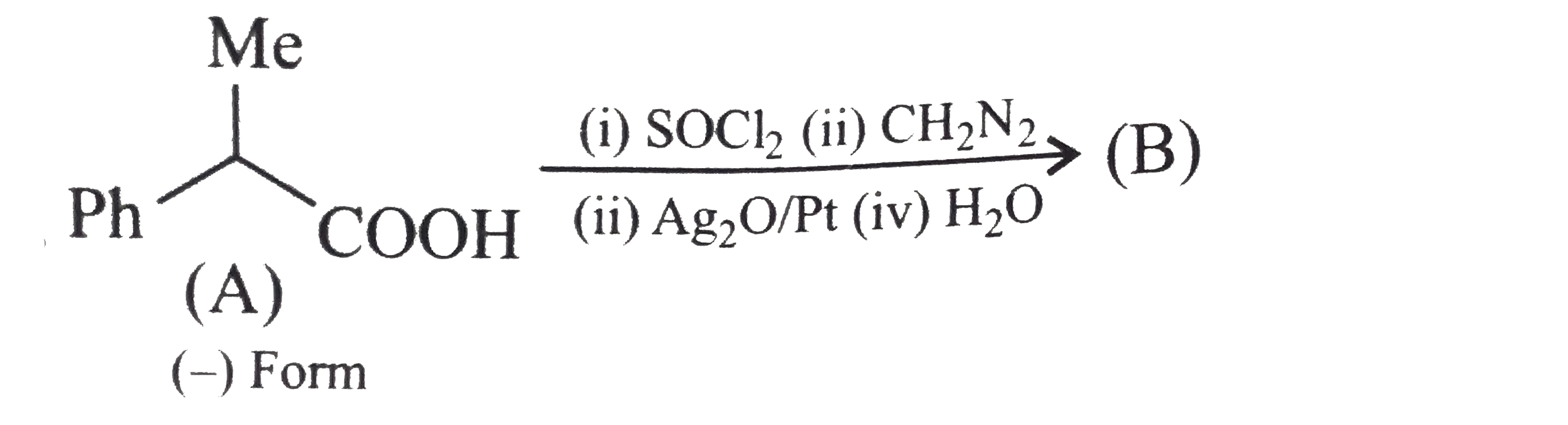
A
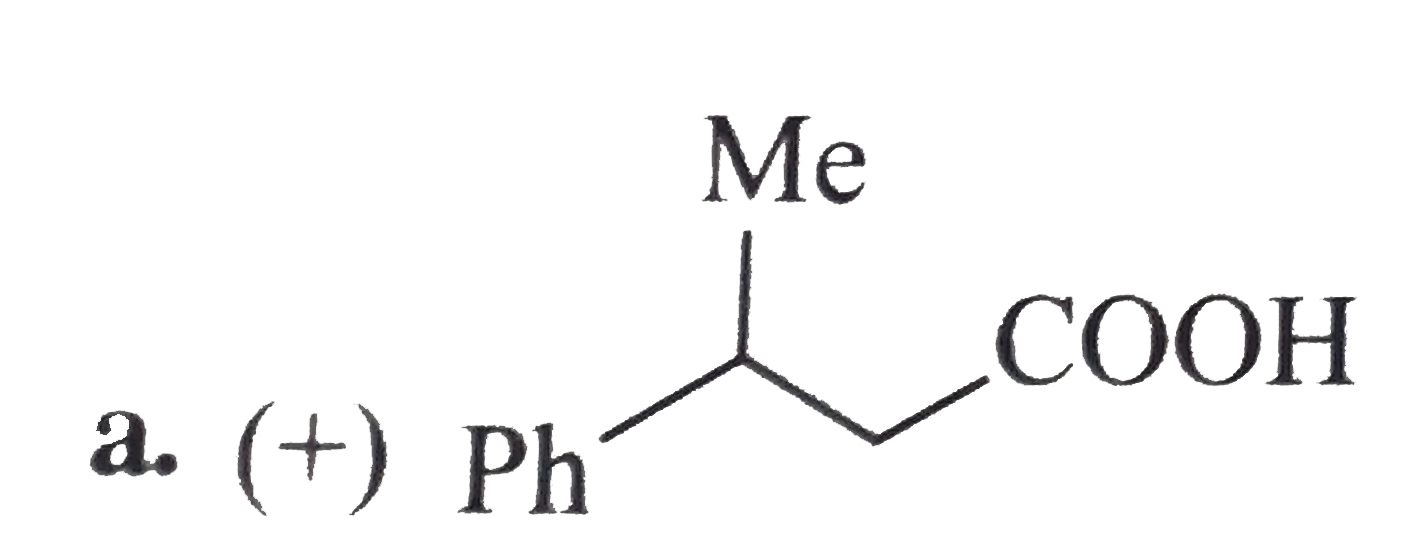
B
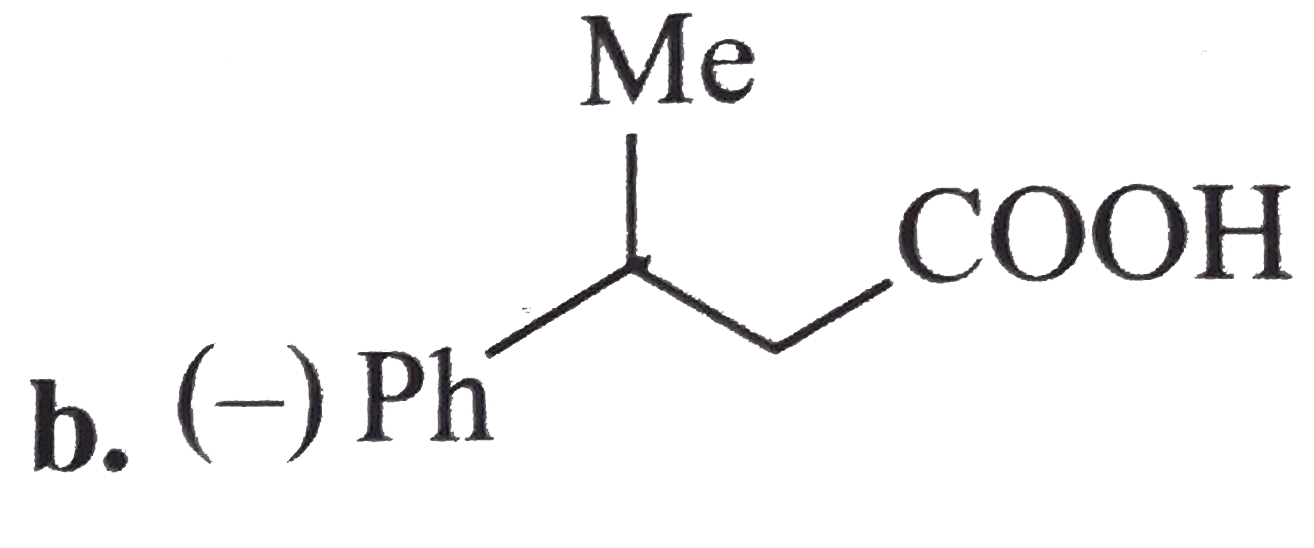
C
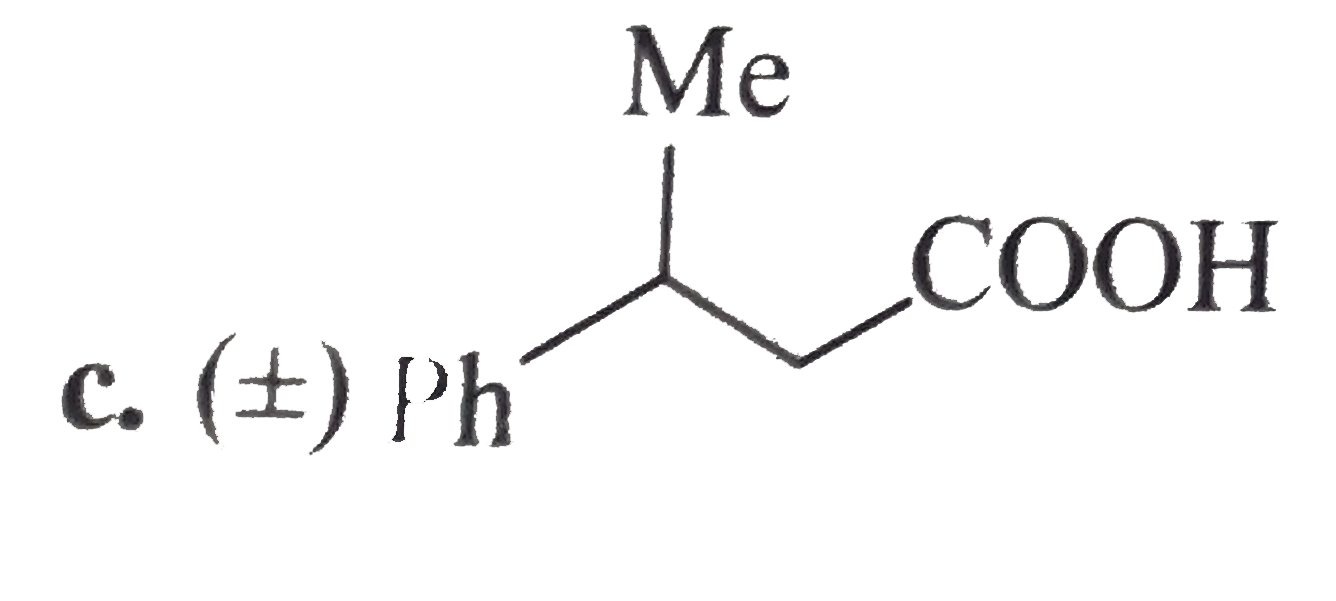
D
Text Solution
Verified by Experts
The correct Answer is:



Topper's Solved these Questions
CARBOXYLIC ACIDS AND THEIR DERIVATIVES
CENGAGE CHEMISTRY|Exercise Exercises (Assertion-Reasoning)|10 VideosCARBOXYLIC ACIDS AND THEIR DERIVATIVES
CENGAGE CHEMISTRY|Exercise Exercises Archives (Single Correct)|10 VideosCARBOXYLIC ACIDS AND THEIR DERIVATIVES
CENGAGE CHEMISTRY|Exercise Exercises (Multiple Correct)|35 VideosBIOMOLECULES, POLYMERS AND CHEMISTRY IN EVERYDAY LIFE
CENGAGE CHEMISTRY|Exercise QUESTION BANK|8 VideosCHEMICAL KINETICS
CENGAGE CHEMISTRY|Exercise Archives Subjective|23 Videos
Similar Questions
Explore conceptually related problems
CENGAGE CHEMISTRY-CARBOXYLIC ACIDS AND THEIR DERIVATIVES-Exercises (Singlecorrect)
- product (B) is :
Text Solution
|
- underset((A))(PhCOOH)underset(underset((ii)Ag(2)O //Pt//MeOH)((ii)CH(2...
Text Solution
|
- Compound (B) is :
Text Solution
|
- underset((A)) (EtCOOMe) overset("(i)" NH2 NH2 "(ii)" HNO2) underset("(...
Text Solution
|
- underset((A))("PhCOOMe") overset("(i)" NH2 OH) underset("(ii)" overset...
Text Solution
|
- Product (B) is :
Text Solution
|
- Which of the following tests would help in the distinction of HCOOH an...
Text Solution
|
- Which of the following does not contain (-COOH) group ?
Text Solution
|
- Acids do not give the characteristic reaction of (C=O) group because o...
Text Solution
|
- The addition of Hbr to CH2 = CHCOOH results in the formation of.
Text Solution
|
- Mark the correct order of increasing reactivity.
Text Solution
|
- CH3COOH overset(Br2//P) rarr (Y) overset((i) KCN) underset((ii) H3 O^...
Text Solution
|
- Westrosol overset(90 %H2 SO4)rarr(X) overset(NH3)rarr (Y). Here, Y is ...
Text Solution
|
- Electrolytic reduction of oxalic acid produces :
Text Solution
|
- When glycolic acid is subjected to reduction with HI, the product form...
Text Solution
|
- When lactic acid is subjected to oxidation with Fenton's reagent, the ...
Text Solution
|
- Which of the following reagents is used for the preparation of citric ...
Text Solution
|
- Treatment of tartaric acid with Fenton's reagent gives :
Text Solution
|
- A hydrocarbon C6 H12 decolourises bromine solution and yields n-hexane...
Text Solution
|
- An organic liquid of the composition C4 H8 O2 yields a sodium salt of ...
Text Solution
|