Text Solution
Verified by Experts



Topper's Solved these Questions
Similar Questions
Explore conceptually related problems
CP SINGH-VECTORS-Excercises
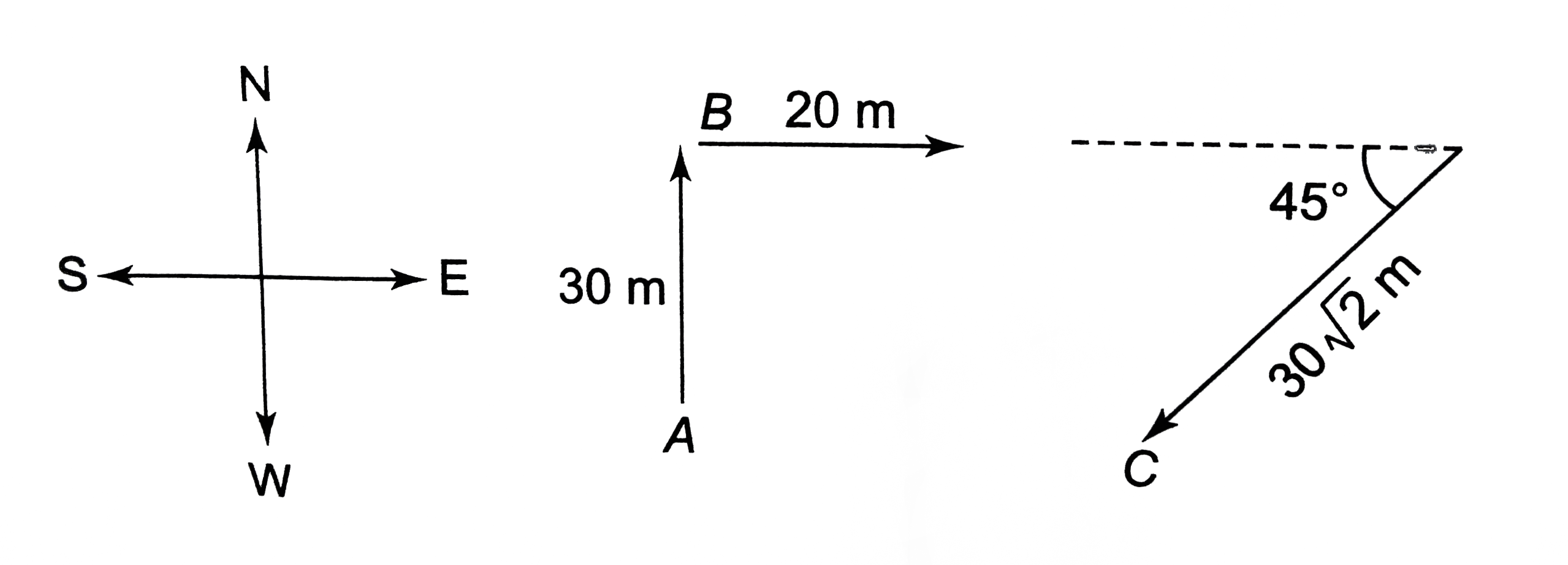
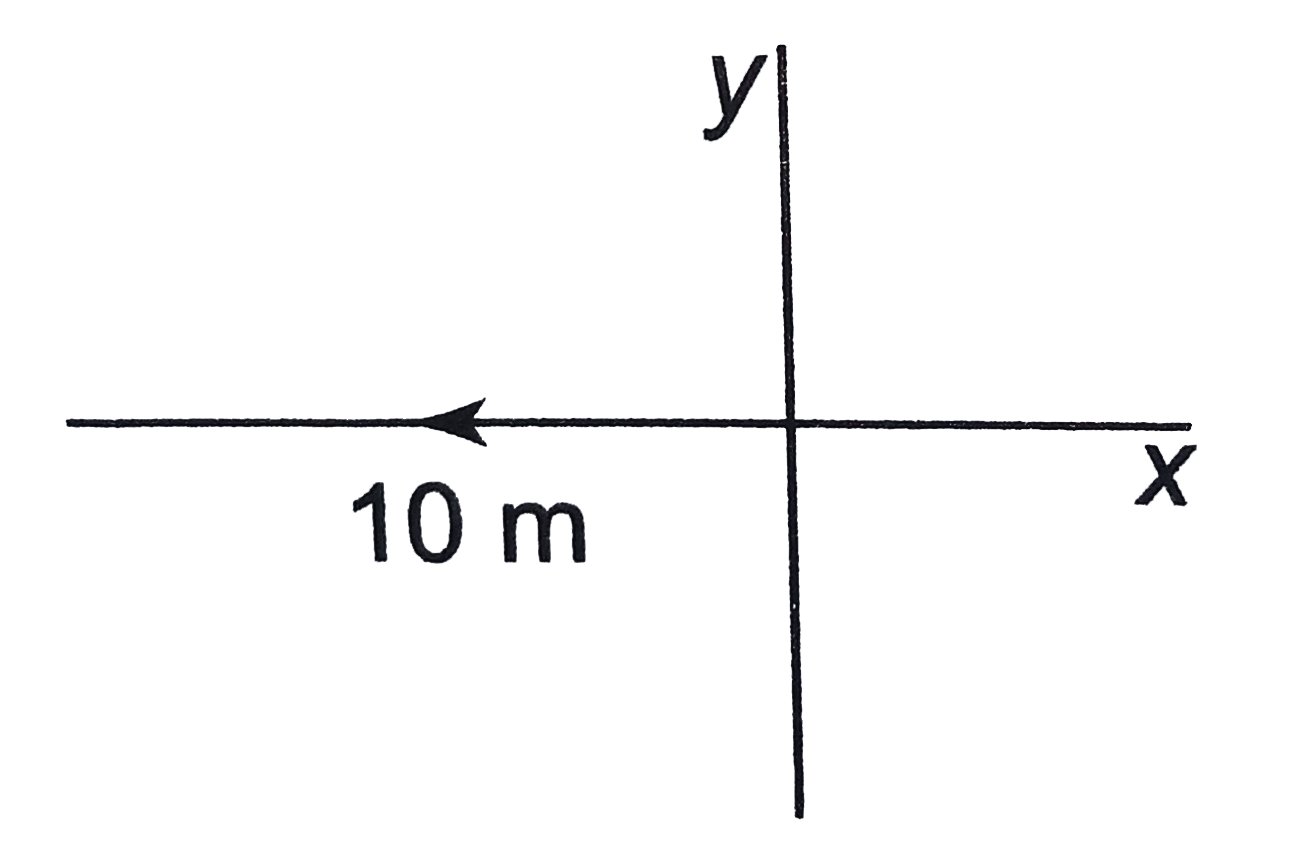
- A person moves 30 m north,, then 20 m towards east and finally 30sqrt(...
Text Solution
|
- A vector is not changed if
Text Solution
|
- Two forces, each of magnitude F have a resultant of the same magnitude...
Text Solution
|
- Two vectors acting through a point are in the ratio 3 : 5. If the angl...
Text Solution
|
- The magnitude of vectros vec A, vec B and vec C are 12, 5 and 13 units...
Text Solution
|
- If vec(A)=vec(B)+vec(C ), and the magnitudes of vec(A),vec(B),vec(C ) ...
Text Solution
|
- Two forces, while acting on particle in opposite directions,have the r...
Text Solution
|
- One of the following forces is double and the other resultant is equal...
Text Solution
|
- Two vectors of magnitude 4 and 6 are acting through a point. If the ma...
Text Solution
|
- The resultant of vecA and vecB makes an angle alpha with vecA and beta...
Text Solution
|
- Which of the sets given below may represent the magnitudes of three ve...
Text Solution
|
- The following sets of three vectors act on a body, whose resultant ...
Text Solution
|
- Three vectors vec(P) , vec(Q) and vec( R) are such that |vec(P)| , |ve...
Text Solution
|
- Three forces 9 , 12 and 15 N acting at a point are in equilibrium . T...
Text Solution
|
- If the resultant of n forces of different magnitudes acting at a point...
Text Solution
|
- Let vec(C )= vec(A)+vec(B) then
Text Solution
|
- Forces of 1 and 2 units act along the lines x = 0 and y = 0. The equ...
Text Solution
|
- The sum of two forces at a point is 16N. if their resultant is normal...
Text Solution
|
- A particle is being acted upon by four forces of 30 N due east , 20 N ...
Text Solution
|
- Six vector vec(a) through vec(f) have the magnitudes and direction ind...
Text Solution
|
- If N-vectors of equal magnitude are acting through a point and angle b...
Text Solution
|