Home
Class 12
CHEMISTRY
Which is correctly matched with IUPAC Na...

Which is correctly matched with IUPAC Name ?

A

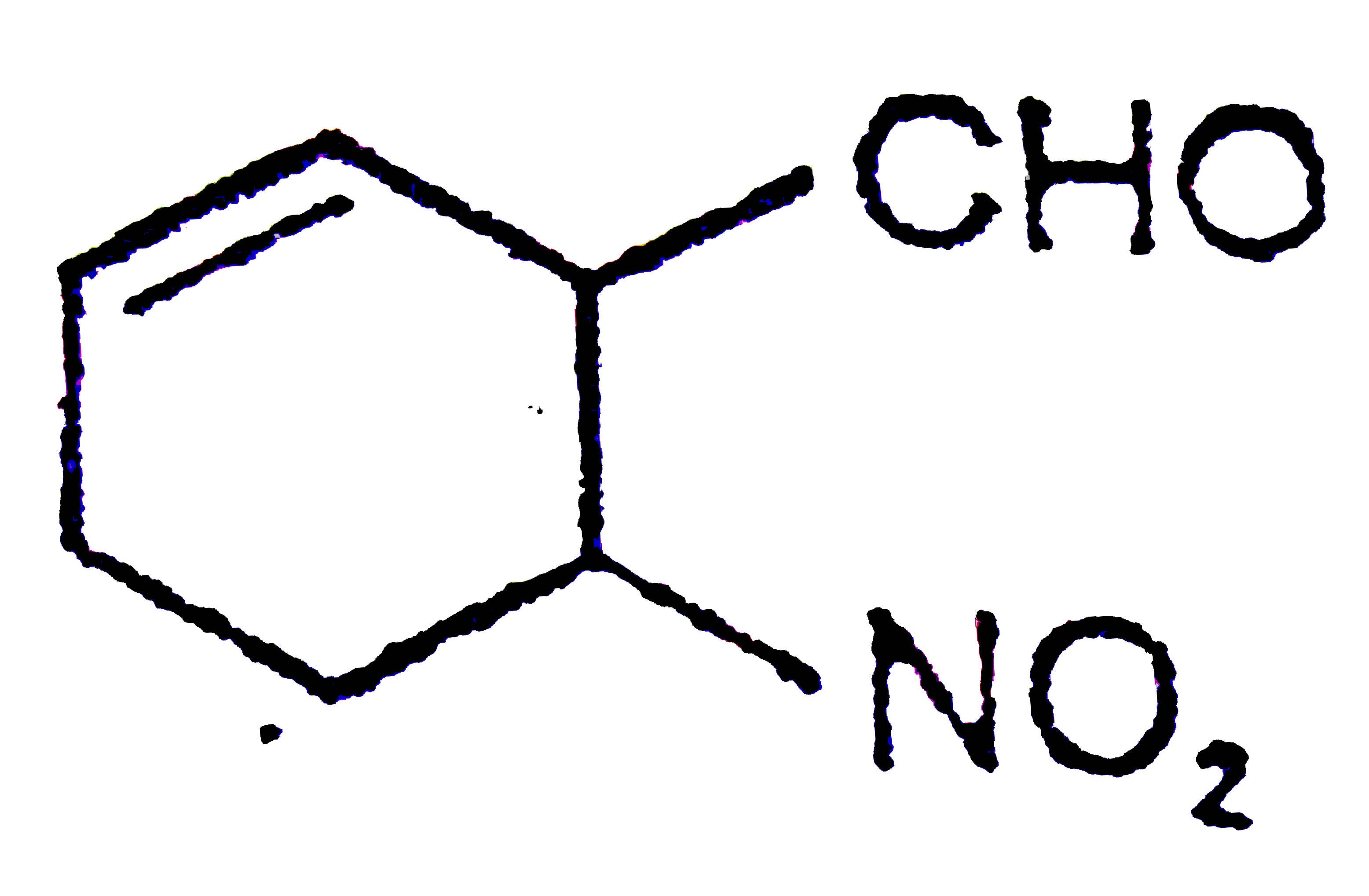
`2-`Nitrocyclohex`-5-`ene`-1-`carbaldehyde
B

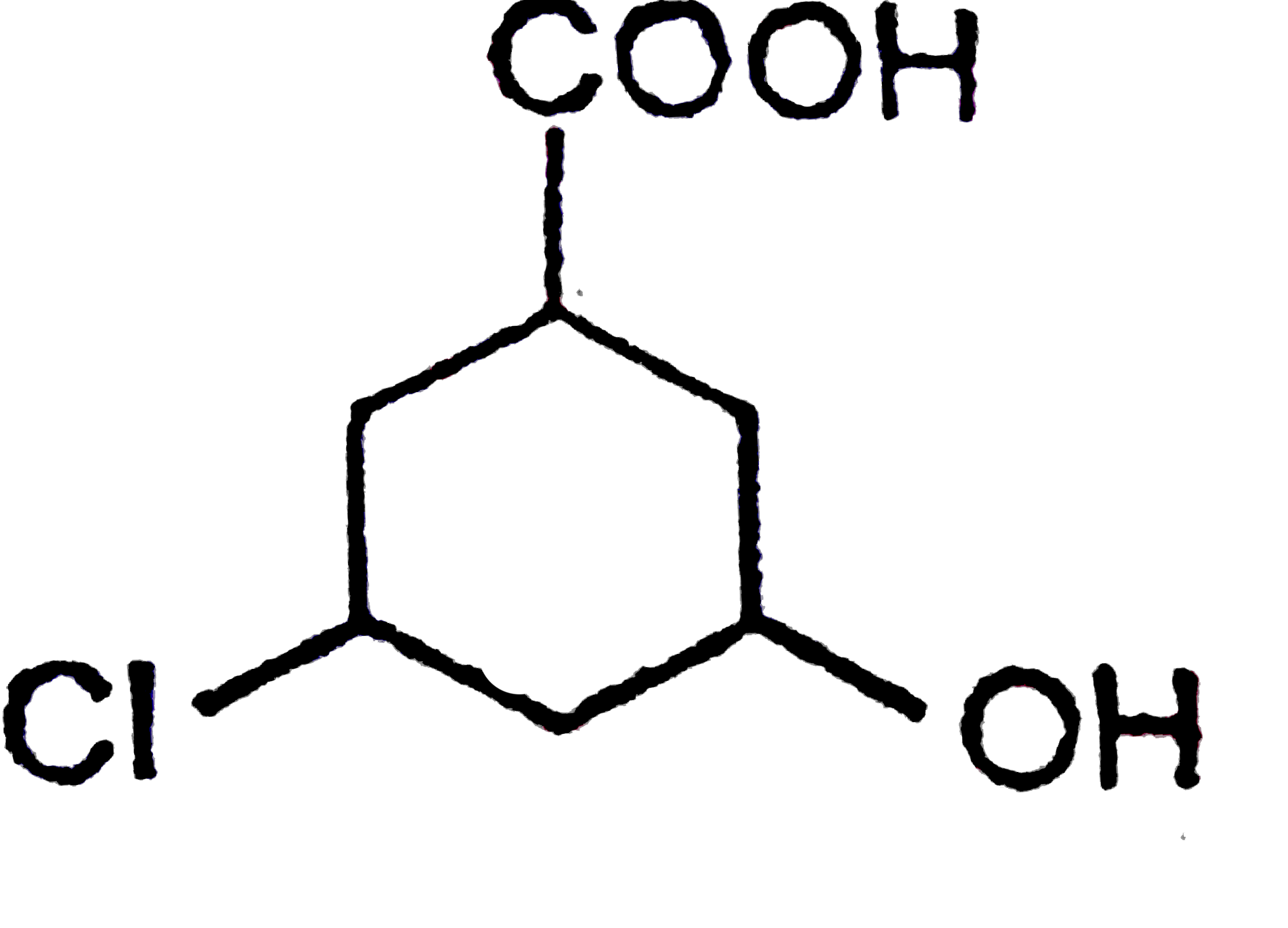
`5-`Chloro`-3-`hydroxycyclohexane`-1-`carboxylic acid
C

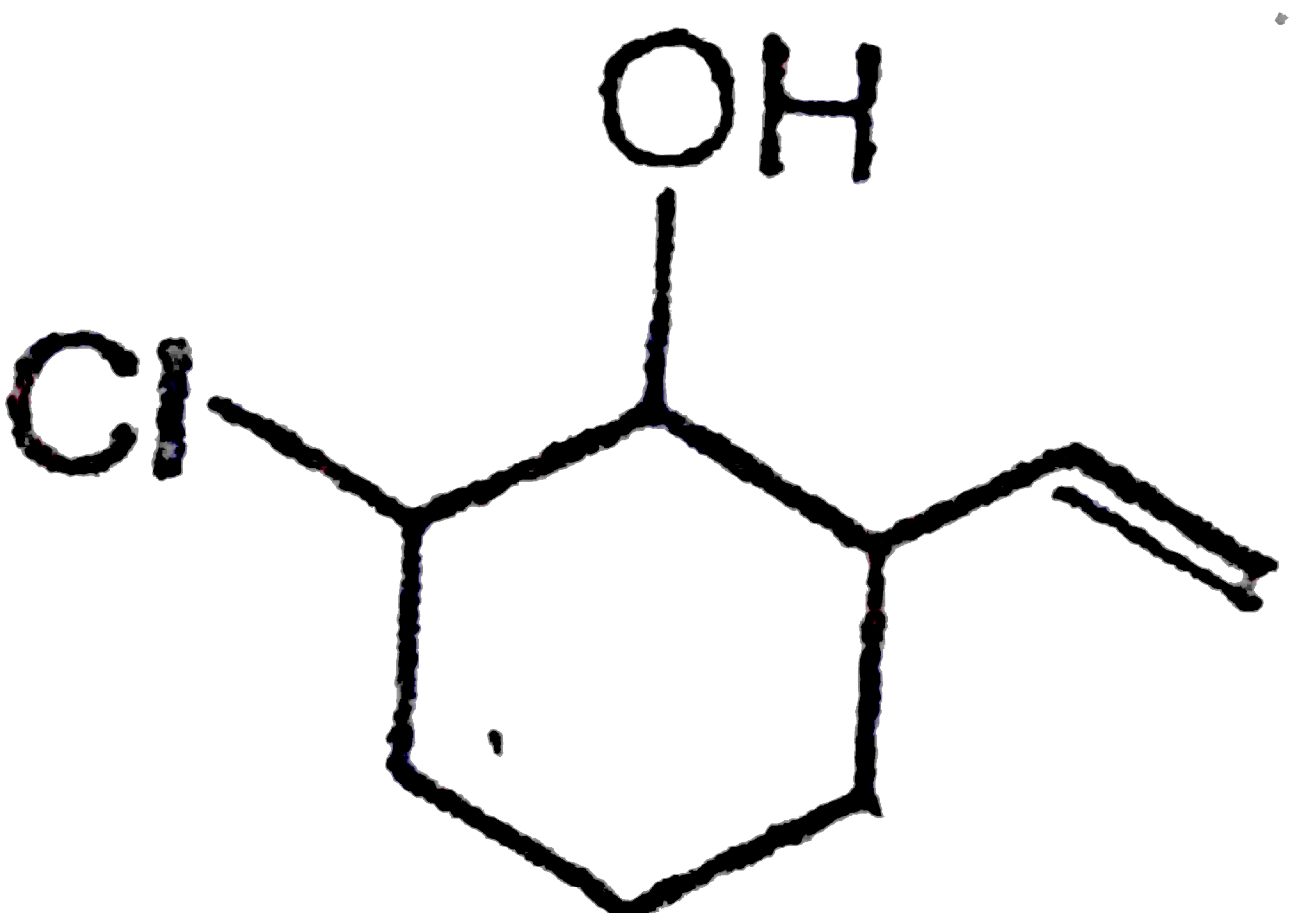
`2-`Ethenyl`-6-`chlorocyclohexanol

D

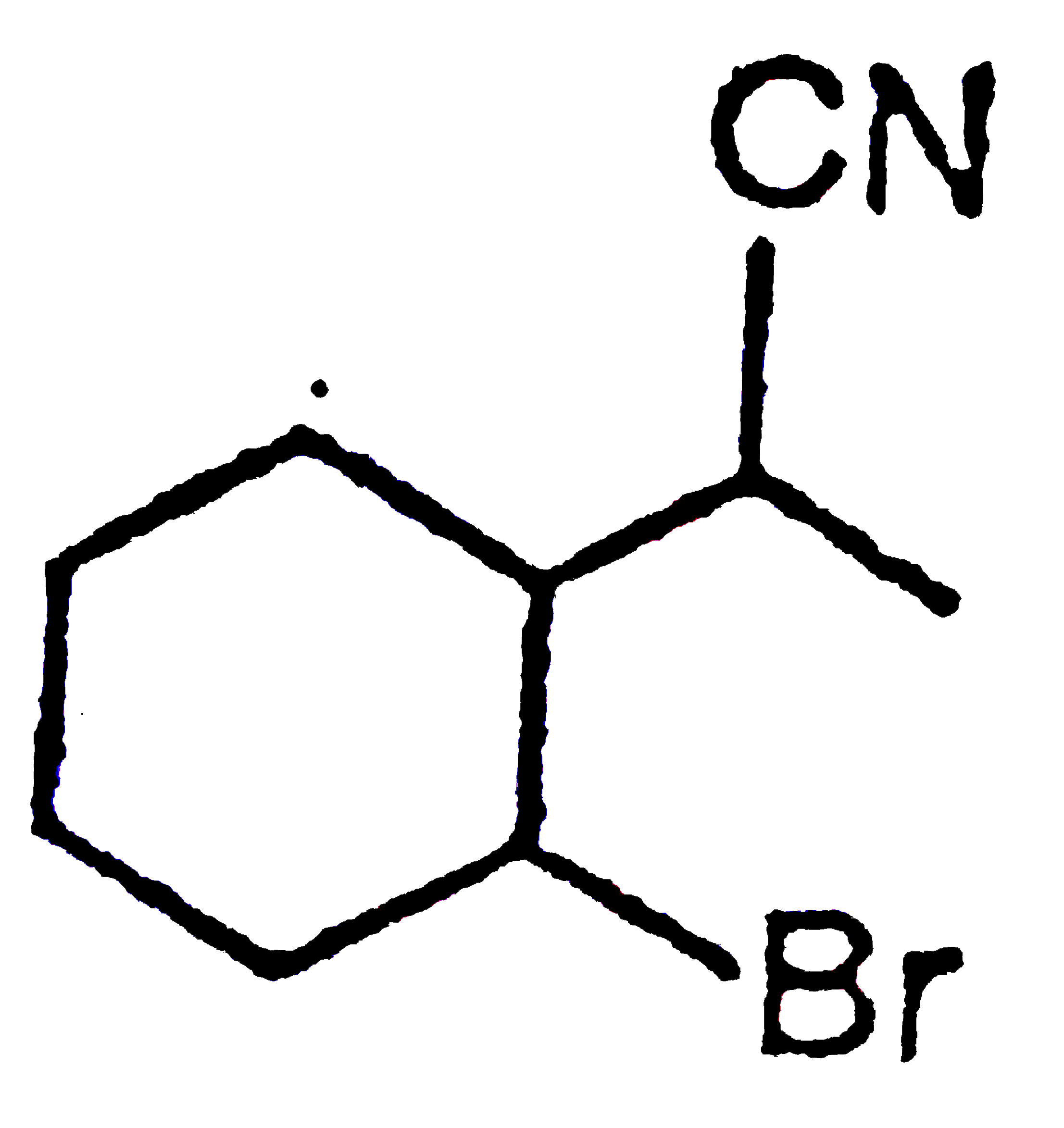
`2-(2-`bromocyclohexyl)propanenitrile

Text Solution

AI Generated Solution

The correct Answer is:
To determine which compound is correctly matched with its IUPAC name, we need to analyze the given options and identify the correct IUPAC nomenclature for the compounds. Here’s a step-by-step solution: ### Step 1: Identify the Compounds We have four compounds with their respective IUPAC names. We need to analyze each compound to see if the IUPAC name corresponds correctly. ### Step 2: Determine the Parent Chain For each compound, identify the longest carbon chain that contains the highest priority functional group. In this case, we are looking for the nitrile group (–C≡N) as the main functional group. ### Step 3: Number the Carbon Chain Number the carbon atoms in the parent chain starting from the end nearest to the functional group to ensure that the functional group gets the lowest possible number. ### Step 4: Identify Substituents Look for any substituents attached to the parent chain. In this case, we have a bromine substituent and a cyclohexyl group. ### Step 5: Assign Numbers to Substituents Assign numbers to the substituents based on their position on the carbon chain. The numbering should be such that the substituents receive the lowest possible numbers. ### Step 6: Write the IUPAC Name Combine the names of the substituents with the name of the parent chain and the functional group. The substituents are listed in alphabetical order, and their positions are indicated by the numbers assigned. ### Step 7: Compare with Given Options Now, compare the IUPAC name you derived with the names provided in the options. ### Conclusion After analyzing the compound as described, we find that the correct IUPAC name is **2,2-bromo-cyclohexyl-propane-nitrile**, which corresponds to option D.

To determine which compound is correctly matched with its IUPAC name, we need to analyze the given options and identify the correct IUPAC nomenclature for the compounds. Here’s a step-by-step solution: ### Step 1: Identify the Compounds We have four compounds with their respective IUPAC names. We need to analyze each compound to see if the IUPAC name corresponds correctly. ### Step 2: Determine the Parent Chain For each compound, identify the longest carbon chain that contains the highest priority functional group. In this case, we are looking for the nitrile group (–C≡N) as the main functional group. ...
Promotional Banner

Topper's Solved these Questions

  • AROMATIC COMPOUNDS

    RESONANCE|Exercise Part - III Practice Test-22|1 Videos
  • BIOMOLECULES

    RESONANCE|Exercise Advanced Level(Part II)|33 Videos

Similar Questions

Explore conceptually related problems

Which of the following compound is correctly matched with its IUPAC name?

RESONANCE-BASIC CONCEPTS-ORGANIC CHEMISTRY(BASIC CONCEPTS)
  1. Which cannot show geometrical isomerism ?

    Text Solution

    |

  2. The following compounds can be distinguished by

    Text Solution

    |

  3. Total acyclic optically active isomers of C(3)H(2)D(2) are :

    Text Solution

    |

  4. Identify the compound and find the relation between them .

    Text Solution

    |

  5. Correct IUPAC name of the compound is NH(2)-underset(HOOC)underset(|...

    Text Solution

    |

  6. How many structural isomers containing a benzene ring are possible for...

    Text Solution

    |

  7. Which of the following statement is incorrect ?

    Text Solution

    |

  8. Which of the following species can not exhibit geometrical isomerism ?

    Text Solution

    |

  9. The stereochemical formula of diastereomer 'Y' of optically active com...

    Text Solution

    |

  10. Which is correctly matched with IUPAC Name ?

    Text Solution

    |

  11. Which compound racemises ( looses optical activity ) due to tautomeris...

    Text Solution

    |

  12. In which compund D- exchange is possible in presence of OD^(-) // D(2)...

    Text Solution

    |

  13. Compound C(5)H(10) (A)underset((2) Me(2)S//H(2)O)overset((1)O(3))rarrB...

    Text Solution

    |

  14. Correct name for the following compound is : Cl-CH(2)-overset(O)over...

    Text Solution

    |

  15. Which is the suitable reagent for the following conversion. Acetone ...

    Text Solution

    |

  16. Which statement is correct for the given reaction :

    Text Solution

    |

  17. A research scholar get a mixture of three product during an experiment...

    Text Solution

    |

  18. When a nitrogen containing organic compound is strongly heated with co...

    Text Solution

    |

  19. The lower boiling isomer of the W is W underset(ZnH(2)O)overset(O(3)...

    Text Solution

    |

  20. Which of the following compound has non superimposable mirror image -

    Text Solution

    |