A
B
C
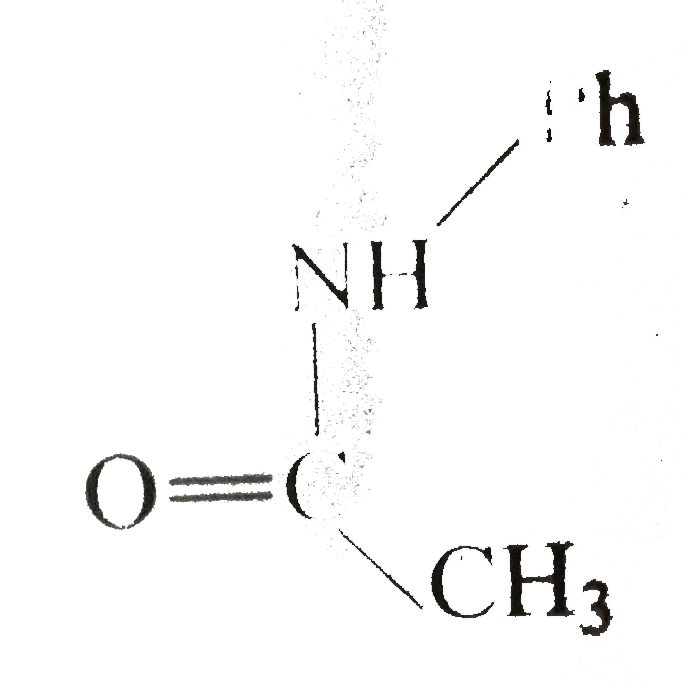
D
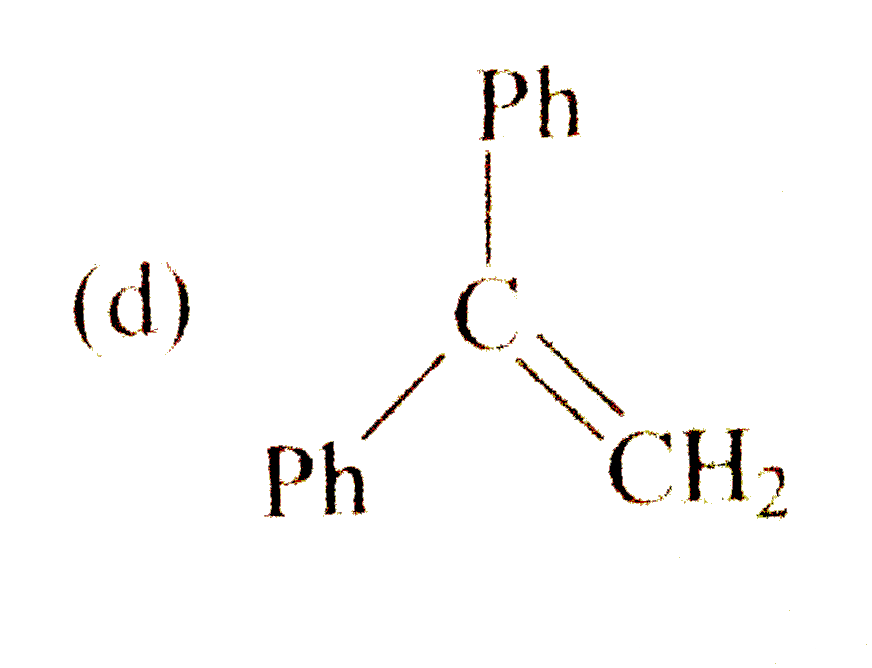
Text Solution
Verified by Experts
The correct Answer is:



Topper's Solved these Questions
AMINES
HIMANSHU PANDEY|Exercise Match The Column|9 VideosAMINES
HIMANSHU PANDEY|Exercise Integer Answer Type Problems|5 VideosAMINES
HIMANSHU PANDEY|Exercise More Than One Correct (Q.26 To Q.30)|5 VideosALCOHOLS AND ETHERS
HIMANSHU PANDEY|Exercise Subjective Type Problems|10 VideosAROMATIC HYDROCARBONS
HIMANSHU PANDEY|Exercise Subjective Type Problems|9 Videos
Similar Questions
Explore conceptually related problems
HIMANSHU PANDEY-AMINES-Linked Comprehension Type
- The conversion of an amide by reaction NaOH and Br(2) to primary amine...
Text Solution
|
- The conversion of an amide by reaction NaOH and Br(2) to primary amine...
Text Solution
|
- The conversion of an amide by reaction NaOH and Br(2) to primary amine...
Text Solution
|
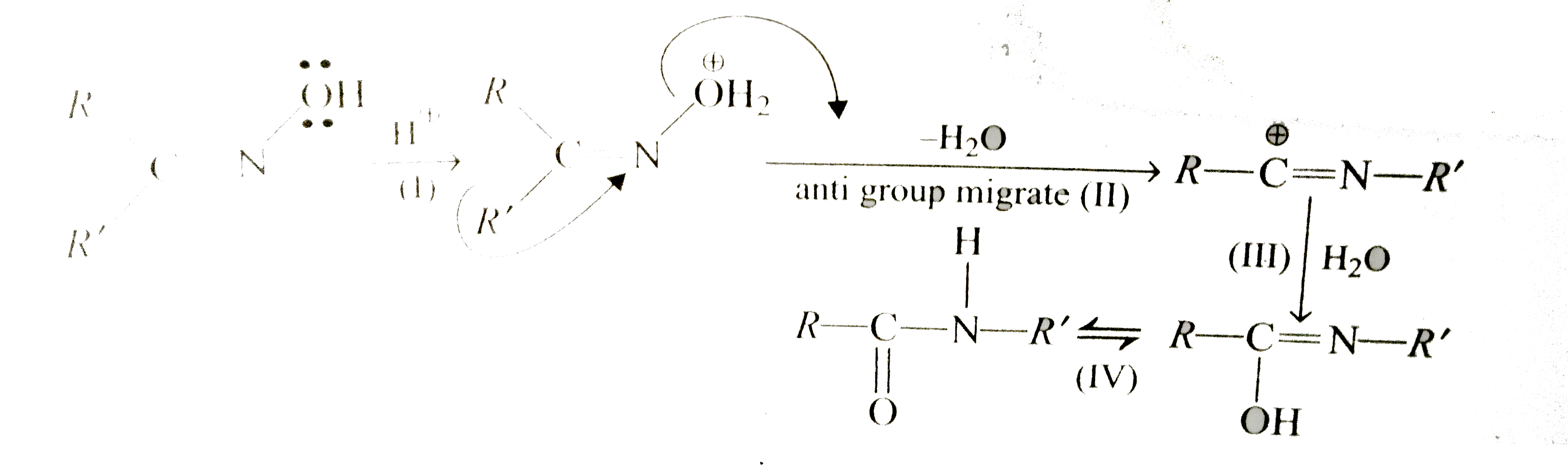
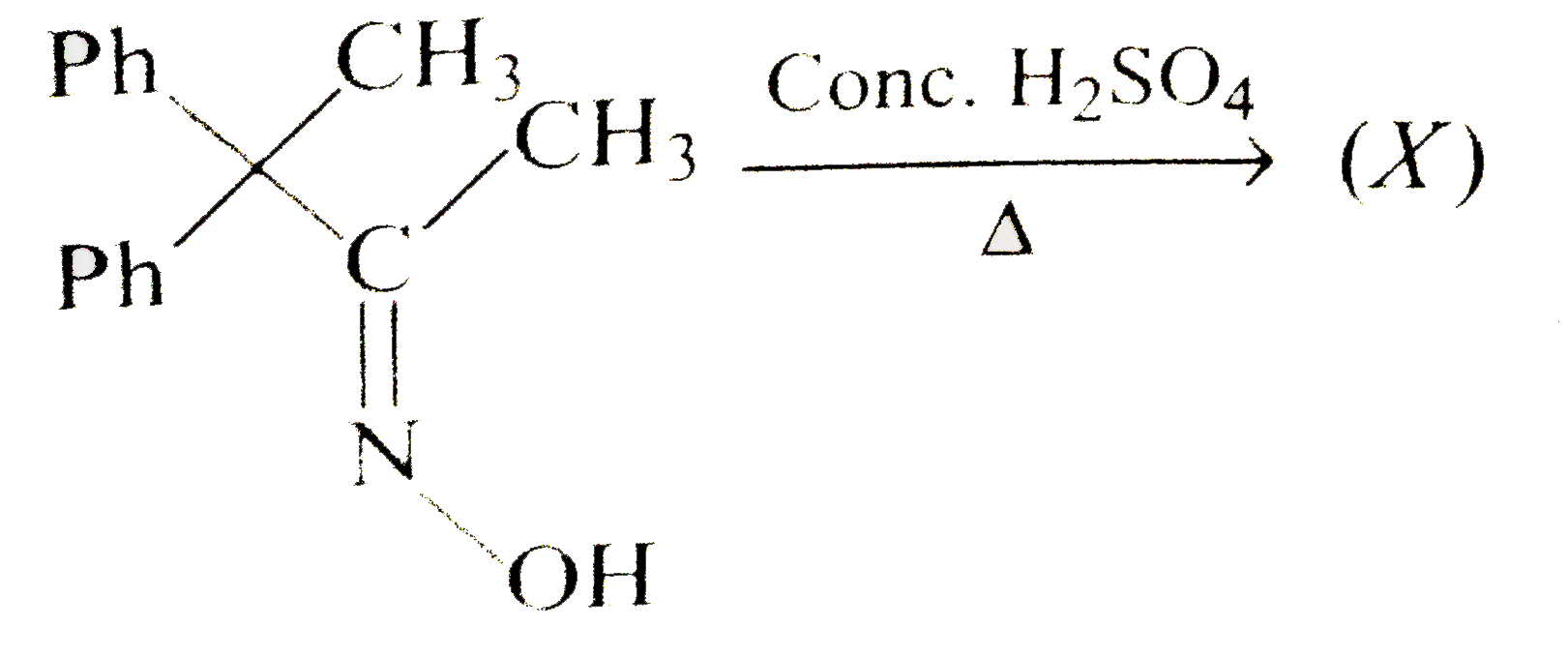
- Ketoxime when heated with certain reagents undergoes rearrangement to ...
Text Solution
|
- Ketoxime when heated with certain reagents undergoes rearrangement to ...
Text Solution
|
- Ketoxime when heated with certain reagents undergoes rearrangement to ...
Text Solution
|
- Which of the following amines cannot be prepared by path-I?
Text Solution
|
- Consider path II, choose the major product for 1 and 2:
Text Solution
|
- In the path I, if then the amine finally formed is :
Text Solution
|
- An organic compound 'A' has molecular formula C(9)H(13)NO and it can b...
Text Solution
|
- An organic compound 'A' has molecular formula C(9)H(13)NO and it can b...
Text Solution
|
- An organic compound 'A' has molecular formula C(9)H(13)NO and it can b...
Text Solution
|
- When an primary aromatic amine is treated with NaNO(2)+HCI at 0^(@)-5^...
Text Solution
|
- When an primary aromatic amine is treated with NaNO(2)+HCI at 0^(@)-5^...
Text Solution
|
- When an primary aromatic amine is treated with NaNO(2)+HCI at 0^(@)-5^...
Text Solution
|