

Home
Class 11
CHEMISTRY
Which of the following is the most react...

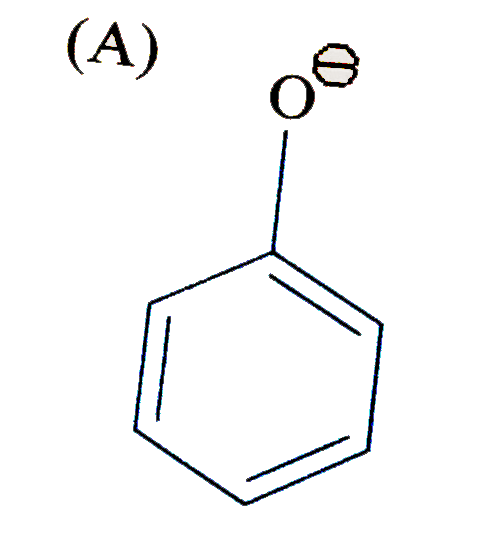
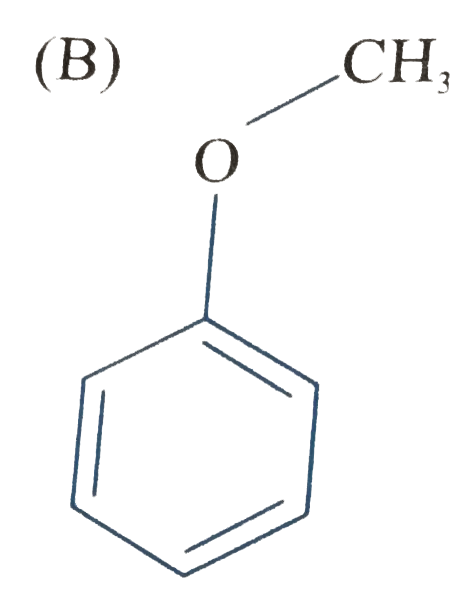
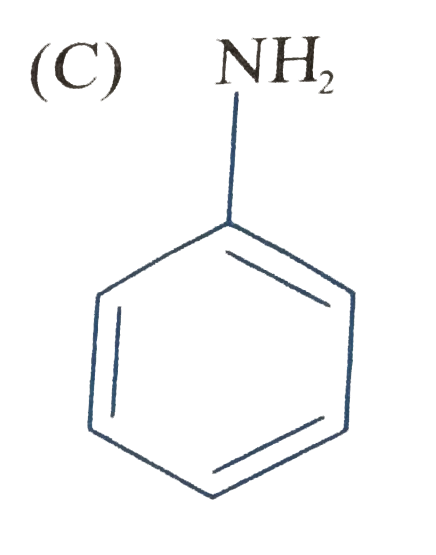
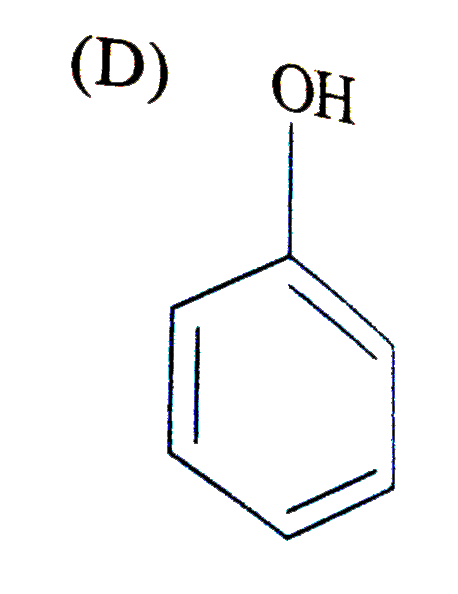
Which of the following is the most reactive towards eklectrophilic aromatic substitution?

A

B

C

D

Text Solution

AI Generated Solution

The correct Answer is:
To determine which of the given compounds is the most reactive towards electrophilic aromatic substitution (EAS), we need to analyze the activating effects of the substituents on the benzene ring. Here’s a step-by-step solution: ### Step 1: Understand Electrophilic Aromatic Substitution (EAS) Electrophilic aromatic substitution is a reaction where an electrophile replaces a hydrogen atom on an aromatic ring. The reactivity of the aromatic compound towards EAS depends on the nature of the substituents already present on the ring. **Hint:** Remember that electron-donating groups increase the electron density of the ring, making it more reactive towards electrophiles. ### Step 2: Identify the Substituents Consider the substituents provided in the options (for example, -O⁻, -OH, -NH₂, etc.). Each of these groups has different effects on the electron density of the benzene ring. **Hint:** Look for groups that can donate electron density to the aromatic ring. ### Step 3: Analyze the Effects of Each Substituent 1. **O⁻ (Phenoxide ion):** This group has a negative charge, which significantly increases the electron density on the benzene ring, making it highly reactive towards electrophiles. 2. **-OH (Hydroxyl group):** This group is an electron-donating group due to resonance, but it is less activating than O⁻ because it does not carry a negative charge. 3. **-NH₂ (Amino group):** Similar to -OH, the amino group can donate electron density through resonance, but it is still less effective than the phenoxide ion. **Hint:** Compare the electron-donating abilities of each group. The more electron-rich the ring, the more reactive it will be towards EAS. ### Step 4: Determine the Most Reactive Group Among the groups analyzed: - The **O⁻ (Phenoxide ion)** is the most reactive due to its strong electron-donating ability from the negative charge. - The **-OH and -NH₂** groups are activating but not as strong as O⁻. **Hint:** The presence of a negative charge on a substituent typically indicates a stronger activating effect than neutral groups. ### Conclusion The most reactive group towards electrophilic aromatic substitution is the **O⁻ (Phenoxide ion)** due to its high electron density and strong activating effect. **Final Answer:** O⁻ (Phenoxide ion) is the most reactive towards electrophilic aromatic substitution.

To determine which of the given compounds is the most reactive towards electrophilic aromatic substitution (EAS), we need to analyze the activating effects of the substituents on the benzene ring. Here’s a step-by-step solution: ### Step 1: Understand Electrophilic Aromatic Substitution (EAS) Electrophilic aromatic substitution is a reaction where an electrophile replaces a hydrogen atom on an aromatic ring. The reactivity of the aromatic compound towards EAS depends on the nature of the substituents already present on the ring. **Hint:** Remember that electron-donating groups increase the electron density of the ring, making it more reactive towards electrophiles. ### Step 2: Identify the Substituents ...
Promotional Banner

Topper's Solved these Questions

Similar Questions

Explore conceptually related problems

Which of the following is most reactive towards electrophillic aromatic substitution for halogen ?

Which of the following is the most reactive towards electrophilic attack ?

Which of the following is most reactive towards H_2 ?

Which of the following is most reactive toward SNAr :

Which of the following is the most reactive towards electrophilic substitution?

Which of the following compounds is most reactive in electrophilic aromatic substitution?