Home
Class 12
CHEMISTRY
Which one of the following is most stabl...

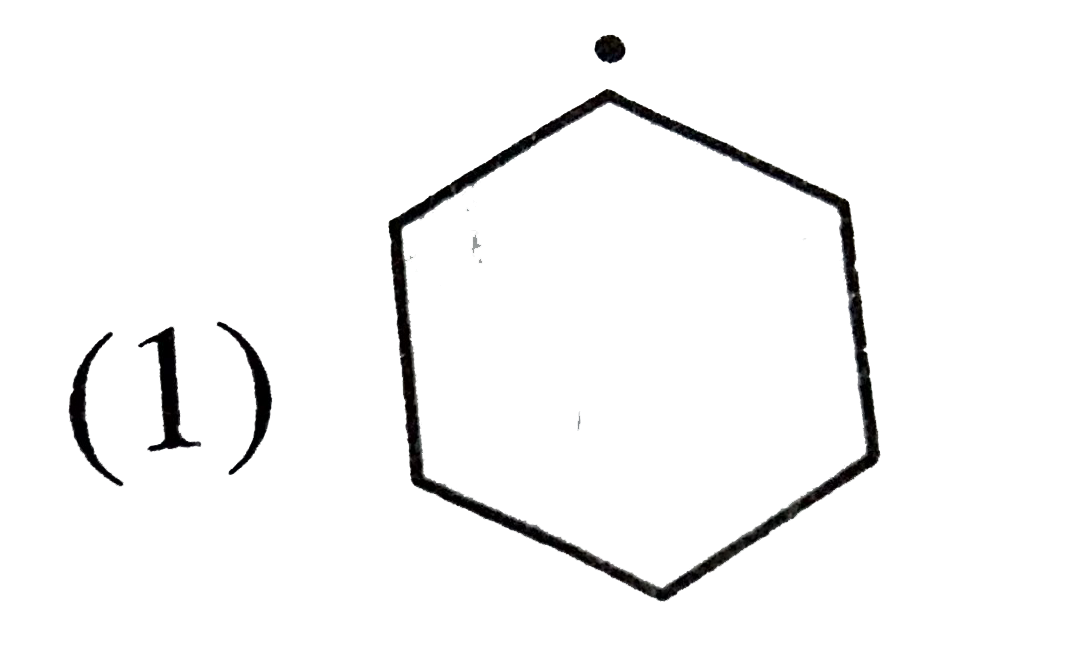
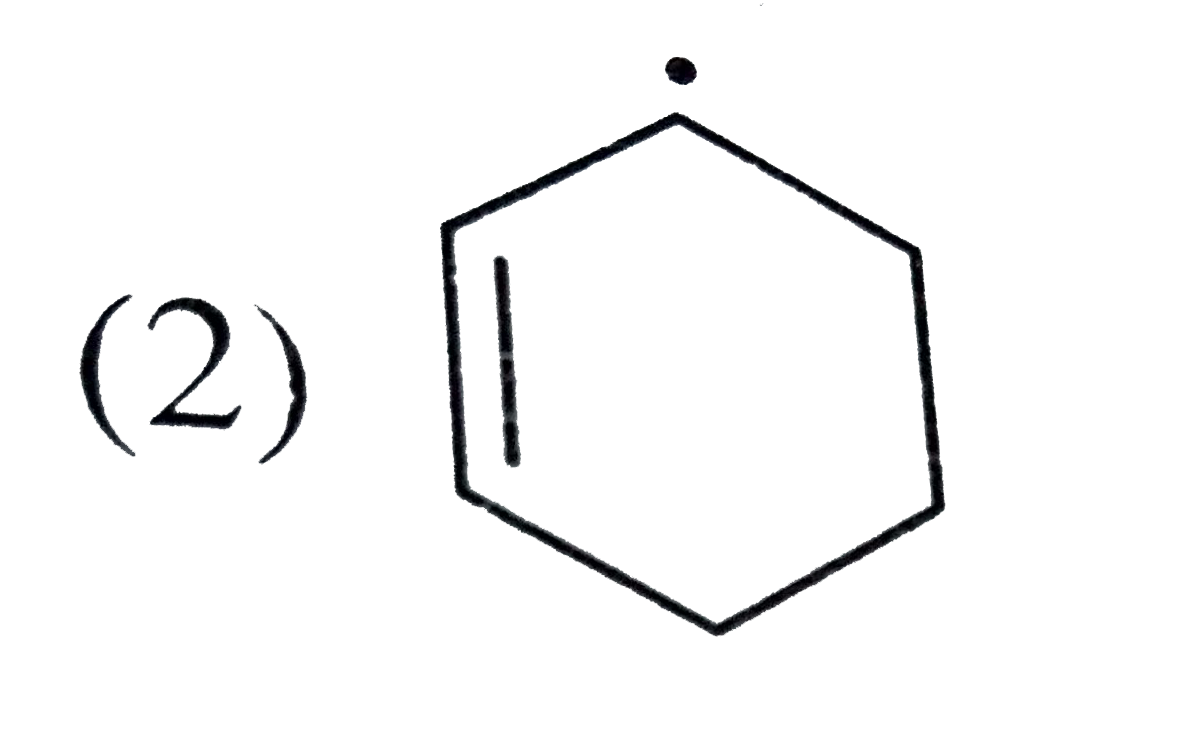
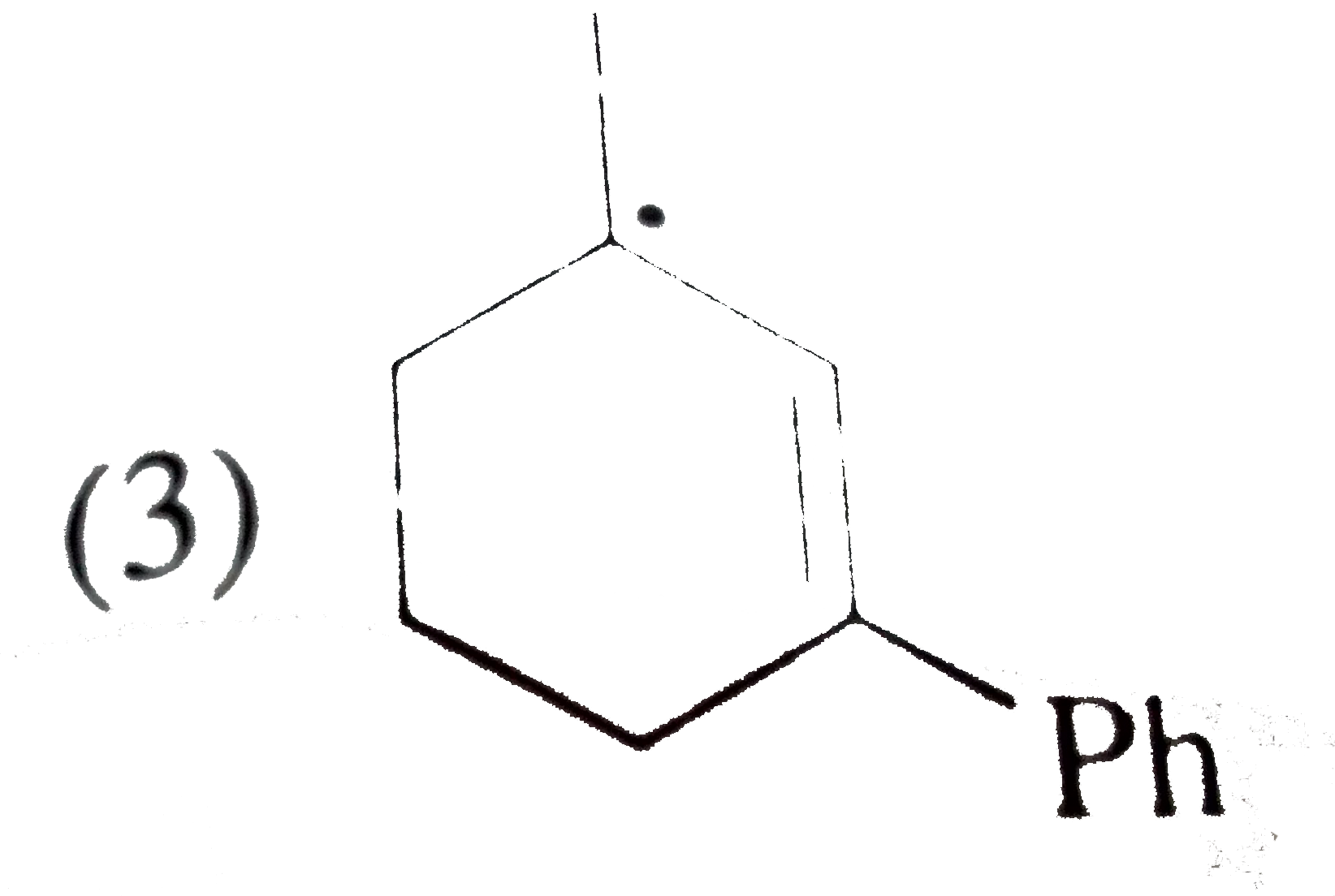
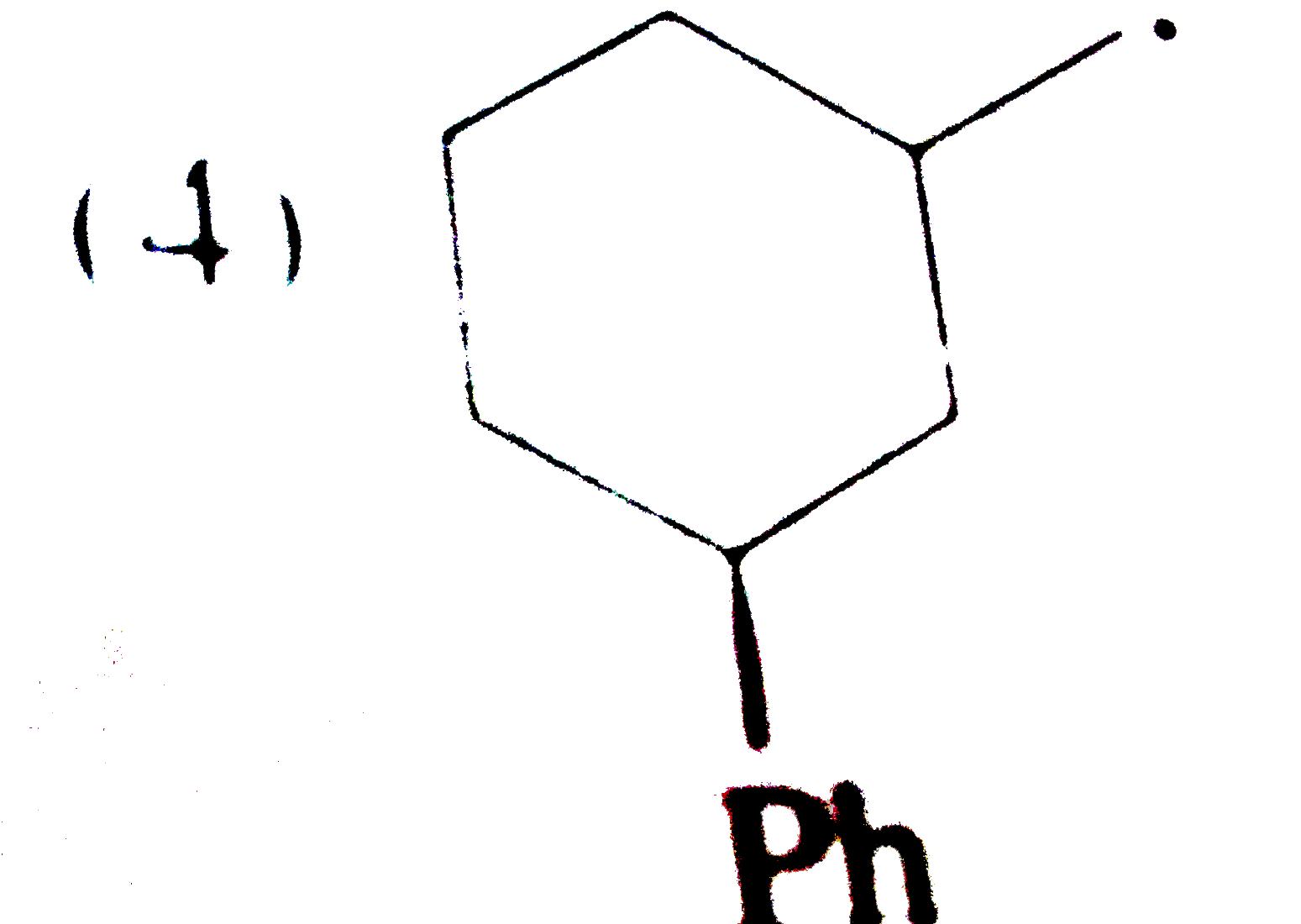
Which one of the following is most stable

A

B

C

D

Text Solution

AI Generated Solution

The correct Answer is:

To determine which of the given options represents the most stable free radical, we can follow these steps: ### Step 1: Analyze Each Option - **Option 1**: This option has a primary free radical. Primary radicals are generally less stable due to the lack of alkyl groups that can donate electron density. - **Option 2**: This option shows a free radical that is adjacent to a double bond, allowing for some resonance stabilization. However, it is still not as stable as higher-degree radicals. - **Option 3**: This option features a tertiary free radical, which is inherently more stable due to the presence of three alkyl groups that can donate electron density. Additionally, it has a phenyl ring that can provide extended resonance stabilization. - **Option 4**: This option is another primary radical with no resonance or additional stabilization, making it less stable. ### Step 2: Compare Stability Factors - Tertiary radicals (like in Option 3) are more stable than secondary and primary radicals due to hyperconjugation and inductive effects from surrounding alkyl groups. - Resonance can significantly stabilize radicals, as seen in Option 2, but it does not compensate for the inherent stability of a tertiary radical. ### Step 3: Conclusion After analyzing the stability factors of each option, we conclude that **Option 3** is the most stable free radical due to its tertiary nature and the additional resonance stabilization from the phenyl ring. ### Final Answer The most stable free radical among the given options is **Option 3**. ---
Promotional Banner

Topper's Solved these Questions

  • CHEMISTRY AT A GLANCE

    ALLEN|Exercise INORGANIC CHEMISTRY|300 Videos
  • Chemical Equilibrium

    ALLEN|Exercise All Questions|24 Videos
  • ELECTROCHEMISTRY

    ALLEN|Exercise EXERCISE -05 [B]|38 Videos

Similar Questions

Explore conceptually related problems

Which one of the follwing is most stable ?

Which of the following is most stable ?

Which of the following is most stable ?

Which of the following is most stable ?

Which of the following is most stable ?

ALLEN-CHEMISTRY AT A GLANCE-ORGANIC CHEMISTRY
  1. In which of the following C-Cl Bond ionisation shall give most stable ...

    Text Solution

    |

  2. Which of the following is most basic

    Text Solution

    |

  3. Which one of the following is most stable

    Text Solution

    |

  4. Which of the following is insoluble in NaHCO(3) ?

    Text Solution

    |

  5. Which is the correct decreasing order of basic strength in aqueous med...

    Text Solution

    |

  6. Which of the following is correct order of acidic strength

    Text Solution

    |

  7. Correct order of basic strength in gas phase is (I) CH(3)-NH(2) (II...

    Text Solution

    |

  8. Which carbocation is most stable

    Text Solution

    |

  9. Which of the following group has maximum hyper conjugation effect but ...

    Text Solution

    |

  10. What is the correct order of decreasing stability of the following cat...

    Text Solution

    |

  11. Phenol and carboxylic acid can be distinguished by

    Text Solution

    |

  12. Arrange the following in order of their leaving group tendency ? un...

    Text Solution

    |

  13. Arrange the following in order of their decreasing acidic strength ?

    Text Solution

    |

  14. Arreange the following towards their reactivity for ESR

    Text Solution

    |

  15. Arrange the following in order of their decreasing basic strength

    Text Solution

    |

  16. Arrange the following in decreasing order of their C=C bond length

    Text Solution

    |

  17. Arrange the following in order of their reactivity towords nitration

    Text Solution

    |

  18. Which of the following carbocation is maximum stable

    Text Solution

    |

  19. Which of the following is strongest acid among following

    Text Solution

    |

  20. Which of the following is not an electrophile

    Text Solution

    |
