Text Solution
Verified by Experts
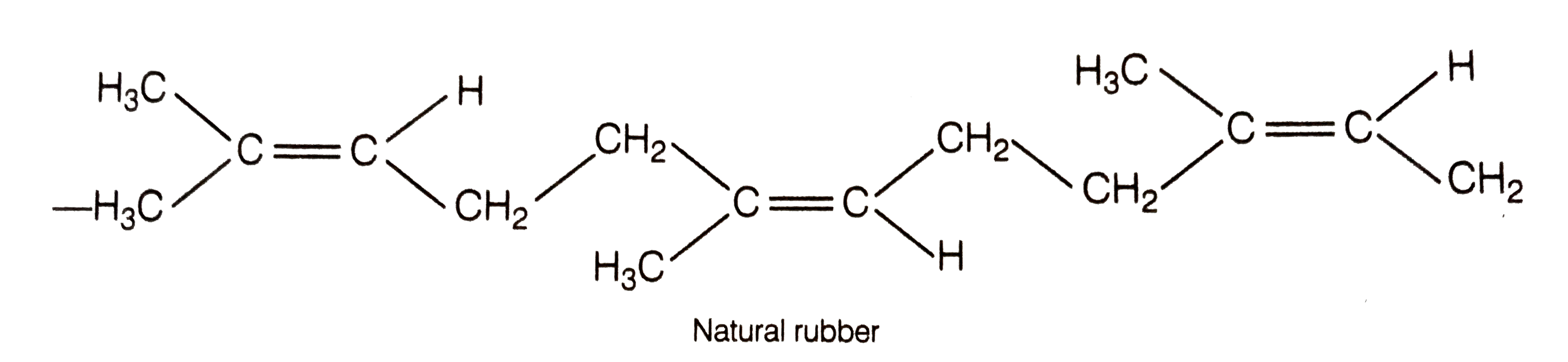



Topper's Solved these Questions
Similar Questions
Explore conceptually related problems
NCERT EXEMPLAR-POLYMER-Polymer
- Match the polymer of column I with correct monomer of column II
Text Solution
|
- Match the polymer given in Column I with their chemical names given in...
Text Solution
|
- Match the polymers given in column I with their commerical names given...
Text Solution
|
- Match the polymers given in column I with their main applications give...
Text Solution
|
- Match the polymers given in column I with the preferred mode of polyme...
Text Solution
|
- Match the polymers given in column I with the type of linkage present ...
Text Solution
|
- Match materials given in column I with the polymers given in column II
Text Solution
|
- Match the polymers given in column I with their repeating units given ...
Text Solution
|
- Assertion (A) Rayon is a semisynthetic polymer and is taken as a bette...
Text Solution
|
- Assertion (A) Most of the synthetic polymers are not biodegradable R...
Text Solution
|
- Assertion (A) Olefinic monomers undergo addition polymerisation Reas...
Text Solution
|
- Assertion (A) Polyamides are best used fas fibres because of high tens...
Text Solution
|
- Assertion (A) For making rubber synthetically isoprene molecules are p...
Text Solution
|
- Assertion (A) Network polymers are thermosetting Reason (R ) Network...
Text Solution
|
- Assertion (A) Polytetrafluorothene is used in making non stick cookwar...
Text Solution
|
- Synthetic polymers do not degrade in the environment for a long time. ...
Text Solution
|
- Differentiate between rubbers and plastics on the basis of intermolecu...
Text Solution
|
- Phenol and fomaldehyde undergo condensation to give a polymar (A) whic...
Text Solution
|
- Low density polythene and high density polythene both are polymers of ...
Text Solution
|
- Which of the following polymers soften on heating and harden on collin...
Text Solution
|