A
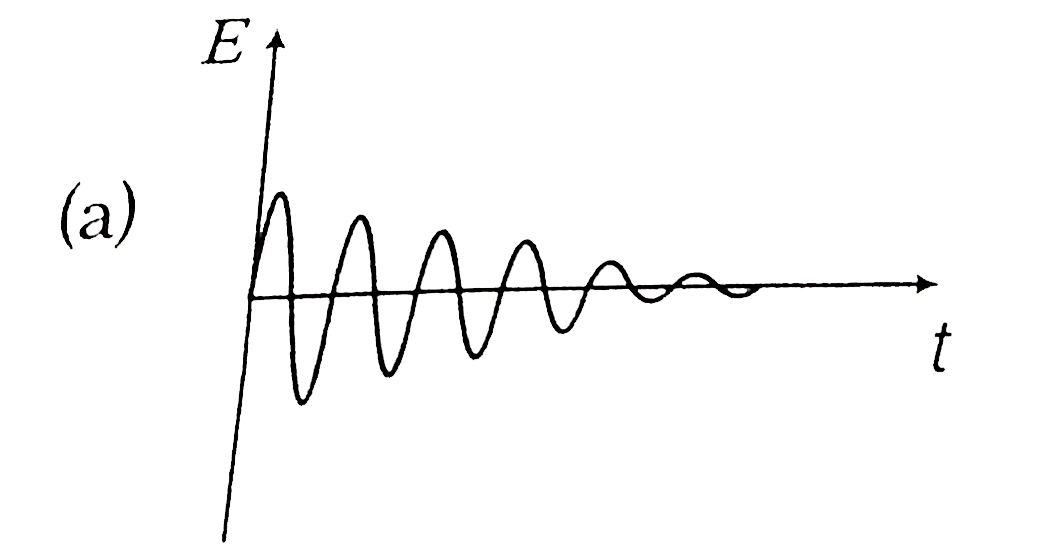
B
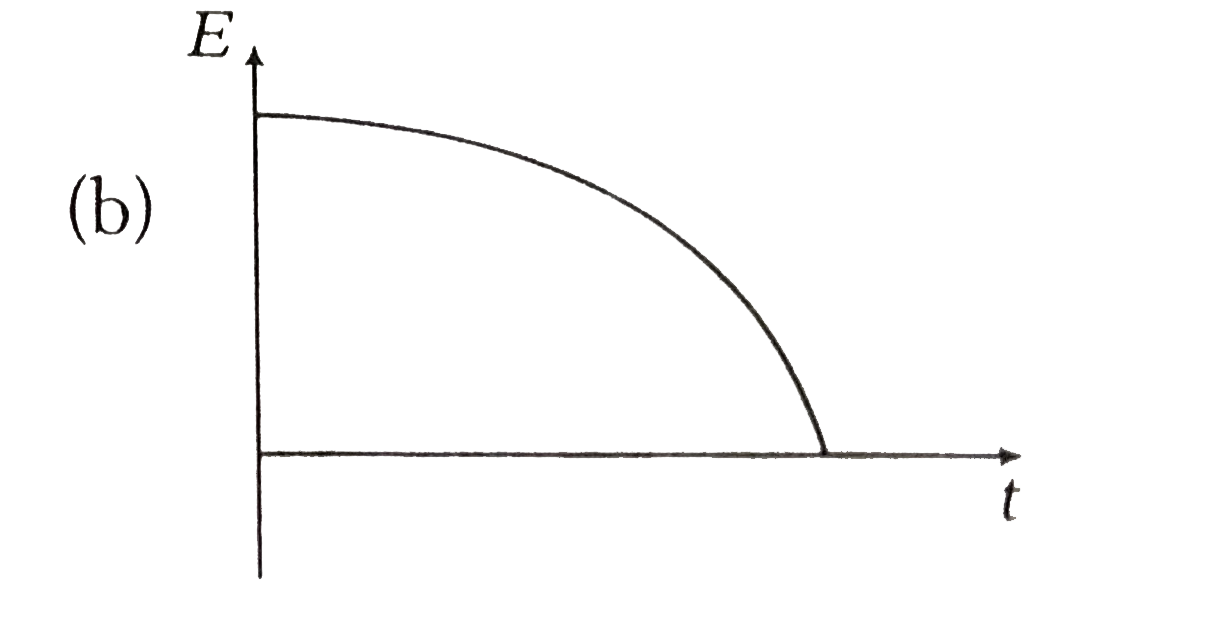
C
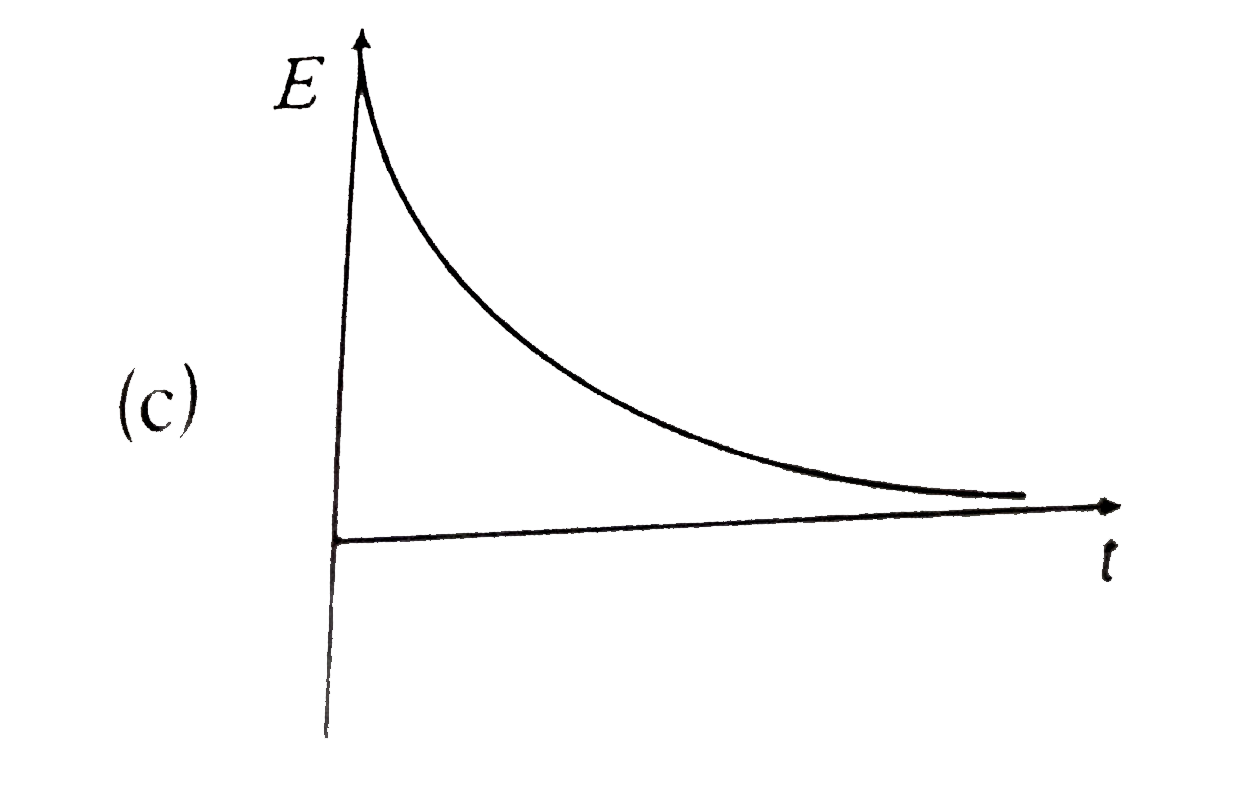
D
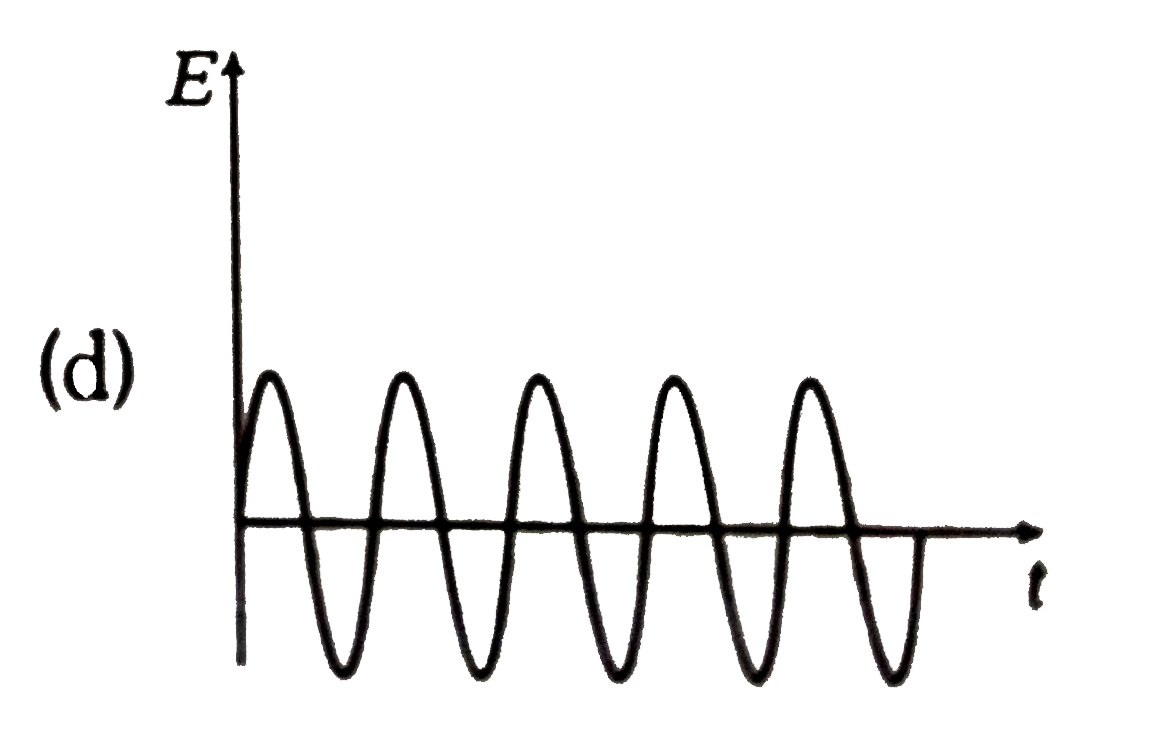
Text Solution
Verified by Experts
The correct Answer is:



Topper's Solved these Questions
WORK, ENERGY AND POWER
DC PANDEY|Exercise MEDICAL ENTRANCE SPECIAL QUESTIONS|16 VideosWORK, ENERGY AND POWER
DC PANDEY|Exercise MATCH THE COLUMNS|7 VideosWORK, ENERGY AND POWER
DC PANDEY|Exercise CHECK POINT 6.3|10 VideosWORK, ENERGY & POWER
DC PANDEY|Exercise Level 2 Comprehension Based|2 VideosWORK, POWER AND ENERGY
DC PANDEY|Exercise E Integer Type Questions|11 Videos
Similar Questions
Explore conceptually related problems
DC PANDEY-WORK, ENERGY AND POWER-EXERCISES(TAKING IT TOGETHER)
- A body is moving unidirectionally under the influence of a source of c...
Text Solution
|
- Which of the diagrams shown in figure. Most closely shows the variatio...
Text Solution
|
- Which of the diagram shown in figures respresents variation of total m...
Text Solution
|
- A mass of 5kg is moving along a circular path or radius 1m. If the mas...
Text Solution
|
- A particle moves from position 3hati+2hatj-6hatk to 14hati+13hatj+9hat...
Text Solution
|
- A body moves from rest with a constant acceleration. Which one of the ...
Text Solution
|
- v-t graph of an object of mass 1 kg is shown.Select the wrong statemen...
Text Solution
|
- A toy gun a spring of force constant k. When changed before being trig...
Text Solution
|
- A car moving with a speed of 40 km//h can be stopped by applying the b...
Text Solution
|
- A long elastic spring is stretched by 2 cm and its potential energy is...
Text Solution
|
- A body intially at rest is falling under gravity. When it loses a grav...
Text Solution
|
- If a body of mass 200 g falls a height 200 m and its total P.E. is con...
Text Solution
|
- A stone of mass 2 kg is projected upwards with KE of 98 J. The height ...
Text Solution
|
- Mark out the correct statement(s).
Text Solution
|
- A vehicle needs an engine of 7500 W to keep it moving with a constant ...
Text Solution
|
- An engine exerts a force F=(20hati-3hatj+5hatk) N and moves with veloc...
Text Solution
|
- An object of mass m, initially at rest under the action of a constant ...
Text Solution
|
- A particle at rest on a frictionless table is acted upon by a horizont...
Text Solution
|
- The energy required to accelerate a car from 10 m/s to 20 m / s is how...
Text Solution
|
- A force F=-K(yhati+xhatj) (where K is a positive constant) acts on a p...
Text Solution
|