Home
Class 12
CHEMISTRY
For the dissociation of NH(3)(g) as 2NH(...

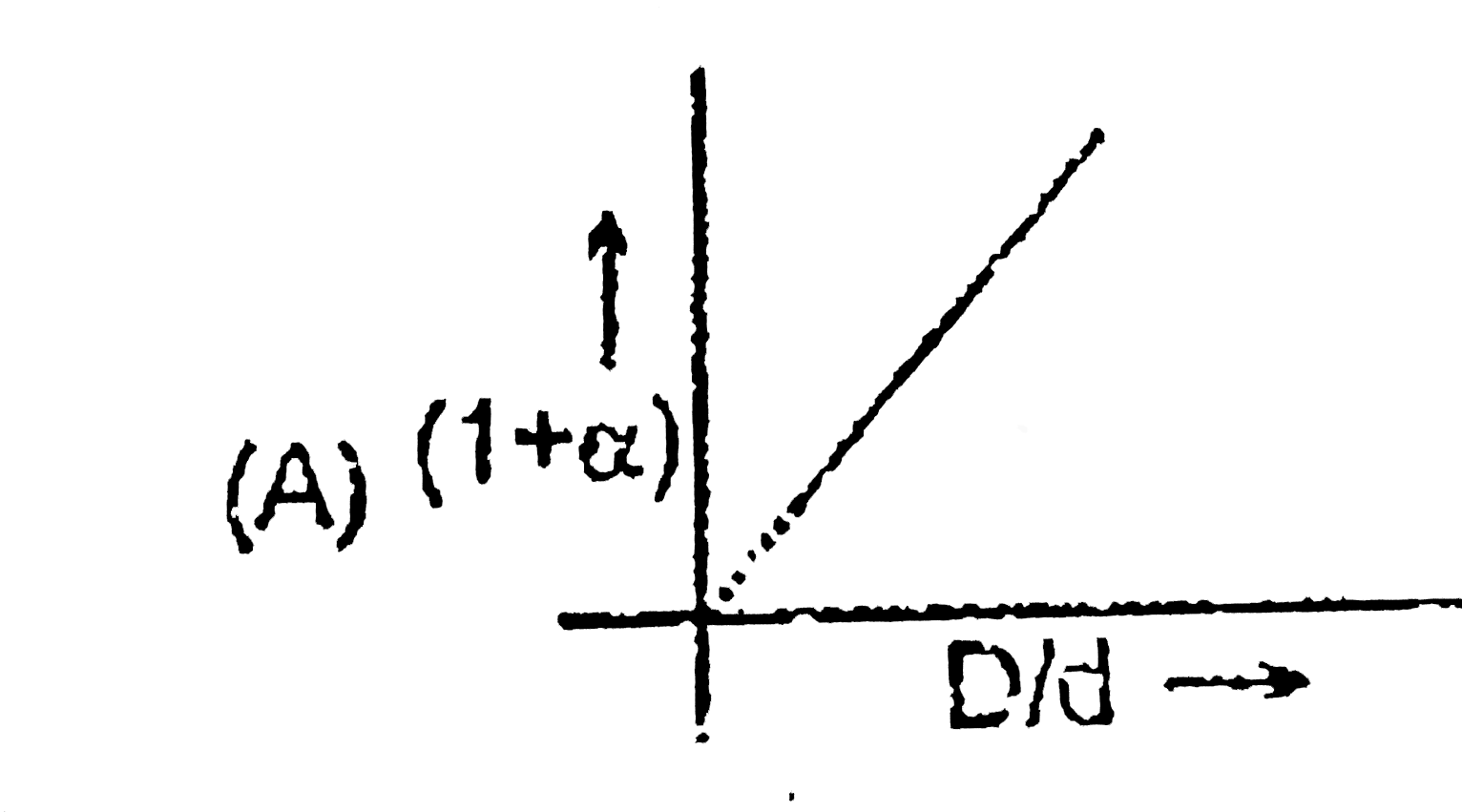
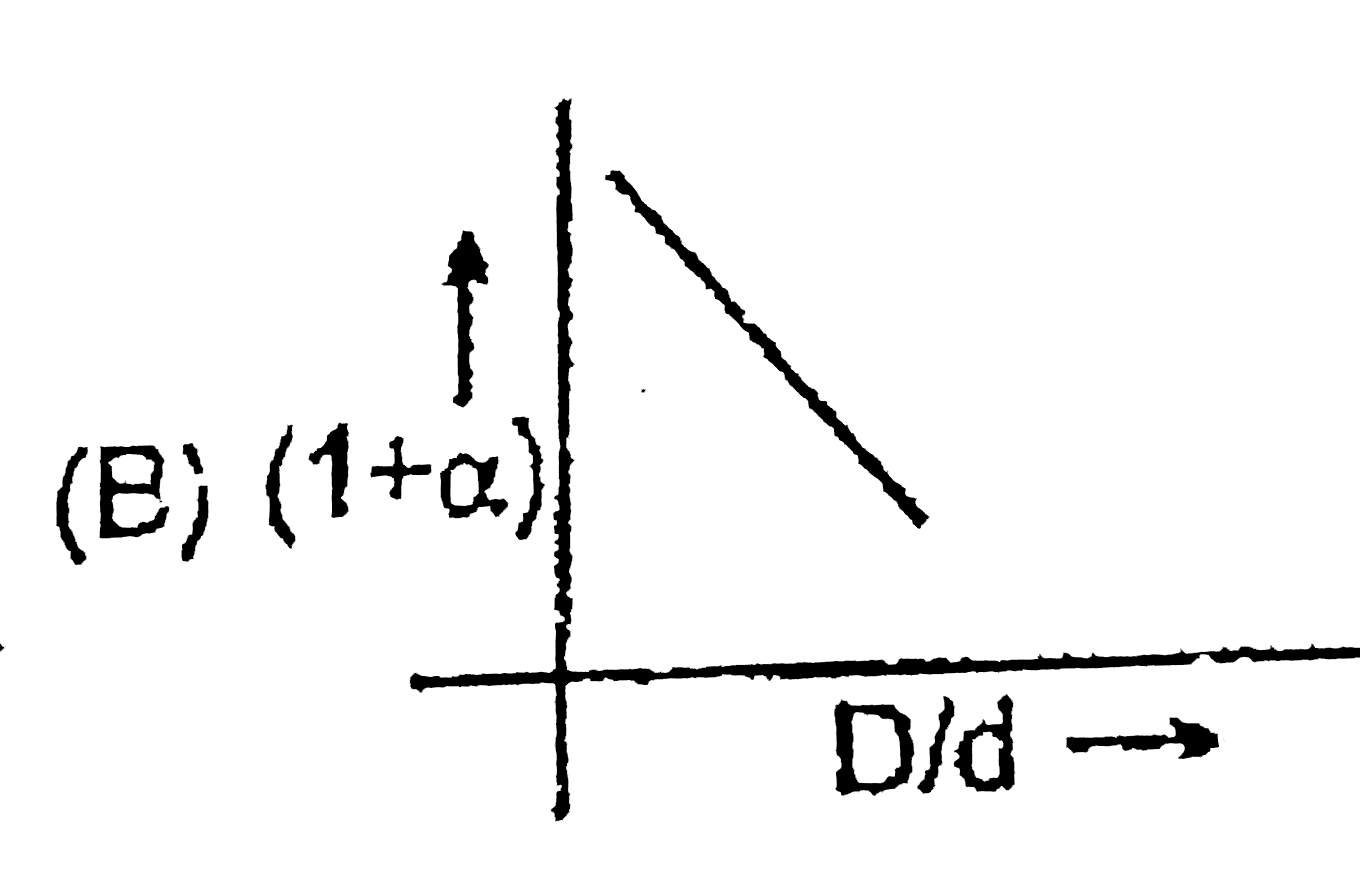
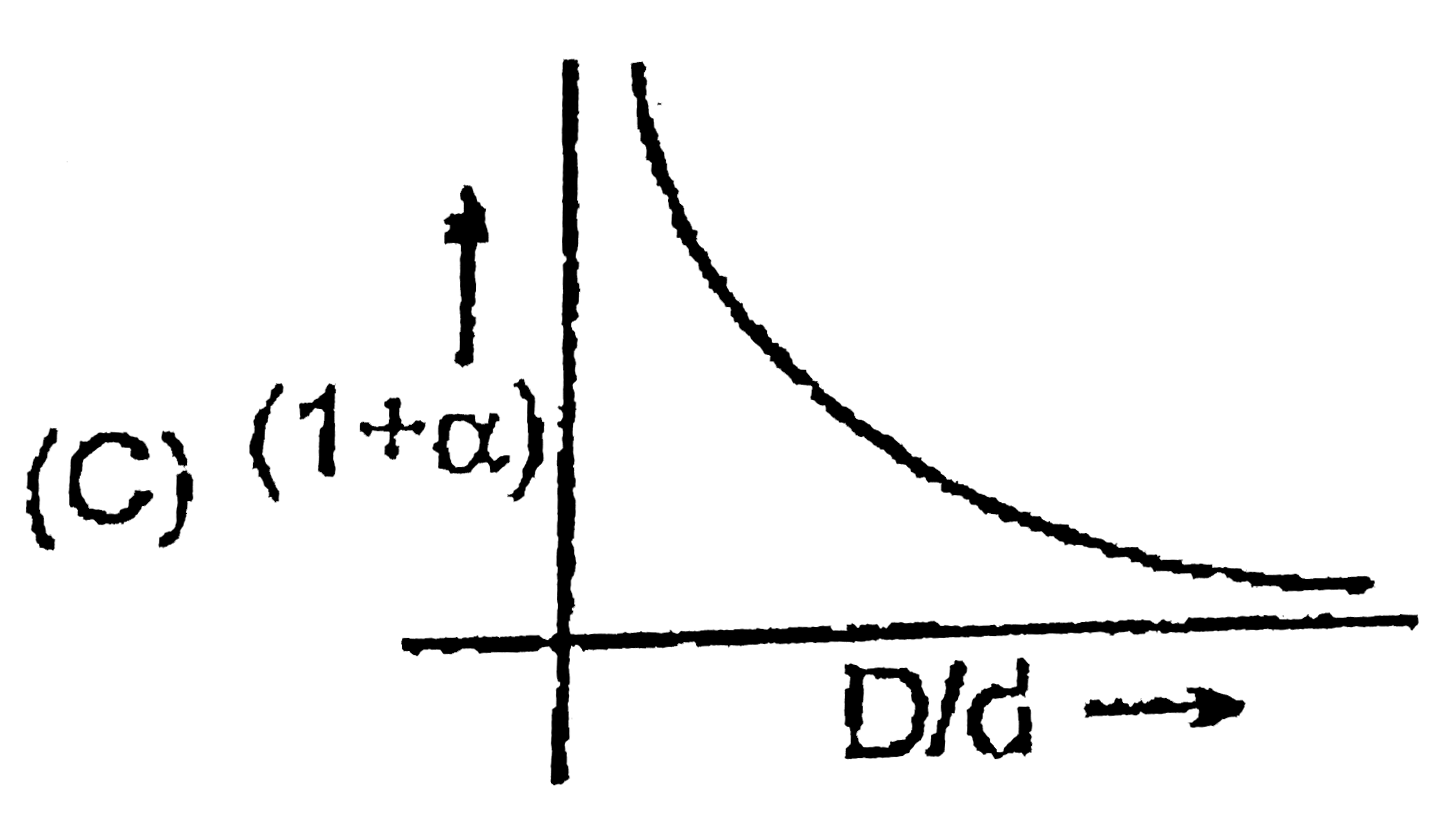
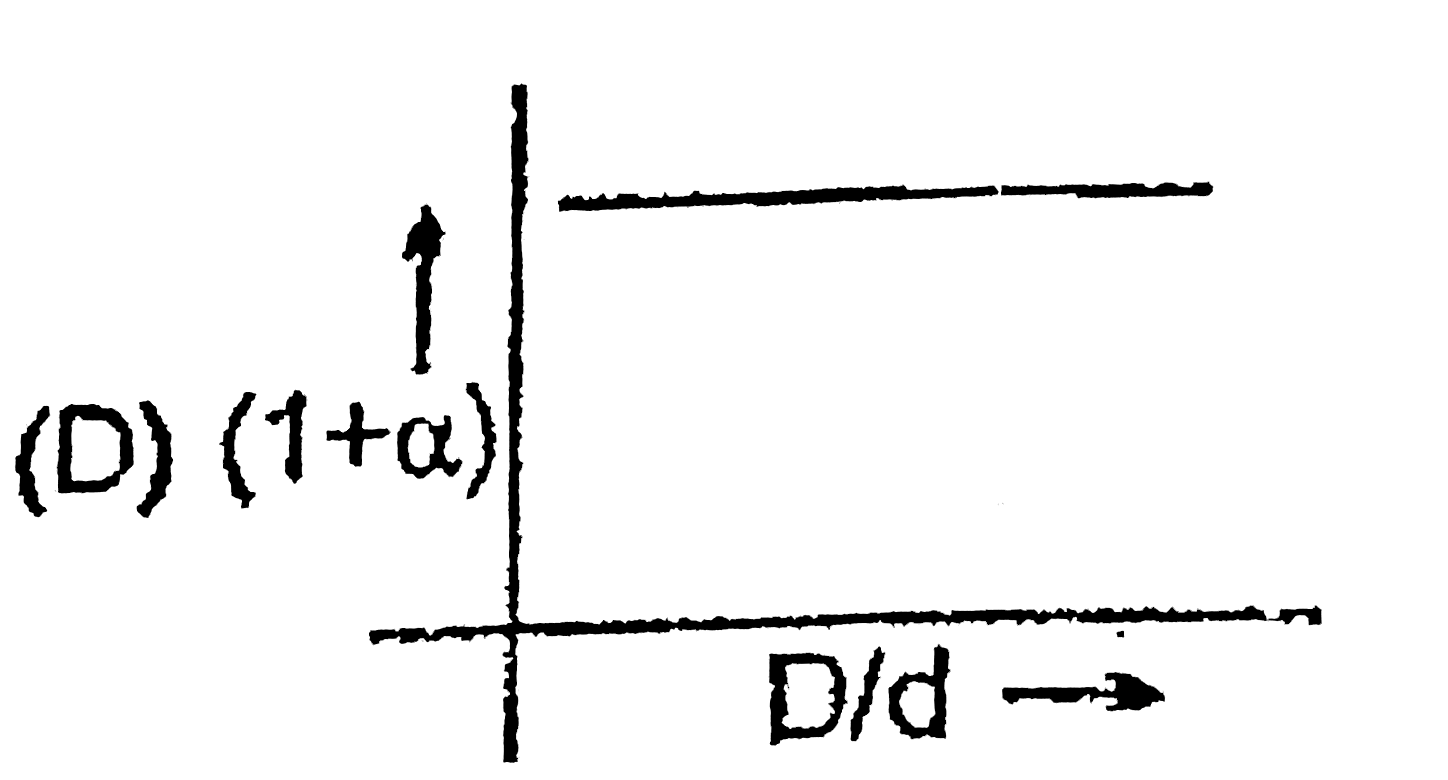
For the dissociation of `NH_(3)(g)` as `2NH_(3)(g)iffN_(2)(g)+3H_(2)(g)`, the variation of `(1 + alpha)` against `((D)/(d))` is represented as : (Given : D = initial vapour density of `PCl_(5)`, d = Vapour density of mixture at equilibriu,):

A

B

C

D

Text Solution

Verified by Experts

The correct Answer is:

A

`2NH_(3)(g) iff N_(2) (g) + 3H_(2)(g)`
`alpha=(D-d)/((n-1)d) " "because n = 2`
`therefore 1 + alpha = ((D)/(d))`
`therefore y = x`
Promotional Banner

Topper's Solved these Questions

  • REVIEW TEST

    VIBRANT|Exercise PART - II : CHEMISTRY|19 Videos
  • REVIEW TEST

    VIBRANT|Exercise PART - III : CHEMISTRY|20 Videos
  • TEST PAPERS

    VIBRANT|Exercise PART - III : CHEMISTRY|61 Videos

Similar Questions

Explore conceptually related problems

In the dissociation of N_(2)O_(4) into NO_(2), (1+ alpha) values with the vapour densities ratio ((D)/(d)) is given by: [ alpha degree of dissociation, D-vapour density before dissociation, d-vapour density after dissociation]

For the reaction 2NH_(3)(g) to N_(2)(g) + 3H_(2)(g) Calculate degree of dissociation (alpha) if observed molar mass of mixture is 13.6

In the dissociation of PCl_(5) as PCl_(5)(g) hArr PCl_(3)(g)+Cl_(2)(g) If the degree of dissociation is alpha at equilibrium pressure P, then the equilibrium constant for the reaction is

In the dissociation of N_(2)O_(4) into NO_(2). (1+x) values with the vapour densities ratio ((D)/(d)) is given by :

A gaseous mixture of H_(2) and NH_(3) gas contains 68 mass % of NH_(3) . The vapour density of the mixture is-

For the dissociation of PCl_(5) into PCl_(3) and Cl_(2) in gaseous phase reaction , if d is the observed vapour density and D the theoretical vapour density with 'alpha' as degree of dissociation ,variaton of D/d with 'alpha' is given by ?

Vapour density of the equilibrium mixture of the reaction 2NH_(3)(g)hArrN_(2)(g) + 3H_(2) (g) is 6.0 Percent dissociation of ammonia gas is :

VIBRANT-REVIEW TEST-PART - III : CHEMISTRY
  1. For the dissociation of NH(3)(g) as 2NH(3)(g)iffN(2)(g)+3H(2)(g), the...

    Text Solution

    |

  2. The gaseous reaction 2A(g) + nB(g) iff mC(g) is represented by foll...

    Text Solution

    |

  3. According to Slater's Rule effective nuclear charge of Na is x and of ...

    Text Solution

    |

  4. H^(+) ions are in excited state from where maximum 6 types of photons ...

    Text Solution

    |

  5. x = number of structure of molecular formula C(4)H(10)O which give fum...

    Text Solution

    |

  6. Determine the value of ((x+y^(2)))/(2) for Cr^(3+) ion Where x = nu...

    Text Solution

    |

  7. An alpha-particle having kinetic energy x MeV falls on a Cu-foil. The ...

    Text Solution

    |

  8. Identify the number of carbon atoms where oplus charge is delocalized.

    Text Solution

    |

  9. Electrons in a sample of H-atoms make transition from state n = y to s...

    Text Solution

    |

  10. Choose the incorrect statement(s) :

    Text Solution

    |

  11. In which of the following aromatic product is obtained

    Text Solution

    |

  12. I^(-) or the reaction I(2) (g) iff 2I(g). K(c )=6.25xx10^(-6) at 90...

    Text Solution

    |

  13. Phenol is less acidic than

    Text Solution

    |

  14. Give the correct order of initials T(True) for following statements :

    Text Solution

    |

  15. For similar nature of below graph where n le 5, select correct stateme...

    Text Solution

    |

  16. The electronic configuration of four element's are : (I) [Kr] 5s^(1...

    Text Solution

    |

  17. The rate consant for the forward reation A(g) iff 2B(g) is 1.5 xx 1...

    Text Solution

    |

  18. The value of four quantum number for the last e^(-) of atom of element...

    Text Solution

    |

  19. The value of four quantum number for the last e^(-) of atom of element...

    Text Solution

    |

  20. Acid are those compounds which give proton and base are those compound...

    Text Solution

    |

  21. Acid are those compounds which give proton and base are those compound...

    Text Solution

    |
