Text Solution
Verified by Experts



Topper's Solved these Questions
CURRENT ELECTRICITY
RESONANCE|Exercise Exercise-1 (Part-1)|46 VideosCURRENT ELECTRICITY
RESONANCE|Exercise Exercise-1 (Part-2)|49 VideosCURRENT ELECTRICITY
RESONANCE|Exercise High Level Problems (HIP)|21 VideosCOMMUNICATION SYSTEMS
RESONANCE|Exercise Exercise 3|13 VideosDAILY PRACTICE PROBLEM
RESONANCE|Exercise DPP.No.71|1 Videos
Similar Questions
Explore conceptually related problems
RESONANCE-CURRENT ELECTRICITY-Solued miscellaneous Prolblems
- Current is flowing from a conductor of nonuniform cross sectional area...
Text Solution
|
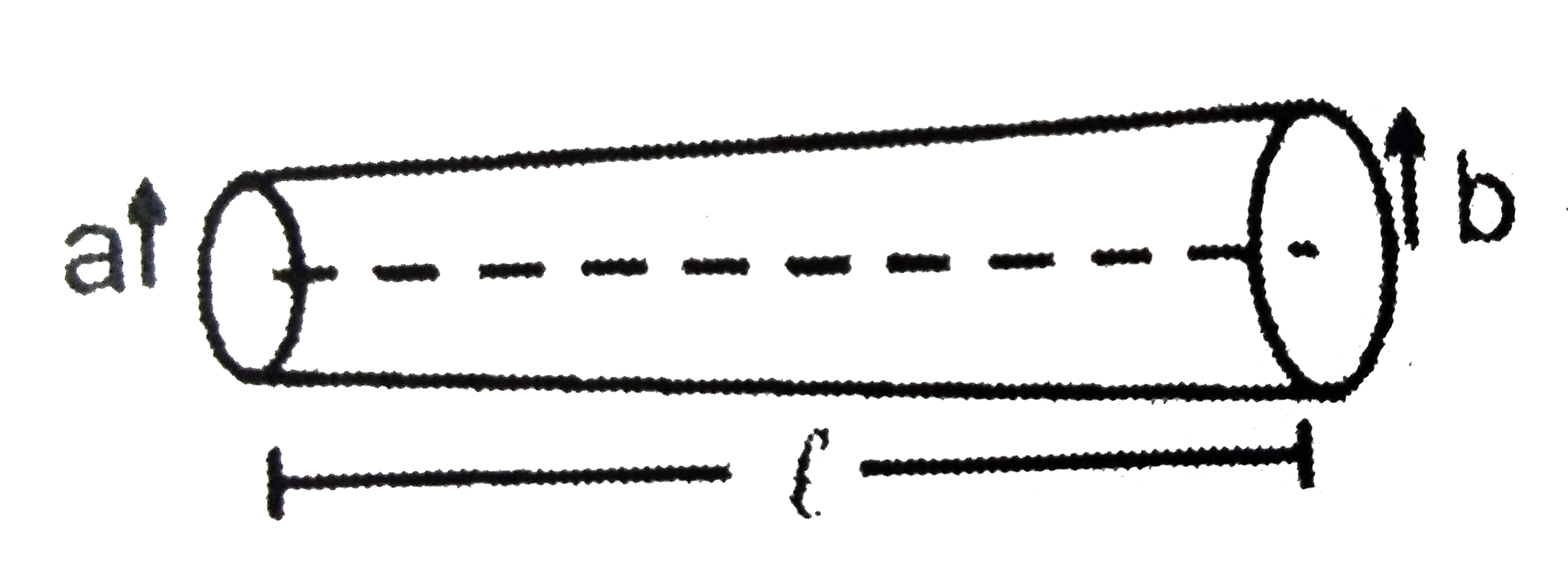
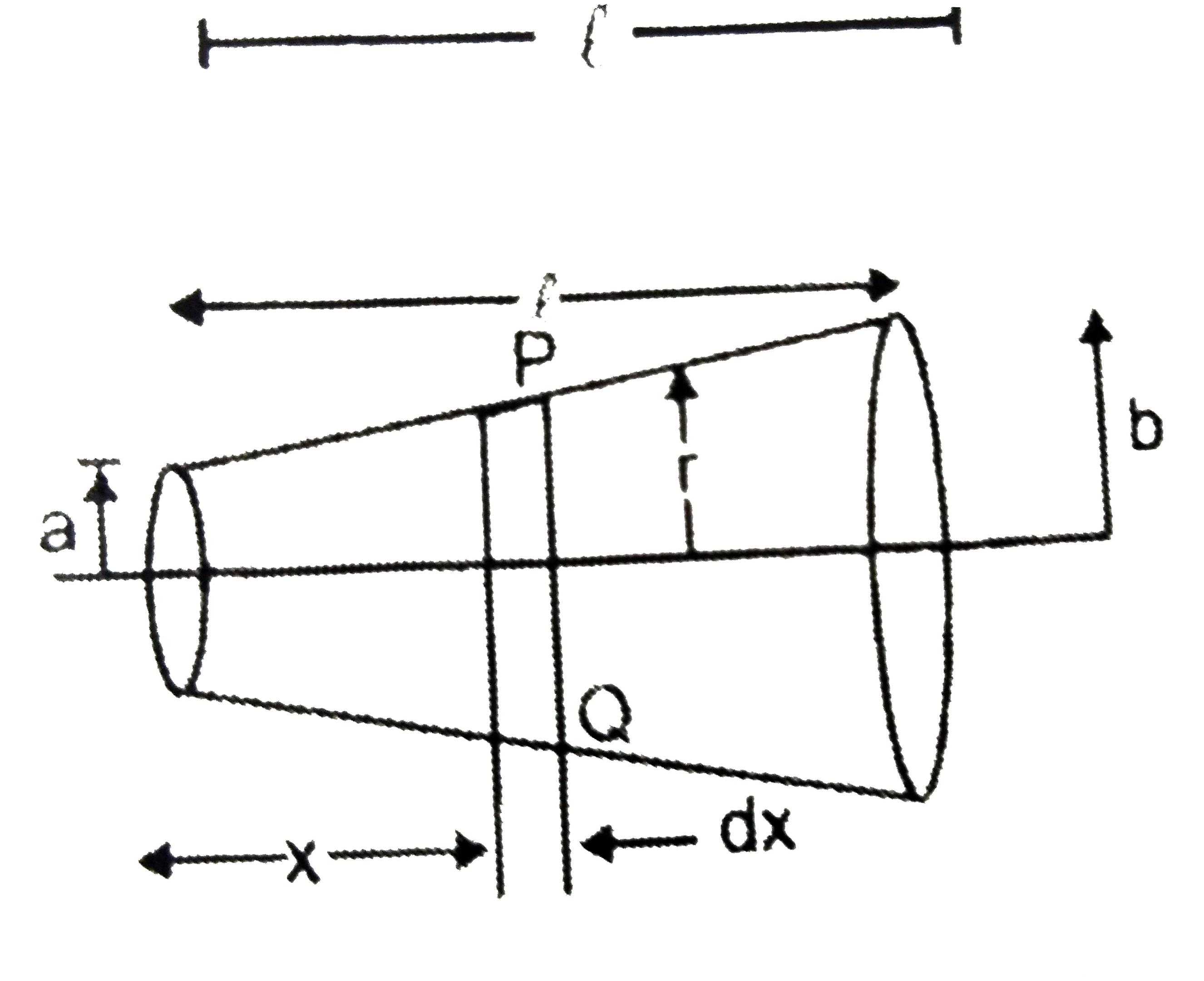
- Figure shows a conductor of length l having a circular cross-section. ...
Text Solution
|
- A cylindrical tube of length l has inner radius a while outer radius b...
Text Solution
|
- Find the equvalent Resistance between A and B
Text Solution
|
- What shunt resistance is required to convert the 1.0 mA, 20Omega galva...
Text Solution
|
- How can we make a galvanometer with G=20 Omega and ig=1.0 mA into a vo...
Text Solution
|
- A Potentionmeter wire of 10 m length and having 10 ohm resistance, emf...
Text Solution
|
- A resistance coil of resistance r connected to an external battery, is...
Text Solution
|