A
B
C
D
Text Solution
Verified by Experts
The correct Answer is:



Topper's Solved these Questions
AROMATIC COMPOUNDS
RESONANCE|Exercise Exercise-3 (Part-I) JEE Advanced|36 VideosAROMATIC COMPOUNDS
RESONANCE|Exercise Part - II JEE MAIN|20 VideosAROMATIC COMPOUNDS
RESONANCE|Exercise Part-III : One or more than one option correct type|10 VideosALKYL HALIDE, ALCOHOL, PHENOL, ETHER
RESONANCE|Exercise ORGANIC CHEMISTRY(Alkyl Halide, Alcohol,Phenol,Ether)|56 VideosBASIC CONCEPTS
RESONANCE|Exercise ORGANIC CHEMISTRY(BASIC CONCEPTS)|27 Videos
Similar Questions
Explore conceptually related problems
RESONANCE-AROMATIC COMPOUNDS-Part - IV Comprehension
- Which of the following compound is 'P' ?
Text Solution
|
- S is a well known pain killer which of the following is 'R' ?
Text Solution
|
- Which of the following is attacking species in conversion Y to P ?
Text Solution
|
- The intermediates which are involved in the conversion from benzamide ...
Text Solution
|
- (B) on treatment with Zn//HCl gives :
Text Solution
|
- (D) on reaction with phenol under alkaline conditions gives :
Text Solution
|
- The -NO(2) group in an aromatic ring deactivates the ortho and para po...
Text Solution
|
- The -NO(2) group in an aromatic ring deactivates the ortho and para po...
Text Solution
|
- The -NO(2) group in an aromatic ring deactivates the ortho and para po...
Text Solution
|
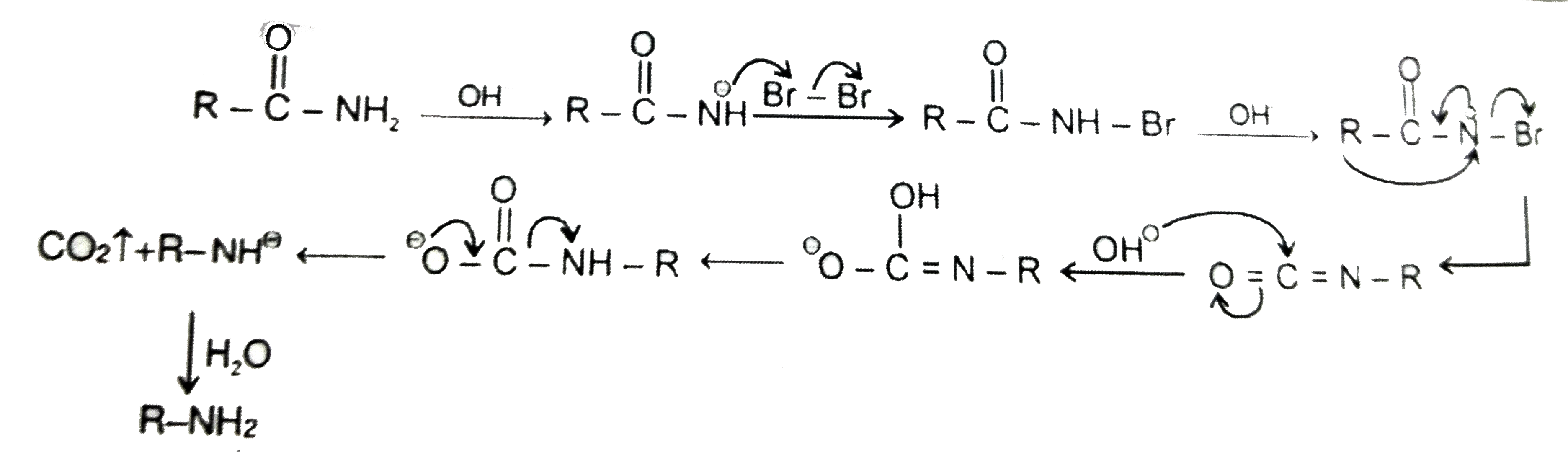
- Hofmann rearrangement In the Hofmann rearrangement an unsubstituted ...
Text Solution
|
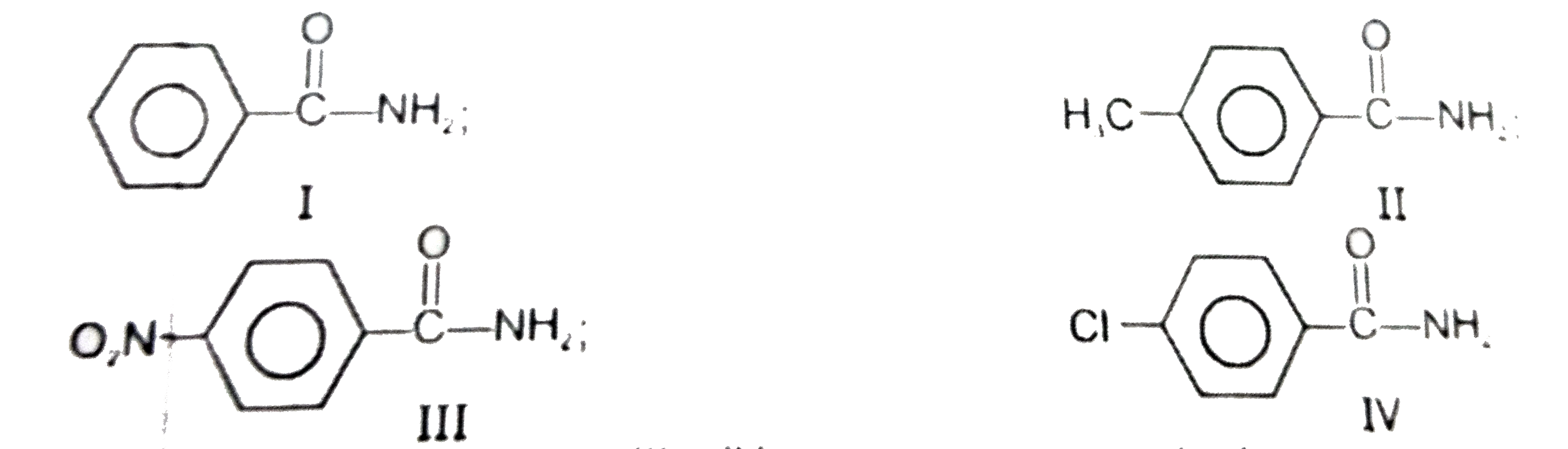
- Hofmann rearrangement In the Hofmann rearrangement an unsubstituted ...
Text Solution
|
- match the correct combination ?
Text Solution
|
- In which amongs the following product is formed by free radical mechan...
Text Solution
|
- match the correct combination ?
Text Solution
|