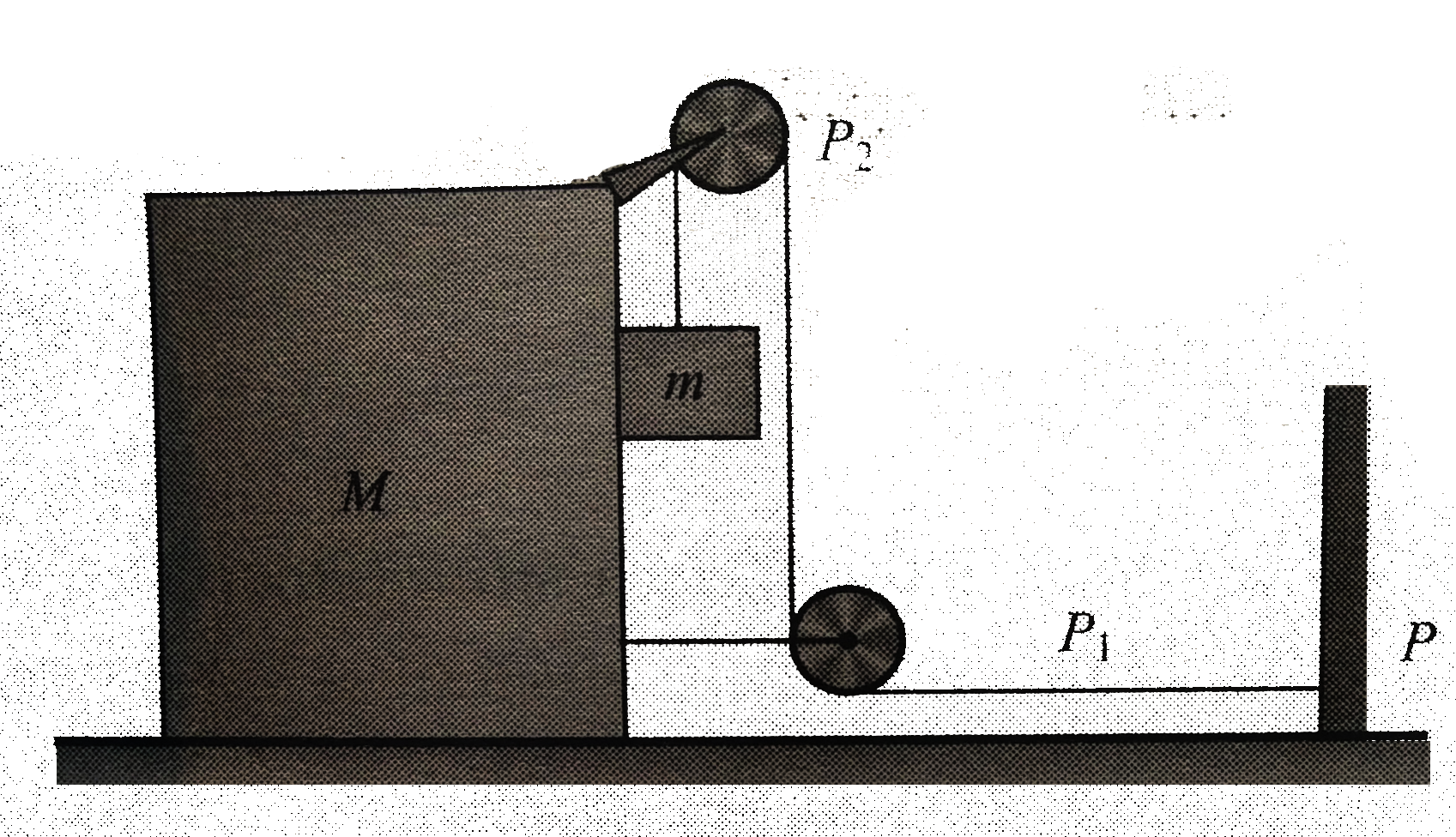
Text Solution
Verified by Experts
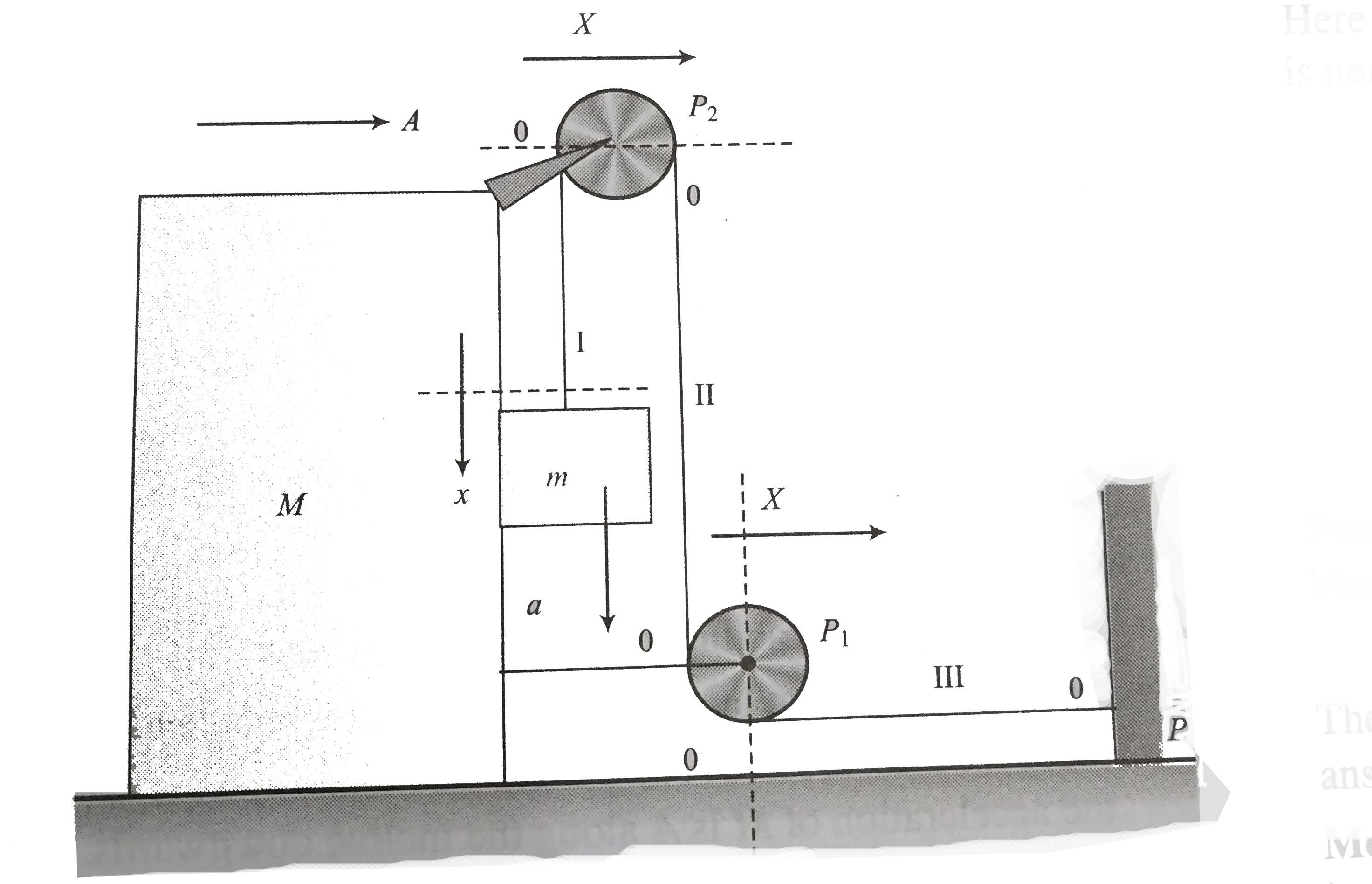
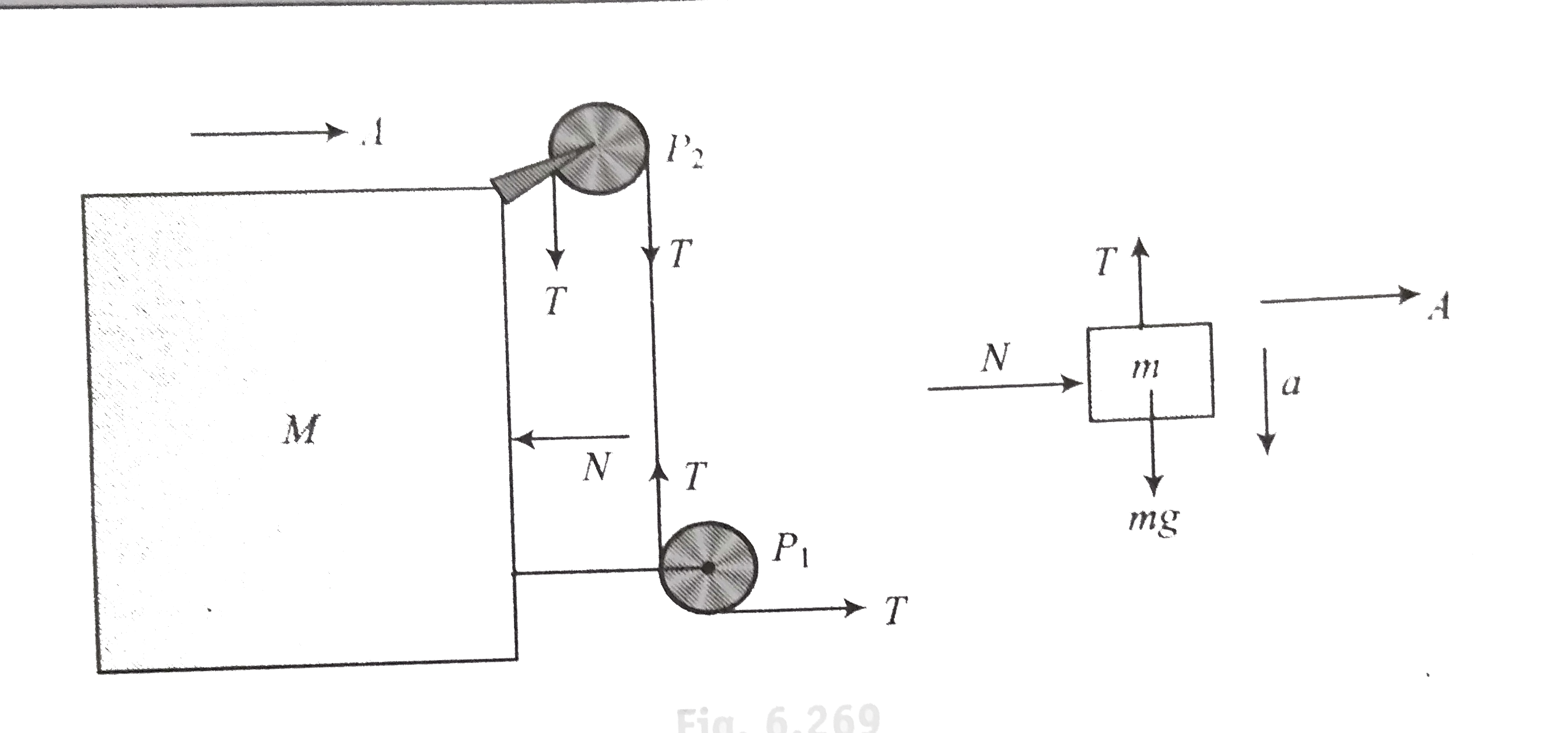
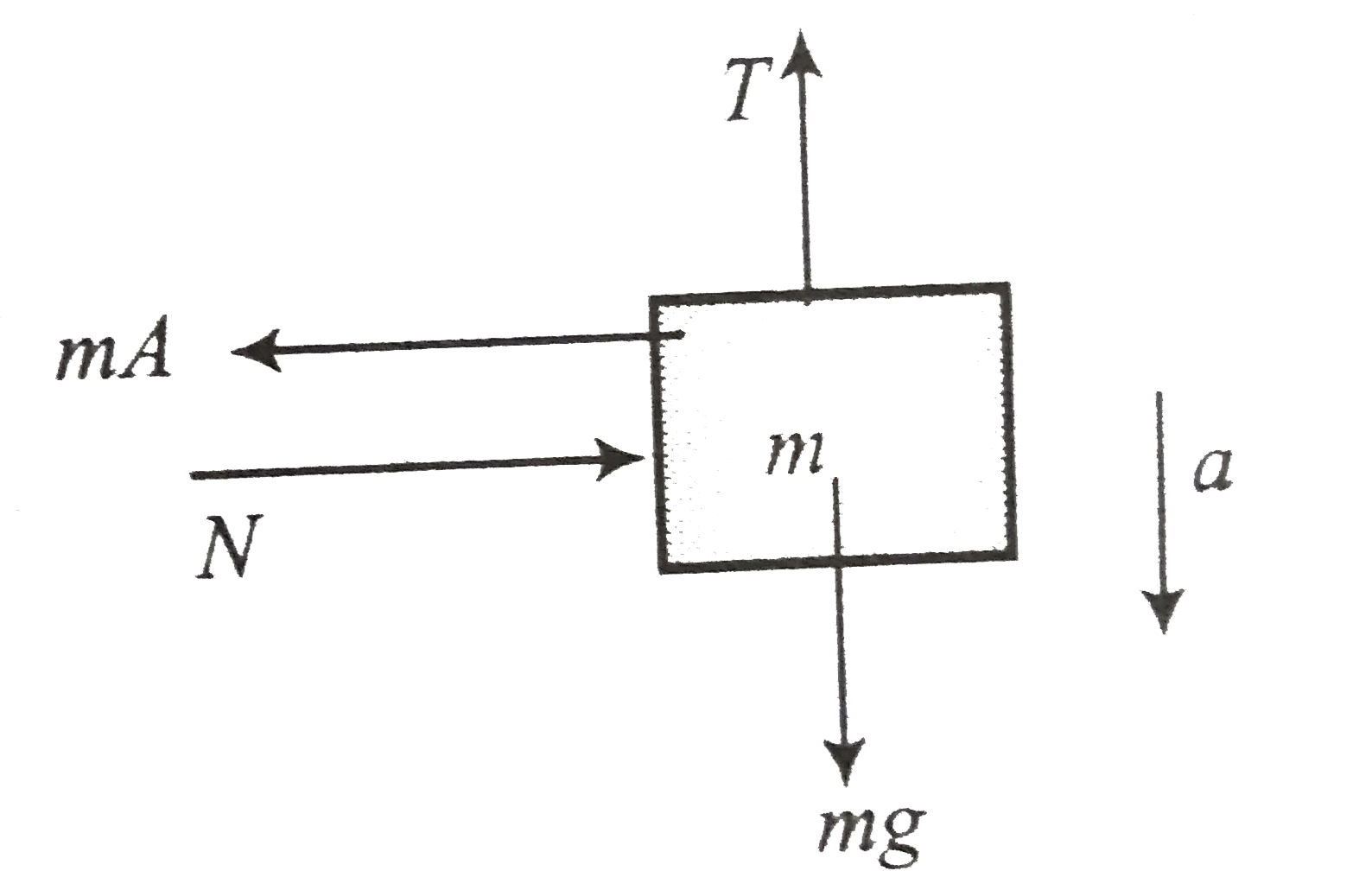
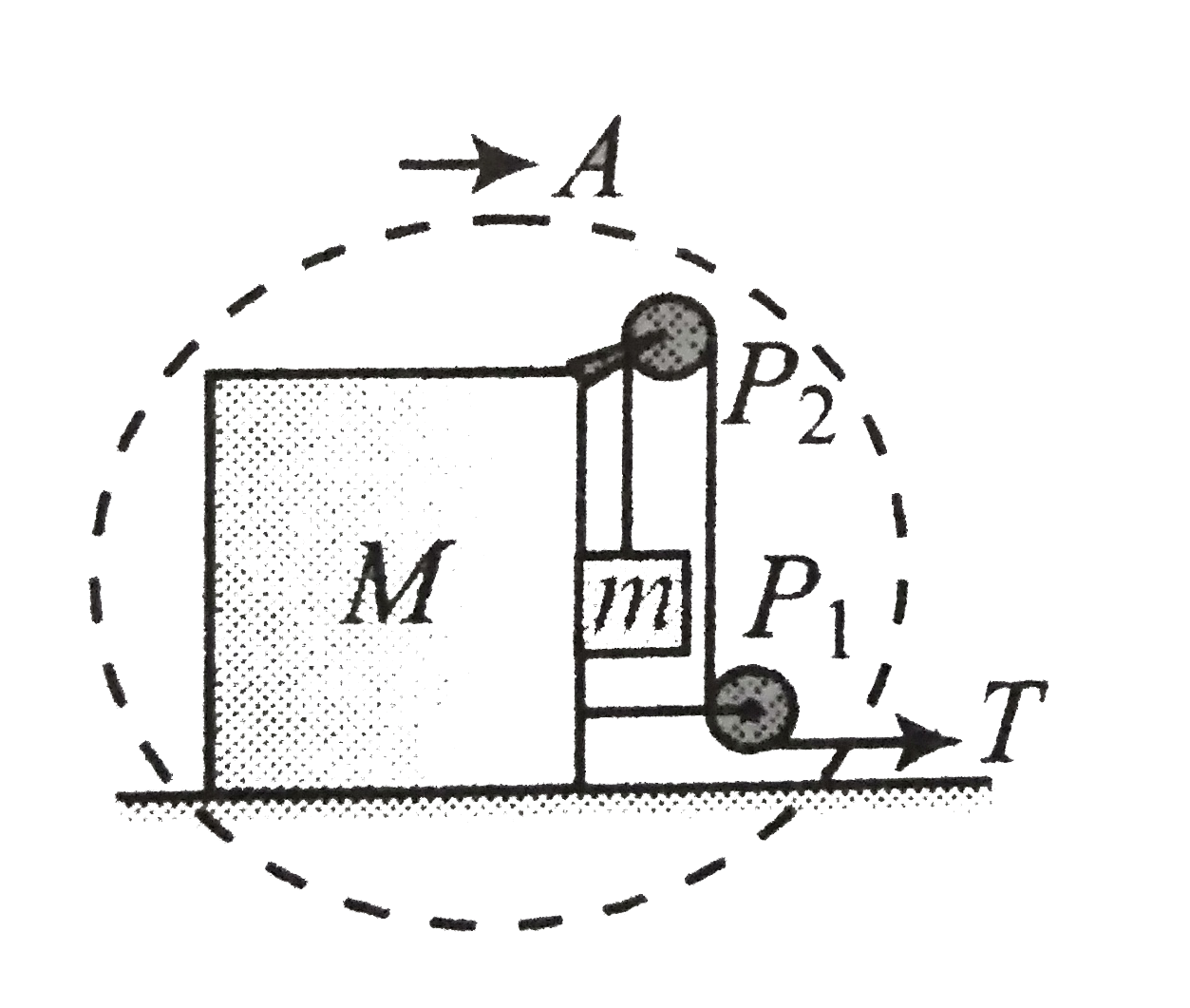



Topper's Solved these Questions
NEWTON'S LAWS OF MOTION 1
CENGAGE PHYSICS ENGLISH|Exercise Exercise 6.1|11 VideosNEWTON'S LAWS OF MOTION 1
CENGAGE PHYSICS ENGLISH|Exercise Exercise 6.2|35 VideosNEWTON'S LAWS OF MOTION 1
CENGAGE PHYSICS ENGLISH|Exercise Integer|5 VideosMISCELLANEOUS VOLUME 2
CENGAGE PHYSICS ENGLISH|Exercise INTEGER_TYPE|10 VideosNEWTON'S LAWS OF MOTION 2
CENGAGE PHYSICS ENGLISH|Exercise Integer type|1 Videos
CENGAGE PHYSICS ENGLISH-NEWTON'S LAWS OF MOTION 1-Solved Examples
- Two blocks of masses 5kg and 2 kg are initially at rest on the floor. ...
Text Solution
|
- In the arrangement shown in fig. m(1)=1kg, m(2)=2 kg. Pulleys are mass...
Text Solution
|
- Pulleys shown in the system are massless and fricionless. Threads are ...
Text Solution
|
- In the arrangement shown in fig., mass of the rod M exceeds the mass m...
Text Solution
|
- A block of mass m is placed on the inclined sufrace of a wedge as show...
Text Solution
|
- The mass of wedge, shown in figure is M and that of the block is m. Ne...
Text Solution
|
- A block of mass m can slide freely in a slot made in a bigger of mass ...
Text Solution
|
- A block of mass m can slide freely along the verticle surface of a big...
Text Solution
|
- Consider a system of a small body of mass m kept on a large body of ma...
Text Solution
|
- The mass of wedge, shown in figure is M and that of the block is m. Ne...
Text Solution
|
- Three blocks arranged with pullwy and spring as shown in fig. If the s...
Text Solution
|