Home
Class 12
CHEMISTRY
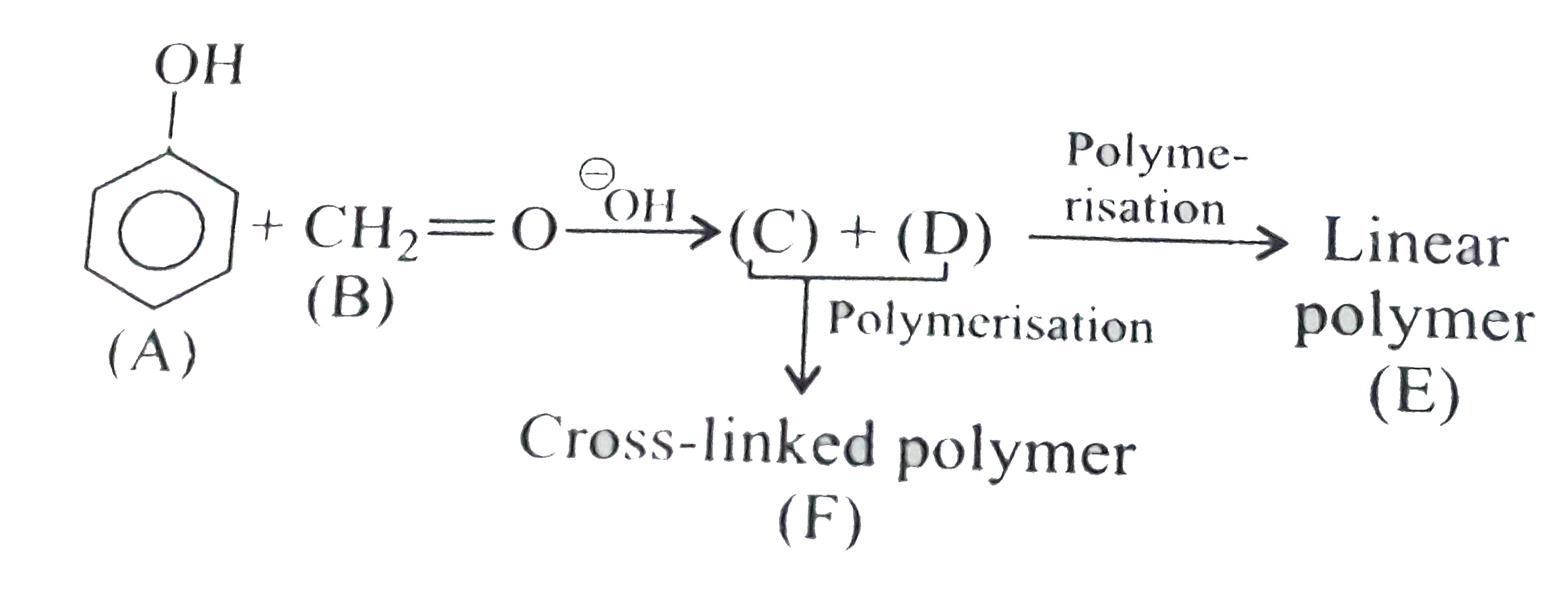
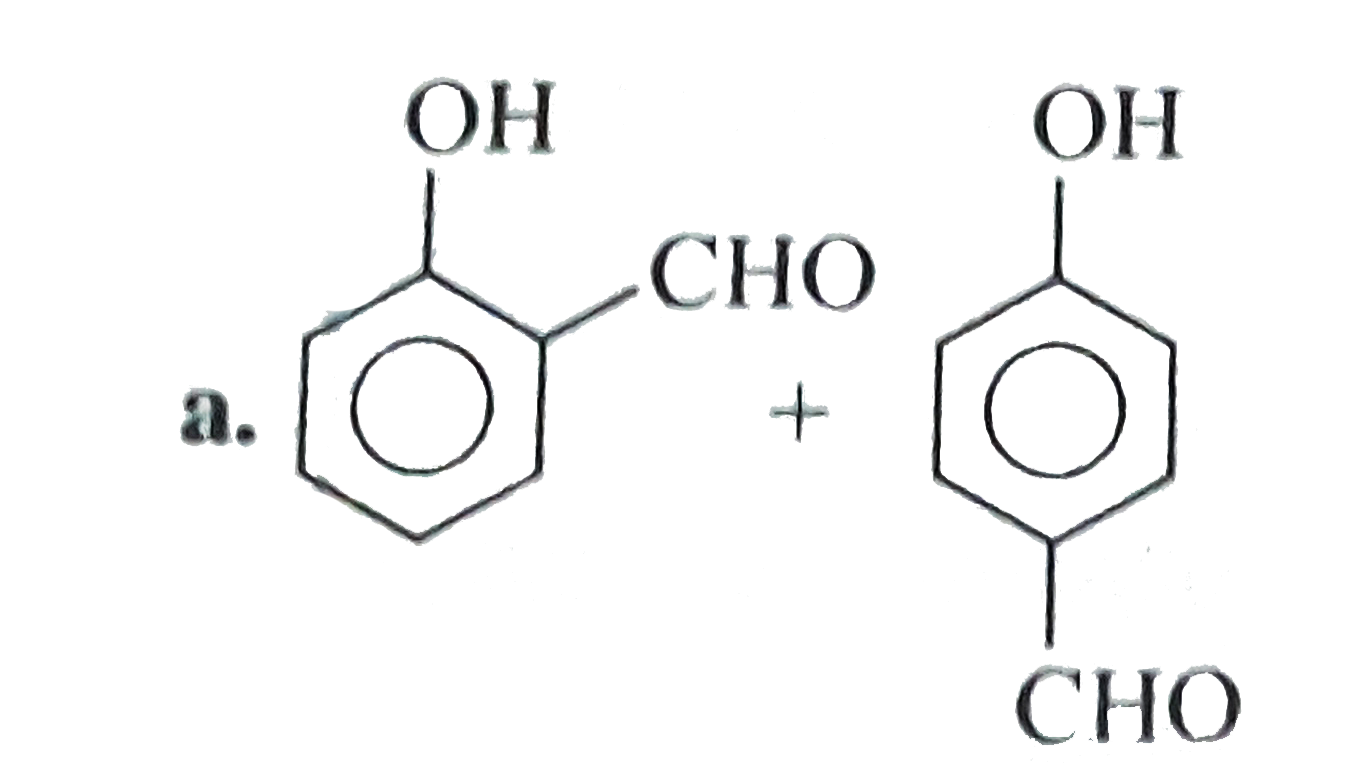
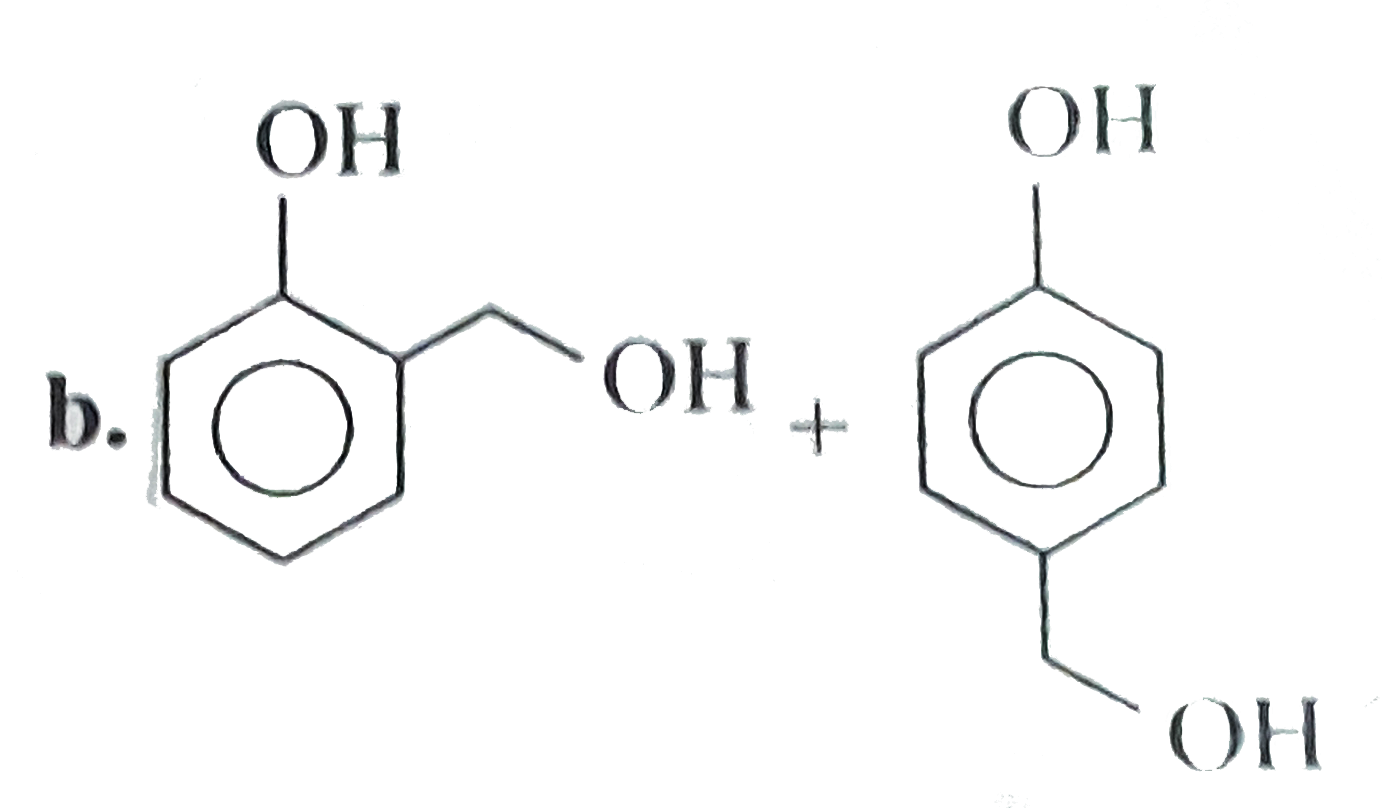
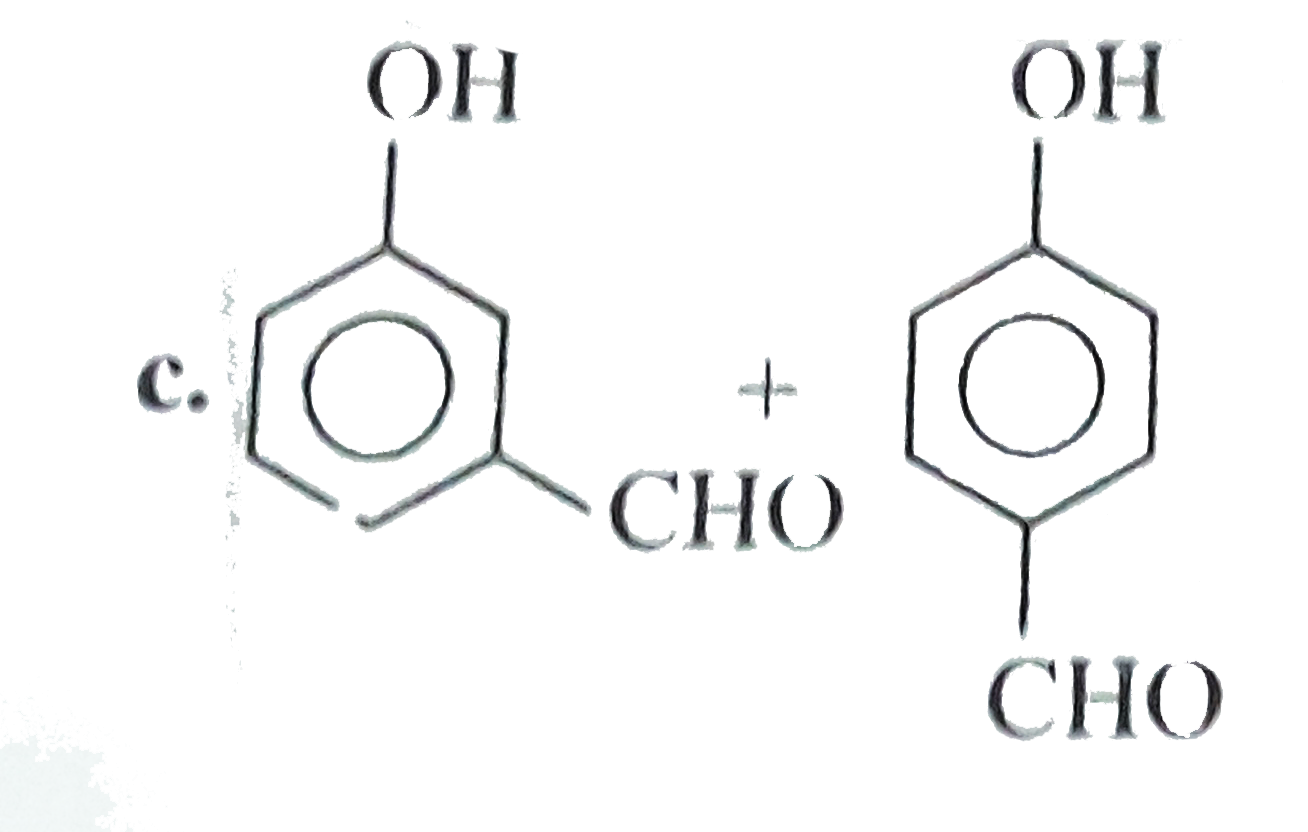
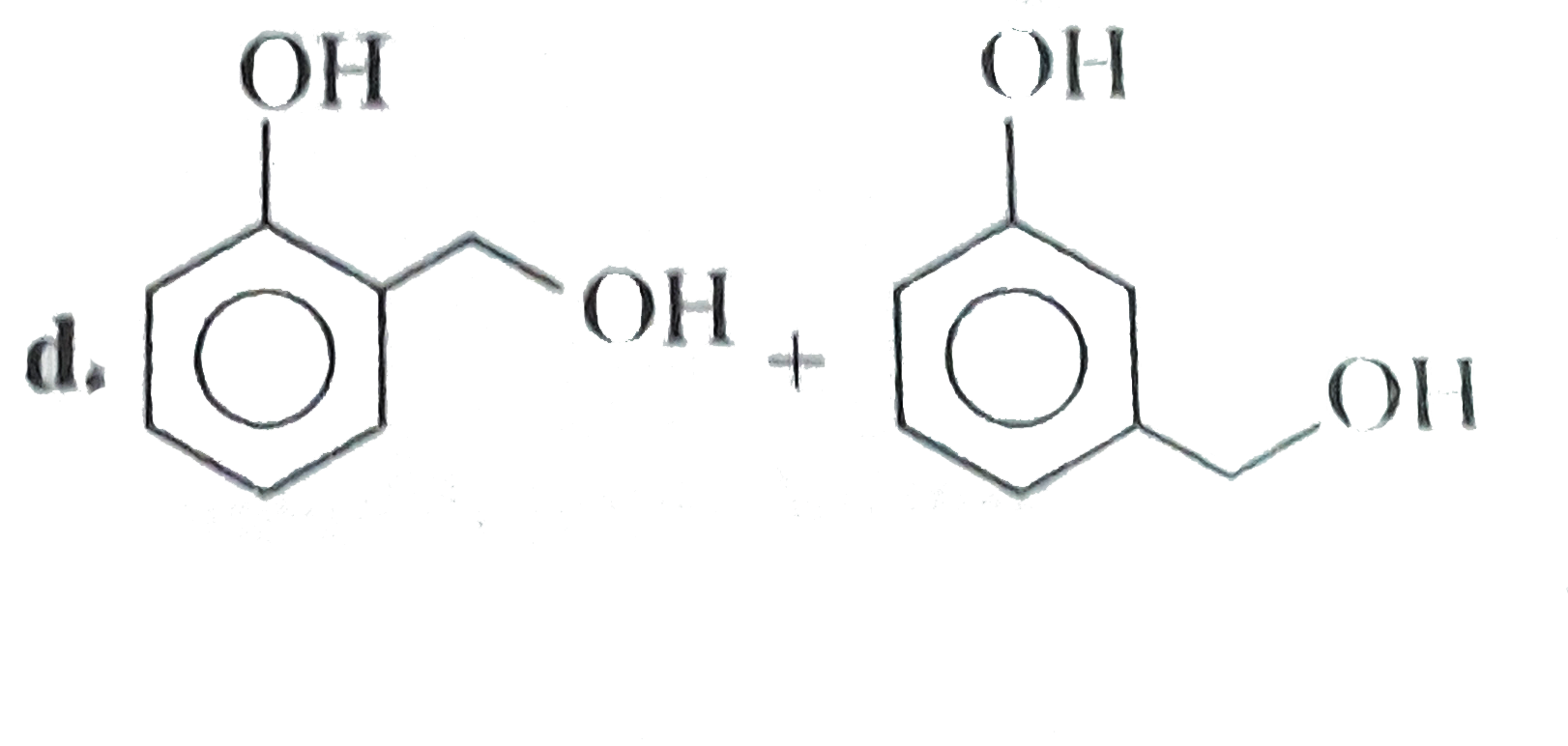
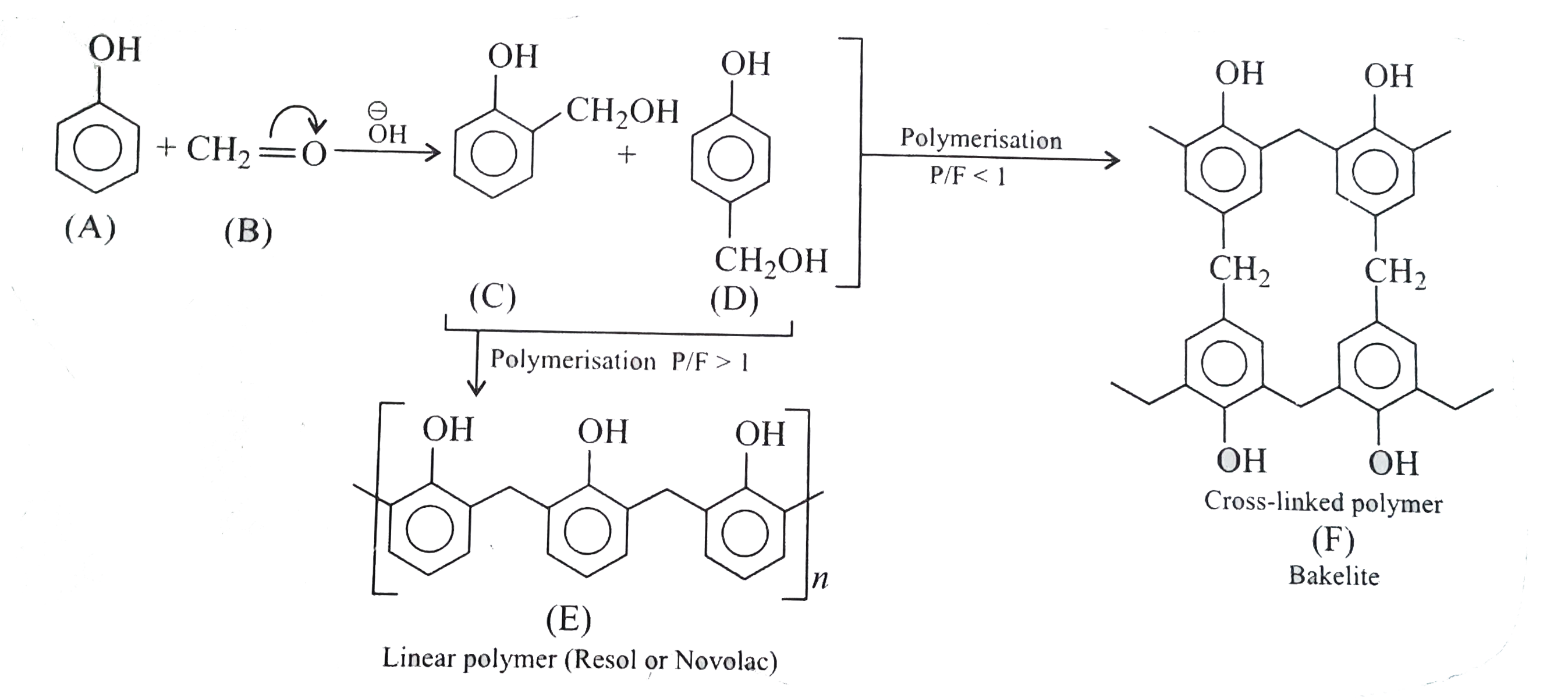
Compound (C ) and(D) are:...


Compound (C ) and(D) are:

A

B

C

D

Text Solution

Verified by Experts

The correct Answer is:
B

Promotional Banner

Topper's Solved these Questions

  • SYNTHETIC AND NATURAL POLYMERS

    CENGAGE CHEMISTRY ENGLISH|Exercise Exercises Multiple Correct|28 Videos
  • SYNTHETIC AND NATURAL POLYMERS

    CENGAGE CHEMISTRY ENGLISH|Exercise Exercises Single Correct|94 Videos
  • SYNTHETIC AND NATURAL POLYMERS

    CENGAGE CHEMISTRY ENGLISH|Exercise Exercises Concept Application|20 Videos
  • SURFACE CHEMISTRY

    CENGAGE CHEMISTRY ENGLISH|Exercise Archives Subjective|2 Videos

Similar Questions

Explore conceptually related problems

The compound (C ) and (D), respectively, are:

Compounds ( C) and (D) can be distinguished by :

An organic compound containing C, H and O gives following observations: (i) It exists in two isomeric forms (A) and (B). (ii) 0.108 g of one of the isomers on combustion gave 0.308 g of CO_(2) and 0.072 g of H_(2)O (iii) (A) is insoluble in NaOH and NaHCO_(3) while (B) is soluble in NaOH. (iv) (A) reacts with Hl to give compound (C ) and (D). (C ) can be separated from (D) by ethanolic AgNO_(3) solution and (D) is soluble in NaOH. (v) (B) readily reacts with bromine water to give compound (E) of molecular formula C_(7)H_(5)OBr_(3) Compound (B) in the above passage is

An organic compound containing C, H and O gives following observations: (i) It exists in two isomeric forms (A) and (B). (ii) 0.108 g of one of the isomers on combustion gave 0.308 g of CO_(2) and 0.072 g of H_(2)O (iii) (A) is insoluble in NaOH and NaHCO_(3) while (B) is soluble in NaOH. (iv) (A) reacts with Hl to give compound (C ) and (D). (C ) can be separated from (D) by ethanolic AgNO_(3) solution and (D) is soluble in NaOH. (v) (B) readily reacts with bromine water to give compound (E) of molecular formula C_(7)H_(5)OBr_(3) Compound (A) is

An organic compound containing C, H and O gives following observations: (i) It exists in two isomeric forms (A) and (B). (ii) 0.108 g of one of the isomers on combustion gave 0.308 g of CO_(2) and 0.072 g of H_(2)O (iii) (A) is insoluble in NaOH and NaHCO_(3) while (B) is soluble in NaOH. (iv) (A) reacts with Hl to give compound (C ) and (D). (C ) can be separated from (D) by ethanolic AgNO_(3) solution and (D) is soluble in NaOH. (v) (B) readily reacts with bromine water to give compound (E) of molecular formula C_(7)H_(5)OBr_(3) The empirical formula of (A) and (B) is

An aliphatic unsaturated hydrocarbon (A) when treated with HgSO_(4)//H_(2)SO_(4) yields a compound (B) having molecular formula C_(3)H_(6)O . (B) on oxidation with concentrated HNO_(3) gives two compounds ( C ) and (D). Compound (C ) when treated with PCl_(5) gives compound (E ). (E ) when reacts with ethanol gives a sweet smelling liquid (F). Compound (F) is also formed when (C ) reacts with ethanol in the presence of concentrated H_(2)SO_(4) . (i) Identify the compound A, B, C, D, E and F. (ii) Give the chemical equation for the reaction of ( C ) with chlorine in the presence of red phosphorus and name the reaction.

An organic compound containing C, H and O gives following observations: (i) It exists in two isomeric forms (A) and (B). (ii) 0.108 g of one of the isomers on combustion gave 0.308 g of CO_(2) and 0.072 g of H_(2)O (iii) (A) is insoluble in NaOH and NaHCO_(3) while (B) is soluble in NaOH. (iv) (A) reacts with Hl to give compound (C ) and (D). (C ) can be separated from (D) by ethanolic AgNO_(3) solution and (D) is soluble in NaOH. (v) (B) readily reacts with bromine water to give compound (E) of molecular formula C_(7)H_(5)OBr_(3) Compound (C)overset("Moist"Ag_(2)O)rarr(P)underset(CH_(2)Cl_(2))overset(PC C)rarr(Q) The product (Q) is

An organic compound containing C, H and O gives following observations: (i) It exists in two isomeric forms (A) and (B). (ii) 0.108 g of one of the isomers on combustion gave 0.308 g of CO_(2) and 0.072 g of H_(2)O (iii) (A) is insoluble in NaOH and NaHCO_(3) while (B) is soluble in NaOH. (iv) (A) reacts with Hl to give compound (C ) and (D). (C ) can be separated from (D) by ethanolic AgNO_(3) solution and (D) is soluble in NaOH. (v) (B) readily reacts with bromine water to give compound (E) of molecular formula C_(7)H_(5)OBr_(3) Compound (D)underset((iii)HCl)underset(4-7" atm,"125K)overset((i)NaOH)overset((ii)CO_(2))rarr(X)overset(CH_(3)COCl)rarr(Y) The product (Y) is

Compound (D) is:

Compound (D) is:

