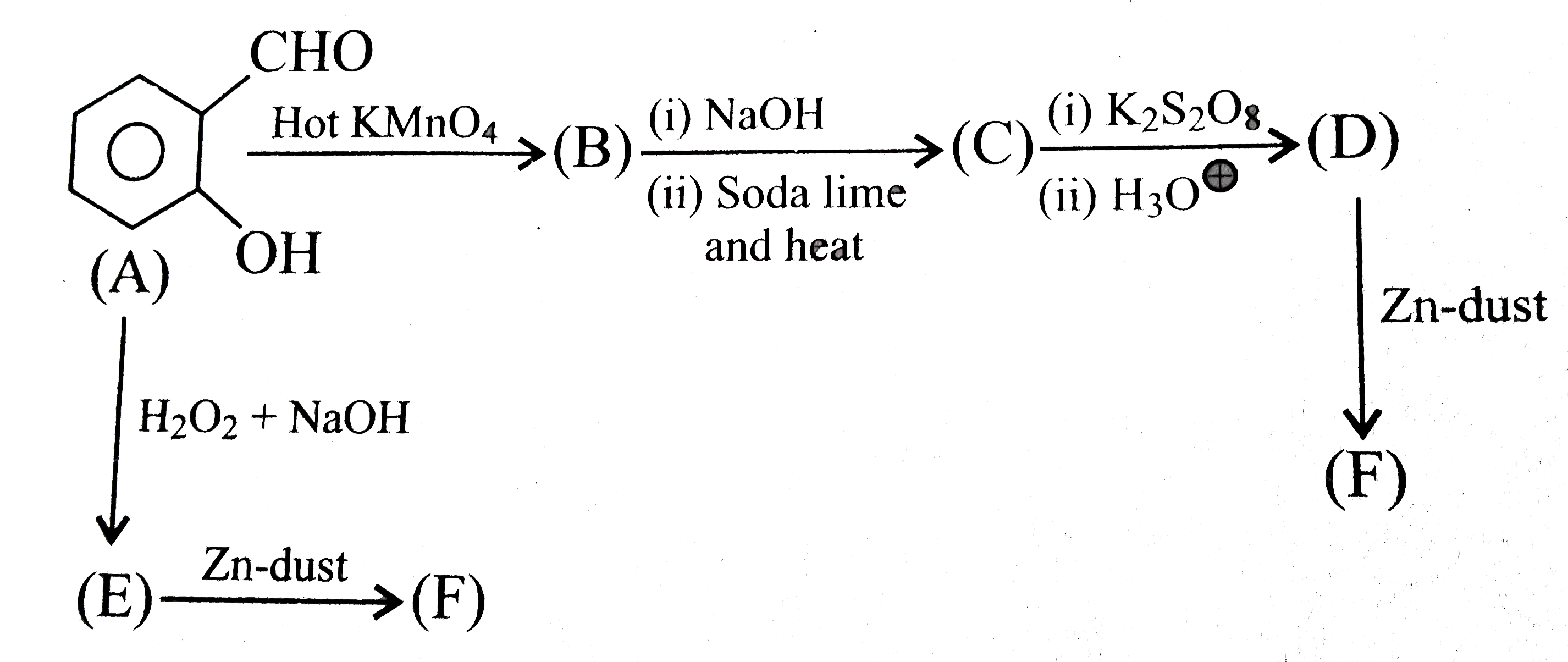
A
B
C
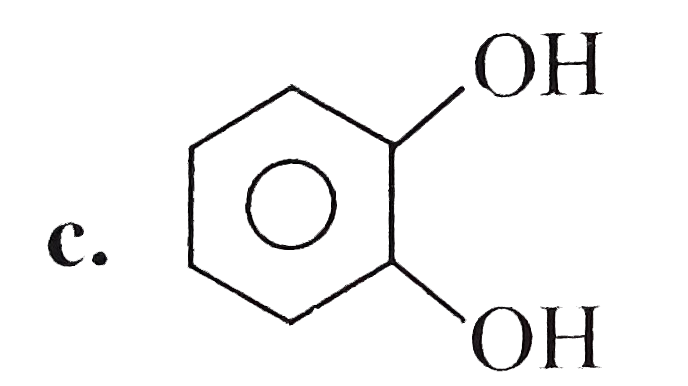
D
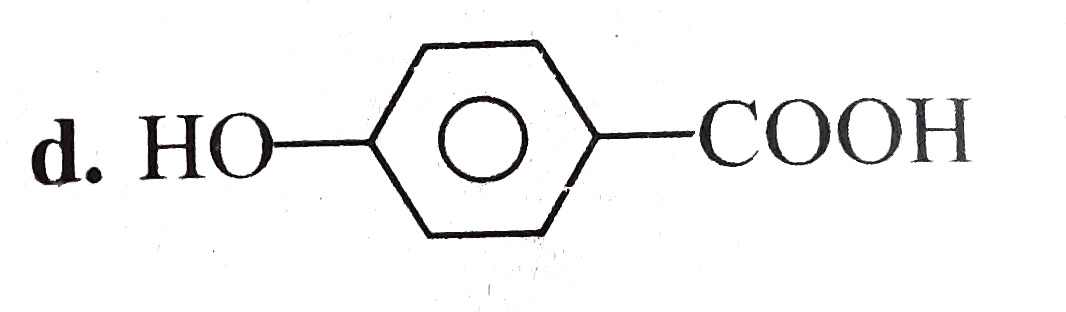
Text Solution
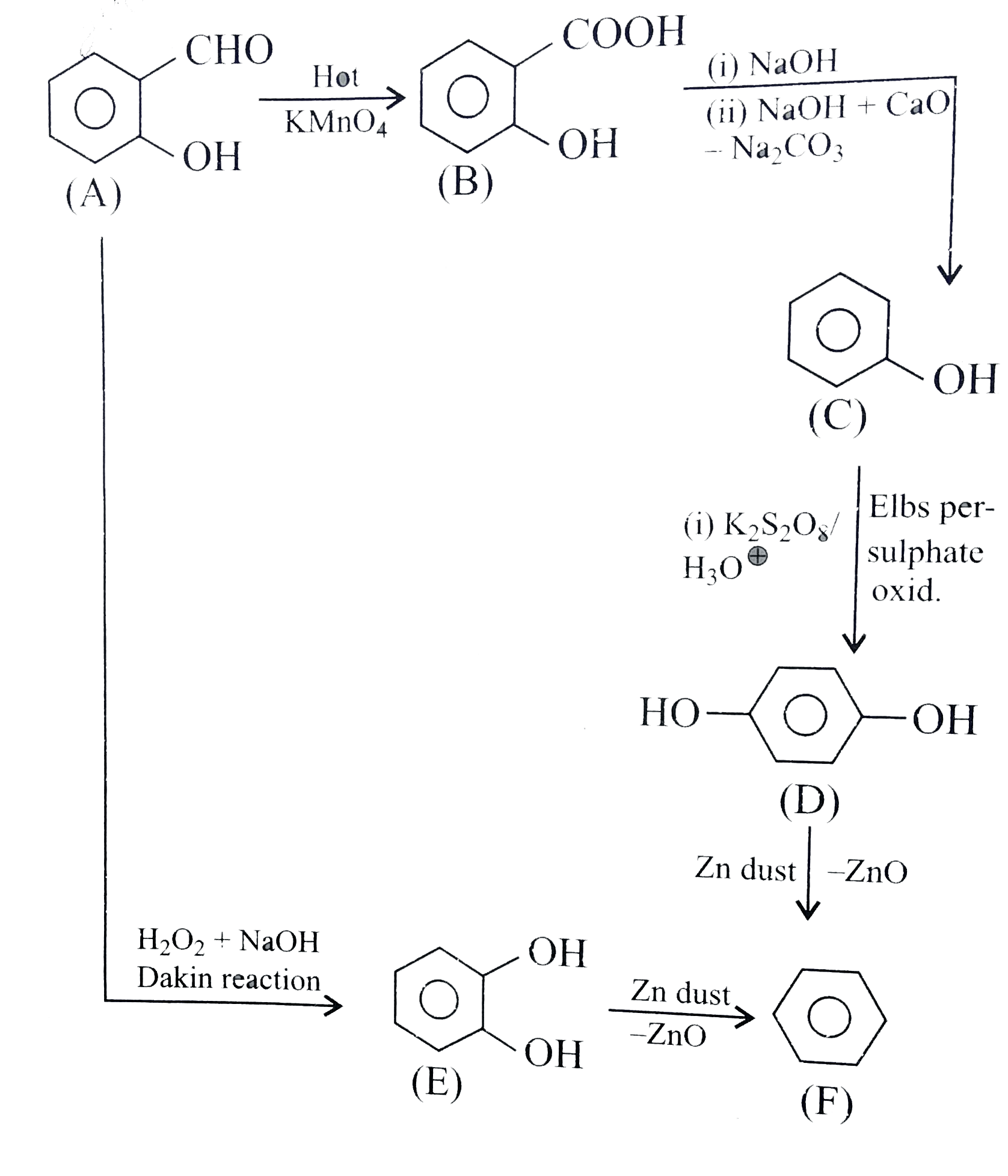
Verified by Experts
The correct Answer is:



Topper's Solved these Questions
REDUCTION AND OXIDATION REACTION OF ORGANIC COMPOUNDS
CENGAGE CHEMISTRY ENGLISH|Exercise Exercise (Multiple Correct)|35 VideosREDUCTION AND OXIDATION REACTION OF ORGANIC COMPOUNDS
CENGAGE CHEMISTRY ENGLISH|Exercise Exercise (Single Correct)|90 VideosREDUCTION AND OXIDATION REACTION OF ORGANIC COMPOUNDS
CENGAGE CHEMISTRY ENGLISH|Exercise EXERCISES|1 VideosQUALITATIVE INORGANIC SALT ANALYSIS
CENGAGE CHEMISTRY ENGLISH|Exercise Viva Voce Questions And Part-C (Analysis Of Cations)|42 VideosSOLID STATE
CENGAGE CHEMISTRY ENGLISH|Exercise Ex 1.2 (Objective)|9 Videos
Similar Questions
Explore conceptually related problems
CENGAGE CHEMISTRY ENGLISH-REDUCTION AND OXIDATION REACTION OF ORGANIC COMPOUNDS-Exercise (Linked Comprehension)
- The compound (C ) is:
Text Solution
|
- The compound (D) is:
Text Solution
|
- The compound (E) is:
Text Solution
|
- In the formation of compoud (E) from (A), the name of the reaction is:
Text Solution
|
- The compound (F) is:
Text Solution
|
- The compound (B) is:
Text Solution
|
- The compound (C ) and (D), respectively, are:
Text Solution
|
- The compound (F) is:
Text Solution
|
- The compound (G) and (H), respectively, are:
Text Solution
|
- The compound (I) is:
Text Solution
|
- The compound (J) and (K), respectively, are:
Text Solution
|
- The compound (A) is:
Text Solution
|
- The red colour of compound (B) is due to the formation of:
Text Solution
|
- The deep green colour of compound (C ) is due to the formation of:
Text Solution
|
- The deep blue colour of compound (D) is due to the formation of:
Text Solution
|
- The formation of different-colour compounds (B), (C ), and (D) from (A...
Text Solution
|
- The compound B is:
Text Solution
|
- The compound (C ) and the reaction involving the conversion of (B) to ...
Text Solution
|
- The compounds (D) and (E) respectively are:
Text Solution
|
- The compounds (F) and (G), repectively, are:
Text Solution
|