Home
Class 12
CHEMISTRY
SN reaction is given by these compounds...

`SN` reaction is given by these compounds, which have a nuclophilic group and a good leaving `EWG`. It should be stable after leaving with bonding pair of `overline(e)'s` and it should have high polarisability.
Nucliphilic aliphatic substituion reaction is mainly of two types `SN^(-1)` and `SN^(2). SN^(-1)` mechanism is a two step process. Reaction velocity of `SN^(-1)` depends only on the concentration of the subtrate. It proceeds via the formation of carbocation, optically active substrate gives `(o+)` and `(o-)` froms of the product.
In most of the cases, the product usually consists of `5-20%` inverted and `(95-80%)` racemised species. The more stable is the carbocation, the greater is the propotion of racemisation. In solvolysis reaction, the more nucleophillic is the solvent, the greater is the proportion of inversion.
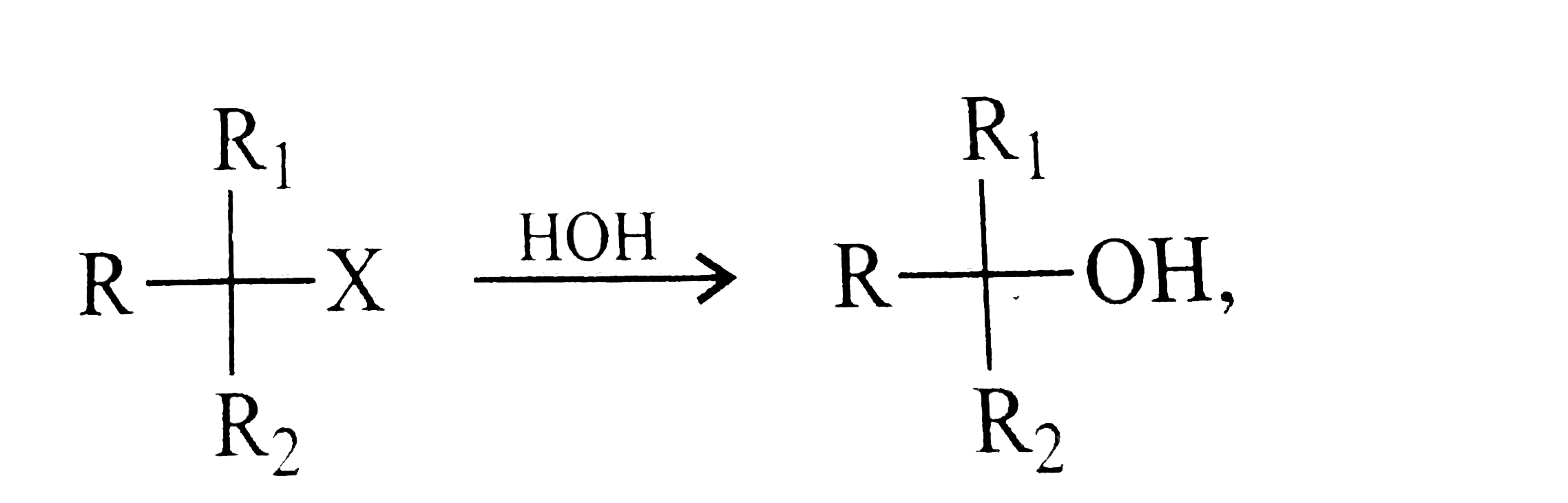
For the reaction

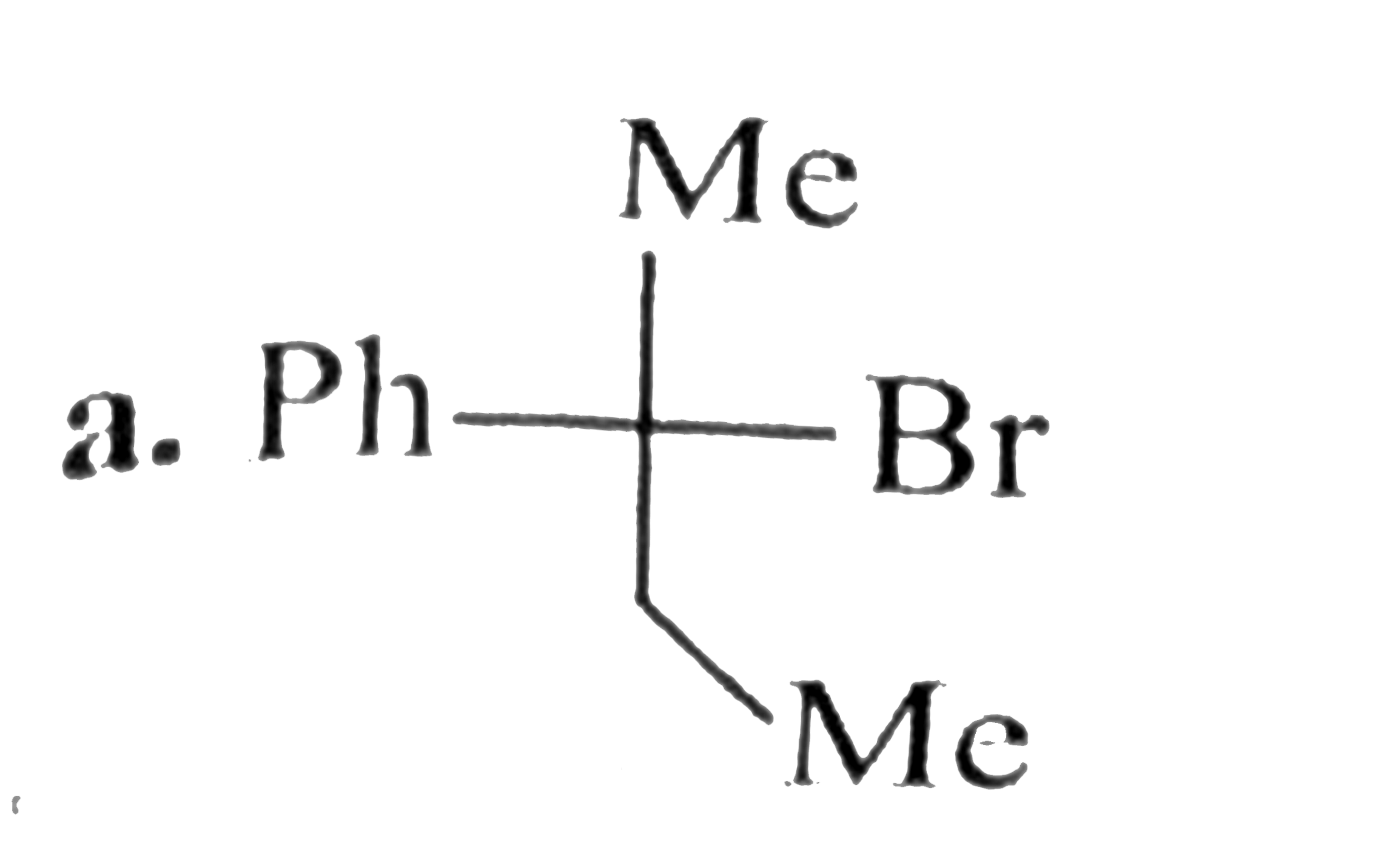
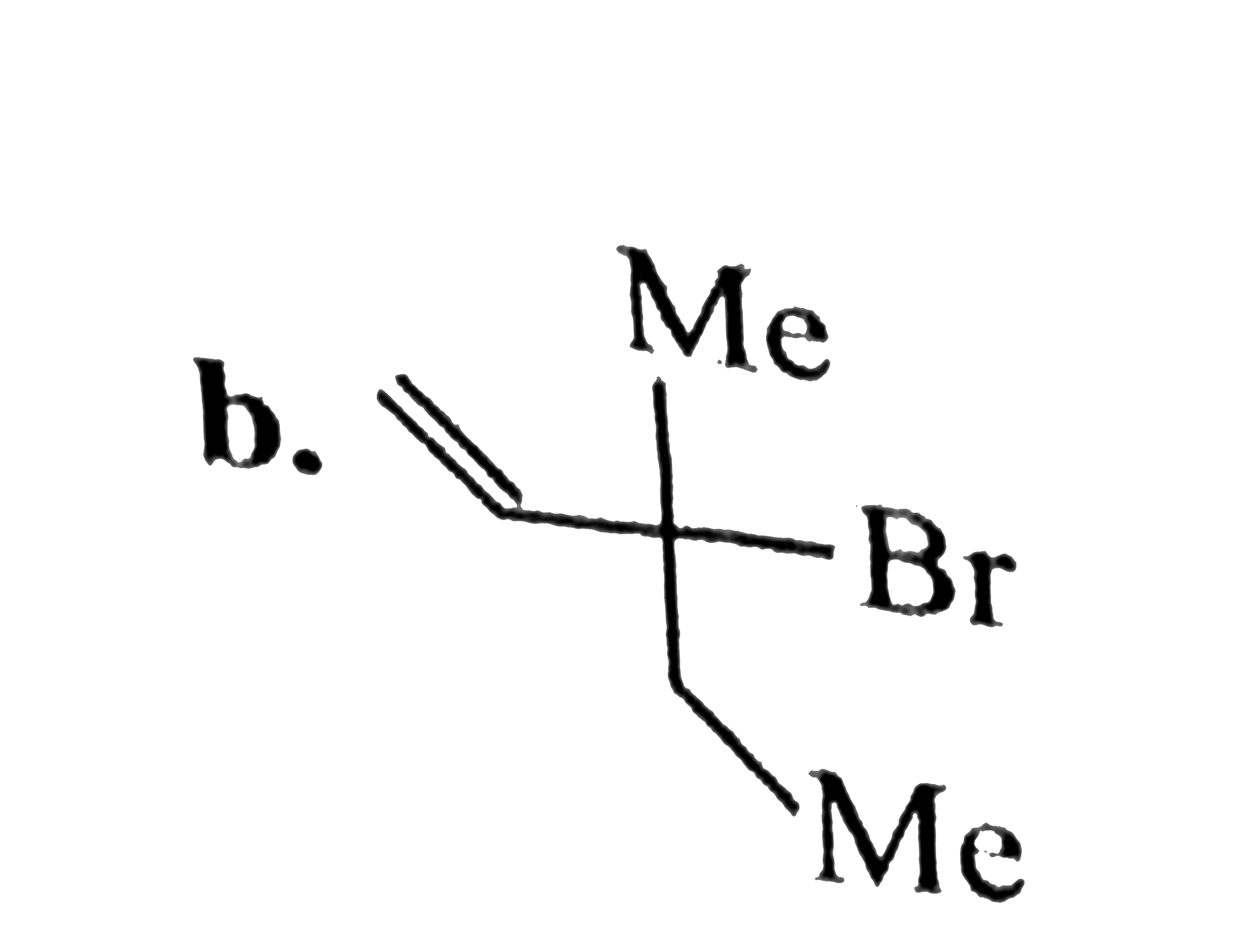
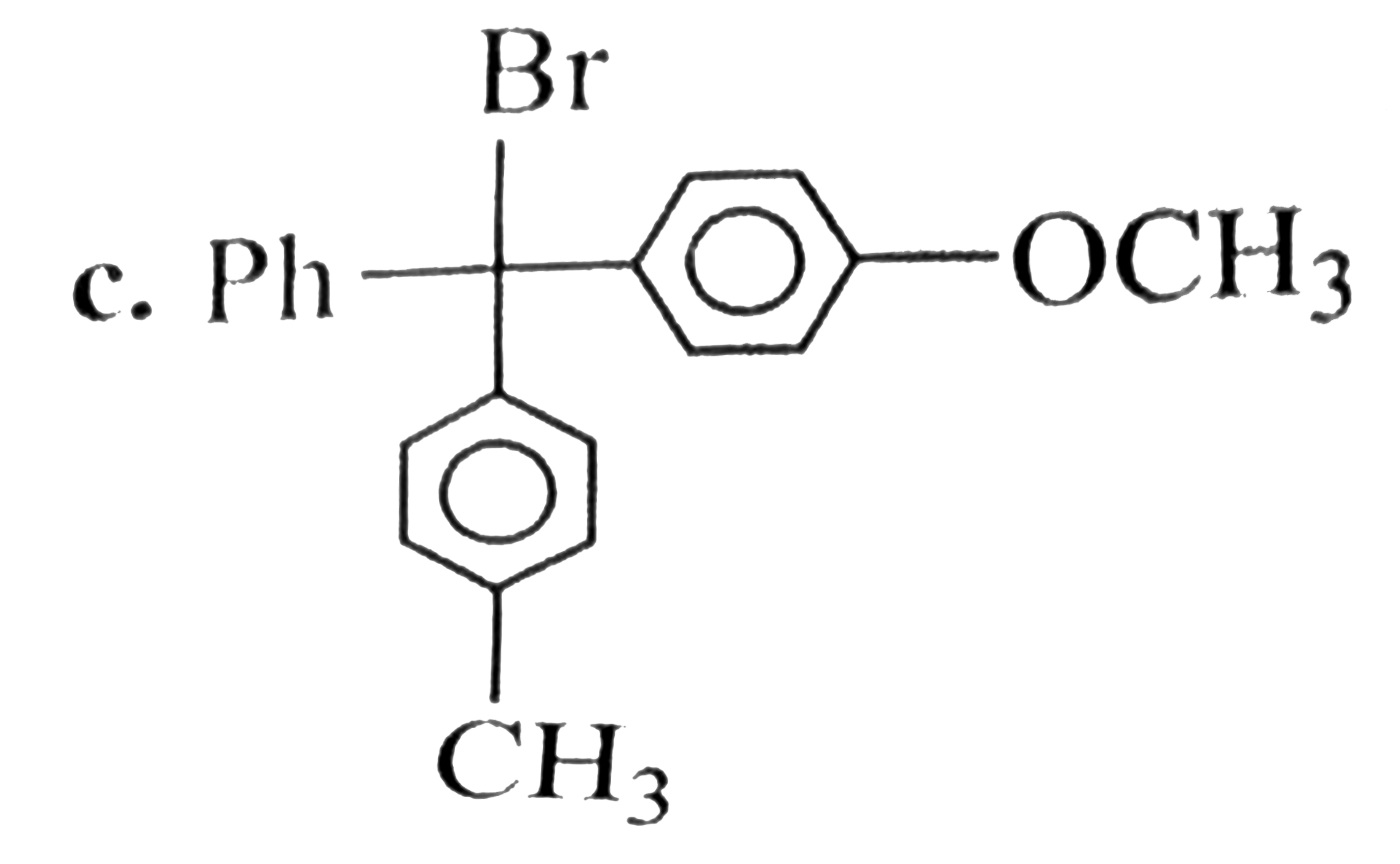
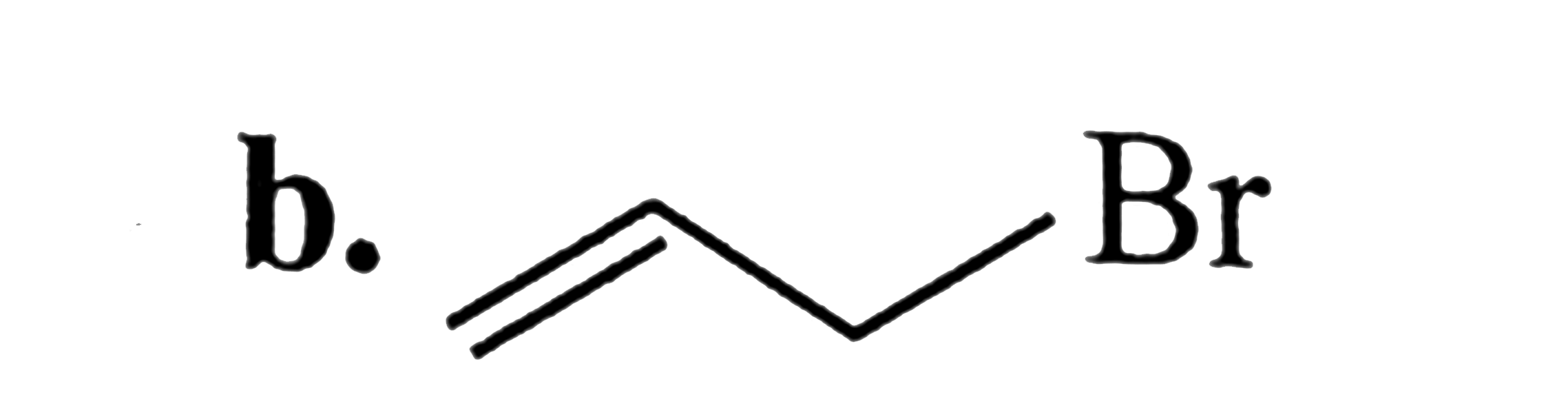
which substrate will give maximum racemismision ?

A

B

C

D

Text Solution

Verified by Experts

The correct Answer is:

`c`

`Ph_(3)C^(o+)` with `EDG` is more stable and favors `SN^(1)` reaction and gives maximum racemission.
Promotional Banner

Topper's Solved these Questions

  • AROMATIC COMPOUNDS AND ALKYL AND ARYL HALIDES

    CENGAGE CHEMISTRY ENGLISH|Exercise Exercises Multiple Correct|32 Videos
  • AROMATIC COMPOUNDS AND ALKYL AND ARYL HALIDES

    CENGAGE CHEMISTRY ENGLISH|Exercise Exercises Multiple Correct Answers Type|15 Videos
  • AROMATIC COMPOUNDS AND ALKYL AND ARYL HALIDES

    CENGAGE CHEMISTRY ENGLISH|Exercise Exercises Linked Compreshension|58 Videos
  • APPENDIX INORGANIC VOLUME 2

    CENGAGE CHEMISTRY ENGLISH|Exercise Short Answer Type|179 Videos
  • BIOMOLECULES

    CENGAGE CHEMISTRY ENGLISH|Exercise Exercises Archives (Analytical And Descriptive)|8 Videos

Similar Questions

Explore conceptually related problems

SN reaction is given by these compounds, which have a nuclophilic group and a good leaving EWG . It should be stable after leaving with bonding pair of overline(e)'s and it should have high polarisability. Nucliphilic aliphatic substituion reaction is mainly of two types SN^(-1) and SN^(2). SN^(-1) mechanism is a two step process. Reaction velocity of SN^(-1) depends only on the concentration of the subtrate. It proceeds via the formation of carbocation, optically active substrate gives (o+) and (o-) froms of the product. In most of the cases, the product usually consists of 5-20% inverted and (95-80%) racemised species. The more stable is the carbocation, the greater is the propotion of racemission. In solvolysis reaction, the more nucleophillic is the solvent, the greater is the proportion of inversion. Which of the following gives SN^(1) reaction?

SN reaction is given by these compounds, which have a nuclophilic group and a good leaving EWG . It should be stable after leaving with bonding pair of overline(e)'s and it should have high polarisability. Nucliphilic aliphatic substituion reaction is mainly of two types SN^(-1) and SN^(2). SN^(-1) mechanism is a two step process. Reaction velocity of SN^(-1) depends only on the concentration of the subtrate. It proceeds via the formation of carbocation, optically active substrate gives (o+) and (o-) froms of the product. In most of the cases, the product usually consists of 5-20% inverted and (95-80%) racemised species. The more stable is the carbocation, the greater is the propotion of racemission. In solvolysis reaction, the more nucleophillic is the solvent, the greater is the proportion of inversion. Which of the following will give SN reaction?

SN reaction is given by these compounds, which have a nuclophilic group and a good leaving EWG . It should be stable after leaving with bonding pair of overline(e)'s and it should have high polarisability. Nucliphilic aliphatic substituion reaction is mainly of two types SN^(-1) and SN^(2). SN^(-1) mechanism is a two step process. Reaction velocity of SN^(-1) depends only on the concentration of the subtrate. It proceeds via the formation of carbocation, optically active substrate gives (o+) and (o-) froms of the product. In most of the cases, the product usually consists of 5-20% inverted and (95-80%) racemised species. The more stable is the carbocation, the greater is the propotion of racemission. In solvolysis reaction, the more nucleophillic is the solvent, the greater is the proportion of inversion. Which of the following gives SN^(1) reaction? Select the correct answer.

Which of the following compounds gives SN^(1), SN^(2) and SN^(2) mechanisms?

The first steps of SN^(1) and SN^(2) recatiosns are, respectively

Walden inversion takes place in SN^2 reaction. Half-life period of SN^2 reaction is inversely proportional to the concentration of the substrate or nucleophile or both.

Write the products of the following SN reactions. .

The most reactive towards SN^(1) is:

The correct order of reactivity of the following bromides towards S_N 1 reaction is

Select the meta directing groups towards S_N reaction.
