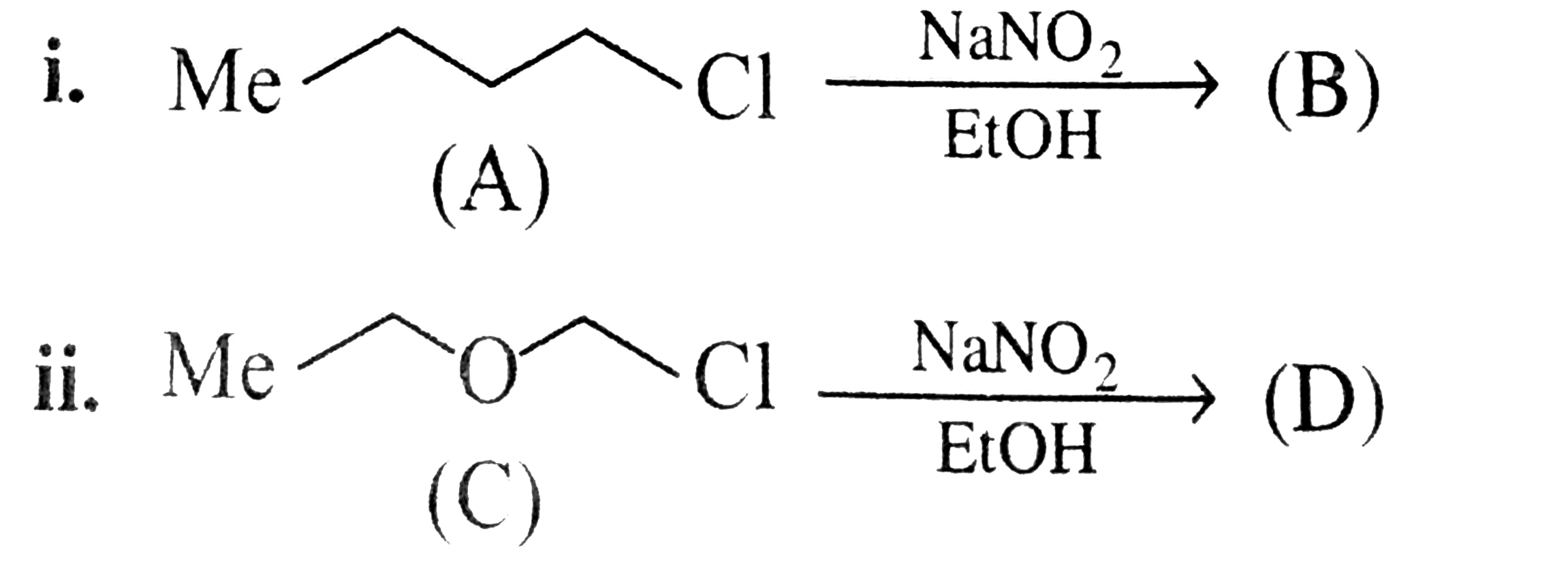
A
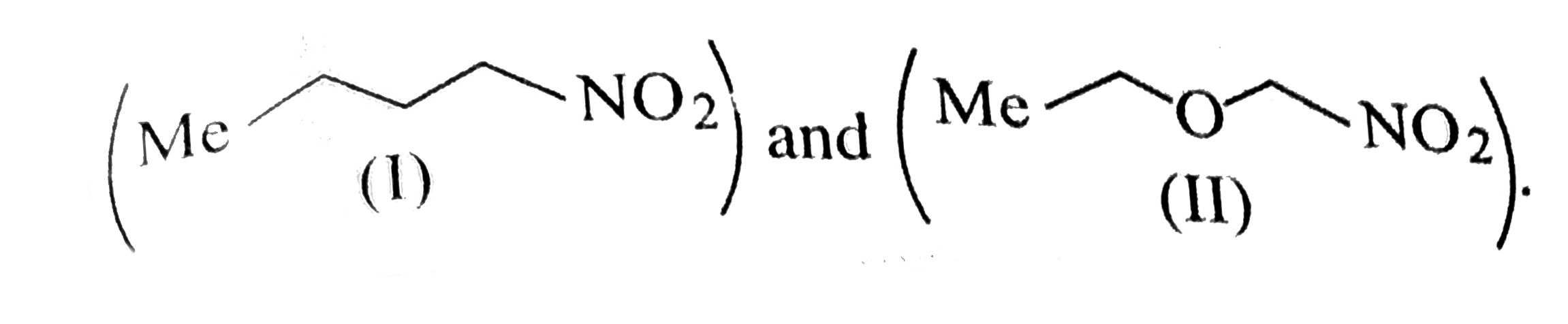
B

C
D
Text Solution
Verified by Experts
The correct Answer is:



Topper's Solved these Questions
AROMATIC COMPOUNDS AND ALKYL AND ARYL HALIDES
CENGAGE CHEMISTRY ENGLISH|Exercise Exercises Single Correct Answer Type|28 VideosAROMATIC COMPOUNDS AND ALKYL AND ARYL HALIDES
CENGAGE CHEMISTRY ENGLISH|Exercise Exercises Single Correct|154 VideosAROMATIC COMPOUNDS AND ALKYL AND ARYL HALIDES
CENGAGE CHEMISTRY ENGLISH|Exercise Exercises Multiple Correct|32 VideosAPPENDIX INORGANIC VOLUME 2
CENGAGE CHEMISTRY ENGLISH|Exercise Short Answer Type|179 VideosBIOMOLECULES
CENGAGE CHEMISTRY ENGLISH|Exercise Exercises Archives (Analytical And Descriptive)|8 Videos
Similar Questions
Explore conceptually related problems
CENGAGE CHEMISTRY ENGLISH-AROMATIC COMPOUNDS AND ALKYL AND ARYL HALIDES -Exercises Multiple Correct Answers Type
- Which of the following statements is/are correct for the above reactio...
Text Solution
|
- beta- Elimination or anti-eliminination reaction is carried out with b...
Text Solution
|
- Which combination of reactants will not give species (I) shown as a re...
Text Solution
|
- Consider the following reactiions: Which of the staements are cor...
Text Solution
|
- Consider the following reactions: I. CH(3)CH(2)I underset(E2)overse...
Text Solution
|
- Consider the following reactions. Which staements(s) is/are wro...
Text Solution
|
- In the conversation of optically active (R) from of 2- chlorobutane to...
Text Solution
|
- In which of the following steps does inversion occur?
Text Solution
|
- Consider the following reactions. The products (D),(E),(I) and (...
Text Solution
|
- Which of the following statemetns are correct?
Text Solution
|
- Which of the following statemetns are true?
Text Solution
|
- Which of the following statements are correct?
Text Solution
|
- The name of the compound is:
Text Solution
|
- The name of the compound is:
Text Solution
|
- Energy diagram of SN^(1) and SN^(2) reactions. The order of hydrolysis...
Text Solution
|