
A
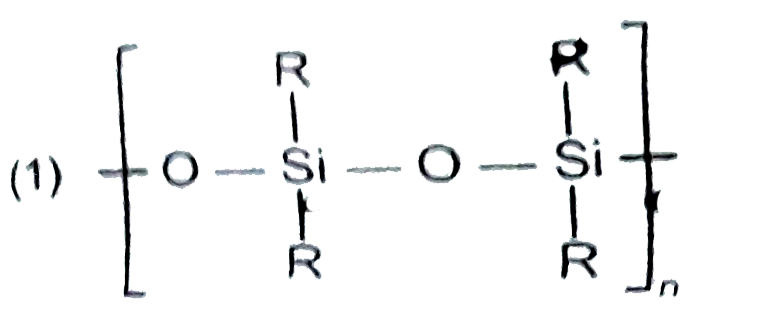
B
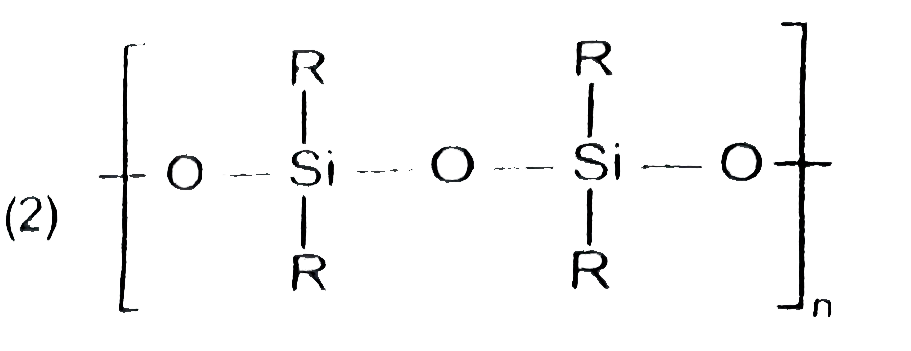
C
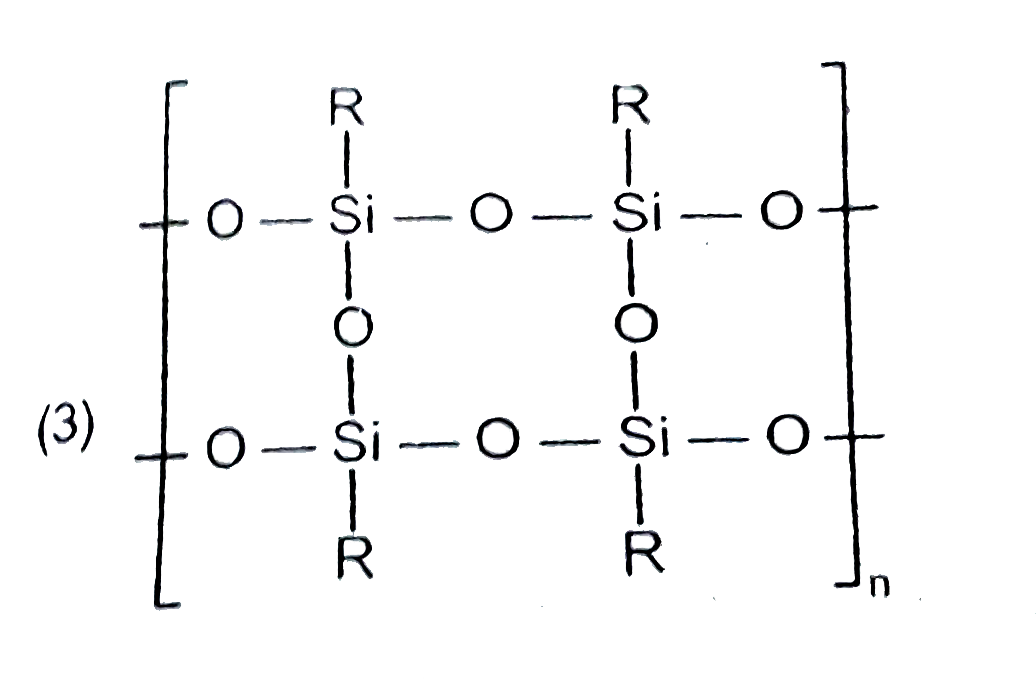
D
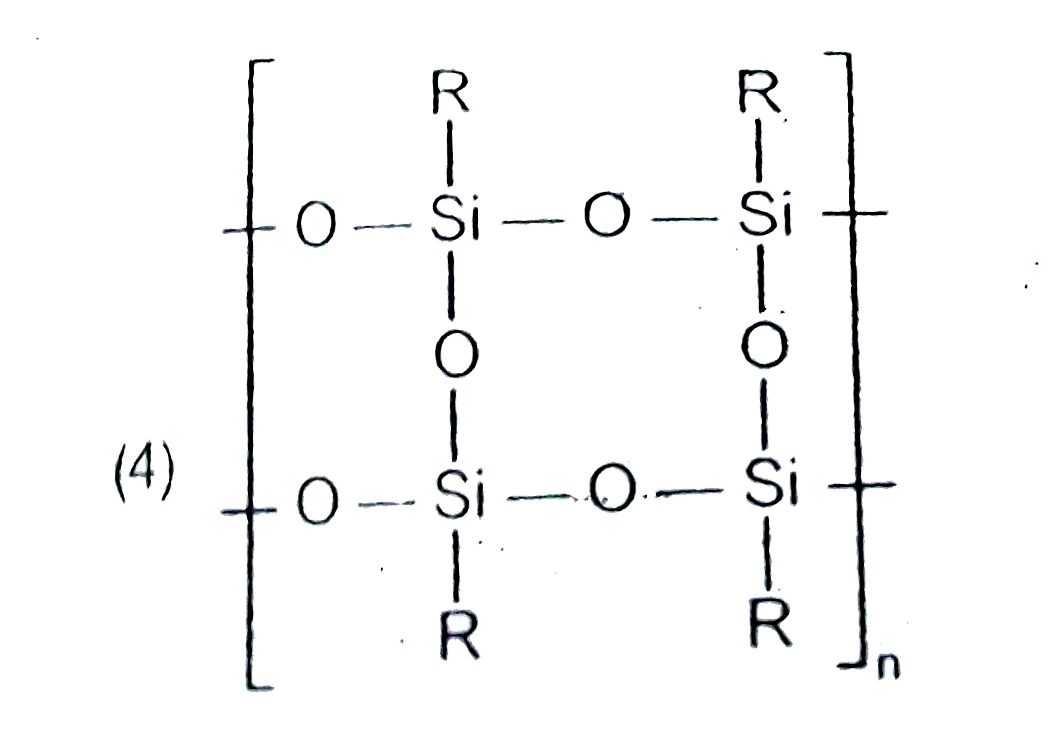
Text Solution
Verified by Experts
The correct Answer is:



Topper's Solved these Questions
THE P-BLOCK ELEMENTS
AAKASH INSTITUTE ENGLISH|Exercise Assignment Section-E)|24 VideosTHE P-BLOCK ELEMENTS
AAKASH INSTITUTE ENGLISH|Exercise Assignment Section-F)|7 VideosTHE P-BLOCK ELEMENTS
AAKASH INSTITUTE ENGLISH|Exercise Assignment Section-C)|23 VideosTHE D AND F-BLOCK ELEMENTS
AAKASH INSTITUTE ENGLISH|Exercise Assingment ( Section-J Aakash Challengers Questions )|10 VideosTHE S-BLOCK ELEMENTS
AAKASH INSTITUTE ENGLISH|Exercise Assignment (Section-J)|10 Videos
Similar Questions
Explore conceptually related problems
AAKASH INSTITUTE ENGLISH-THE P-BLOCK ELEMENTS-Assignment Section-D)
- Q. In the above reaction the product (C) resembles with
Text Solution
|
- Q. Hybridization of B in compound (B) is
Text Solution
|
- Q. Borax structure contains
Text Solution
|
- Q. Which of the following statement is correct regarding C(60) fullere...
Text Solution
|
- Allotropes of carbon: There are three forms of carbon. i.e., diamond, ...
Text Solution
|
- Allotropes of carbon: There are three forms of carbon. i.e., diamond, ...
Text Solution
|
- If (C) is silicone, then answer the following questions. Q. (A) and ...
Text Solution
|
- If (C) is silicone, then answer the following questions. Q. Mode by ...
Text Solution
|
- If (C) is silicone, then answer the following questions. Q. Structur...
Text Solution
|
- Nitrogen forms largest number of oxides in which oxidation state of ni...
Text Solution
|
- Nitrogen forms largest number of oxides in which oxidation state of ni...
Text Solution
|
- Nitrogen forms largest number of oxides in which oxidation state of ni...
Text Solution
|
- Tin and lead form divalent Sn (II) and lead (II) and tetravalent i.e.,...
Text Solution
|
- Tin and lead form divalent Sn (II) and ead (II) and tetravalent i.e., ...
Text Solution
|
- Tin and lead form divalent Sn (II) and lead (II) and tetravalent i.e.,...
Text Solution
|