Home
Class 12
CHEMISTRY
Which of the following compound is most ...

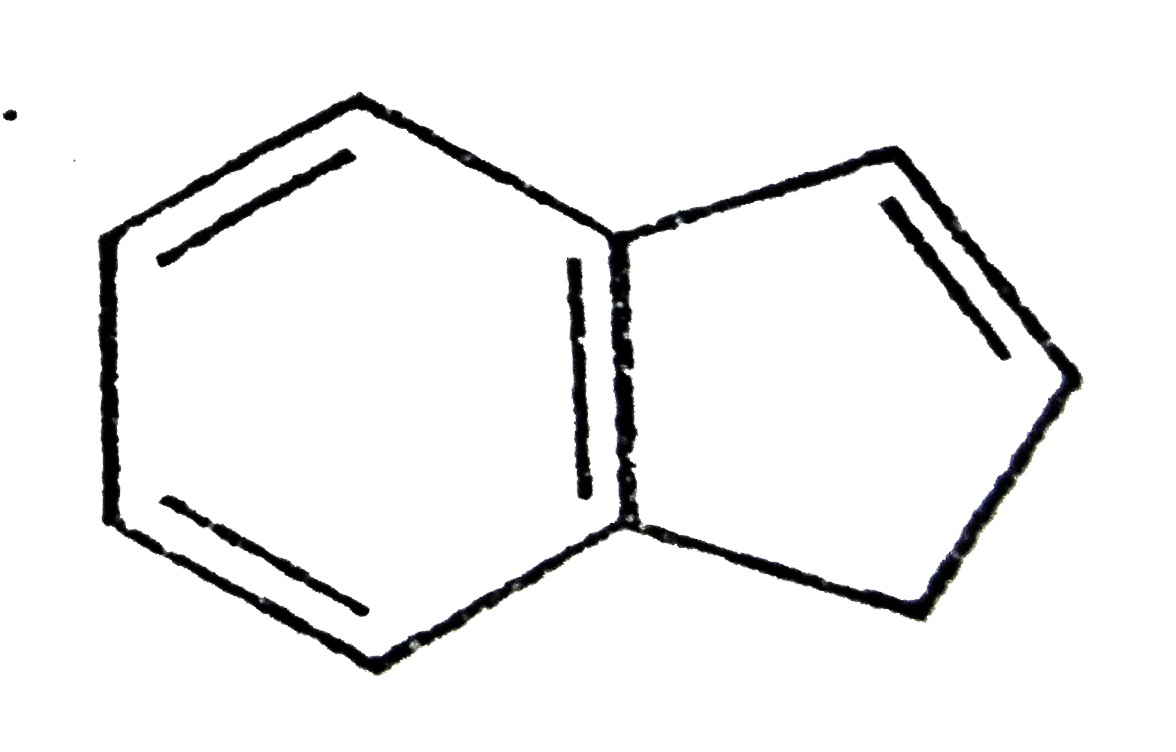
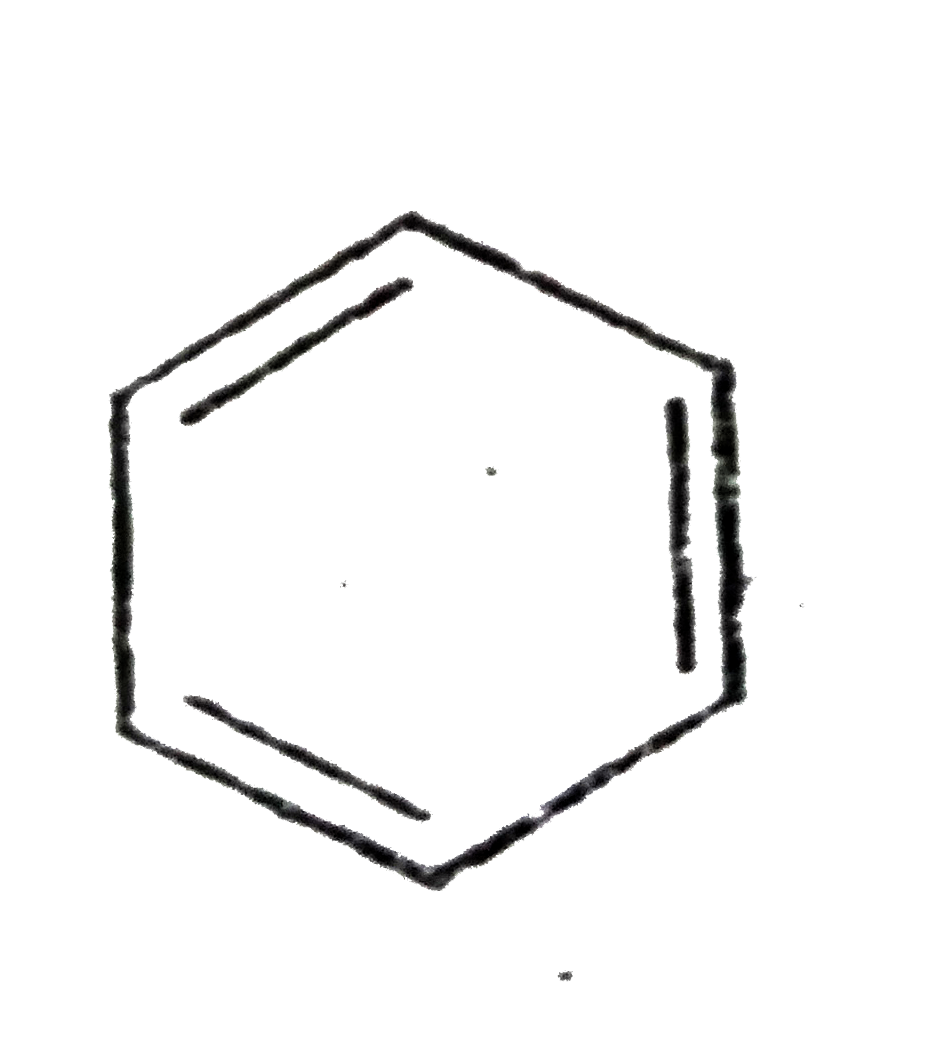
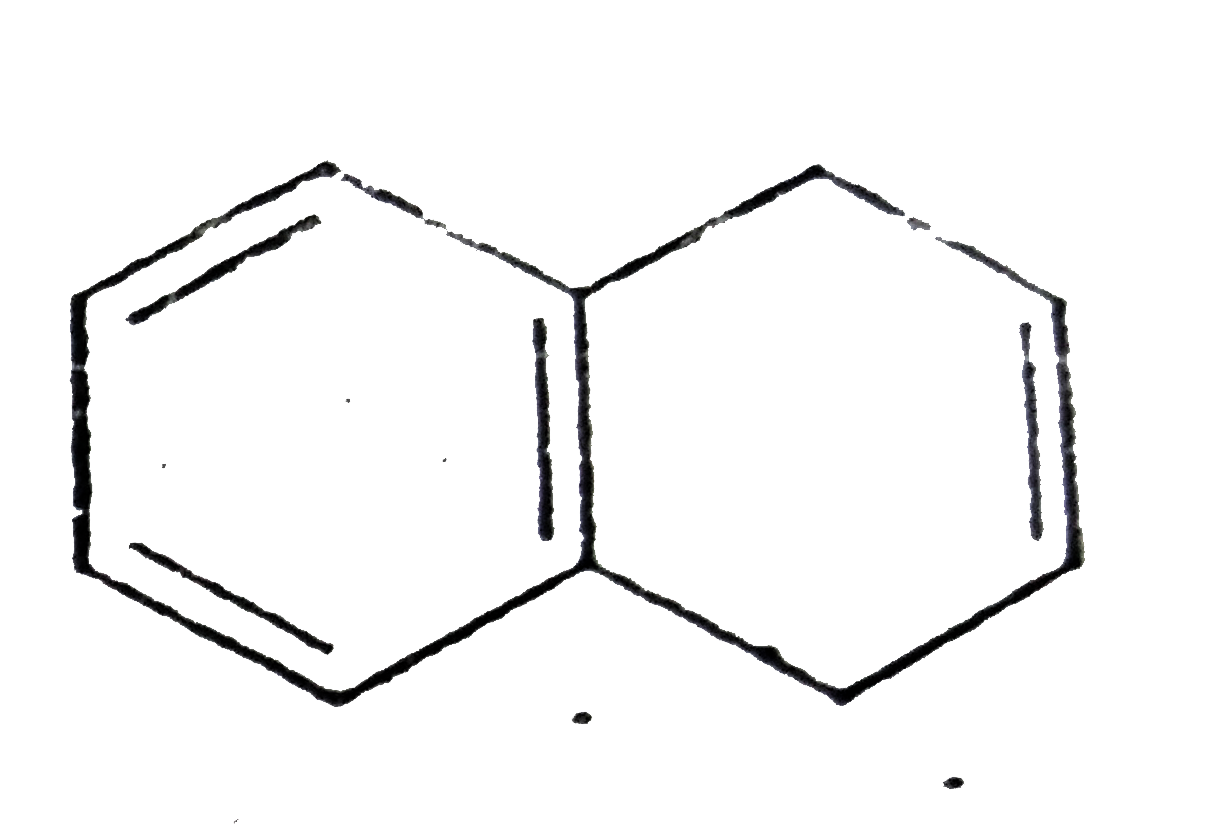
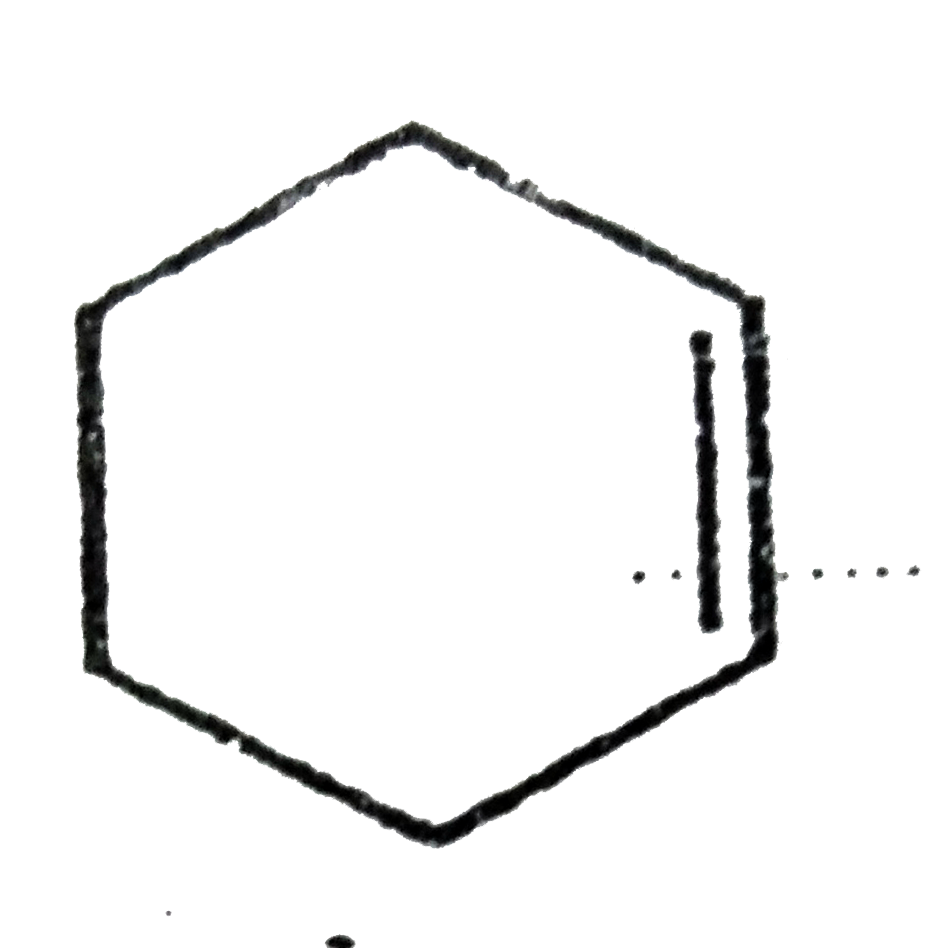
Which of the following compound is most reactive towards an electrophite `(E^(+))` ?

A

B

C

D

Text Solution

AI Generated Solution

The correct Answer is:

To determine which compound is most reactive towards an electrophile (E⁺), we need to analyze the stabilization of the carbocation that forms during the electrophilic addition reaction. The more stable the carbocation, the more reactive the compound will be towards the electrophile. ### Step-by-Step Solution: 1. **Identify the Compounds**: - Let's say we have four compounds: A, B, C, and D. We need to analyze each one for its reactivity towards an electrophile. 2. **Understand Electrophilic Addition**: - In electrophilic addition reactions, the pi bond (which is electron-rich) attacks the electrophile (which is electron-deficient). This results in the formation of a carbocation. 3. **Analyze Carbocation Stability**: - The stability of the carbocation formed after the electrophilic attack is crucial. The more stable the carbocation, the more reactive the compound will be towards the electrophile. 4. **Evaluate Each Compound**: - **Compound A**: When it reacts, it forms a carbocation that is resonance-stabilized by three pi bonds. This makes it highly stable. - **Compound B (Benzene)**: This compound forms a carbocation that is resonance-stabilized by two pi bonds. It is stable but less so than Compound A. - **Compound C**: Similar to Compound B, it forms a carbocation that is resonance-stabilized by two pi bonds, making it comparable to Compound B in terms of stability. - **Compound D (Cyclohexene)**: When this compound reacts, it forms a carbocation that is not resonance-stabilized. This makes it the least stable and therefore the least reactive towards the electrophile. 5. **Conclusion**: - Based on the stability of the carbocations formed, Compound A is the most reactive towards the electrophile because it has the most stable carbocation due to resonance stabilization by three pi bonds. ### Final Answer: **Compound A is the most reactive towards the electrophile (E⁺).**
Promotional Banner

Topper's Solved these Questions

  • HYDROCARBONS

    AAKASH INSTITUTE ENGLISH|Exercise SECTION-C OBJECTIVE TYPE QUESTIONS (MORE THAN ONE OPTIONS ARE CORRECT)|12 Videos
  • HYDROCARBONS

    AAKASH INSTITUTE ENGLISH|Exercise SECTION-D LINKED COMPREHENSION TYPE QUESTIONS|7 Videos
  • HYDROCARBONS

    AAKASH INSTITUTE ENGLISH|Exercise ASSIGNMENT SECTION-A COMPETITION LEVEL DIFFER BY|50 Videos
  • HALOALKANES AND HALOARENES

    AAKASH INSTITUTE ENGLISH|Exercise ASSIGNMENT SECTION -D|15 Videos
  • HYDROGEN

    AAKASH INSTITUTE ENGLISH|Exercise ASSIGNMENT (SECTION - D) (Assertion-Reason Type question)|15 Videos

Similar Questions

Explore conceptually related problems

Which one of the following is most reactive towards water?

Which of the following is most reactive towards aqueous NaOH?

Which of the following is the most reactive metal?

Which one of the following is most reactive towards electrophilic attack?

Which of the following haloalkanes is most reactive?

Which of the following phosphorus is the most reactive?

Which one of the following is most reactive towards electrophillic reagent?

Which of the following halogens is the most reactive?

Which of the following is most reactive for hydrolysis ?

AAKASH INSTITUTE ENGLISH-HYDROCARBONS-SECTION-B OBJECTIVE TYPE QUESTIONS (ONE OPTION IS CORRECT)
  1. Consider the following reaction: CH(3)underset(D)underset(|)CH-under...

    Text Solution

    |

  2. In the given reaction CH(3)-overset(O)overset(||)(C)-C(2)H(5)overset...

    Text Solution

    |

  3. The most suitable sequence of reagents to perform this conversion is

    Text Solution

    |

  4. The compound having only primary hydrogen atoms is

    Text Solution

    |

  5. Which equation does not represent an example of Friedal-crafts reactio...

    Text Solution

    |

  6. In the reactions underset(CH2)overset(CH2)(||)underset"acid"overset"H...

    Text Solution

    |

  7. Arrange the following compounds in increasing order of reactivity towa...

    Text Solution

    |

  8. Among the following compounds, the decreasing order of reactivity towa...

    Text Solution

    |

  9. The alkene formed as a major product in the above elimination reaction...

    Text Solution

    |

  10. HBr reacts with CH(2)=CH-OCH(3) under anhydrous conditions at room tem...

    Text Solution

    |

  11. Colouration of Br(2)//C Cl(4) will be discharged by

    Text Solution

    |

  12. underset(Br)underset(|)(CH(2))-CH=CH-underset(Br)underset(|)(CH(2))ove...

    Text Solution

    |

  13. The ozonolysis product is

    Text Solution

    |

  14. Consider the following reaction The reactive intermediate invovled ...

    Text Solution

    |

  15. Reaction of HBr with propene in the presence of peroxide gives :-

    Text Solution

    |

  16. Which of the following compound is most reactive towards an electrophi...

    Text Solution

    |

  17. The reaction is : CH(3)CHBr-CH(2)Br+2KOH("alc.")overset(Delta)rarr C...

    Text Solution

    |

  18. Which of the following alkene in acid catalysed hydration form 2-methy...

    Text Solution

    |

  19. The reaction of chlorine water with propene gives

    Text Solution

    |

  20. Point out A in the given reaction sequence Aoverset(O(3)//H(2)O(2))r...

    Text Solution

    |
