Home
Class 12
CHEMISTRY
Treatment of primary amines with nitrous...

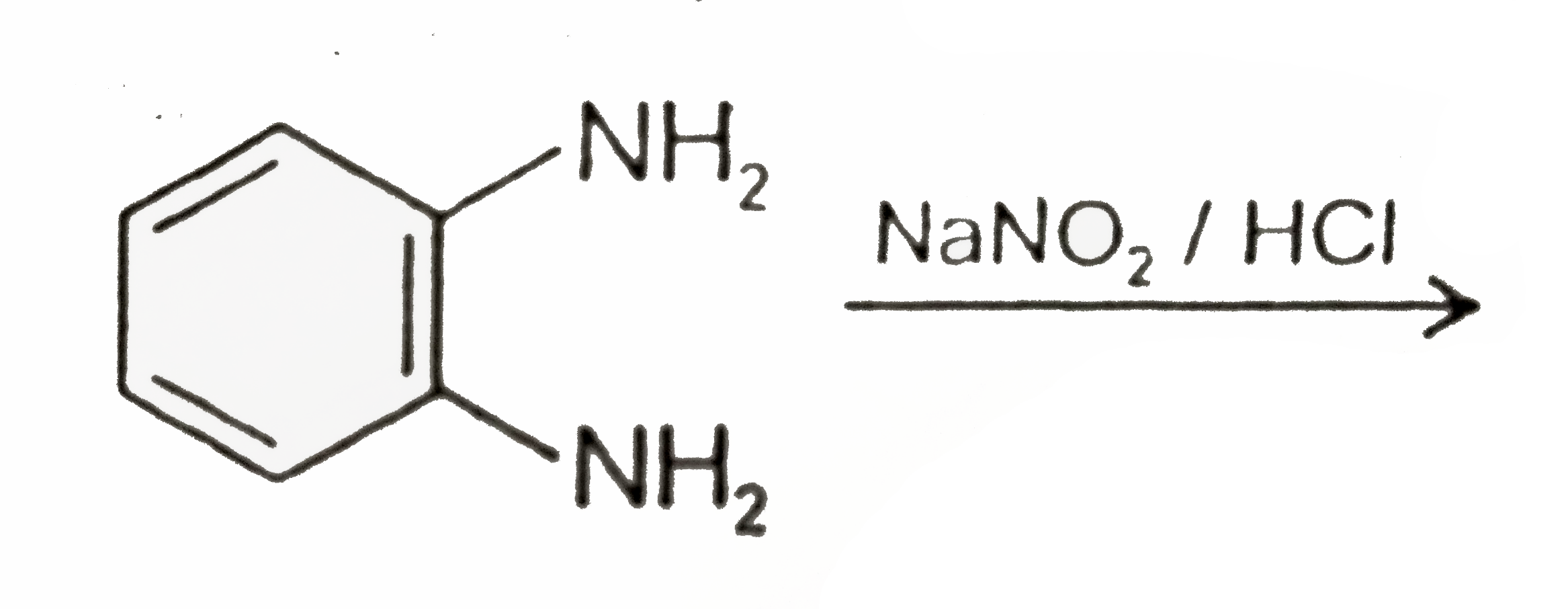
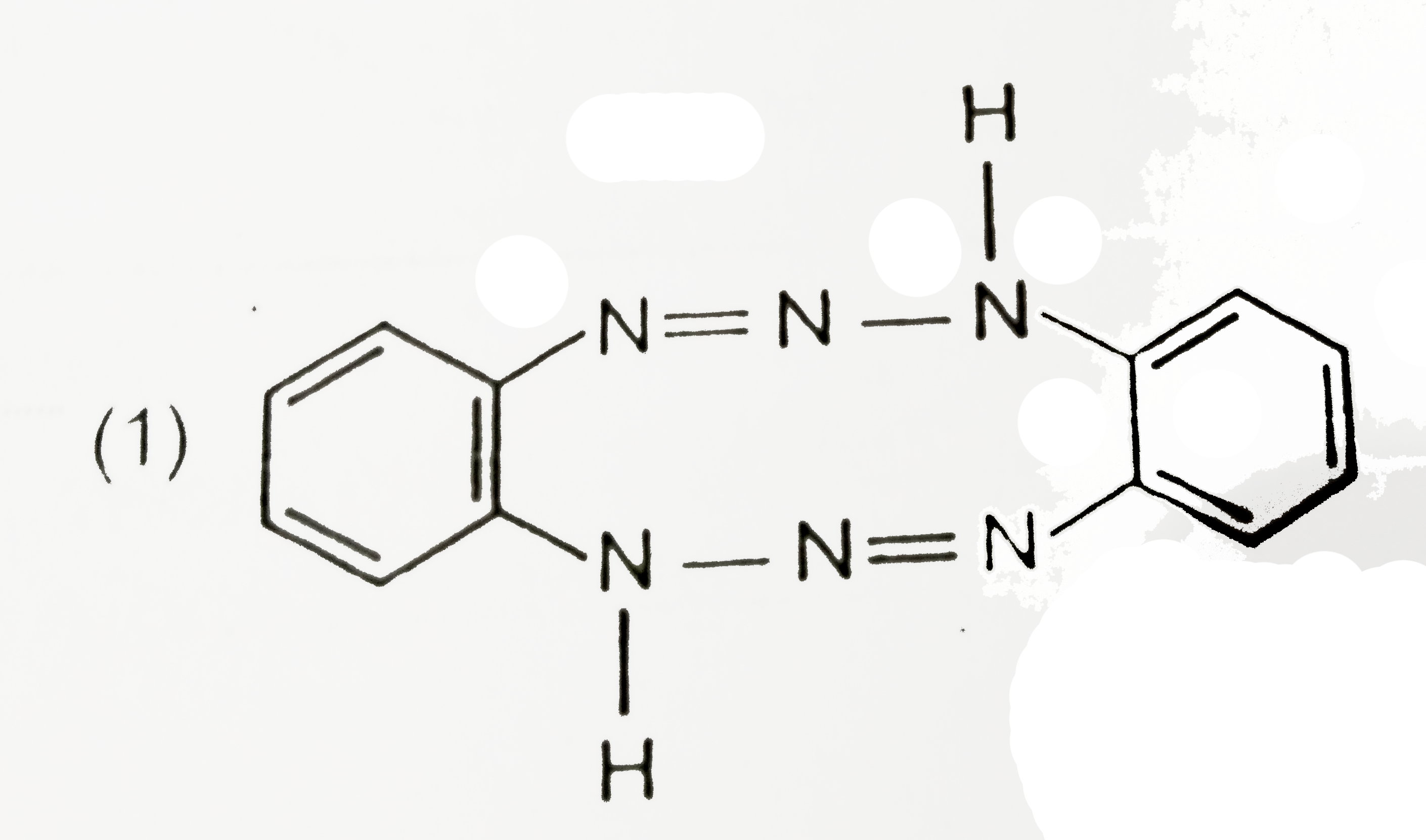
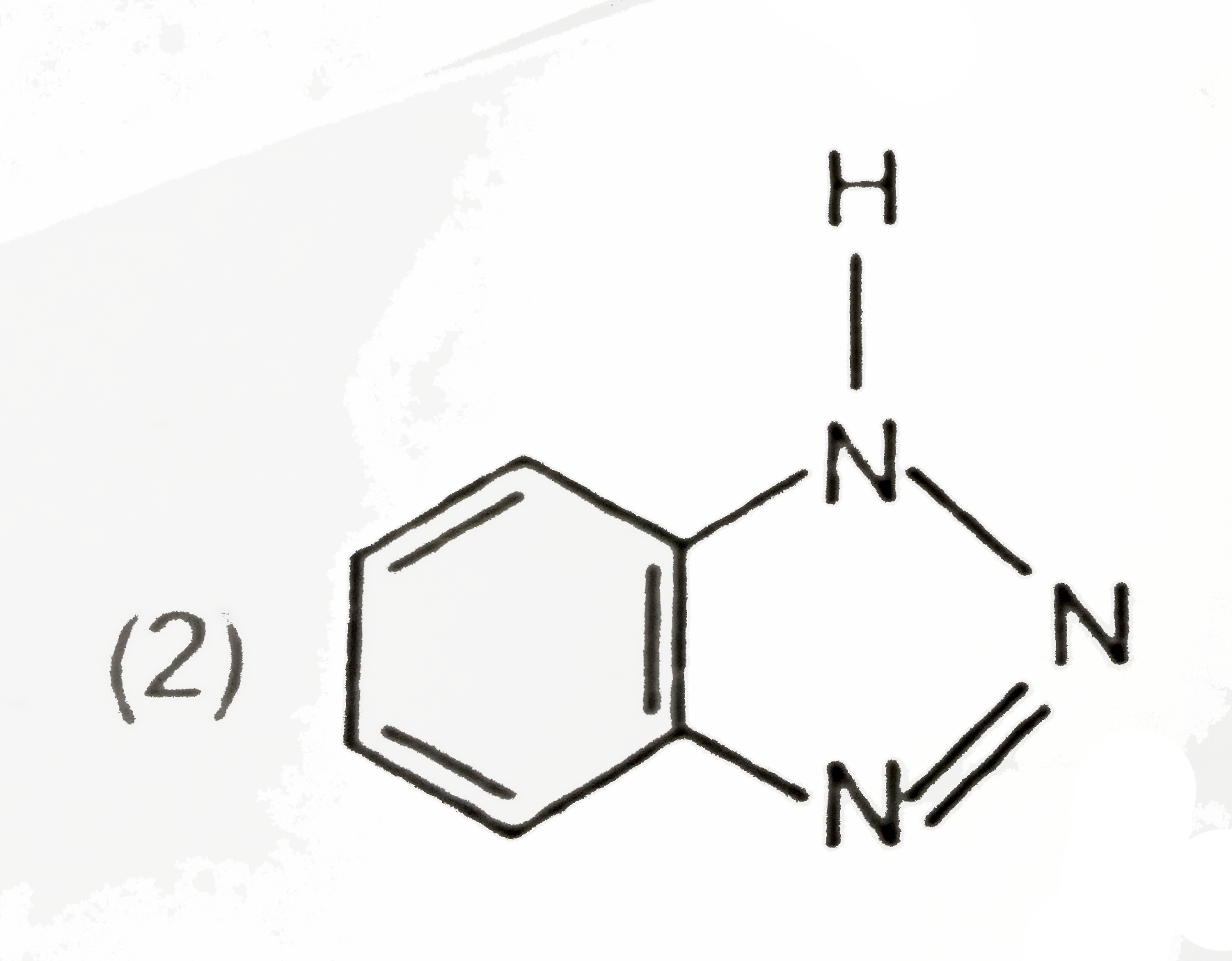
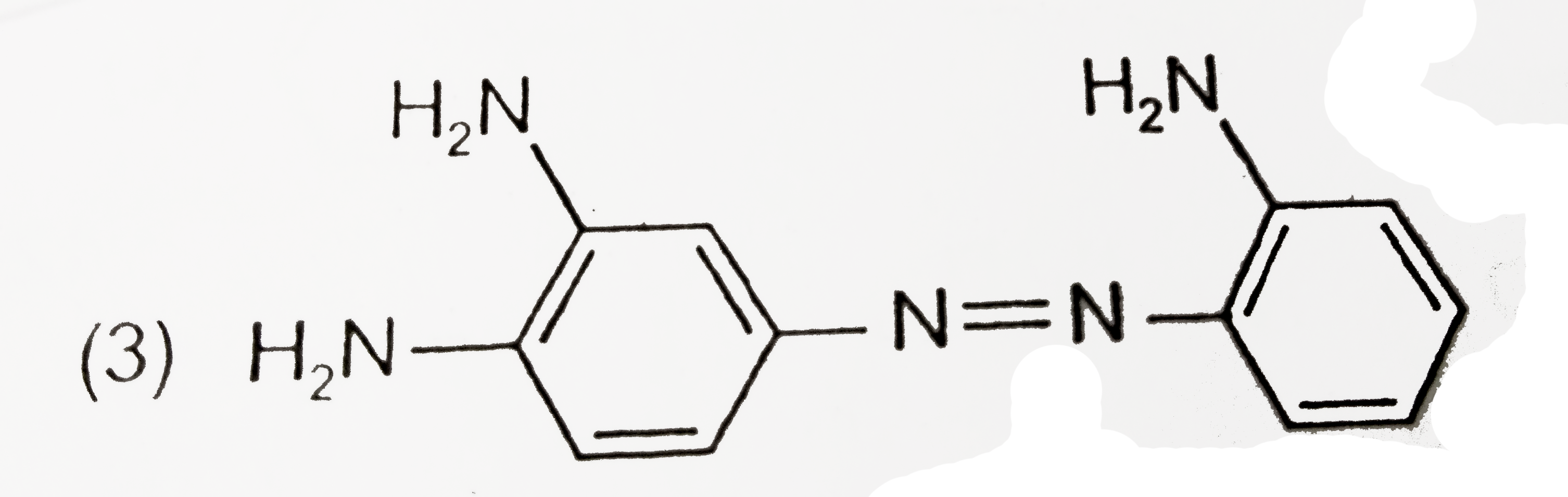
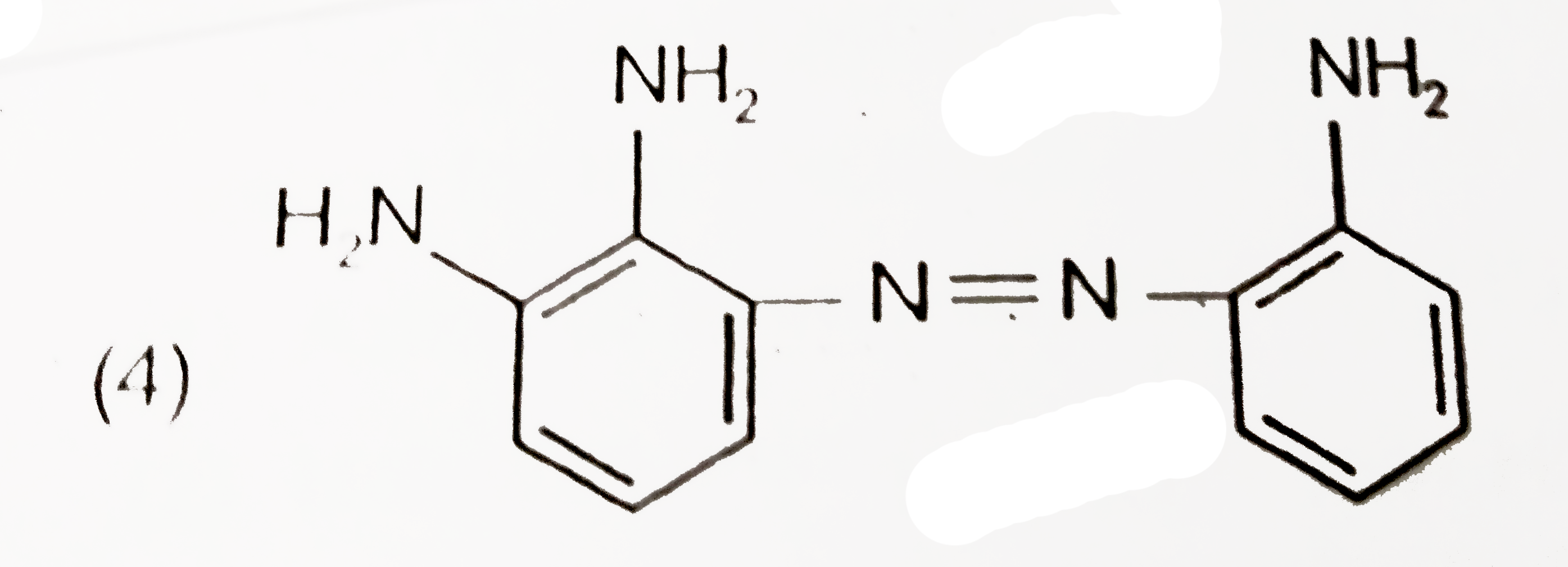
Treatment of primary amines with nitrous acid gives diazonium ions. Aliphatic diazonium ions decompose under the diazotization conditions to give complex mixture of products. Aryldiazonium ions are stable and is a valubale intermediate. They react with activated aromatic compounds to give coupling product.
What would be the product of the given reaction?

A

B

C

D

Text Solution

Verified by Experts

The correct Answer is:

B
Promotional Banner

Topper's Solved these Questions

  • AMINES

    AAKASH INSTITUTE ENGLISH|Exercise Assignment Section E Assertion-Reason Type Questions|9 Videos
  • AMINES

    AAKASH INSTITUTE ENGLISH|Exercise Assignment Section F Matrix- Match Type Questions|3 Videos
  • AMINES

    AAKASH INSTITUTE ENGLISH|Exercise Assignment Section C (Objective type questions more than one options are correct)|12 Videos
  • ALDEHYDES, KETONES AND CARBOXYLIC ACIDS

    AAKASH INSTITUTE ENGLISH|Exercise Try Yourself|20 Videos
  • BIOMOLECULES

    AAKASH INSTITUTE ENGLISH|Exercise EXERCISE (ASSIGNMENT) SECTION - D Assertion - Reason Type Questions|5 Videos

Similar Questions

Explore conceptually related problems

Treatment of primary amines with nitrous acid gives diazonium ions. Aliphatic diazonium ions decompose under the diazotization conditions to give complex mixture of products. Aryldiazonium ions are stable and is a valubale intermediate. They react with activated aromatic compounds to give coupling product. At what pH phenol reacts with benzene diazonium chloride to give coupling product?

At what pH phenol reacts with benzene diazonium chIoride to give coupling product?

Arenediazonium ion are weak electrophiles, they react with highly reactive aromatic compounds with phenols and tertiary aryl amines to yeild azo compounds. This electrophilic substitution is often called a diazo coupling reaction. What is the major product of given reaction?

Arenediazonium ion are weak electrophiles, they react with highly reactive aromatic compounds with phenols and tertiary aryl amines to yeild azo compounds. This electrophilic substitution is often called a diazo coupling reaction. What is the major product of given reaction?

Arenediazonium ion are weak electrophiles, they react with highly reactive aromatic compounds with phenols and tertiary aryl amines to yeild azo compounds. This electrophilic substitution is often called a diazo coupling reaction. What is the major product of given reaction? The product (P) is

Bacause of the resonance stabilization of Arylhalides they are unreactive toward normal nuclephilic substitution reactions . However arylhalides having strong electron withdrawing groups at ortho and para positions give aromatic nucleophilic substitution reactions (S_(N)Ar mechanism ) , which involves a resonance stablilized carbanion called Meisenheimer complex What would be the product of the given reaction ?

Attack by a strong nucleophile such as CH_(3)O^(Theta) (Methoxide ion ) on an epoxide occurs at the least hindered carbon similar to an S_(N)2 reaction Attack by a weak nucleophile such as MeOH . Can occur only when the epoxide has been protonated so that a better leaving group is formed under acidic condition weak nucleophile attacks more substituted carbon to give final product . What would be the major product of the given transformation ?

Alcohols undergo acid catalysed elimination reactions to produce alkenes. Because water is lost in the elimination , this reaction is called dehydration reaction. Secondary and tertiary alcohols always give E1 reaction in dehydration. Primary alcohols whose beta -carbon is branched also give E1 reaction. The reactivity of alcohol for elimination reaction is tertiary alcohol gt secondary school gt Primary alcohol. Identify the product in the given reaction :

Diazonium salt formation and coupling reaction: When a reaction mixture of phenyl amine and nitrous acid is kept below 10^(@)C , a diazonium salt is formed. This reaction is called diazotization reaction. The diazonium ion, -N_(2)^(+) , is rather unstable and decomposes readily to nitrogen. However, delocalization of the diazonium from pi- bond electron over a benzene ring phenyl diazonium sufficiently for it to form at low temperature. The phenyl diazonium ion behaves as an electrophile, and will attack another arene molecule such as phenol. Electrophilic subsitiution takes at the 4 position, producing 4-hydroxy phenyl azobenzene. The reaction is known as coupling reaction. The compound formed is an energetically stable, yellow azo dye (the azo group is -N=N- ) The stability is due to extensive delocalisation of electrons via the nitrogen- nitrogen double bonds. The azo dye obtained on reacting 4-aminophenol with nitrous acid (in dilute hydrochloric acid) below 10^(@)C and coupling the resulting diazonium salt with phenol is :

Diazonium salt formation and coupling reaction: When a reaction mixture of phenyl amine and nitrous acid is kept below 10^(@)C , a diazonium salt is formed. This reaction is called diazotization reaction. The diazonium ion, -N_(2)^(+) , is rather unstable and decomposes readily to nitrogen. However, delocalization of the diazonium from pi- bond electron over a benzene ring phenyl diazonium sufficiently for it to form at low temperature. The phenyl diazonium ion behaves as an electrophile, and will attack another arene molecule such as phenol. Electrophilic subsitiution takes at the 4 position, producing 4-hydroxy phenyl azobenzene. The reaction is known as coupling reaction. The compound formed is an energetically stable, yellow azo dye (the azo group is -N=N- ) The stability is due to extensive delocalisation of electrons via the nitrogen- nitrogen double bonds. The product which is a red azodye obtained on reacting benzene diazonium chloride with one of the following compounds :
