Home
Class 12
CHEMISTRY
Which of the following compounds could l...

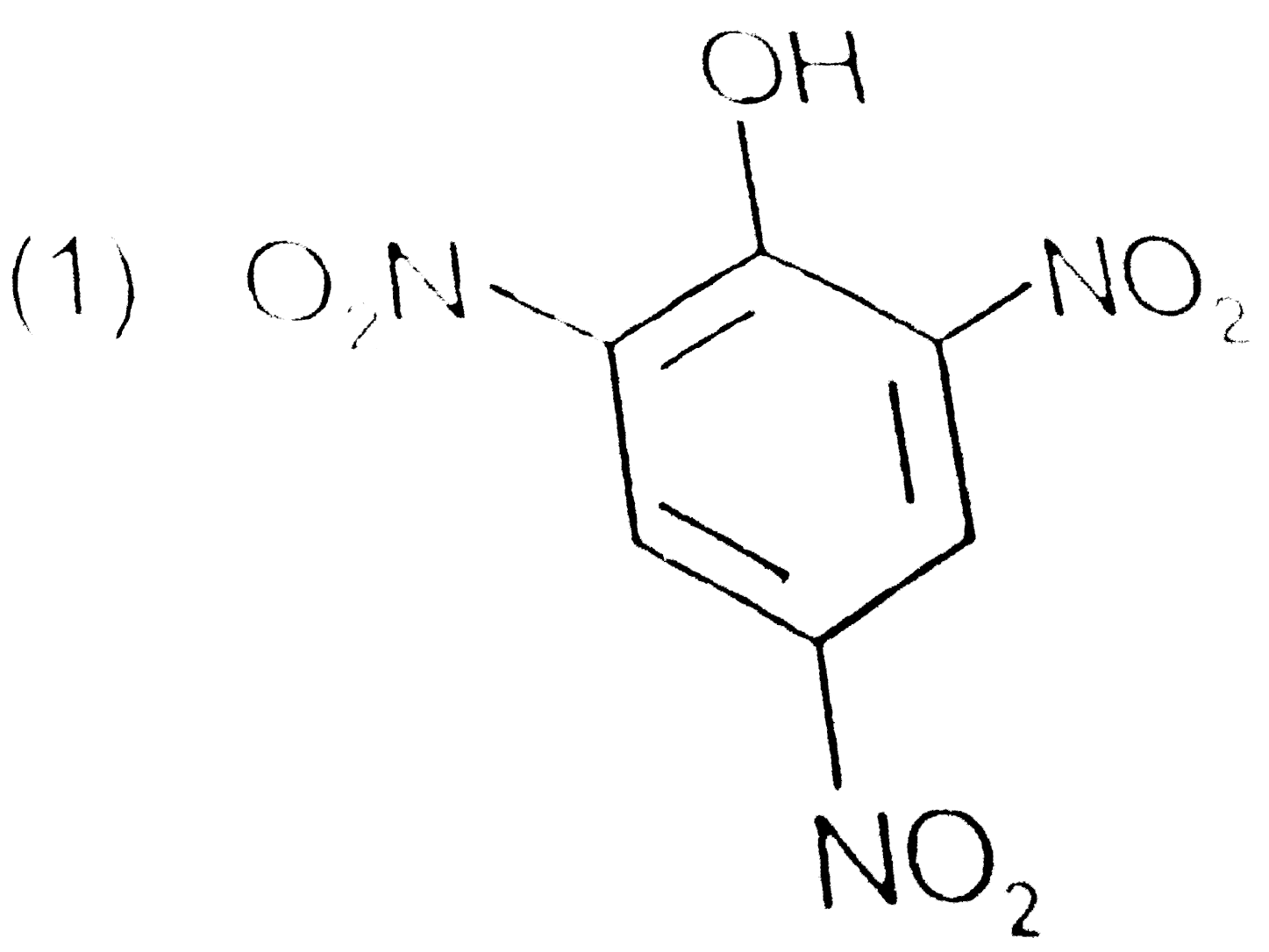
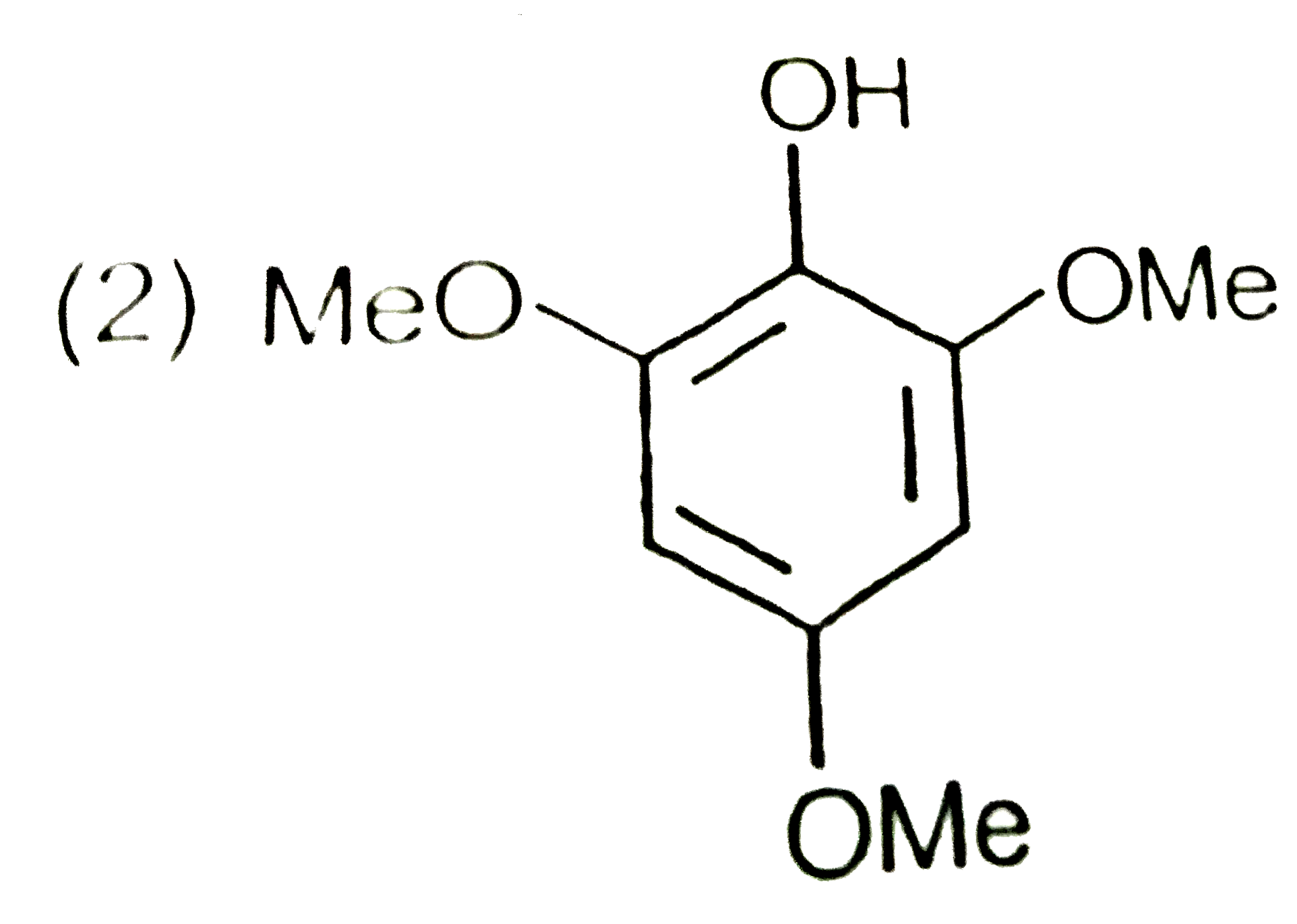
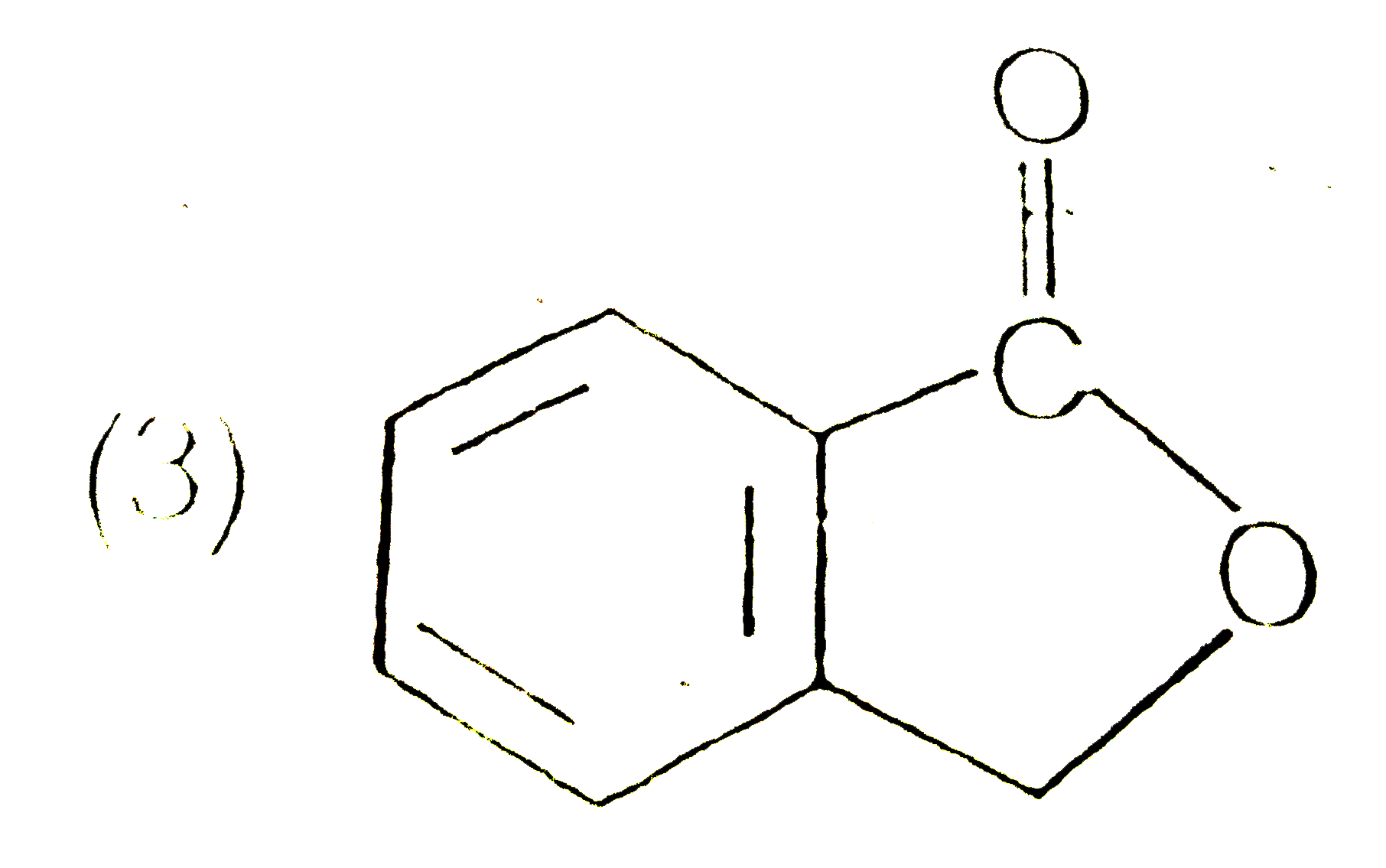
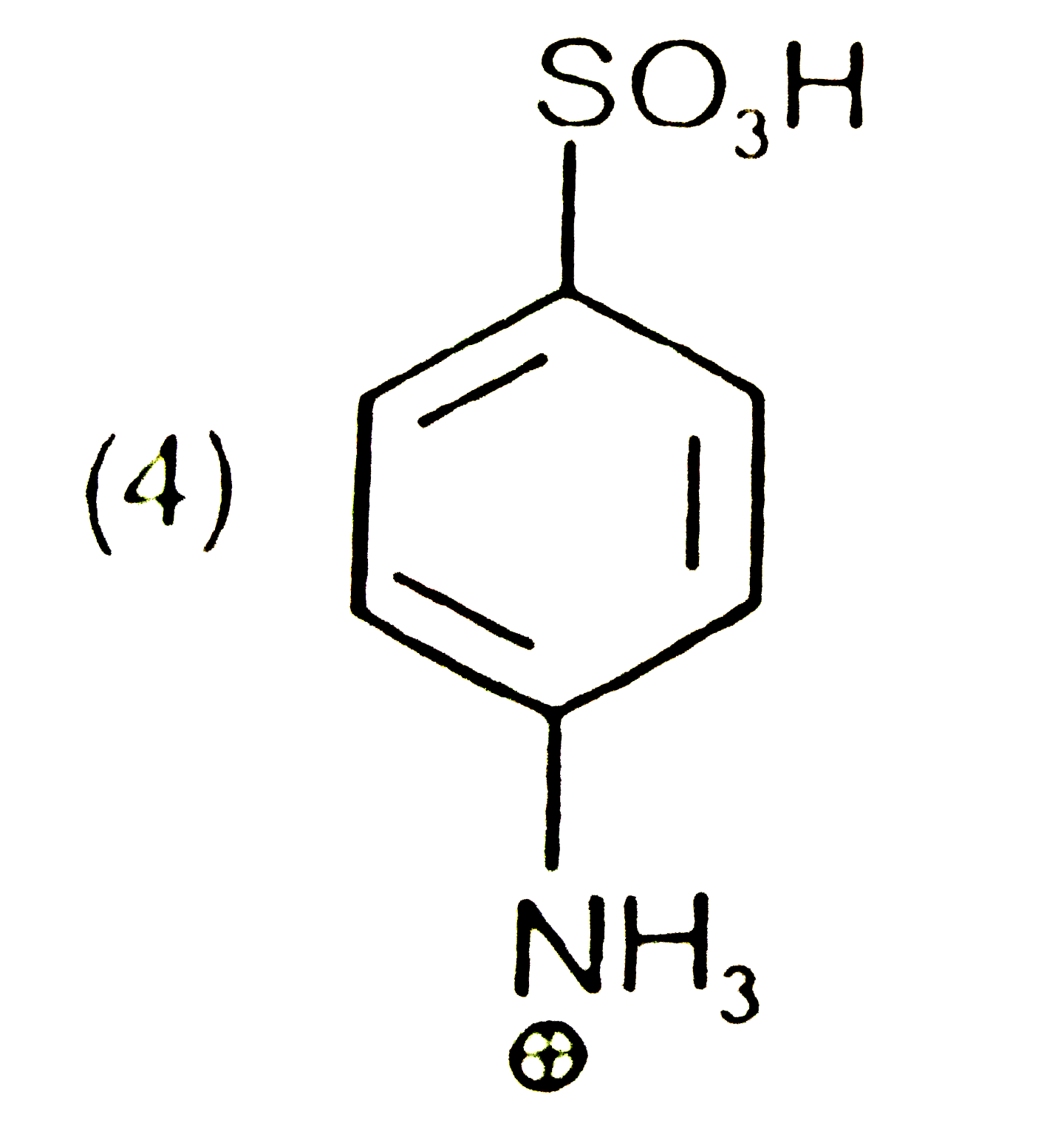
Which of the following compounds could liberate `CO_(2)` with aqueous `NaHCO_(3)`?

A

B

C

D

Text Solution

AI Generated Solution

The correct Answer is:

To determine which compounds can liberate CO₂ when reacted with aqueous NaHCO₃, we need to identify if the compounds have acidic protons. The reaction of NaHCO₃ with an acid (or a compound with an acidic proton) produces a sodium salt and releases carbon dioxide gas (CO₂). Let's analyze each option step by step. ### Step-by-Step Solution: 1. **Identify the Compounds**: We have four compounds to analyze. We need to check each one for the presence of acidic protons. 2. **Option 1**: - The compound has an -OH group attached to a carbon chain with three nitro groups. - The hydrogen in the -OH group is acidic because it is attached to an electronegative oxygen atom. - The presence of three nitro groups (which are electron-withdrawing) increases the acidity of this proton due to their -I and -M effects. - Therefore, this compound can react with NaHCO₃ to release CO₂. - **Conclusion**: Option 1 can liberate CO₂. 3. **Option 2**: - This compound also has an -OH group but is substituted with three -OCH₃ (methoxy) groups. - The -OCH₃ groups have lone pairs that donate electron density to the ring, exhibiting a +M effect. - This increases the electron density and decreases the acidity of the -OH proton, making it less likely to be released. - Therefore, this compound cannot react with NaHCO₃ to release CO₂. - **Conclusion**: Option 2 cannot liberate CO₂. 4. **Option 3**: - The compound has a carbonyl group (C=O) adjacent to a CH₂ group. - The hydrogen atoms in the CH₂ group are not acidic enough to react with NaHCO₃, as they do not have a highly electronegative atom (like oxygen) to stabilize the negative charge after deprotonation. - Therefore, this compound cannot react with NaHCO₃ to release CO₂. - **Conclusion**: Option 3 cannot liberate CO₂. 5. **Option 4**: - This compound has a -SO₃H (sulfonic acid) group. - The hydrogen in the -SO₃H group is highly acidic due to the stability of the conjugate base formed after deprotonation, which can be stabilized by resonance. - Therefore, this compound can react with NaHCO₃ to release CO₂. - **Conclusion**: Option 4 can liberate CO₂. ### Final Answer: The compounds that can liberate CO₂ with aqueous NaHCO₃ are **Option 1 and Option 4**.
Promotional Banner

Topper's Solved these Questions

  • ALDEHYDES, KETONES AND CARBOXYLIC ACIDS

    AAKASH INSTITUTE ENGLISH|Exercise Assignment (SECTION -D Linked Comprehension type Questions)|6 Videos
  • ALDEHYDES, KETONES AND CARBOXYLIC ACIDS

    AAKASH INSTITUTE ENGLISH|Exercise Assignment SECTION - E Assertion - Reason Type Questions)|7 Videos
  • ALDEHYDES, KETONES AND CARBOXYLIC ACIDS

    AAKASH INSTITUTE ENGLISH|Exercise Assignment (SECTION -B OBJECTIVE TYPES QUESTIONS (ONE OPTION IS CORRECT)|24 Videos
  • ALCOHOLS, PHENOLS AND ETHERS

    AAKASH INSTITUTE ENGLISH|Exercise Try Yourself|5 Videos
  • AMINES

    AAKASH INSTITUTE ENGLISH|Exercise Assignment Section -J (Aakash Challengers Questions)|9 Videos

Similar Questions

Explore conceptually related problems

Which of the following compounds are soluble in NaHCO_(3) ?

Which of the following compounds form salt with NaHCO_3 ?

Phenols are more acidic than aliphatic alcohols acidity of phenols can be further increased by the introduction of electron withdrawing groups in aromatic ring .Acidic nature of phenol is because of the resonance stabilization of phenoxide ion Which of the following will evolve CO_(2) gas with aqueous NaHCO_(3) ?

How many of the following compounds give CO_(2) on reaction with NaHCO_(3)

Which of the following compounds does not liberate N_2 on treatment with HNO_2 ?

Which of the following compound will gives positive test with NaHCO_(3) ? CH_(3)CO OH,PhSO_(3),PhOH
