Text Solution
Verified by Experts
The correct Answer is:



Topper's Solved these Questions
DAILY PRACTICE PROBLEMS
RESONANCE ENGLISH|Exercise Dpp no 10 physics|8 VideosDAILY PRACTICE PROBLEMS
RESONANCE ENGLISH|Exercise Dpp no 11 physics|6 VideosDAILY PRACTICE PROBLEMS
RESONANCE ENGLISH|Exercise DPP 8 PHYSICS|7 VideosCURRENT ELECTRICITY
RESONANCE ENGLISH|Exercise Exercise|53 VideosELASTICITY AND VISCOCITY
RESONANCE ENGLISH|Exercise Advanced Level Problems|9 Videos
Similar Questions
Explore conceptually related problems
RESONANCE ENGLISH-DAILY PRACTICE PROBLEMS-DPP no 9 physics
- Given : vec(A)rarr=2hat(i)-3hat(j) is The magnitude of (vec(A)+vec...
Text Solution
|
- Unit vector along 3hat(i)+3hat(j) is
Text Solution
|
- For the figure shown .
Text Solution
|
- Parallelogram law of vectors is applicable to the addition of :
Text Solution
|
- If vec(A) and vec(B) are two non-zero vectors such that |vec(A)+vec(B)...
Text Solution
|
- Vector vec(A)=hat(i)+hat(j)-2hat(k) and vec(B)=3hat(i)+3hat(j)-6hat(k)...
Text Solution
|
- A particle is moving with speed 6m//s along the direction of vec(A)=2h...
Text Solution
|
- If vec(P)=hat(i)+hat(j)-hat(k) and vec(Q)=hat(i)-hat(j)+hat(k), then u...
Text Solution
|
- If |vec(a)+vec(b)|ge|vec(a)-vec(b)| then angle between vec(a) and vec(...
Text Solution
|
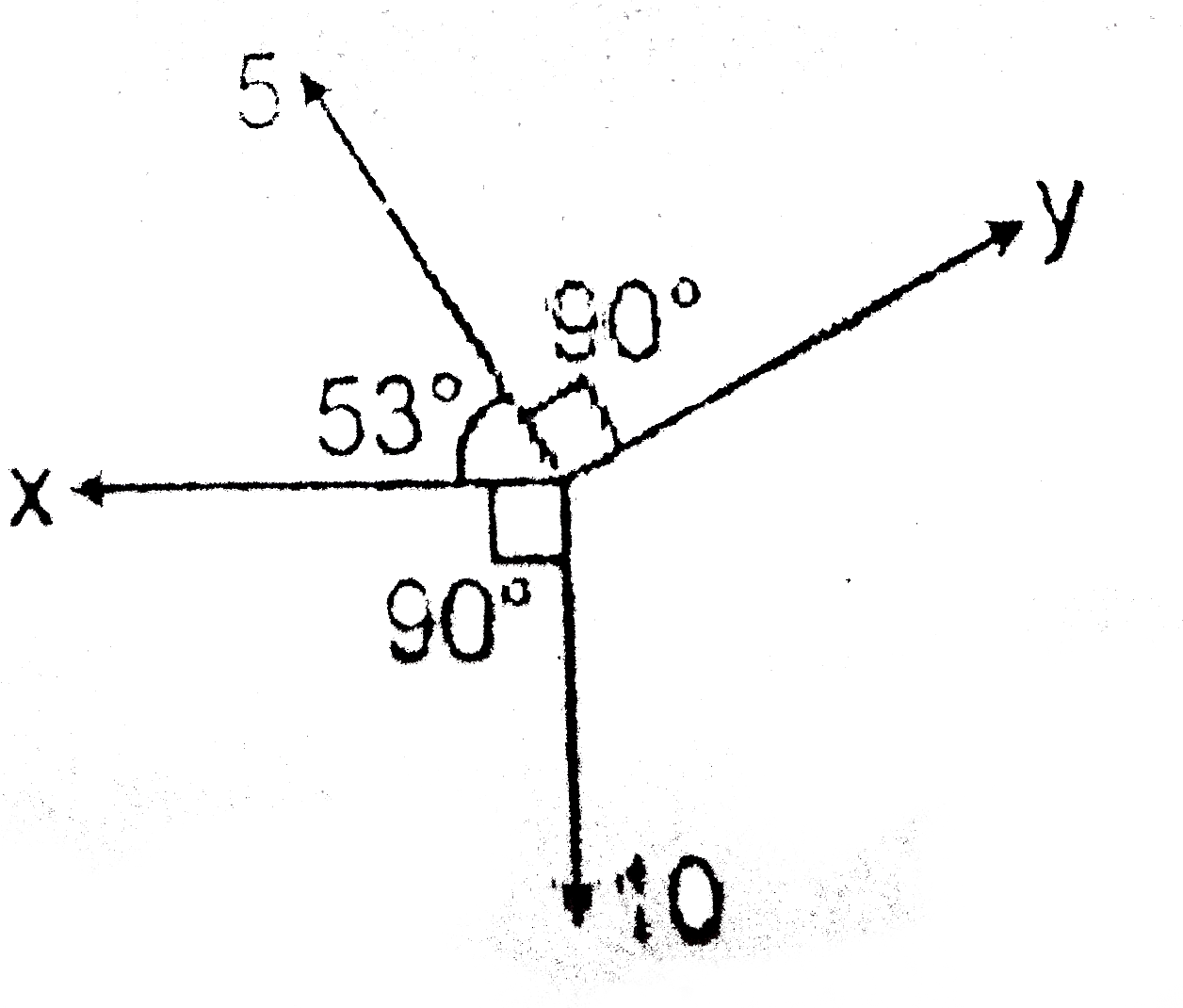
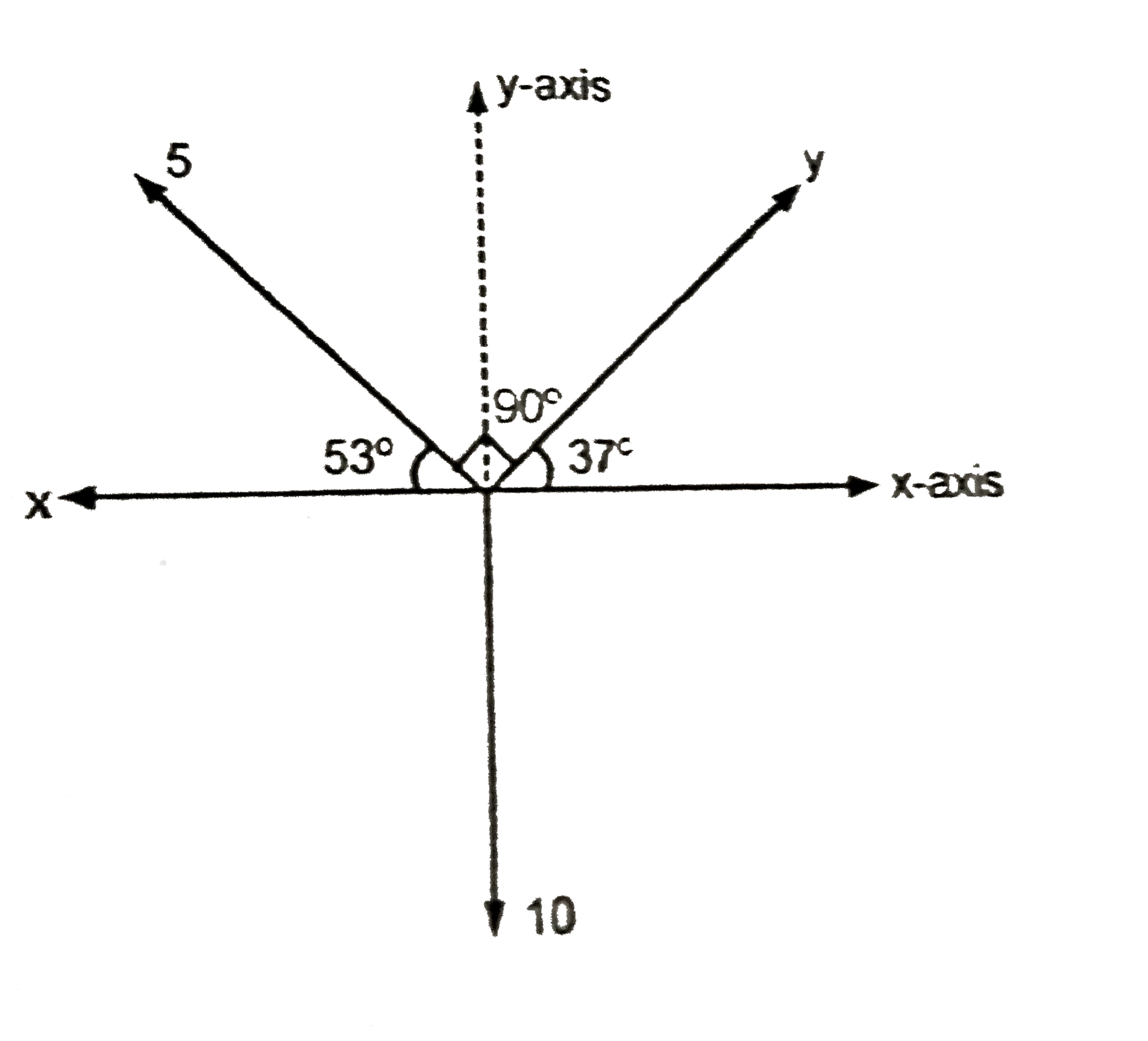
- Find the magnitude of the unknown forces X and Y if sum of all forces ...
Text Solution
|