Home
Class 12
CHEMISTRY
The osmotic pressure of a dilute solutio...

The osmotic pressure of a dilute solution is given by

A

B

C

D

Text Solution

Verified by Experts

The correct Answer is:

C

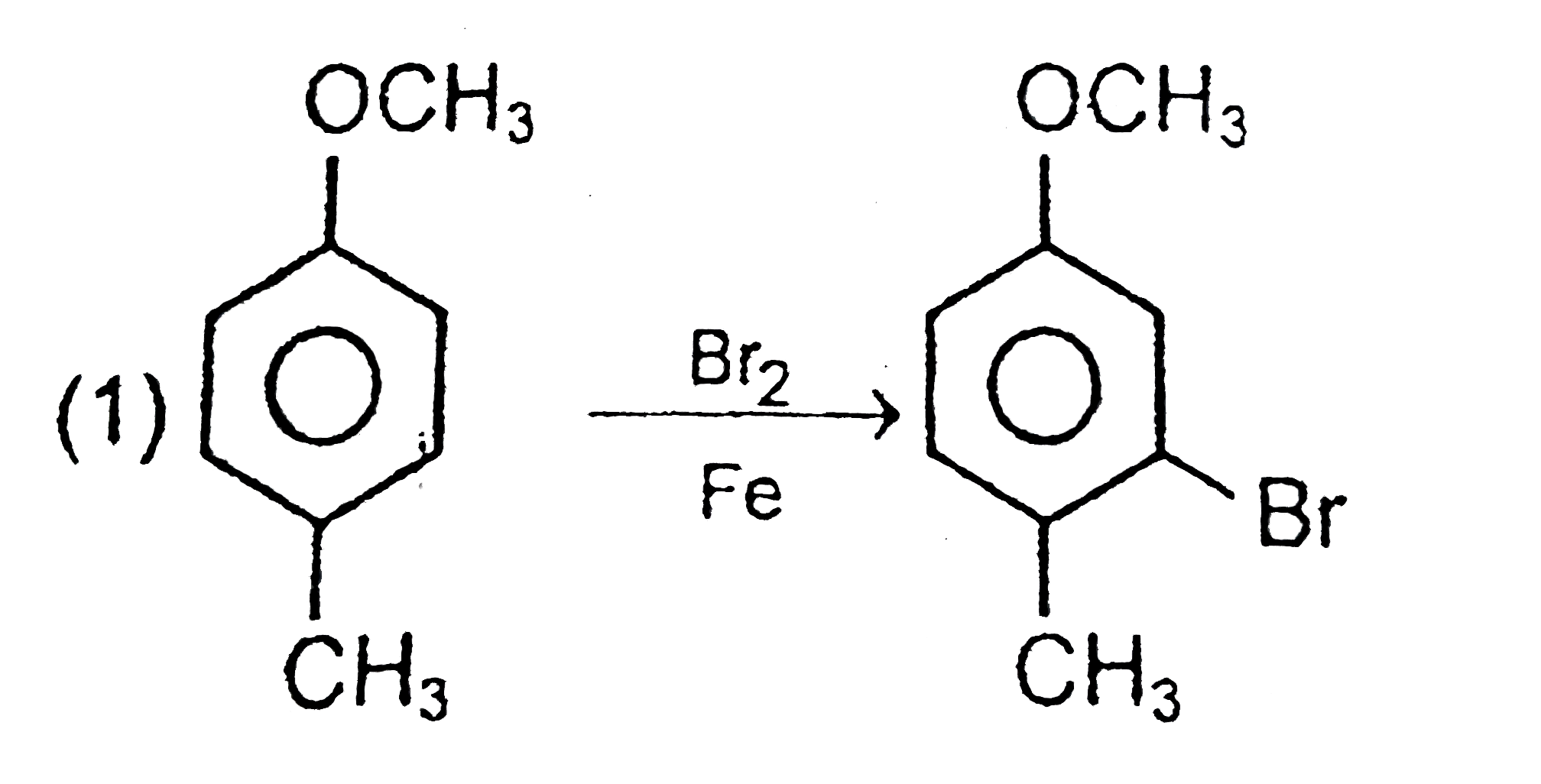
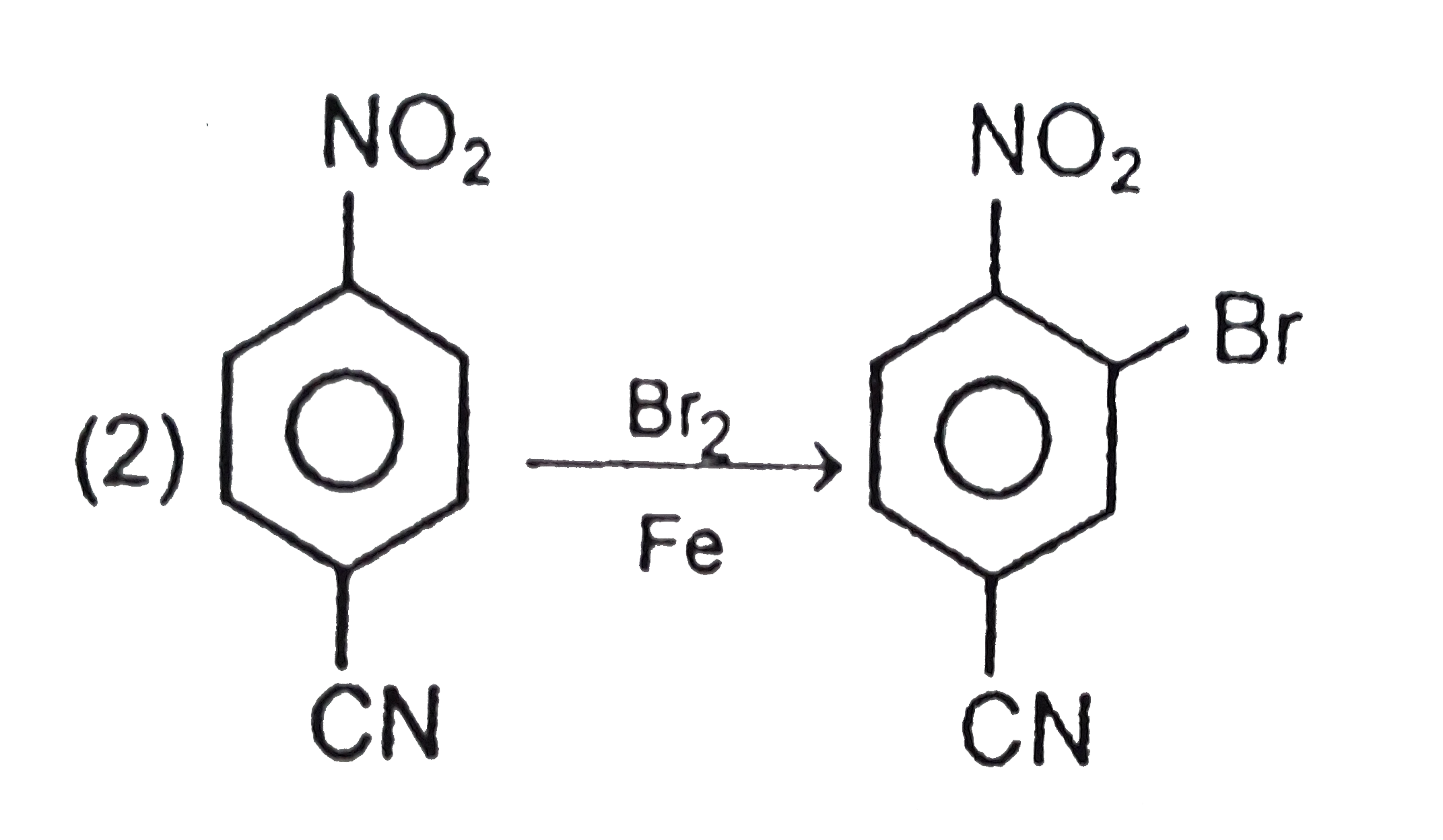
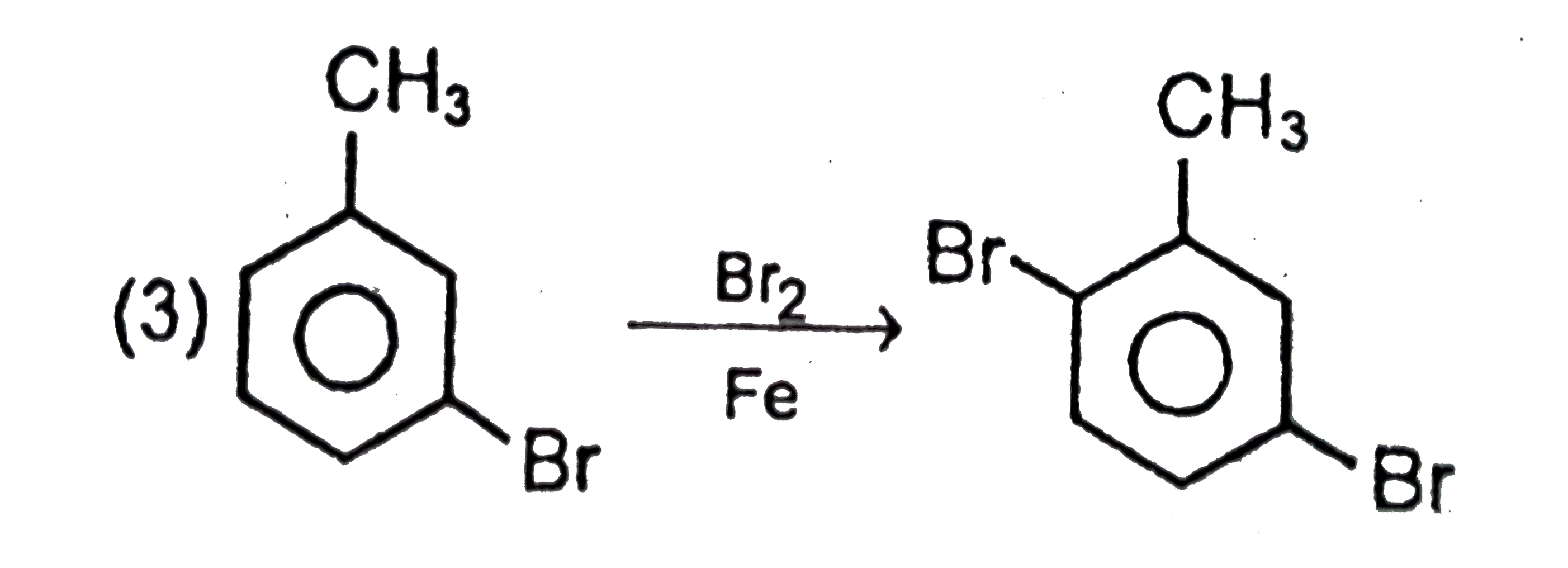
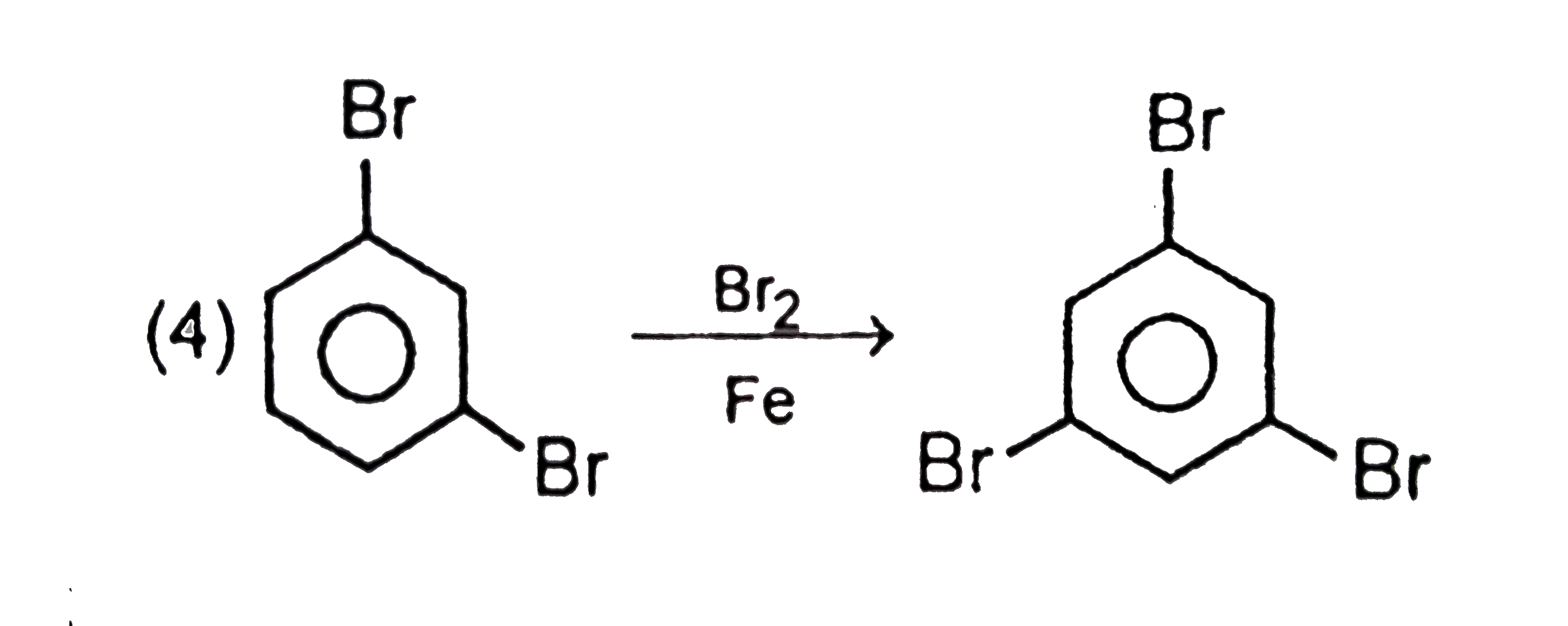
Decided by the more activating group, `CH_(3)` & `Br` both are `o,p` directing.
Promotional Banner

Topper's Solved these Questions

  • TEST PAPERS

    RESONANCE ENGLISH|Exercise FST-3|30 Videos
  • THERMODYNAMICS

    RESONANCE ENGLISH|Exercise exercise-3 part-III Advanced level Solutions (STAGE-II)|38 Videos

Similar Questions

Explore conceptually related problems

The osmotic pressure of a dilute solution is directly proportional to the

The osmotic pressure of a dilute solution of an compound XY in water is four times that of a solution of 0.01 M BaCl_(2) in water. Assuming complete dissociation of the given ionic compounds in water, the concentration of XY in solution is x xx 10^(–2) mol/L. The numerical value of x is____.

The osmotic pressure of a solution is

The osmotic pressure of a solution increases if

The osmotic pressure of a dilute solution of a compound XY in water is four times that of a solution of 0.01 M BaCl_(2) in water. Assuming complete dissociation of the given ionic compounds in water, the concentration of XY (in "mol" L^(-1) ) in solution is:

The osmotic pressure of a solution depends on

Read the following statements . The correct symbols filling the blanks A and B are Osmotic pressure of a concentrated solution .............A..........osmotic pressure of a dilute solution . Diffusion pressure deficit of a concentrated solution ..........B...... diffusion pressure deficit of a dilute solution

Osmotic pressure of a solution is

The osmotic pressure of a non-aqueous solution is measured by

RESONANCE ENGLISH-TEST SERIES-CHEMISTRY
  1. Silicones are water repelling in nature due to.

    Text Solution

    |

  2. The colour developed when Na(2)S is added to Na(2)[Fe(CN)(5)NO] is,

    Text Solution

    |

  3. An aqueous solution of glucose boils at 100.04^(@)C.The molal elevatio...

    Text Solution

    |

  4. Which of the following interfaces cannot be obtained ?

    Text Solution

    |

  5. Which of the following statement is true?

    Text Solution

    |

  6. CH(3)-CH(2)-OH In the given reaction A & B are respectively:

    Text Solution

    |

  7. Which destroy antigens?

    Text Solution

    |

  8. Rate of S(N)1 & S(N)2 reactions for the isomers of C(4)H(9)Br is i....

    Text Solution

    |

  9. Chloroquine is:

    Text Solution

    |

  10. The osmotic pressure of a dilute solution is given by

    Text Solution

    |

  11. 3 gms of urea is dissolved in 45 gms of H2O. The relative lowering in ...

    Text Solution

    |

  12. An aqueous solution of glucose boils at 100.05^(@)C.The molal elevatio...

    Text Solution

    |

  13. CH(3)-underset(CH(3)) underset(|) (C)= CH(2) underset("Peroxide") over...

    Text Solution

    |

  14. In which of the following reaction CH(4) will be obtained? i. CH(3)-...

    Text Solution

    |

  15. If Pa and Pb are 108 and 36 torr respectively. What will be the mole f...

    Text Solution

    |

  16. In Mond's process following chemcial changes occurs: underset(("Impu...

    Text Solution

    |

  17. Na(2)[PtBrClI](CN)] No of geometrical isomers =x No of optical iso...

    Text Solution

    |

  18. How many of the following gases/vapours are colourless? CO(2),SO(2),...

    Text Solution

    |

  19. The complex [Pt(NH3)4]2+ has ......structure :

    Text Solution

    |

  20. Number of possible alkene isomers will be:

    Text Solution

    |
