Home
Class 11
CHEMISTRY
Aniline reacts with mixed acid conc. HNO...

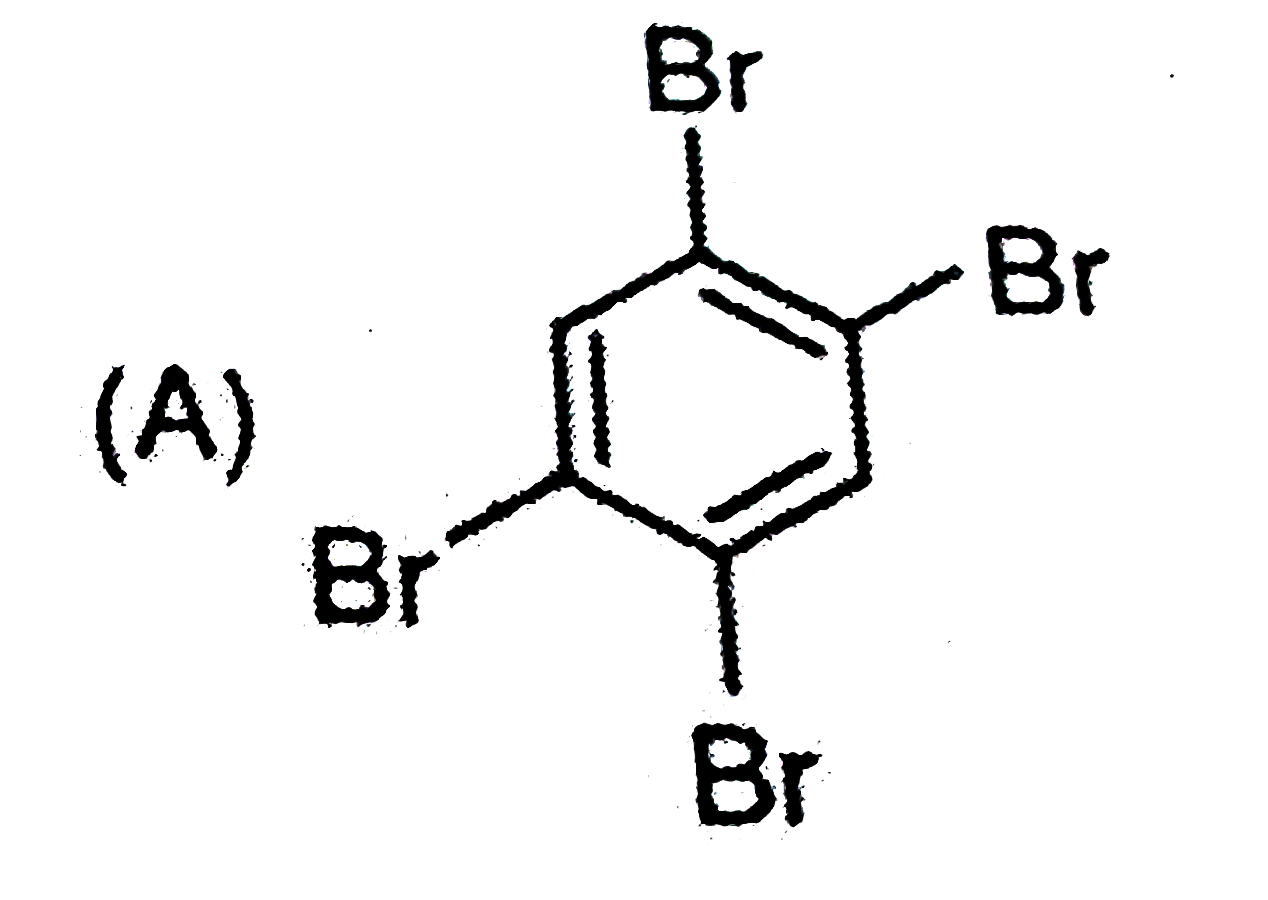
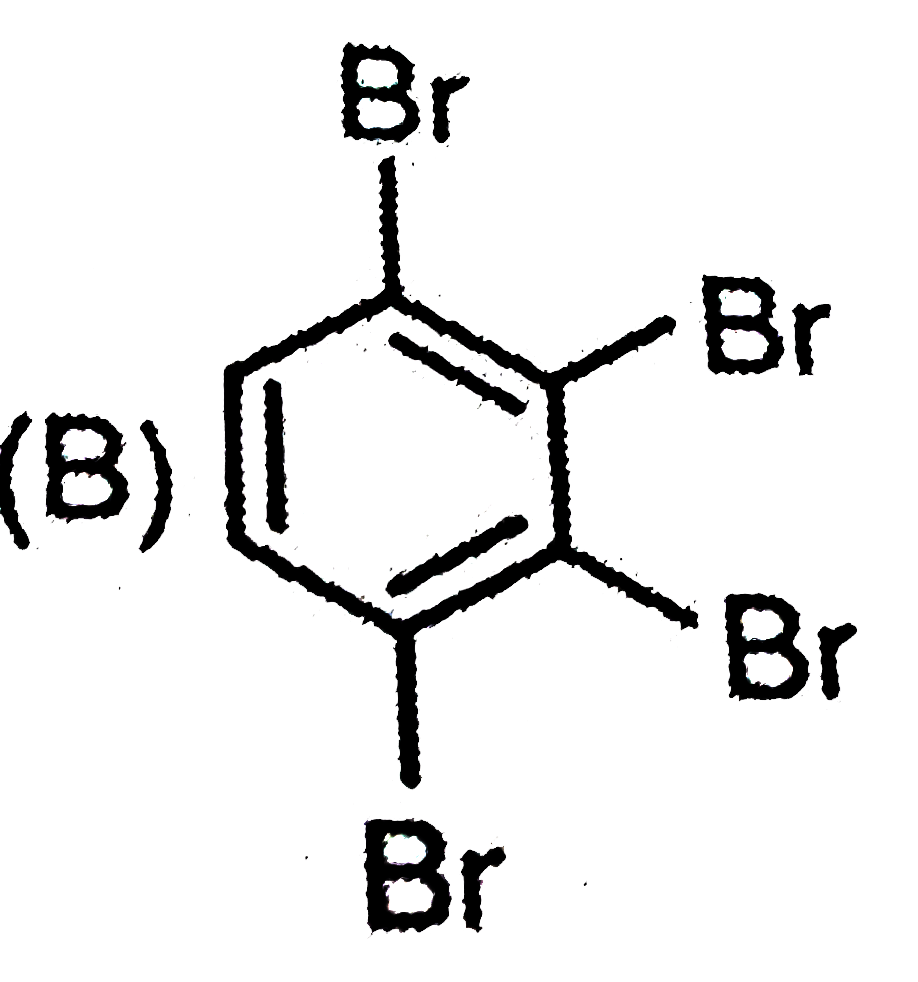
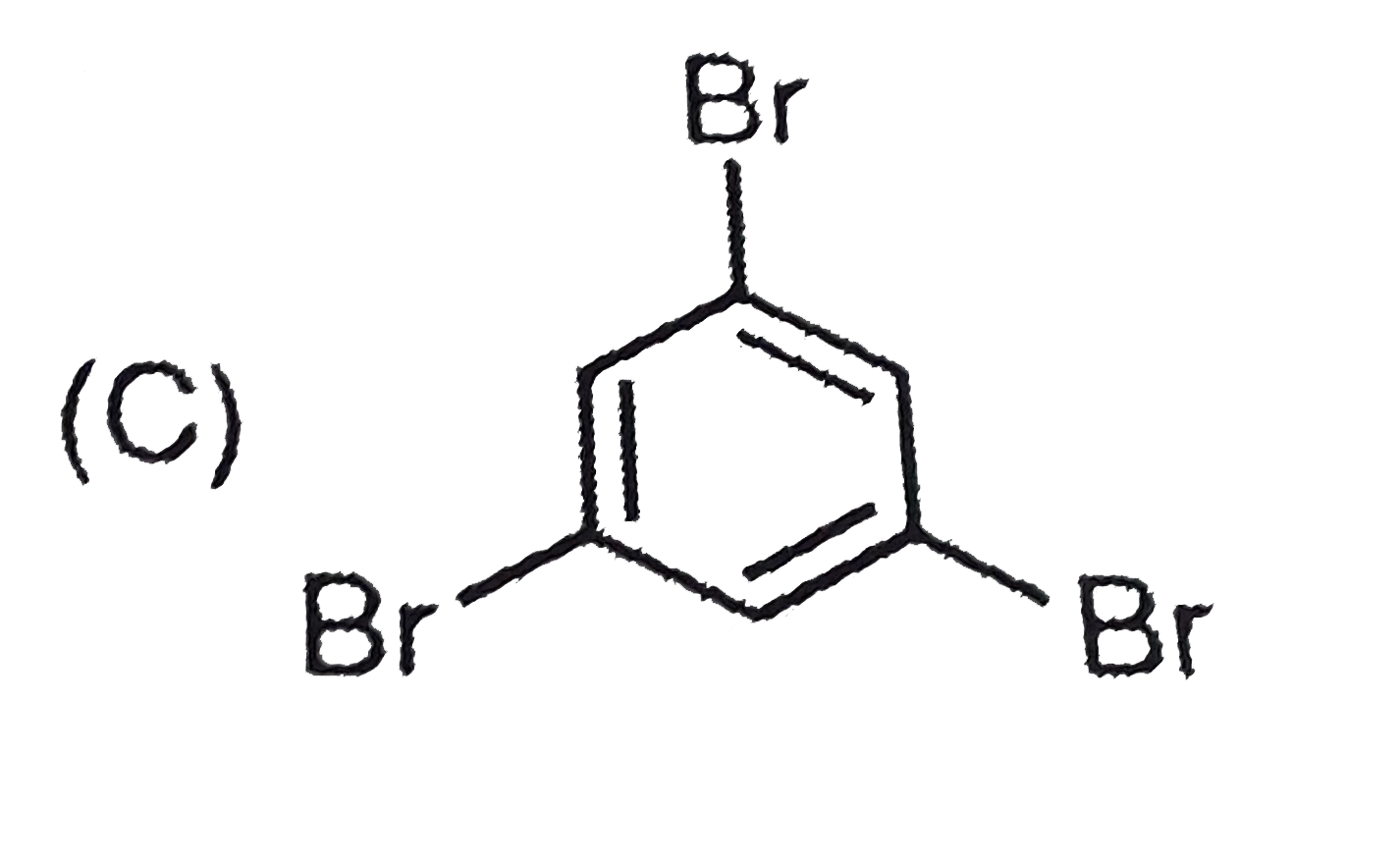
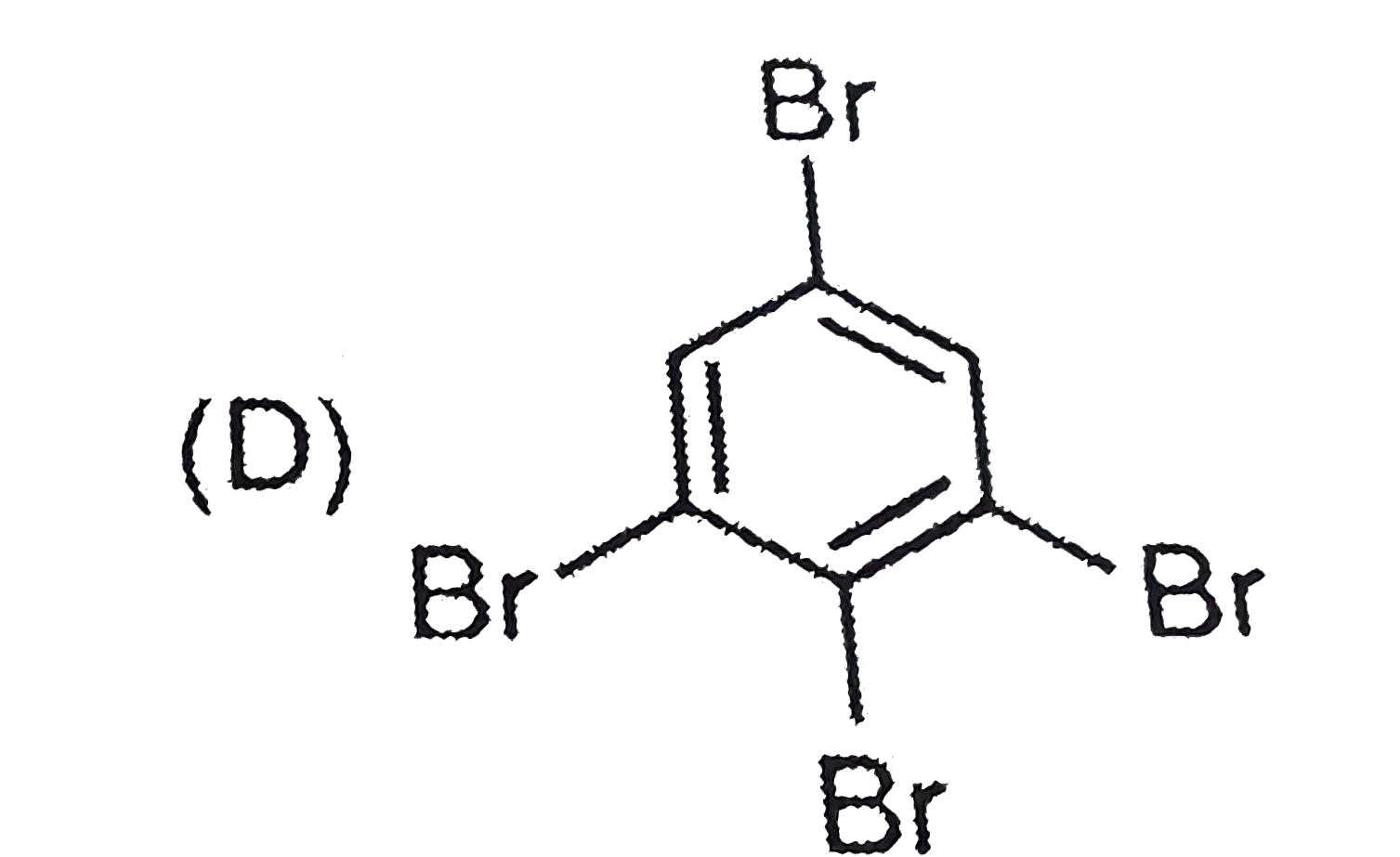
Aniline reacts with mixed acid conc. `HNO_(3)` and conc. `H_(2)SO_(4)` at 288 K to give P (51 %), Q (47%) and R (2%). The major product(s) of the following reaction sequence is (are)

A

B

C

D

Text Solution

AI Generated Solution

The correct Answer is:

To solve the problem, we need to analyze the reaction of aniline with a mixture of concentrated nitric acid (HNO₃) and concentrated sulfuric acid (H₂SO₄) at 288 K. This mixture is known as a nitrating mixture, and it will lead to the formation of different nitroaniline products. ### Step-by-Step Solution: 1. **Identify the Reactants**: - The reactant is aniline (C₆H₅NH₂), which contains an amino group (-NH₂) attached to a benzene ring. 2. **Understand the Nitration Process**: - When aniline is treated with the nitrating mixture, nitration can occur at three positions on the benzene ring: ortho (2-position), meta (3-position), and para (4-position) relative to the amino group. 3. **Predict the Products**: - The products formed will be: - **P**: Ortho-nitroaniline (major product, 51%) - **Q**: Para-nitroaniline (second major product, 47%) - **R**: Meta-nitroaniline (minor product, 2%) 4. **Analyze the Product Distribution**: - The ortho product is favored due to the electron-donating effect of the amino group, which increases the electron density on the ortho and para positions. However, steric hindrance makes the ortho product less stable than the para product, leading to a significant amount of para product as well. 5. **Identify the Major Product**: - The major product from the nitration of aniline is ortho-nitroaniline (P, 51%). 6. **Further Reactions with Compound R**: - The question implies further reactions with the product R (meta-nitroaniline). The sequence of reactions involves: - Treating R with acetic anhydride (to form an acetanilide derivative). - Bromination of the acetanilide derivative. - Acid hydrolysis to regenerate the amine. - Formation of a diazonium salt and subsequent reactions leading to a brominated product. 7. **Final Product Identification**: - After the sequence of reactions, the final product is a brominated derivative of aniline, specifically a dibrominated compound. 8. **Conclusion**: - The major product of the entire reaction sequence is identified as the dibrominated aniline derivative, which corresponds to option D in the given choices.
Promotional Banner

Topper's Solved these Questions

  • AROMATIC COMPOUNDS

    RESONANCE ENGLISH|Exercise PART-II JEE MAIN|19 Videos
  • AROMATIC COMPOUNDS

    RESONANCE ENGLISH|Exercise JEE(MAIN) ONLINE PROBLEM|16 Videos
  • AROMATIC COMPOUNDS

    RESONANCE ENGLISH|Exercise PART IV- COMPREHENSION|13 Videos
  • ATOMIC STRUCTURE

    RESONANCE ENGLISH|Exercise ORGANIC CHEMISTRY(Fundamental Concept )|16 Videos

Similar Questions

Explore conceptually related problems

Anisole with conc. HNO_(3) and conc. H_(2)SO_(4) gives

Anisole with conc. HNO_(3) and conc. H_(2)SO_(4) gives

Benzene on treatment with a mixture of conc. HNO_(3) and con. H_(2)SO_(4) at 373K gives

Addition of conc. HNO_3 to conc. H_2 SO_4 gives

Conc. HNO_(3)+H_(2)SO_(4) mixture gives

Sulphonation of phenol with conc. H_(2)SO_(4) at 288-298 K gives

Nitrating mixture is obtained by mixing conc. HNO_(3) and conc H_(2)SO_(4) . Role of H_(2)SO_(4) in nitration is

Oxalic acid on treatment with conc. H_(2) SO_(4) gives

In the nitration of benzene with conc. HNO_(3) and conc H_(2)SO_(4) the electrophile acting group is

RESONANCE ENGLISH-AROMATIC COMPOUNDS -Exercise -3 Part-I
  1. The major product of the following reaction is :

    Text Solution

    |

  2. Amongst the compounds given, the one that would form a brilliant color...

    Text Solution

    |

  3. In the following reaction, the products formed is(are)

    Text Solution

    |

  4. The major product(s) of the following is (are):

    Text Solution

    |

  5. P and Q are isomers of dicarboxylic acid C(4)H(4)O(4). Both decolorize...

    Text Solution

    |

  6. In the following reaction, sequences V and W are respectively.

    Text Solution

    |

  7. The reactivity of compound Z with different halogens under appropriat...

    Text Solution

    |

  8. The the identification of beta-napthol using dye test, it is necessary...

    Text Solution

    |

  9. Match the four starting materials (P,Q,R,S) gien in List-I with the co...

    Text Solution

    |

  10. Among the following, the number of reaction(s) that produce(s) benzal...

    Text Solution

    |

  11. The major product U in the following reactions is

    Text Solution

    |

  12. In the following reactions, the major product W is:

    Text Solution

    |

  13. The product(s) of the following reactions sequence is(are)

    Text Solution

    |

  14. The correct statement(s) about of the following reaction sequence is(a...

    Text Solution

    |

  15. The major product of the following reaction is

    Text Solution

    |

  16. The reaction of compounf P with CH(3)MgBr (excess) in (C(2)H(5)(2)O fo...

    Text Solution

    |

  17. The reaction of compounf P with CH(3)MgBr (excess) in (C(2)H(5)(2)O fo...

    Text Solution

    |

  18. The reaction(s) leading to the formation of 1, 3, 5 -trimethylbenzene ...

    Text Solution

    |

  19. Aniline reacts with mixed acid conc. HNO(3) and conc. H(2)SO(4) at 288...

    Text Solution

    |

  20. In the following reaction sequence, the amount of D (in g) formed from...

    Text Solution

    |
