Home
Class 12
CHEMISTRY
The most favourable position (indicated ...

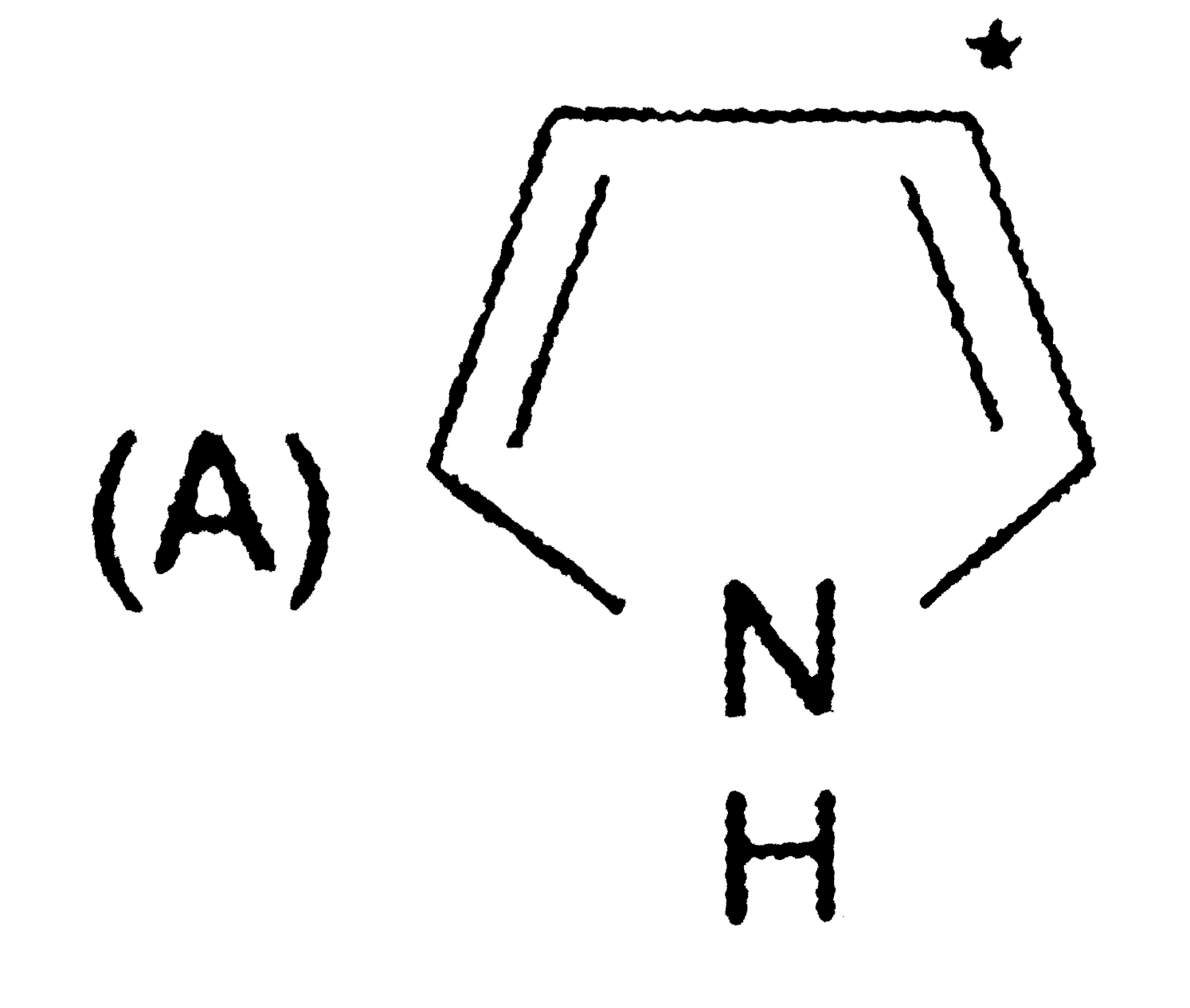
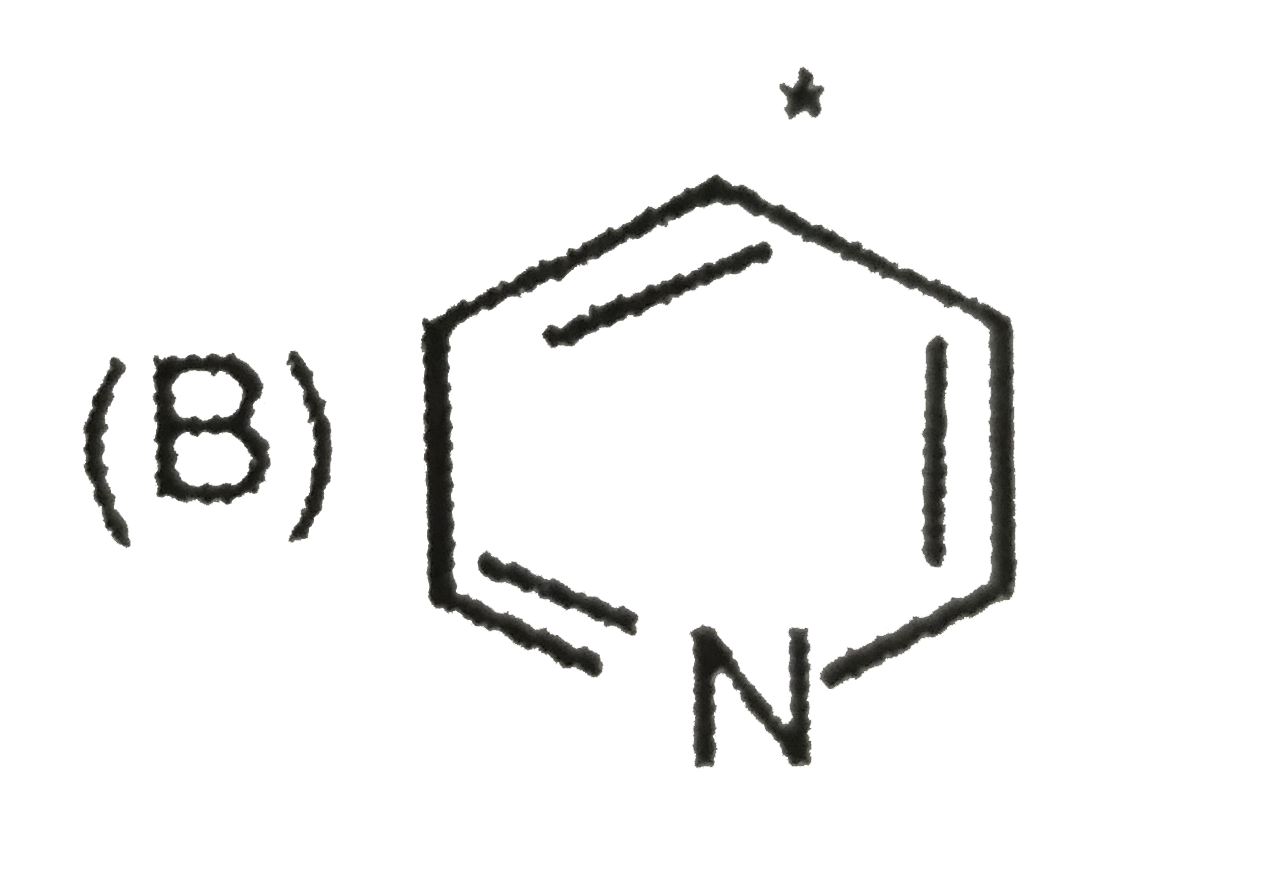
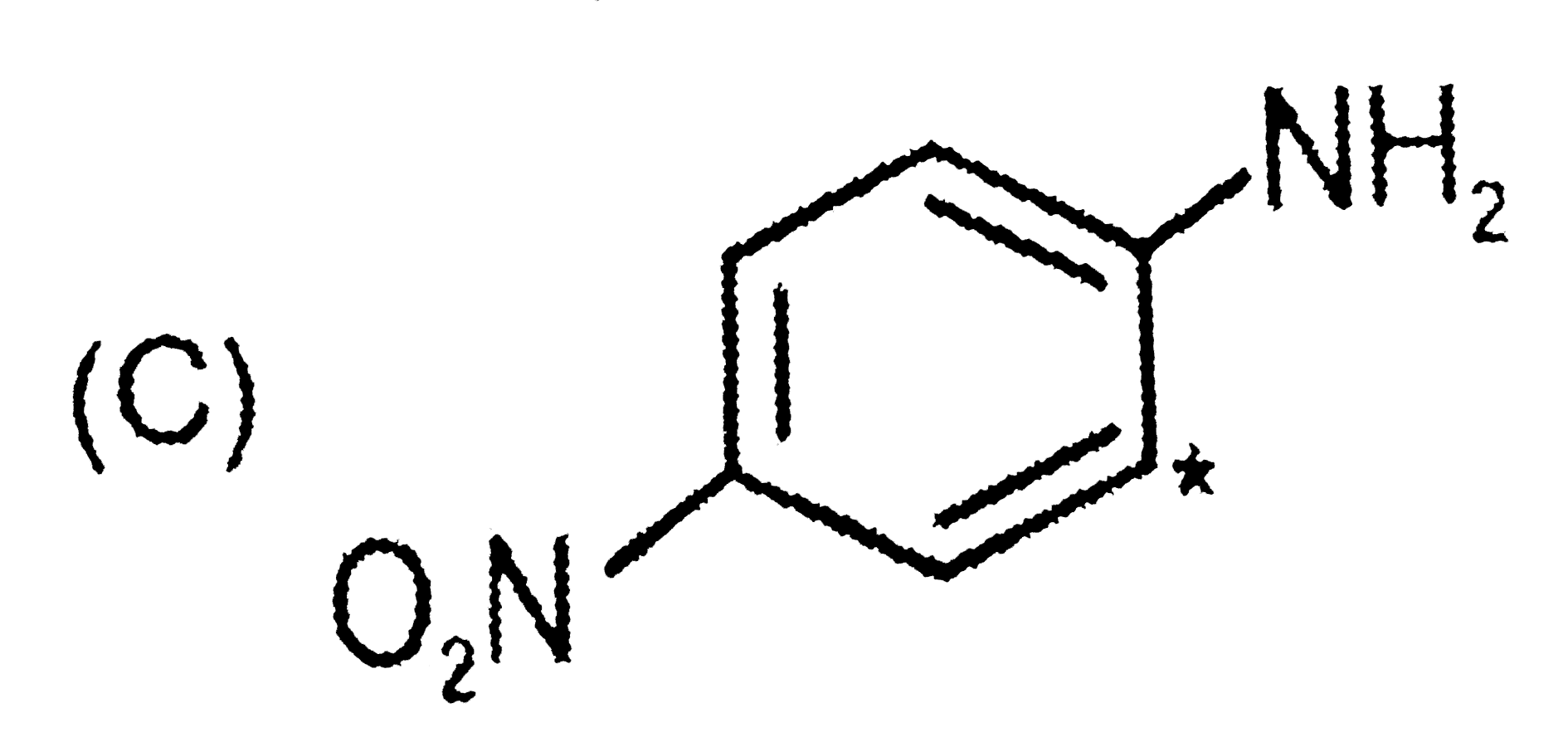
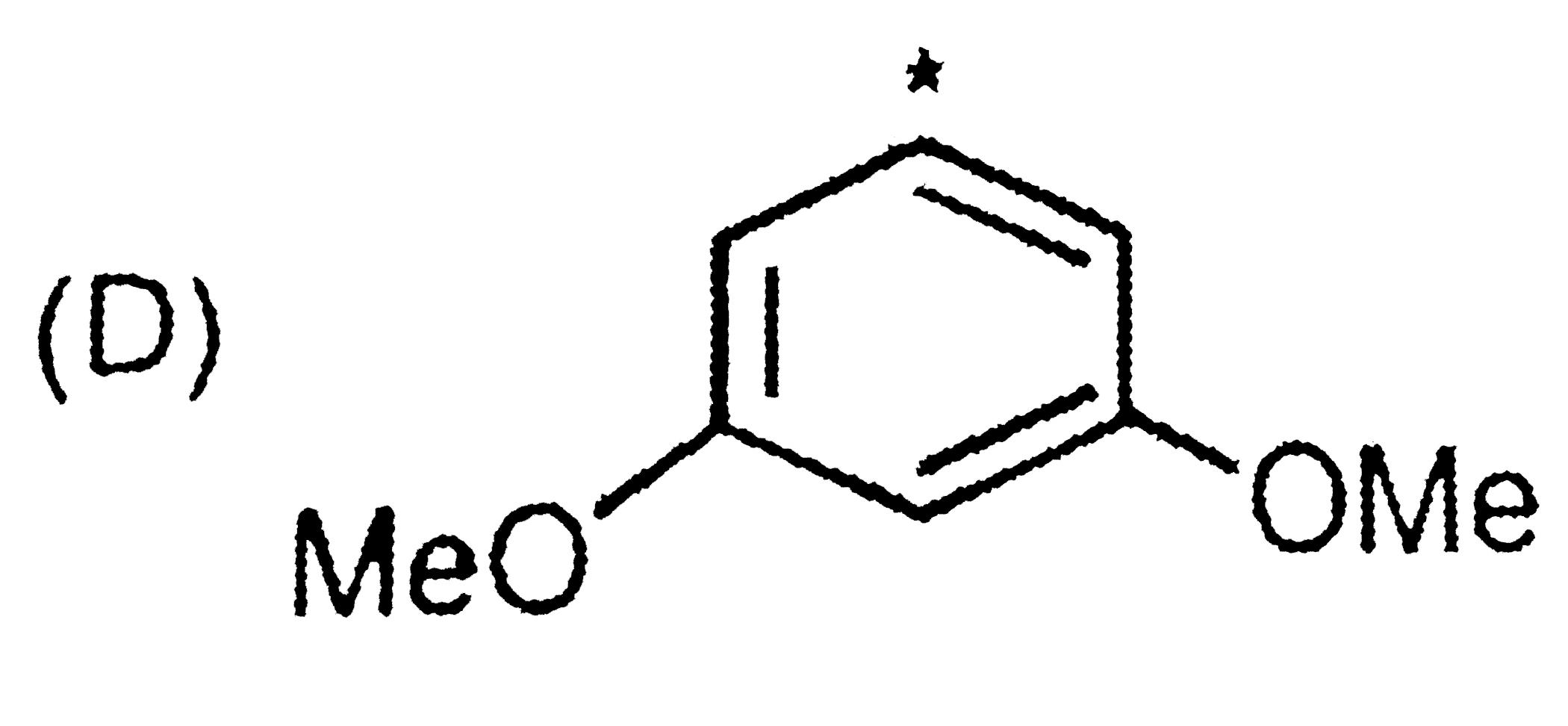
The most favourable position (indicated by) for an electrophilic attack is

A

B

C

D

Text Solution

Verified by Experts

The correct Answer is:

C
Promotional Banner

Topper's Solved these Questions

  • AROMATIC COMPOUNDS

    RESONANCE ENGLISH|Exercise Part - III Practice Test-2|1 Videos
  • AROMATIC COMPOUNDS

    RESONANCE ENGLISH|Exercise Part - III Practice Test-3|1 Videos
  • AROMATIC COMPOUNDS

    RESONANCE ENGLISH|Exercise APSP (Part-I)|30 Videos
  • ALKYL HALIDE, ALCOHOL, PHENOL, ETHER

    RESONANCE ENGLISH|Exercise ORGANIC CHEMISTRY(Alkyl Halide, Alcohol,Phenol,Ether)|56 Videos
  • BASIC CONCEPTS

    RESONANCE ENGLISH|Exercise ORGANIC CHEMISTRY(BASIC CONCEPTS)|27 Videos

Similar Questions

Explore conceptually related problems

HIV attacks

Most favourable conditions for inoic bonding are .

The -NO_(2) group in an aromatic ring deactivates the ortho and para positions for an electrophilic attack. When -NO_(2) group is present at ortho or para positions of a leaving group (Nucleofuge) it activates the ring for nucleophilic attack. The reduction of -NO_(2) group by metal in acid causes its reduction to -NH_(2) group and then the ring becomes strongly activated for a electrophilic attack. The strong activation of -NH_(2) group is moderated by its acylation with CH_(3)COCl to -NHAc group. Deacylation is carried out by hydrolysis with H_(3)O^(+) or OH^(-) . The ring alkylation by using RX//AlX_(3) is not possible in presence of -NO_(2) or -NH_(2) group but is possible in presence of -NHAc group. The product (G) is :

The -NO_(2) group in an aromatic ring deactivates the ortho and para positions for an electrophilic attack. When -NO_(2) group is present at ortho or para positions of a leaving group (Nucleofuge) it activates the ring for nucleophilic attack. The reduction of -NO_(2) group by metal in acid causes its reduction to -NH_(2) group and then the ring becomes strongly activated for a electrophilic attack. The strong activation of -NH_(2) group is moderated by its acylation with CH_(3)COCl to -NHAc group. Deacylation is carried out by hydrolysis with H_(3)O^(+) or OH^(-) . The ring alkylation by using RX//AlX_(3) is not possible in presence of -NO_(2) or -NH_(2) group but is possible in presence of -NHAc group. The product (H) is :

The -NO_(2) group in an aromatic ring deactivates the ortho and para positions for an electrophilic attack. When -NO_(2) group is present at ortho or para positions of a leaving group (Nucleofuge) it activates the ring for nucleophilic attack. The reduction of -NO_(2) group by metal in acid causes its reduction to -NH_(2) group and then the ring becomes strongly activated for a electrophilic attack. The strong activation of -NH_(2) group is moderated by its acylation with CH_(3)COCl to -NHAc group. Deacylation is carried out by hydrolysis with H_(3)O^(+) or OH^(-) . The ring alkylation by using RX//AlX_(3) is not possible in presence of -NO_(2) or -NH_(2) group but is possible in presence of -NHAc group. The product (I) is :

The most favourable product of the following reactions is

Most favourable conditions for electrovalent bonding are

Bollworms attacks

The general electrophilic substitution reaction (replacement of H. by an electrophilic which is an electron deficient species) in aromatic ring is represented as followed. An electrophilic attacks on ortho and para positions which respect to a stronger +m group are present in benzene ring and the electrophilie attacks at meta position with respect to stronger -m group if two -m groups are present in benzene ring. The product of the following reaction is

The positive value of DeltaS indicates that

RESONANCE ENGLISH-AROMATIC COMPOUNDS-Part - II NSEC
  1. p-chlorobenzoic acid can be prepared by reacting p-aminbenzoic acid wi...

    Text Solution

    |

  2. n-propylamine containing no secondary and tertiary amines as impuritie...

    Text Solution

    |

  3. The most favourable position (indicated by) for an electrophilic attac...

    Text Solution

    |

  4. The compound that on treatment with benzene sulphonyl chloride, forms ...

    Text Solution

    |

  5. The substance that gives a primary amine on hydrolysis is

    Text Solution

    |

  6. Toluene o/p orienting with respect to an electrophilic substitution re...

    Text Solution

    |

  7. The product obtained when 4-hydroxyhenzene sulphonic acid is treated w...

    Text Solution

    |

  8. The most appropriate reaction for the conversion of bromobenzene to be...

    Text Solution

    |

  9. P-bromoanine is prepared from aniline via

    Text Solution

    |

  10. Which one of the following has the highest melting point?

    Text Solution

    |

  11. On bromination, the electron rich phenoxide ion will be attacked most ...

    Text Solution

    |

  12. The sequence of decreasing aromaticity in the above compounds is

    Text Solution

    |

  13. Can the amino group, in the aniline molecule, become meta-directing in...

    Text Solution

    |

  14. Consider the following reactions the major product (Y) of the re...

    Text Solution

    |

  15. In mechanism of Reimer- Riemann reaction, species involves is

    Text Solution

    |

  16. The nitrogen atom in the following cyclic compounds can be removed as ...

    Text Solution

    |

  17. X overset(Mg)underset("ether")toY overset("Dry CO(2))underset(H^(+))to...

    Text Solution

    |

  18. Salicylic acid on treatment with bromine water will give

    Text Solution

    |

  19. The product P obtained through the following sequence of reactions is

    Text Solution

    |

  20. Triethylamine is reacted with a peracid to obtain X. The nitrogen atom...

    Text Solution

    |
