
Home
Class 12
CHEMISTRY
Select the number of compounds in which ...

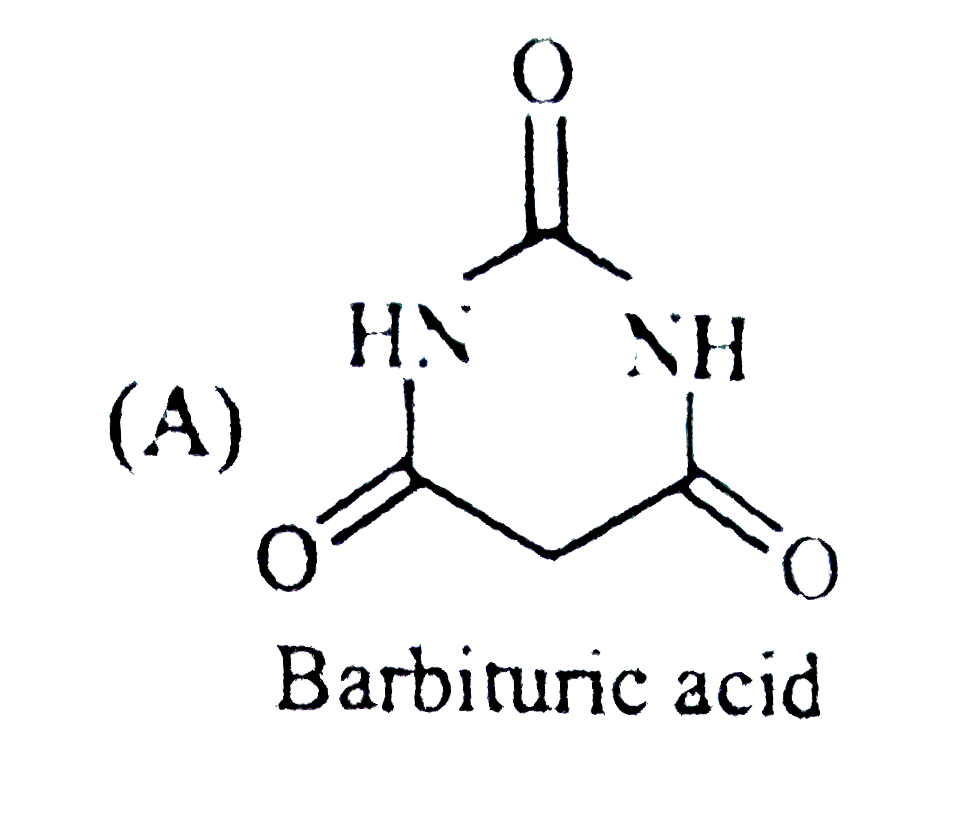
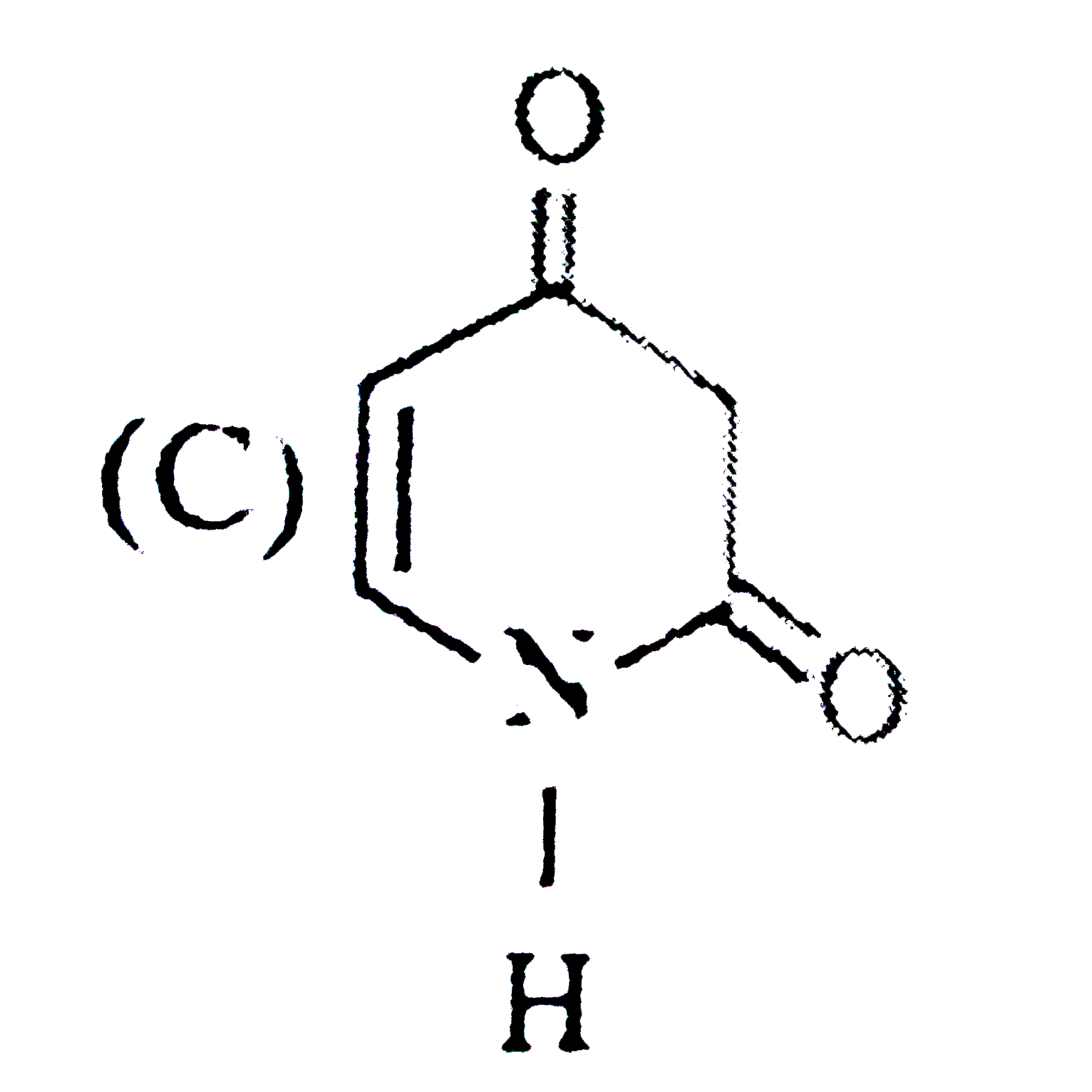
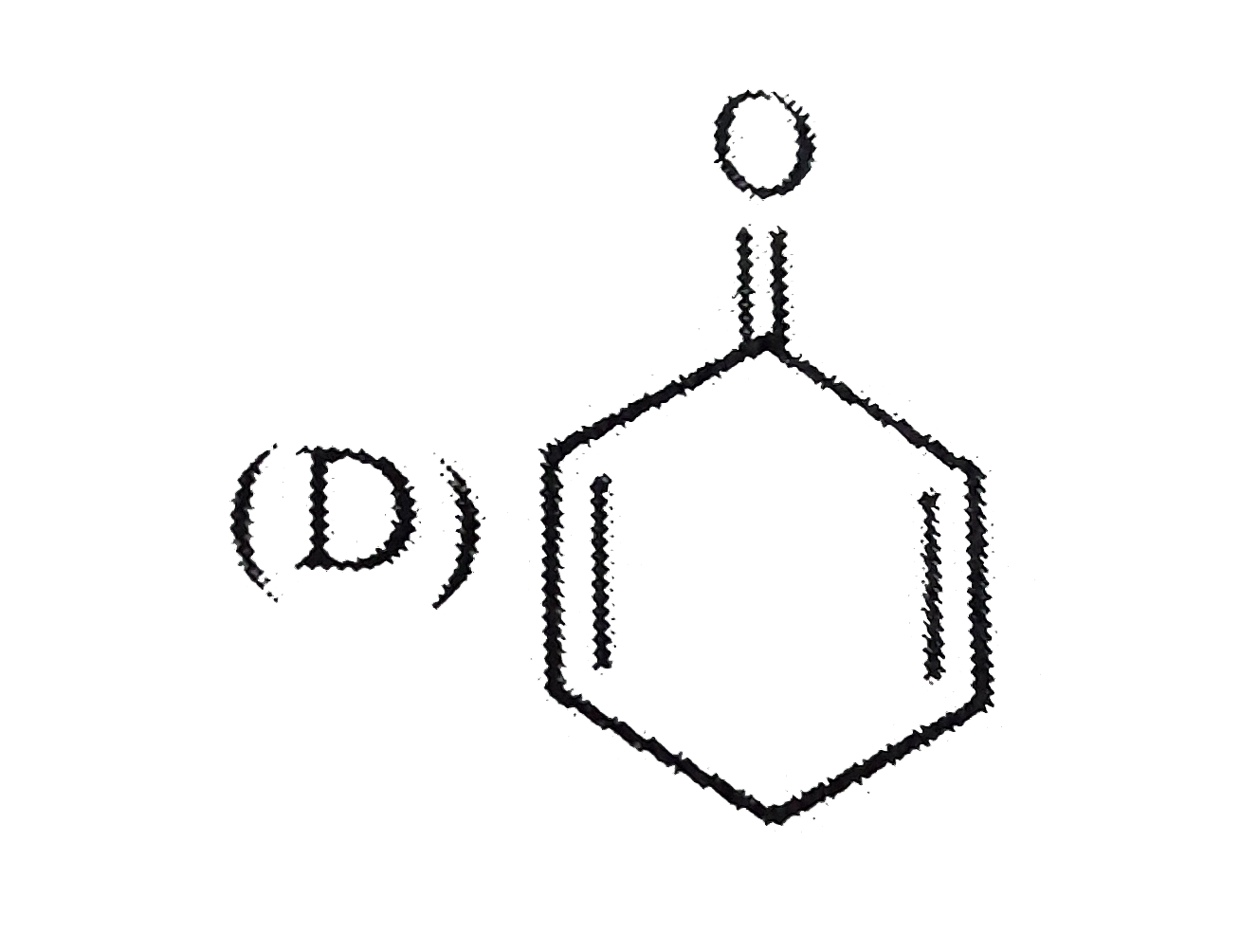
Select the number of compounds in which deprotonation gives aromatic anion:

A

B

C

D

Text Solution

AI Generated Solution

The correct Answer is:

To solve the question of selecting the number of compounds that give aromatic anions upon deprotonation, we will analyze each of the given options step by step. ### Step 1: Analyze Option A - Barbituric Acid 1. **Structure**: Barbituric acid has two NH groups and multiple carbonyl (C=O) groups. 2. **Deprotonation**: When we remove protons from the NH groups, we can generate negative charges on the nitrogen atoms. 3. **Conjugation**: The negative charge can delocalize through the structure, allowing for resonance stabilization. 4. **Aromaticity**: After deprotonation and resonance, the resulting structure will have a conjugated system with 6 π electrons, satisfying Huckel's rule (4n + 2, where n = 1). 5. **Conclusion**: Barbituric acid can form an aromatic anion upon deprotonation. ### Step 2: Analyze Option B - Ascorbic Acid 1. **Structure**: Ascorbic acid (Vitamin C) contains multiple hydroxyl (OH) groups and a lactone structure. 2. **Deprotonation**: Removing protons from the hydroxyl groups does not lead to a structure that allows for significant conjugation. 3. **Conjugation**: The resulting anion lacks a continuous π system. 4. **Aromaticity**: The structure does not satisfy the criteria for aromaticity and does not have 6 π electrons. 5. **Conclusion**: Ascorbic acid does not form an aromatic anion upon deprotonation. ### Step 3: Analyze Option C 1. **Structure**: This compound has a nitrogen atom and carbonyl groups. 2. **Deprotonation**: Upon removing a proton, a negative charge can be generated. 3. **Conjugation**: The negative charge can delocalize through the nitrogen and carbonyls, creating resonance. 4. **Aromaticity**: The resulting structure has a conjugated system with 6 π electrons, fulfilling Huckel's rule. 5. **Conclusion**: This compound can form an aromatic anion upon deprotonation. ### Step 4: Analyze Option D 1. **Structure**: This compound contains a benzene ring and carbonyl groups. 2. **Deprotonation**: Removing a proton from the hydroxyl group leads to a negative charge. 3. **Conjugation**: The negative charge can delocalize into the benzene ring, creating resonance. 4. **Aromaticity**: The resulting phenoxide ion has 6 π electrons, confirming aromaticity. 5. **Conclusion**: This compound can also form an aromatic anion upon deprotonation. ### Final Conclusion After analyzing all four options, we find that: - **Option A**: Aromatic anion (Correct) - **Option B**: Not aromatic (Incorrect) - **Option C**: Aromatic anion (Correct) - **Option D**: Aromatic anion (Correct) Thus, the total number of compounds that give aromatic anions upon deprotonation is **3** (Options A, C, and D).
Promotional Banner

Topper's Solved these Questions

  • ACIDIC STRENGTH & BASIC STRENGTH

    ALLEN|Exercise Exercise IV|30 Videos
  • ACIDIC STRENGTH & BASIC STRENGTH

    ALLEN|Exercise Exercise V|16 Videos
  • ACIDIC STRENGTH & BASIC STRENGTH

    ALLEN|Exercise Exercise II|15 Videos
  • CONCENTRATION TERMS

    ALLEN|Exercise Exercise Jee-Advance|3 Videos
  • AIIMS 2019

    ALLEN|Exercise CHEMISTRY|40 Videos

Similar Questions

Explore conceptually related problems

Which one of following compound undergoes bromination of its aromatic ring (electrophilic aromatic substitution) at the faster rate ?

Select the compound in which the oxidation number of oxygen is -1 :-

Identify the polynuclear aromatic compound which is aromatic.

Consider following compound, which H-atom deprotonated first ?

Non-aromatic compound is

Give one application of aromatic amines.
