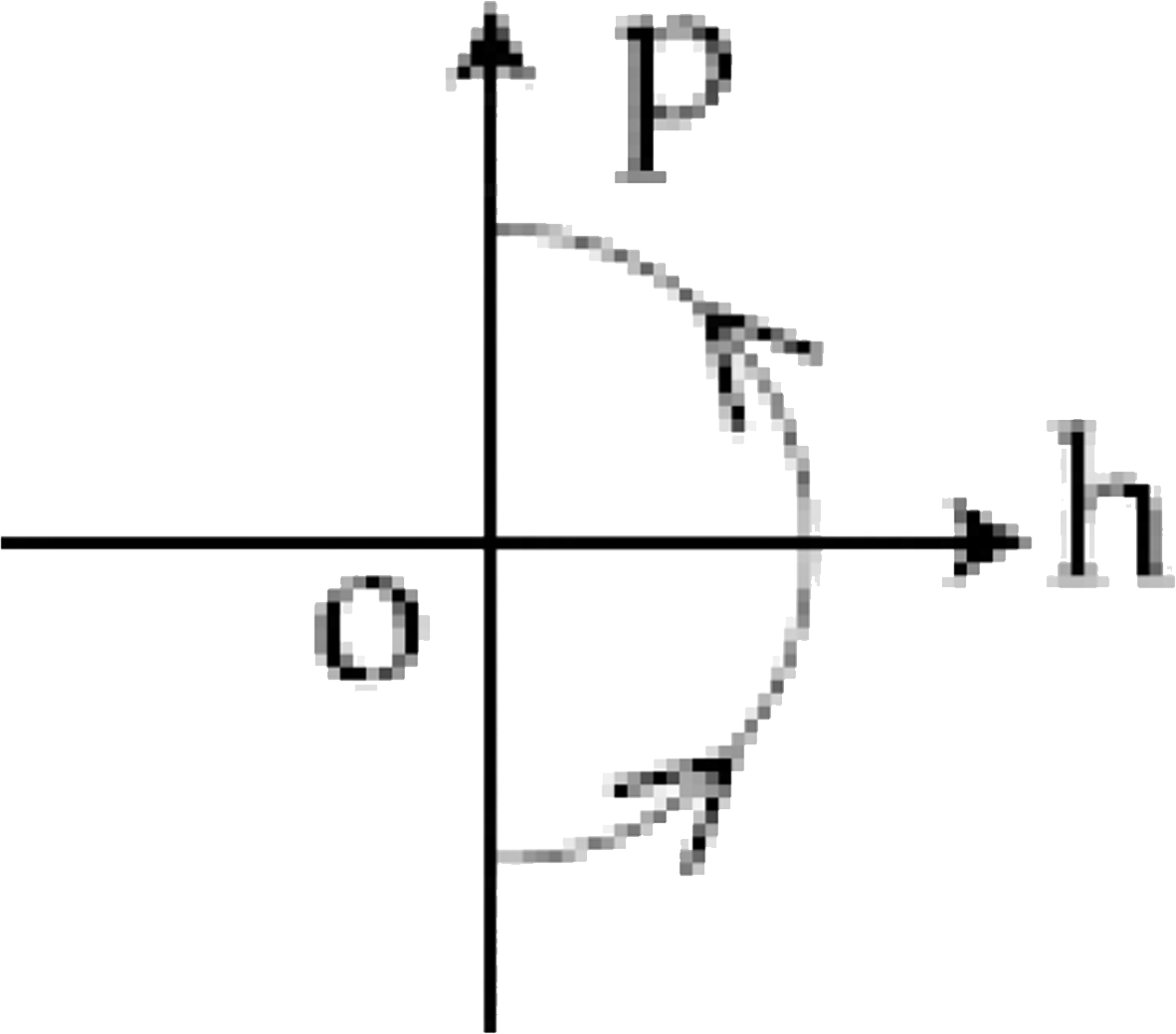
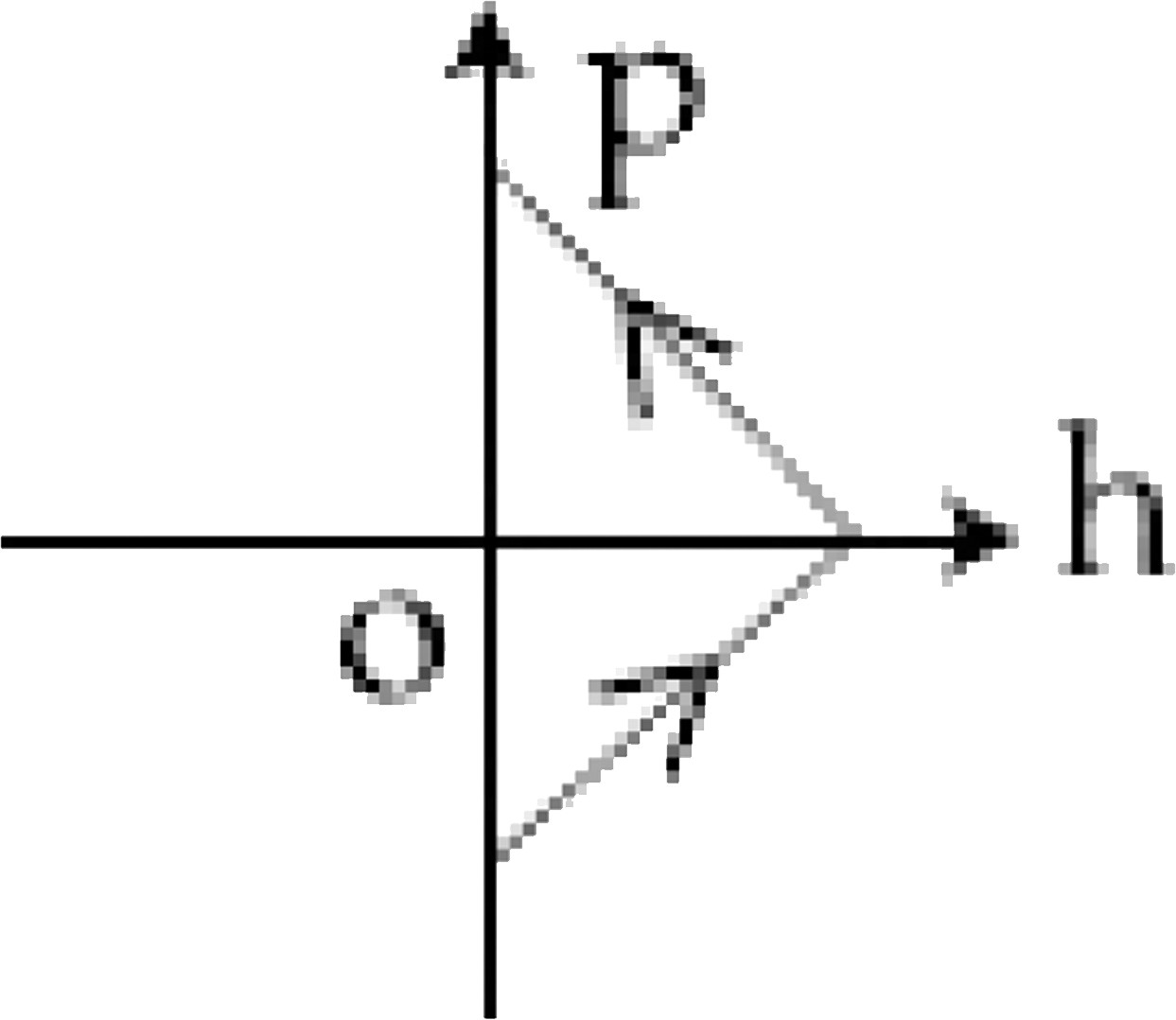
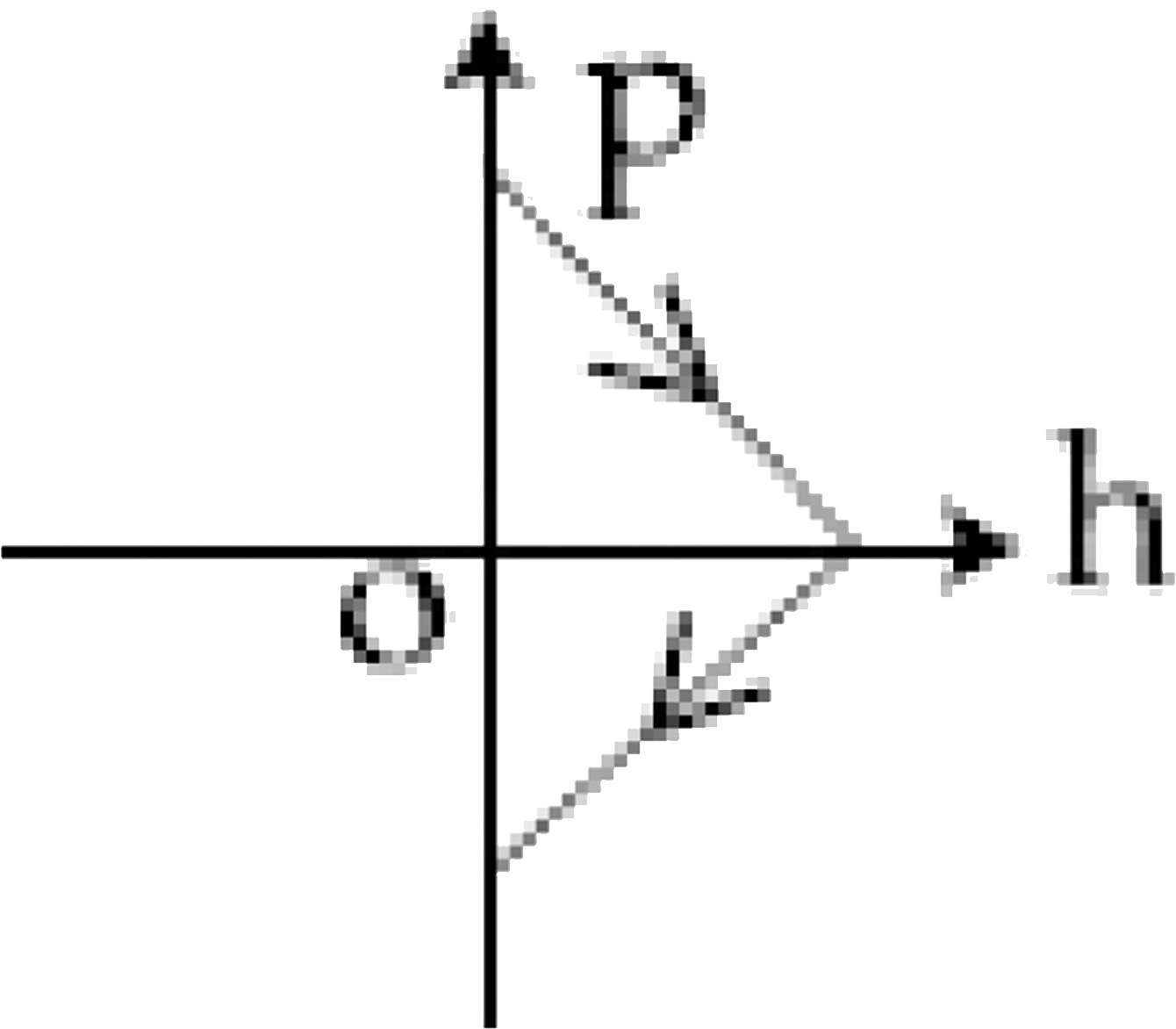
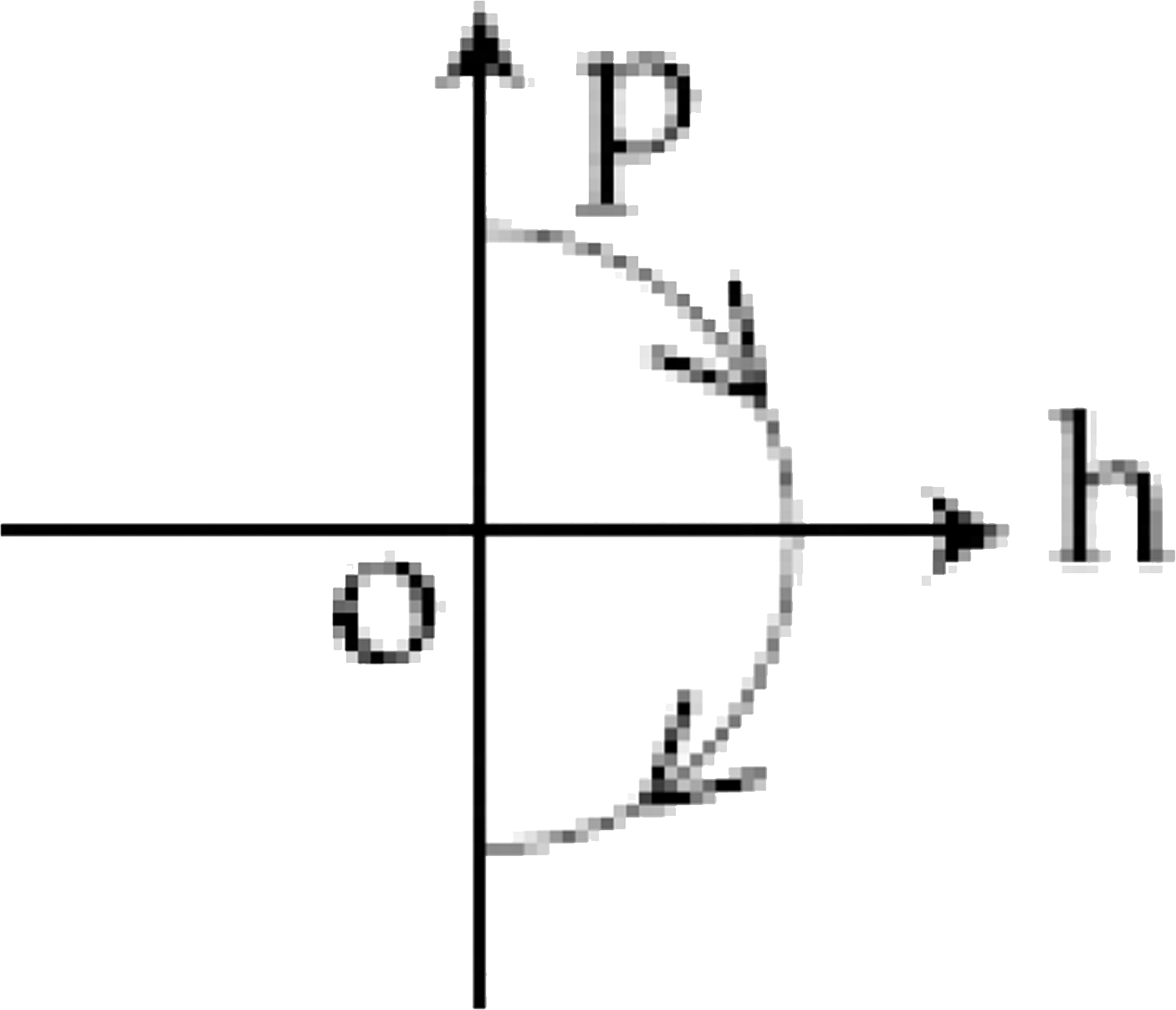
A ball is thrown vertically up (taken as + z-axis) from the ground. The correct momentum-height (p-h) diagram is:
A ball is thrown vertically upwards with a velocity u from the ground. The ball attains a maximum height H_("max") . Then find out the time and displacement at which ball have half of the maximum speed
A ball is thrown vertically upwards from the ground. It crosses a point at the height of 25 m twice at an interval of 4 secs. The ball was thrown with the velocity of
A ball is thrown vertically upwards from the ground It crosses a point at the height of 25 m twice at an interval of 4 secs . The ball was thrown with the velocity of.
A ball is thrown vertically upwards from the ground. If T_1 and T_2 are the respective time taken in going up and coming down, and the air resistance is not ignored, then
An open elevator is ascending with constant speed v=10m//s. A ball is thrown vertically up by a boy on the lift when he is at a height h=10m from the ground. The velocity of projection is v=30 m//s with respect to elevator. Find (a) the maximum height attained by the ball. (b) the time taken by the ball to meet the elevator again. (c) time taken by the ball to reach the ground after crossing the elevator.
A ball is thrown vertically upwards from the top of tower of height h with velocity v . The ball strikes the ground after time.
A particle is dropped from a height h and at the same instant another particle is projected vertically up from the ground. They meet when the upper one has descended a height h/3. Find the ratio of their velocities at this instant.