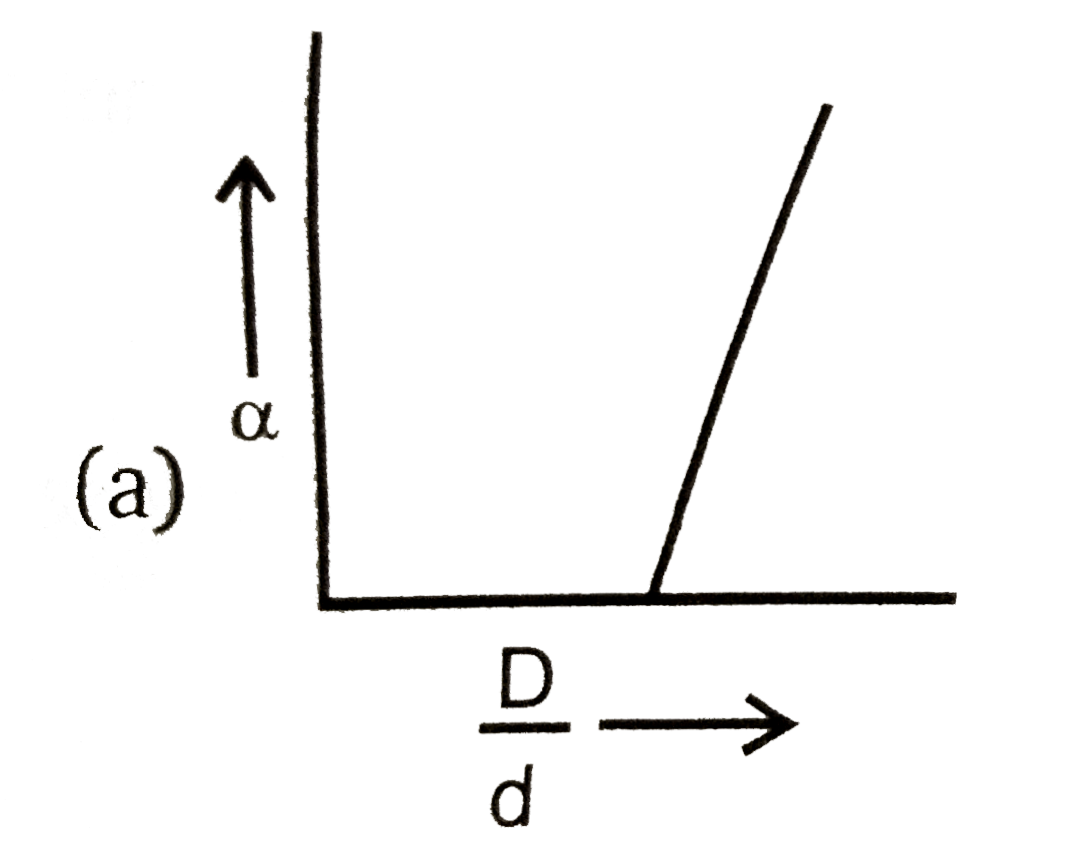
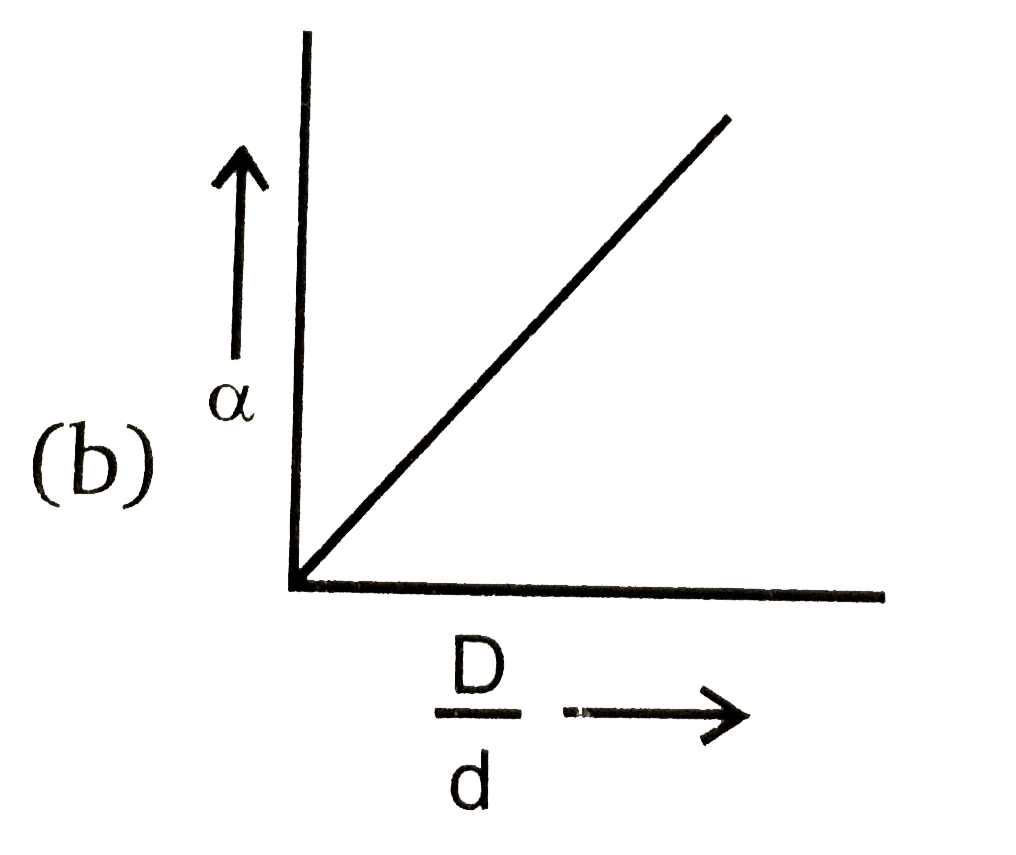
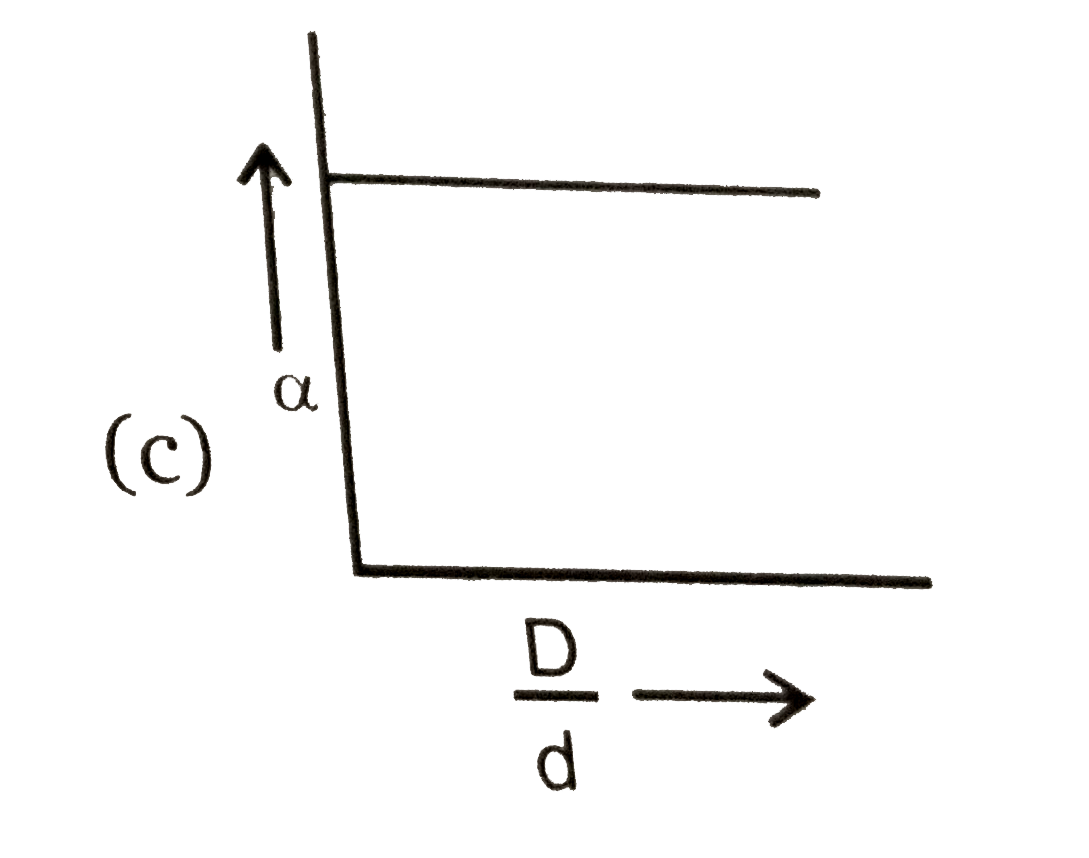
For the dissociation of `PCl_(5)` into `PCl_(3)` and `Cl_(2)` in gaseous phase reaction , if d is the observed vapour density and D the theoretical vapour density with `'alpha'` as degree of dissociation ,variaton of D/d with `'alpha'` is given by ?
A
B
C
D
none of these
Text Solution
Verified by Experts
The correct Answer is:
a
Topper's Solved these Questions
CHEMICAL EQUILIBRIUM
NARENDRA AWASTHI|Exercise Level 1 (Q.93 To Q.122)|1 Videos
CHEMICAL EQUILIBRIUM
NARENDRA AWASTHI|Exercise Level 2|1 Videos
ATOMIC STUCTURE
NARENDRA AWASTHI|Exercise Exercise|273 Videos
DILUTE SOLUTION
NARENDRA AWASTHI|Exercise Level 3 - Match The Column|1 Videos
Similar Questions
Explore conceptually related problems
For a very small extent of dissociation of PCl_(5) into PCl_(3) and Cl_(2) is a gaseous phase reaction then degree of dissociation , x :
Consider the following hypothetical equilibrium 2B(g)hArrB_(2)(g) If d is observed vapour density and D is theoretical vapour density, then degree of association (alpha) will be
Why PCl_(5) dissociates to give PCl_(3) and Cl_(2) ?
Question based on Vapour density and degree of dissociation | Suppression
Vapour density and degree of dissociation| Suppression
PCl_(5) on heating dissociates to PCl _(3) and Cl _(3) because :
Second application Determination of direction of reaction | Third Application Relation between vapour density and degree of dissociation
In the dissociation of N_(2)O_(4) into NO_(2), (1+ alpha) values with the vapour densities ratio ((D)/(d)) is given by: [ alpha degree of dissociation, D-vapour density before dissociation, d-vapour density after dissociation]
In the dissociation of N_(2)O_(4) into NO_(2). (1+x) values with the vapour densities ratio ((D)/(d)) is given by :