Home
Class 12
CHEMISTRY
In which of the following molecules all ...

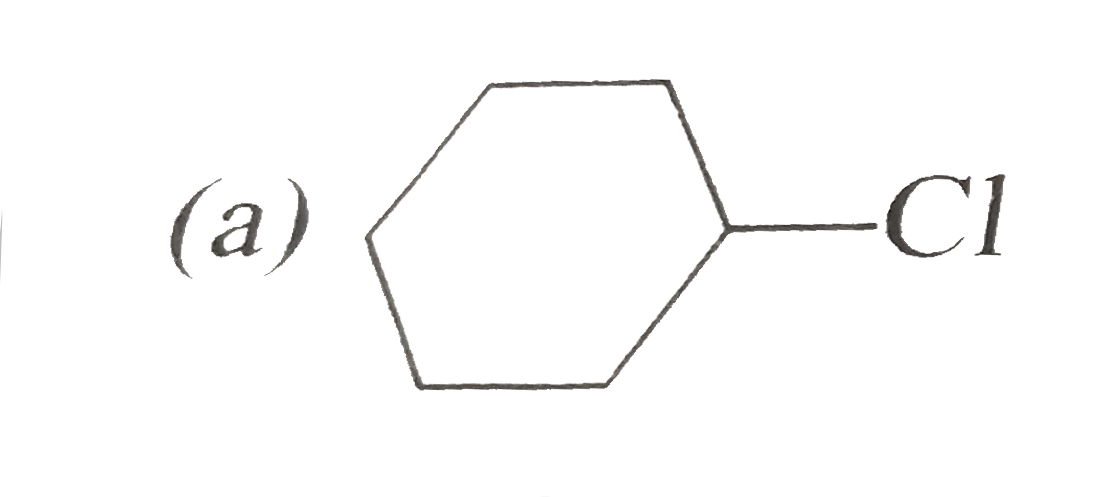
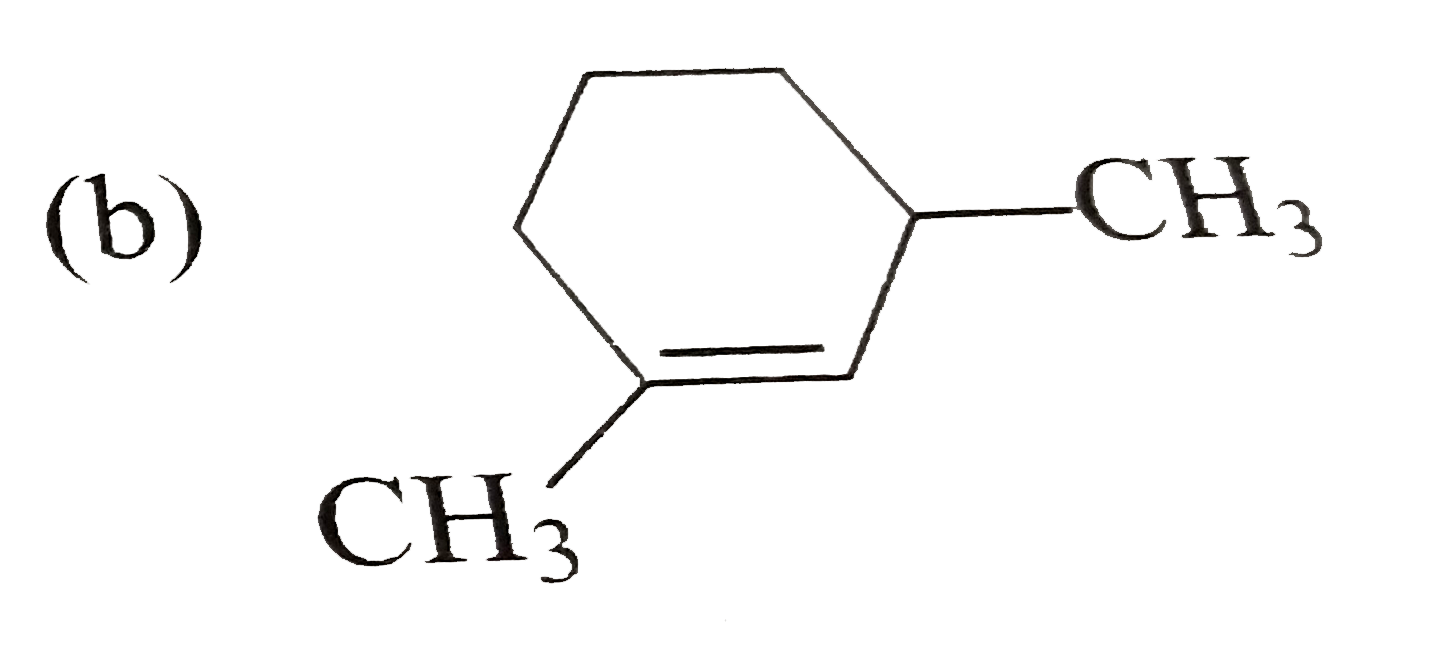
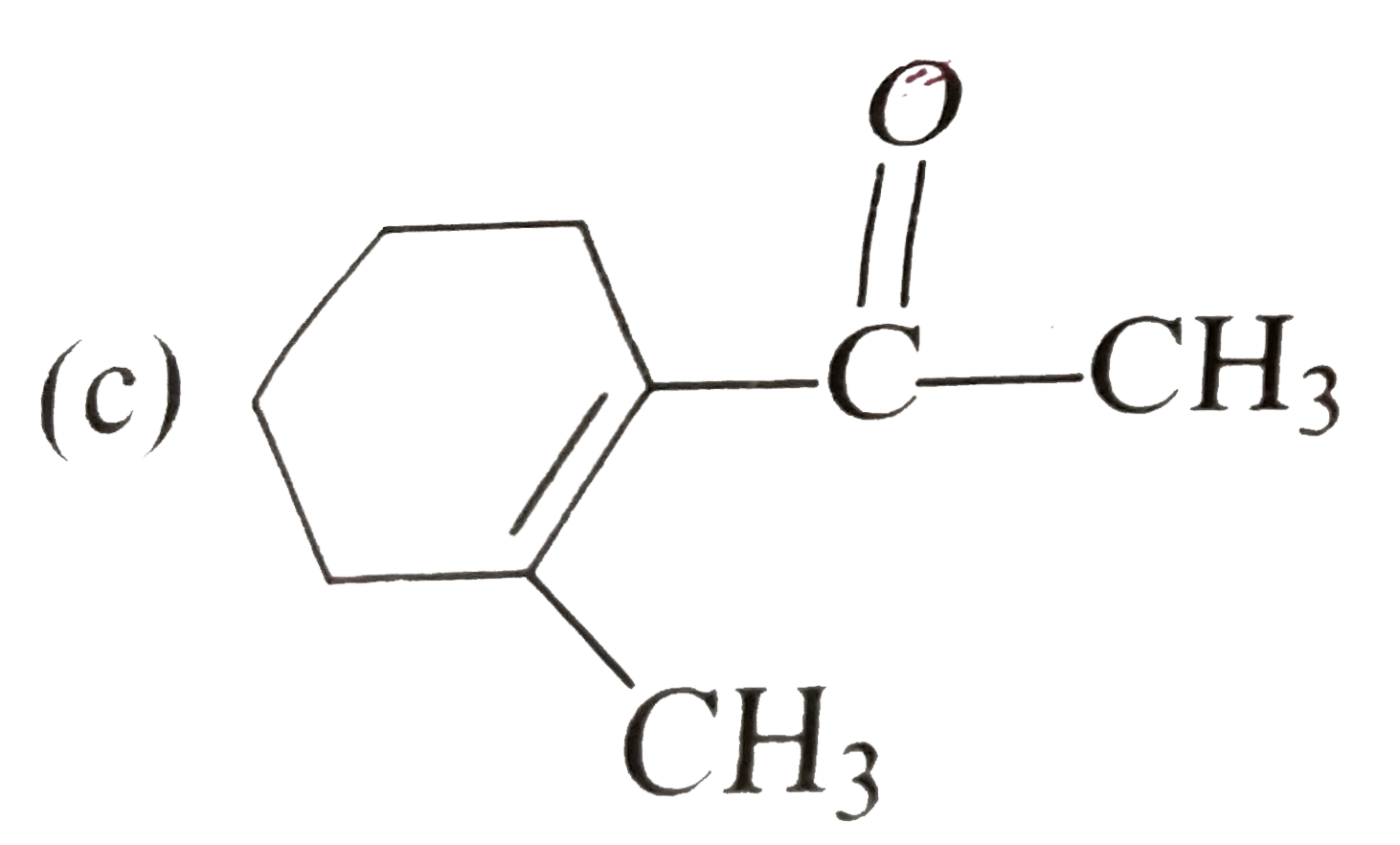
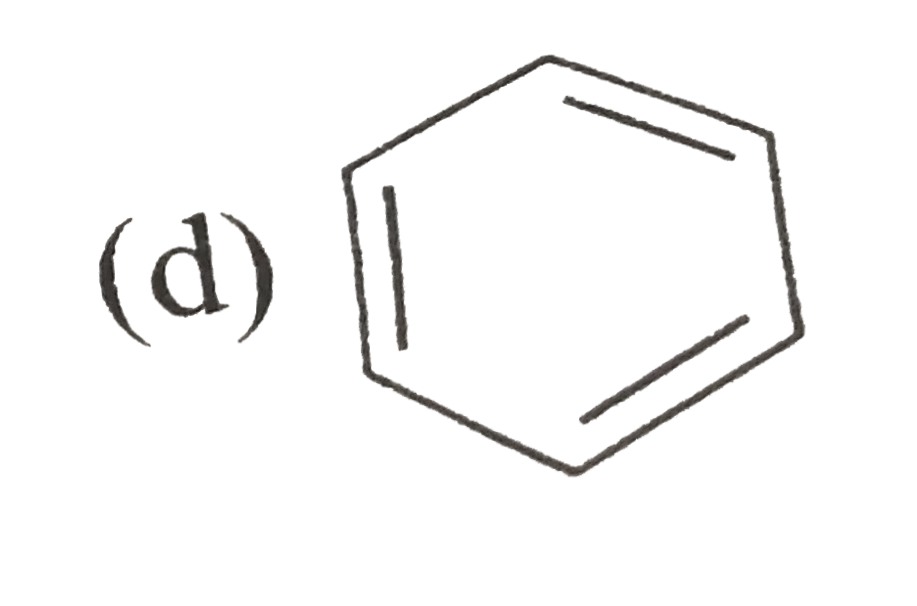
In which of the following molecules all the effects namely inductive, mesomeric and hyperconjugation operate?

A

B

C

D

Text Solution

AI Generated Solution

The correct Answer is:

To determine in which of the given molecules all three effects—inductive, mesomeric, and hyperconjugation—operate, we will analyze each effect step by step. ### Step 1: Understand the Effects 1. **Inductive Effect**: This is the permanent effect due to the electronegativity difference between atoms, leading to a shift of electron density through sigma bonds. Electron-withdrawing groups (EWGs) pull electron density away, while electron-donating groups (EDGs) push electron density towards the rest of the molecule. 2. **Mesomeric Effect**: Also known as resonance effect, it occurs when there is delocalization of electrons through pi bonds or lone pairs. This effect is significant in systems with conjugated double bonds or lone pairs adjacent to a double bond. 3. **Hyperconjugation**: This effect occurs when there is interaction between the electrons in a sigma bond (usually C-H or C-C) and an adjacent empty or partially filled p-orbital or pi bond. It is often observed in alkenes and carbocations. ### Step 2: Analyze the Molecules Now, we need to analyze the given molecules to see where all three effects are present. 1. **Molecule A**: Check for inductive effect (presence of EWG or EDG), mesomeric effect (presence of double bonds or lone pairs), and hyperconjugation (presence of alpha hydrogen adjacent to a double bond). 2. **Molecule B**: Repeat the analysis as above. 3. **Molecule C**: Again, check for all three effects. 4. **Molecule D**: Perform the same checks. ### Step 3: Identify the Correct Option After analyzing the effects in each molecule: - If a molecule shows all three effects (inductive, mesomeric, and hyperconjugation), it is the correct answer. - If a molecule lacks any one of these effects, it cannot be the answer. ### Conclusion Based on the analysis, the correct option is the one where all three effects are present. According to the video transcript, the correct option is **C**.

To determine in which of the given molecules all three effects—inductive, mesomeric, and hyperconjugation—operate, we will analyze each effect step by step. ### Step 1: Understand the Effects 1. **Inductive Effect**: This is the permanent effect due to the electronegativity difference between atoms, leading to a shift of electron density through sigma bonds. Electron-withdrawing groups (EWGs) pull electron density away, while electron-donating groups (EDGs) push electron density towards the rest of the molecule. 2. **Mesomeric Effect**: Also known as resonance effect, it occurs when there is delocalization of electrons through pi bonds or lone pairs. This effect is significant in systems with conjugated double bonds or lone pairs adjacent to a double bond. 3. **Hyperconjugation**: This effect occurs when there is interaction between the electrons in a sigma bond (usually C-H or C-C) and an adjacent empty or partially filled p-orbital or pi bond. It is often observed in alkenes and carbocations. ...
Promotional Banner

Topper's Solved these Questions

  • GENERAL ORGANIC CHEMISTRY

    HIMANSHU PANDEY|Exercise Level 2 (Q.26 To Q.50)|25 Videos
  • GENERAL ORGANIC CHEMISTRY

    HIMANSHU PANDEY|Exercise Level 2 (Q.51 To Q.75)|25 Videos
  • GENERAL ORGANIC CHEMISTRY

    HIMANSHU PANDEY|Exercise Level 1 (Q.26 To Q.49)|24 Videos
  • CHEMISTRY IN DAILY LIFE

    HIMANSHU PANDEY|Exercise Integer Answer Type Problems|7 Videos
  • HALIDES

    HIMANSHU PANDEY|Exercise Subjective Type Problems|10 Videos

Similar Questions

Explore conceptually related problems

In which of the following molecules all the bonds are not equal:-

In which of the following molecules are all the bonds not equal ?

In which of the following molecules are all the bonds not equal ?

HIMANSHU PANDEY-GENERAL ORGANIC CHEMISTRY-Level 2 (Q.1 To Q.25)
  1. In which of the following pairs is the sturcture on the right major re...

    Text Solution

    |

  2. In which of the following pairs of resonance contributors is the sturc...

    Text Solution

    |

  3. Examine the following resonating structures of formic acid and arrange...

    Text Solution

    |

  4. Which of the following compounds will not show resonance?

    Text Solution

    |

  5. Which of the following compounds will exhibit d-orbital resonance?

    Text Solution

    |

  6. Which of the following represents resonating structure of

    Text Solution

    |

  7. Which of the following is not a permissible resonating form?

    Text Solution

    |

  8. Less contributing structure of nitroethene is :

    Text Solution

    |

  9. Which will be the least stable resonating structure?

    Text Solution

    |

  10. Which will be the least stable resonating structure?

    Text Solution

    |

  11. Which of the following pairs of structures is not a pair of resonating...

    Text Solution

    |

  12. Which of the following pairs of strutures does not represent resonatin...

    Text Solution

    |

  13. The most stable resonating structure of p-nitrosonitrobenzene is :

    Text Solution

    |

  14. Which of the following molecules has longest C=C strenght?

    Text Solution

    |

  15. The decreasing order of bond length of C=C in the following compounds ...

    Text Solution

    |

  16. In which of the following molecules all the effects namely inductive, ...

    Text Solution

    |

  17. There are three canonical structures of naphthalene. Examine them and ...

    Text Solution

    |

  18. Among these compounds the correct order of C-N bond length is :

    Text Solution

    |

  19. C(1)-C(2) bond is shortest in :

    Text Solution

    |

  20. Among the following three canonical sturetures what would be their rel...

    Text Solution

    |
