Home
Class 12
CHEMISTRY
Five isomeric p-subsituted aromatic comp...

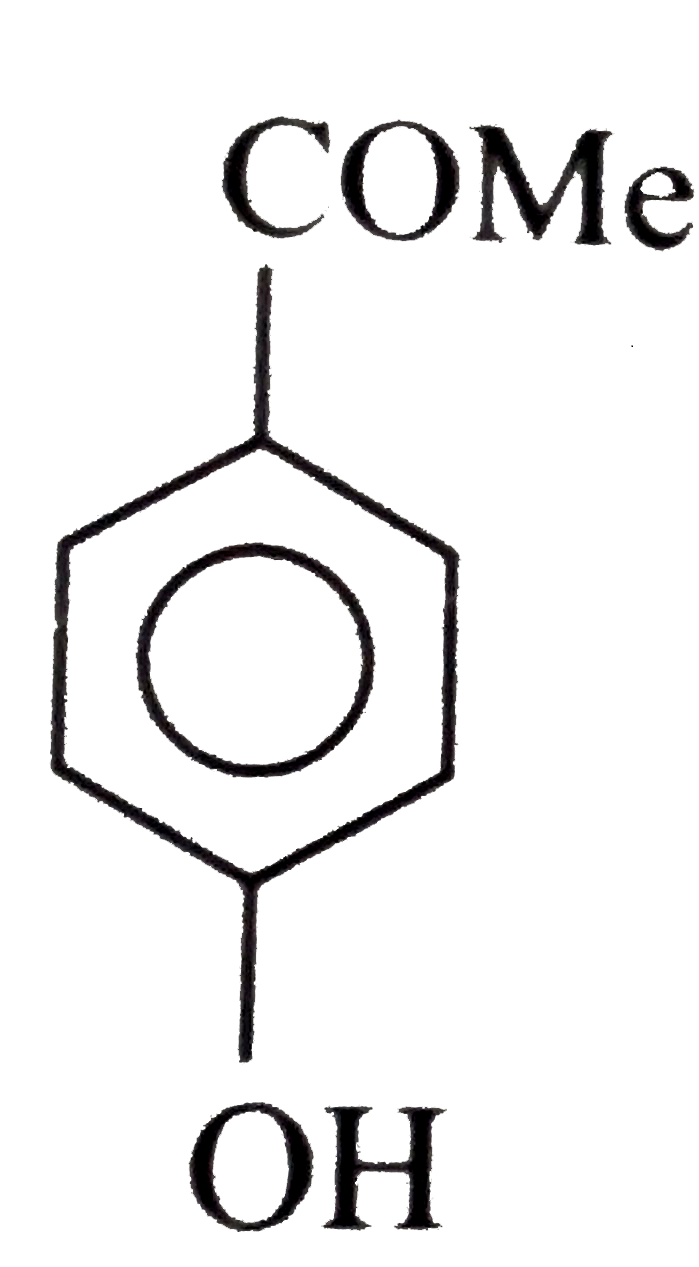
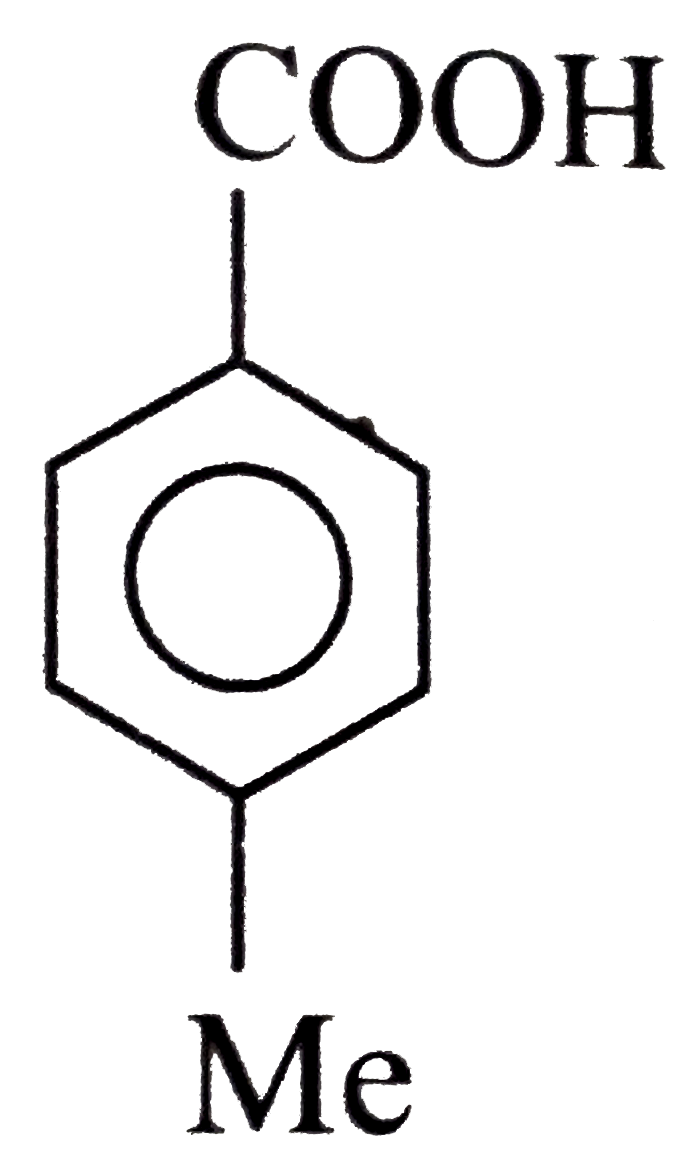
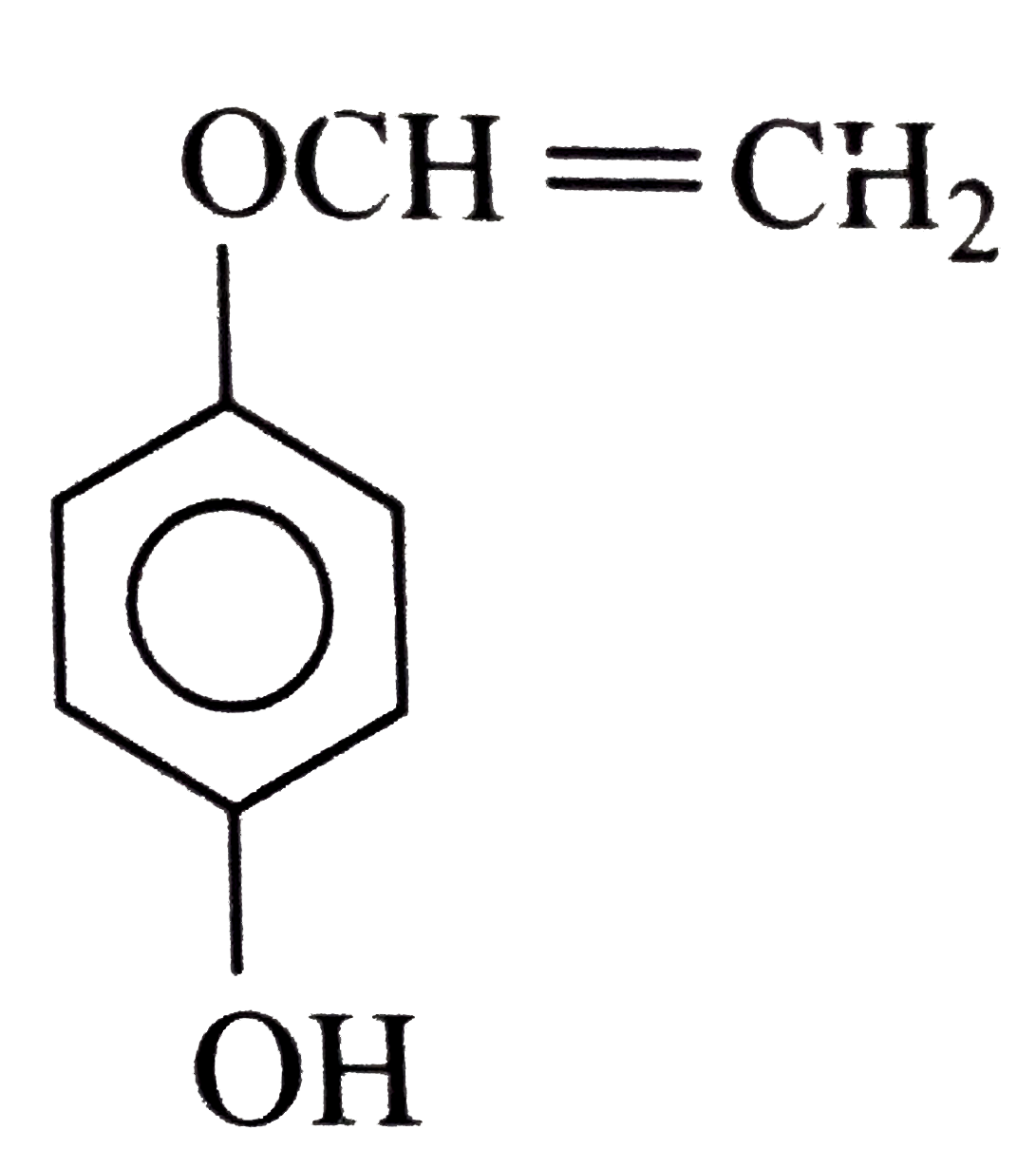
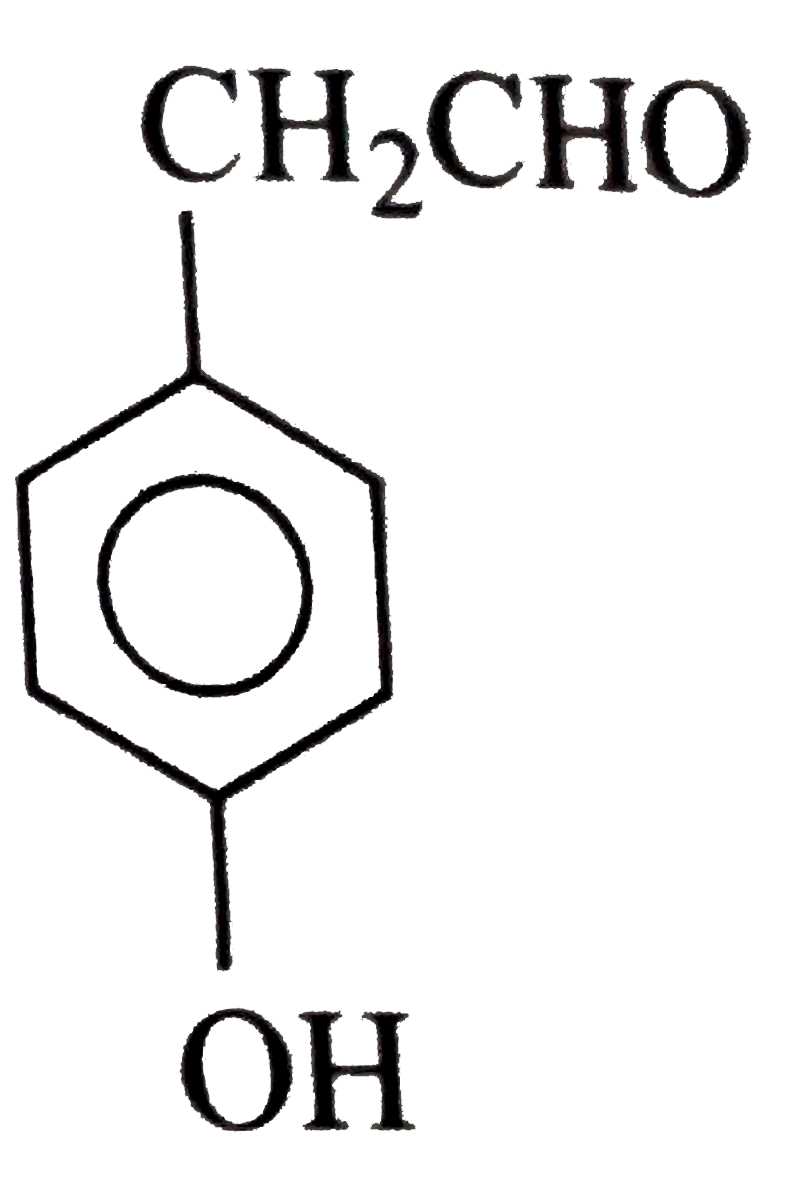
Five isomeric p-subsituted aromatic compounds (A) to (E ) with molecular formula `C_(8)H_(8)O_(2)` are given for identifyication. Based on the following observition, give the strucctures of the compounds.
i. Both (A) and (B) form a silver mirror with Tollens reagent, (B) also gives a positive test with neutral `FeCl_(3)` solution.
ii. (C ) gives positive iodoform test.
iii. (D) is readily extracted in aqueous `NaHCO_(3)` solution.
iv. (E ) on acid hydrolysis gives 1,4-dihydroxy benzene. Compound (E ) is:

A

B

C

D

Text Solution

AI Generated Solution

The correct Answer is:

To identify the structures of the five isomeric p-substituted aromatic compounds (A) to (E) with the molecular formula C8H8O2, we will analyze the observations provided step by step. ### Step 1: Analyze the information for Compound E The only observation provided for compound E is that it gives 1,4-dihydroxybenzene upon acid hydrolysis. This indicates that compound E must have a structure that, when hydrolyzed, results in the formation of 1,4-dihydroxybenzene. ### Step 2: Determine the structure of Compound E 1,4-Dihydroxybenzene (also known as p-hydroquinone) has hydroxyl groups at the 1 and 4 positions on the benzene ring. Therefore, compound E must have a substituent that, when hydrolyzed, can yield this product. ### Step 3: Identify possible structures for Compound E To yield 1,4-dihydroxybenzene, compound E could be an ether or an alkene that, upon hydrolysis, can rearrange or break down to form the desired product. Given that: - A, C, and D already have a hydroxyl group at the para position, they cannot be the source of the additional hydroxyl group after hydrolysis. - Aldehydes and ketones do not yield 1,4-dihydroxybenzene upon hydrolysis, as they would remain as carbonyl compounds. ### Step 4: Conclusion for Compound E The most likely candidate for compound E is an alkene or an ether that can yield 1,4-dihydroxybenzene upon hydrolysis. The structure of compound E can be proposed as: - An alkene with a structure like p-ethoxybenzene (C6H4(OCH2CH3)) or similar, which can yield 1,4-dihydroxybenzene upon acid hydrolysis. ### Final Structure of Compound E Thus, the structure of compound E is: - **p-Ethoxybenzene (C6H4(OCH2CH3))**

To identify the structures of the five isomeric p-substituted aromatic compounds (A) to (E) with the molecular formula C8H8O2, we will analyze the observations provided step by step. ### Step 1: Analyze the information for Compound E The only observation provided for compound E is that it gives 1,4-dihydroxybenzene upon acid hydrolysis. This indicates that compound E must have a structure that, when hydrolyzed, results in the formation of 1,4-dihydroxybenzene. ### Step 2: Determine the structure of Compound E 1,4-Dihydroxybenzene (also known as p-hydroquinone) has hydroxyl groups at the 1 and 4 positions on the benzene ring. Therefore, compound E must have a substituent that, when hydrolyzed, can yield this product. ...
Promotional Banner

Topper's Solved these Questions

  • ALIPHATIC AND AROMATIC ALDEHYDES AND KETONES

    CENGAGE CHEMISTRY ENGLISH|Exercise Exercises Multiple Correct|33 Videos
  • ALIPHATIC AND AROMATIC ALDEHYDES AND KETONES

    CENGAGE CHEMISTRY ENGLISH|Exercise Exercises Single Correct|71 Videos
  • ALIPHATIC AND AROMATIC ALDEHYDES AND KETONES

    CENGAGE CHEMISTRY ENGLISH|Exercise Exercises Concept Application|20 Videos
  • ALCOHOL,PHENOL AND ETHERS

    CENGAGE CHEMISTRY ENGLISH|Exercise Archives Analytical And Descriptive|15 Videos
  • APPENDIX INORGANIC VOLUME 2

    CENGAGE CHEMISTRY ENGLISH|Exercise Short Answer Type|179 Videos

Similar Questions

Explore conceptually related problems

Five isomeric p-subsituted aromatic compounds (A) to (E ) with molecular formula C_(8)H_(8)O_(2) are given for identifyication. Based on the following observation, give the structures of the compounds. i. Both (A) and (B) form a silver mirror with Tollens reagent, (B) also gives a positive test with neutral FeCl_(3) solution. ii. (C ) gives positive iodoform test. iii. (D) is readily extracted in aqueous NaHCO_(3) solution. iv. (E ) on acid hydrolysis gives 1,4-dihydroxy benzene. Compound (A) is:

Four isomeric para-disubstituted aromatic compounds A to D with molecular formula C_(8)H_(8)O_(2) were given for identification. Based on the following observations, give structures of the compounds.

Five isomeric para-disubsituted atomatic compounds (A) to ( E) with molecular formula C_(8) H_(8) O_(2) were given for identification. Based on the following observations give structures of the compounds. (i) Both (A) and (B) form silver mirror with Tollens reagent. Further, (B) gives a positive test with FeCl_(3) solution. (ii) (C) gives positive iodoform test. (iii) (D) is readily extracted in aqueous NaHCO_(3) solution. (iv) (E ) on acid hydrolysis gives 1,4- dihydroxy benzene.

A compound that gives positive iodoform test is
