Home
Class 12
CHEMISTRY
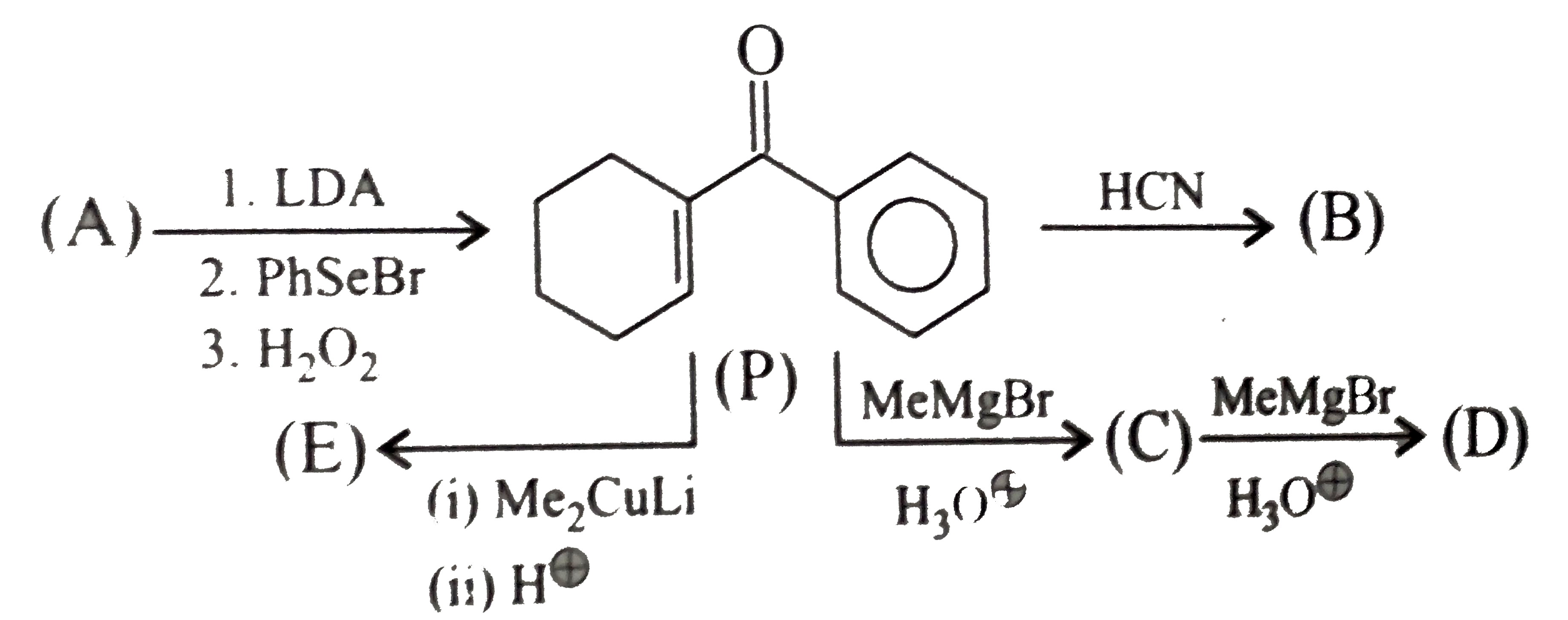
Compound (E ) is:...


Compound (E ) is:

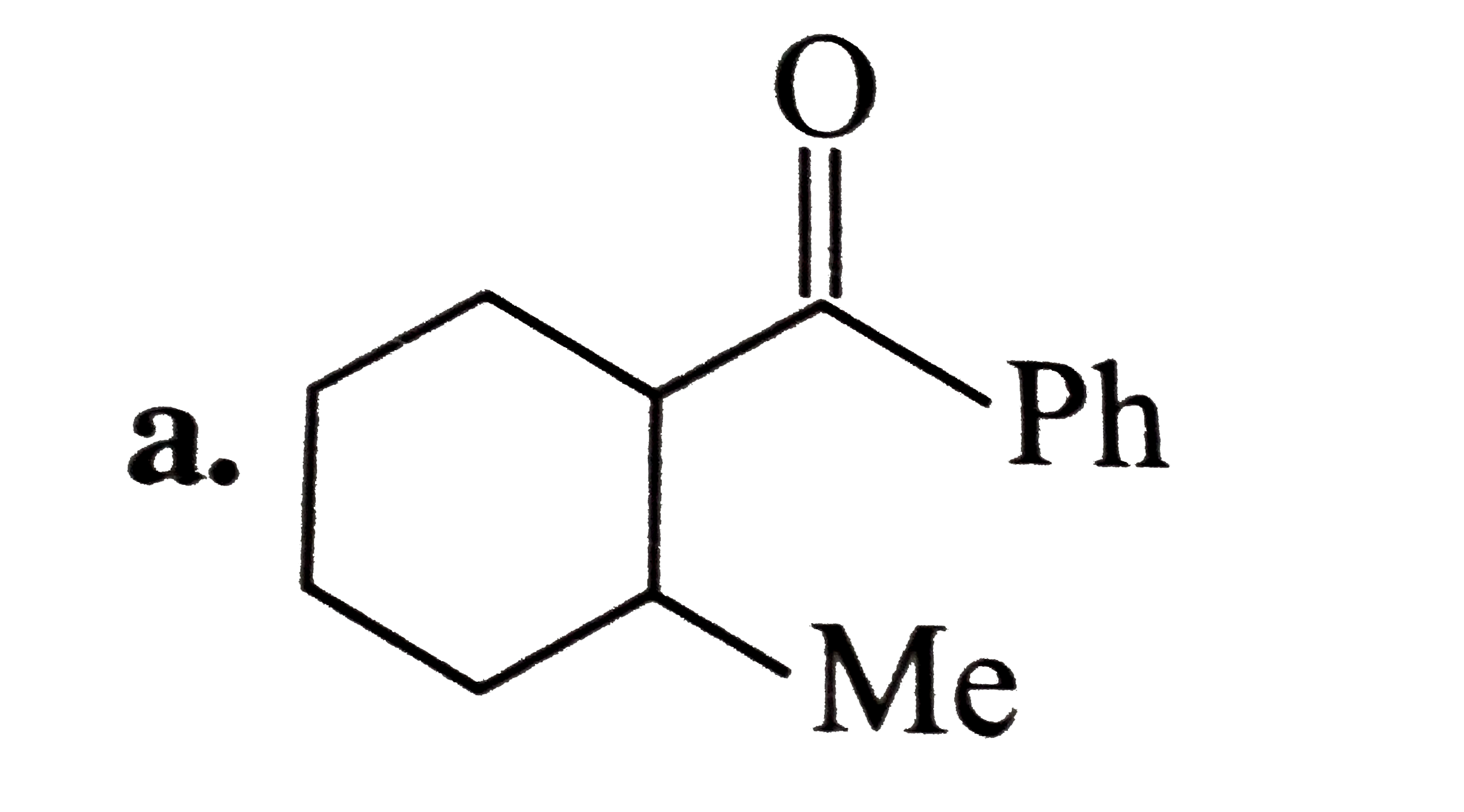
A

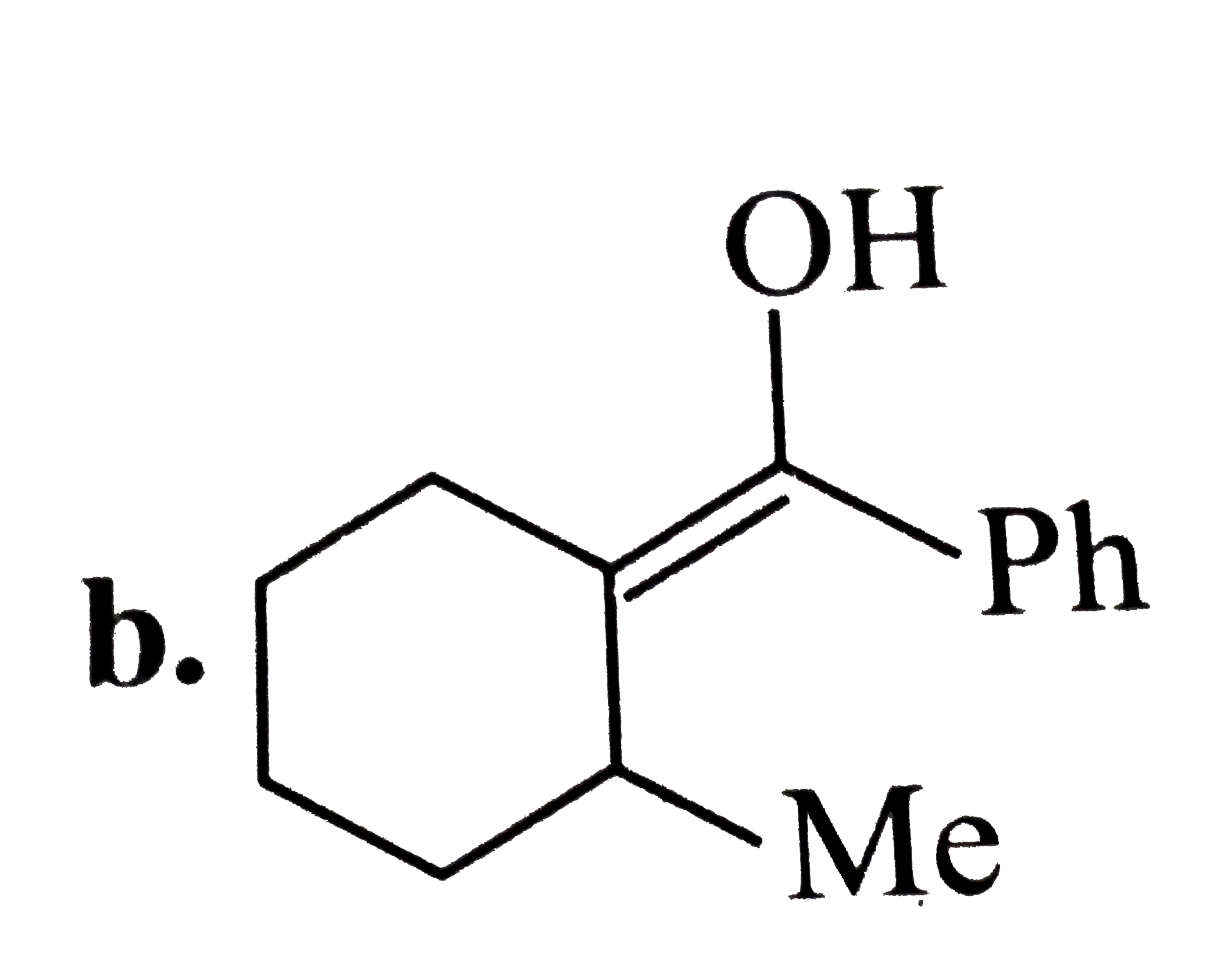
B

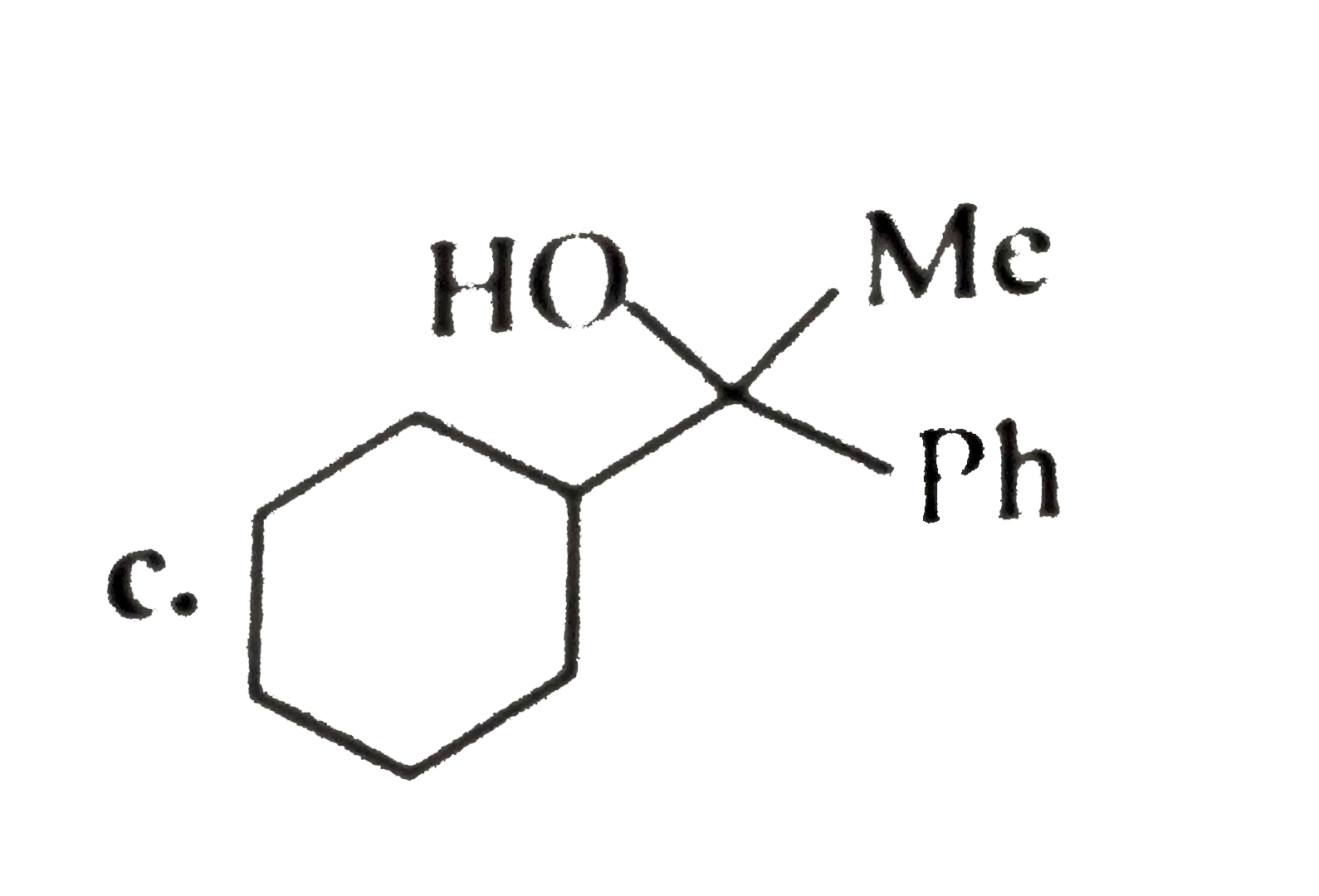
C

D

none

Text Solution

Verified by Experts

The correct Answer is:
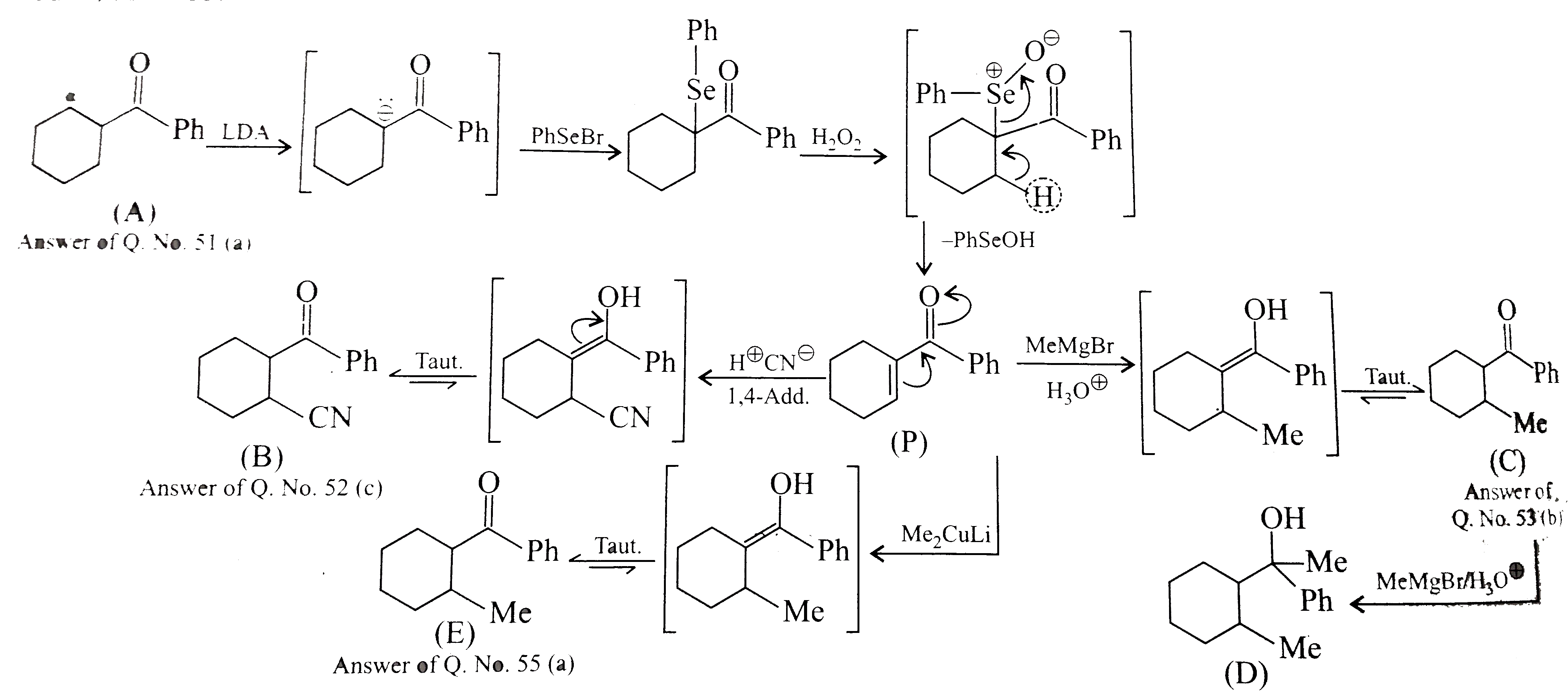
A

Promotional Banner

Topper's Solved these Questions

  • ALIPHATIC AND AROMATIC ALDEHYDES AND KETONES

    CENGAGE CHEMISTRY ENGLISH|Exercise Exercises Multiple Correct|33 Videos
  • ALIPHATIC AND AROMATIC ALDEHYDES AND KETONES

    CENGAGE CHEMISTRY ENGLISH|Exercise Exercises Single Correct|71 Videos
  • ALIPHATIC AND AROMATIC ALDEHYDES AND KETONES

    CENGAGE CHEMISTRY ENGLISH|Exercise Exercises Concept Application|20 Videos
  • ALCOHOL,PHENOL AND ETHERS

    CENGAGE CHEMISTRY ENGLISH|Exercise Archives Analytical And Descriptive|15 Videos
  • APPENDIX INORGANIC VOLUME 2

    CENGAGE CHEMISTRY ENGLISH|Exercise Short Answer Type|179 Videos

Similar Questions

Explore conceptually related problems

Four isomeric optically active compounds overset (NaHCO_3) rarr CO_2 (g) (A, B , C, D) (C_4 H_8 O_3) Compound (A) overset (LAH) rarr ( E) (Archiral compound) Compound (B) overset (KMnO_4) underset (or CrO_3) rarr Inert to oxidation. Compound ( C) underset (NaOI//H_3 O^(oplus)) rarr CHI_3 (Yellow ppt.) + Compound (F) . Compound (B) is :

An organic compound (A) (C_(6)H_(10)O) on reaction with CH_(3)MgBr followed by acid treatment gives compound (B). The compound (B) on ozonolysis gives compound (C ), which in the presence of a base gives 1-acetyl cyclopentene (D). The compound (B) on reaction with HBr gives compound (E ). Write the structures of (A), (B), (C ), (D), and (E ). Show how (D) is formed from (C ).

Identify (A) to ( E) . (a) An inorganic iodide (A) on heating with a solution of KOH gives a gas (B) and the solution of a compound ( C) . (b) The gas (B) on ignition air gives a compound (D) and water. ( C) Copper sulphate is reduced to the metal on passing (B) through the solution. (d) A precipitate of the compound ( E) is formed on reaction of ( C) with copper sulphate solution.

(i)A black coloured compound (B) is formed on passing H_(2)S through the solution of a compound (A) in NH_(4)OH (ii) (B) on treatment with HCl and potassium chlorate or aquaregia gives (A) (iii) (A) on treatment with KCN gives a buff/reddish-brown coloured precipitate which dissolves in excess of this reagent forming a compound ( C) . (iv)The compound ( C) is changed into a compound (D) when its aqueous solution is boiled in air. (v)The solution of (A) was treated with excess of NaHCO_(3) & then with bromine water. On cooling & shaking for some time, a green colour of compound (E) is formed.No change is observed on heating. Identify (A) to (E) and give chemical equations.

(i) An aqueous solution of a compound (A) is acidic towards litmus and (A) sublimes at about 300^(@)C . (ii) (A) on treatment with an excess of NH_(4)SCN gives a red coloured compound (B) and on treatment with a solution of K_(4)[Fe(CN)_(6)] gives a blue coloured compound (C). (iii) (A) on heating with excess of K_(2)Cr_(2)O_(7) in the presence of concentrated H_(2)SO_(4) evolves deep red vapours of (D). (iv) On passing the vapour of (D) into a solution of NaOH and then adding the solution of acetic acid and lead acetate, a yellow precipitate of compound (E) is obtained. Identify (A) to (E) and give chemical equations for the reactions.

(i) An aqueous solution of a compound (A) is acidic towards litmus and (A) sublimes at about 300^(@)C . (ii) (A) on treatment with an excess of NH_(4)SCN gives a red coloured compound (B) and on treatment with a solution of K_(4)[Fe(CN)_(6)] gives a blue coloured compound (C). (iii) (A) on heating with excess of K_(2)Cr_(2)O_(7) in the presence of concentrated H_(2)SO_(4) evolves deep red vapours of (D). (iv) On passing the vapour of (D) into a solution of NaOH and then adding the solution of acetic acid and lead acetate, a yellow precipitate of compound (E) is obtained. Identify (A) to (E) and give chemical equations for the reactions.

