A

B

C
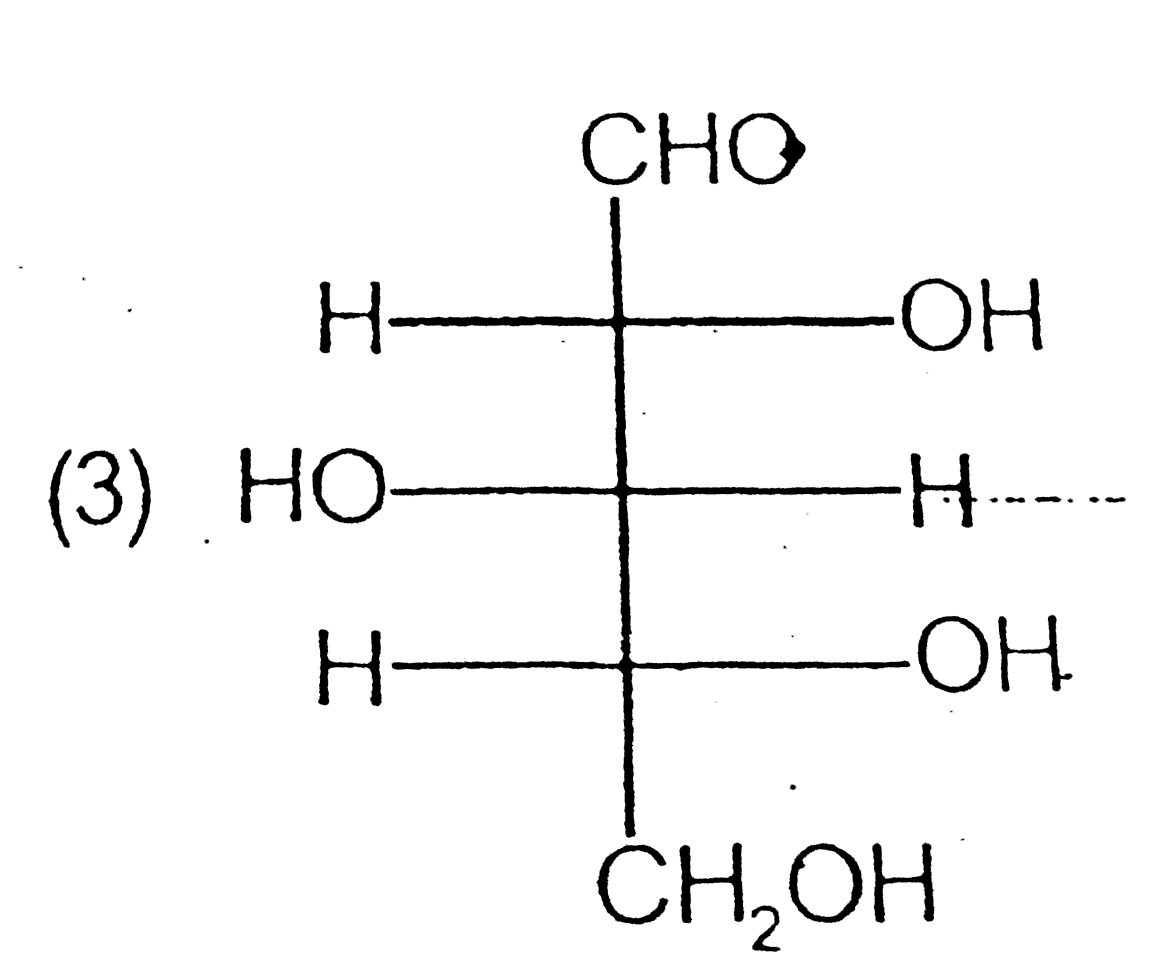
D

Text Solution
AI Generated Solution
The correct Answer is:



Topper's Solved these Questions
BIOMOLECULES
AAKASH INSTITUTE ENGLISH|Exercise Section-C (Objective Type Questions (More than one option is correct))|10 VideosBIOMOLECULES
AAKASH INSTITUTE ENGLISH|Exercise Section-D (Comprehension Questions )|9 VideosBIOMOLECULES
AAKASH INSTITUTE ENGLISH|Exercise Objective type question(Objective Type Questions (One option is correct))|5 VideosAMINES
AAKASH INSTITUTE ENGLISH|Exercise Assignment Section -J (Aakash Challengers Questions)|9 VideosCHEMICAL BONDING AND MOLECULAR STRUCTURE
AAKASH INSTITUTE ENGLISH|Exercise Assignment Section J (Aakash Challengers Questions)|10 Videos
Similar Questions
Explore conceptually related problems
AAKASH INSTITUTE ENGLISH-BIOMOLECULES-Section-B (Objective Type Questions (One option is correct))
- In alkalin solution D-glucose, D-mannose and D-fructose are in equilib...
Text Solution
|
- During mutarotation of beta-D-glucose in aqueous solution angle of opt...
Text Solution
|
- Which of the folfowing is correct about cellulose?
Text Solution
|
- Which of the following is incorrect about isoelectric point of amino a...
Text Solution
|
- If a native protein is subjected to physical or chemical treatment whi...
Text Solution
|
- Ring structure of glucose is due to formation of hemiacetal and ring f...
Text Solution
|
- Acid hydrolysis of sucrose causes
Text Solution
|
- Which of the following gives an optically inactive aldaric acid on oxi...
Text Solution
|
- (+) - Arabinose is (2R,3S,4S) - aldopentose. Which of the following is...
Text Solution
|
- A tripeptide is composed equally of L-valine, L-tyrosine and L-alanine...
Text Solution
|
- Peptides are formed by the joining of amino acids through amide linkag...
Text Solution
|