Home
Class 11
CHEMISTRY
The major product Y in the following seq...

The major product Y in the following sequence of reaction is:
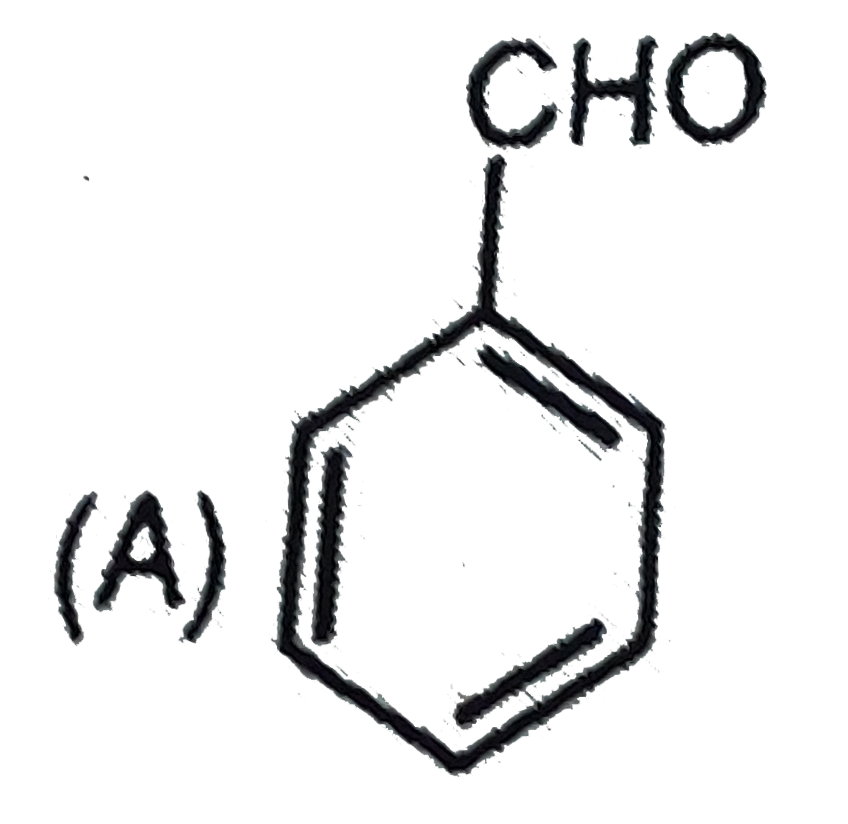
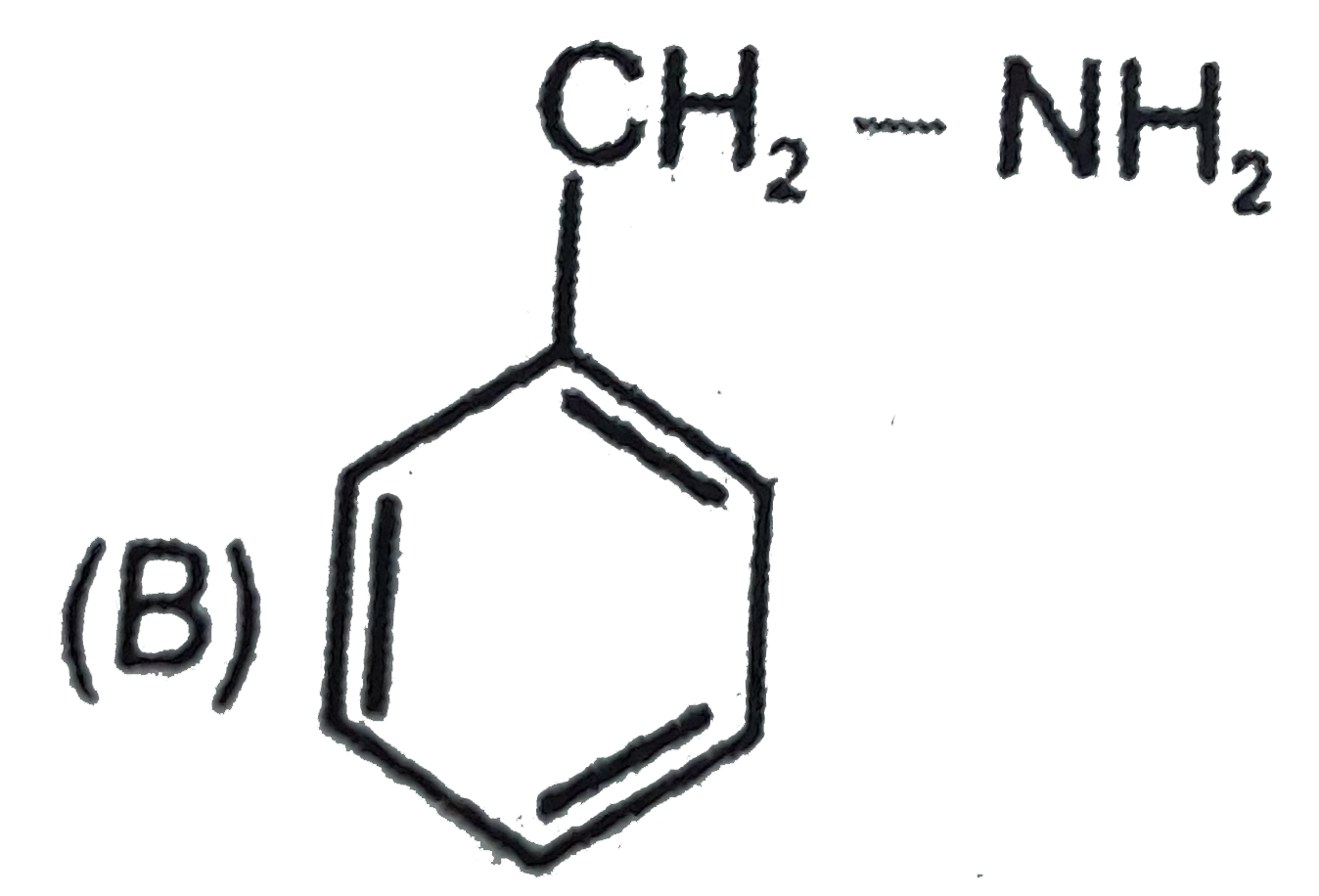
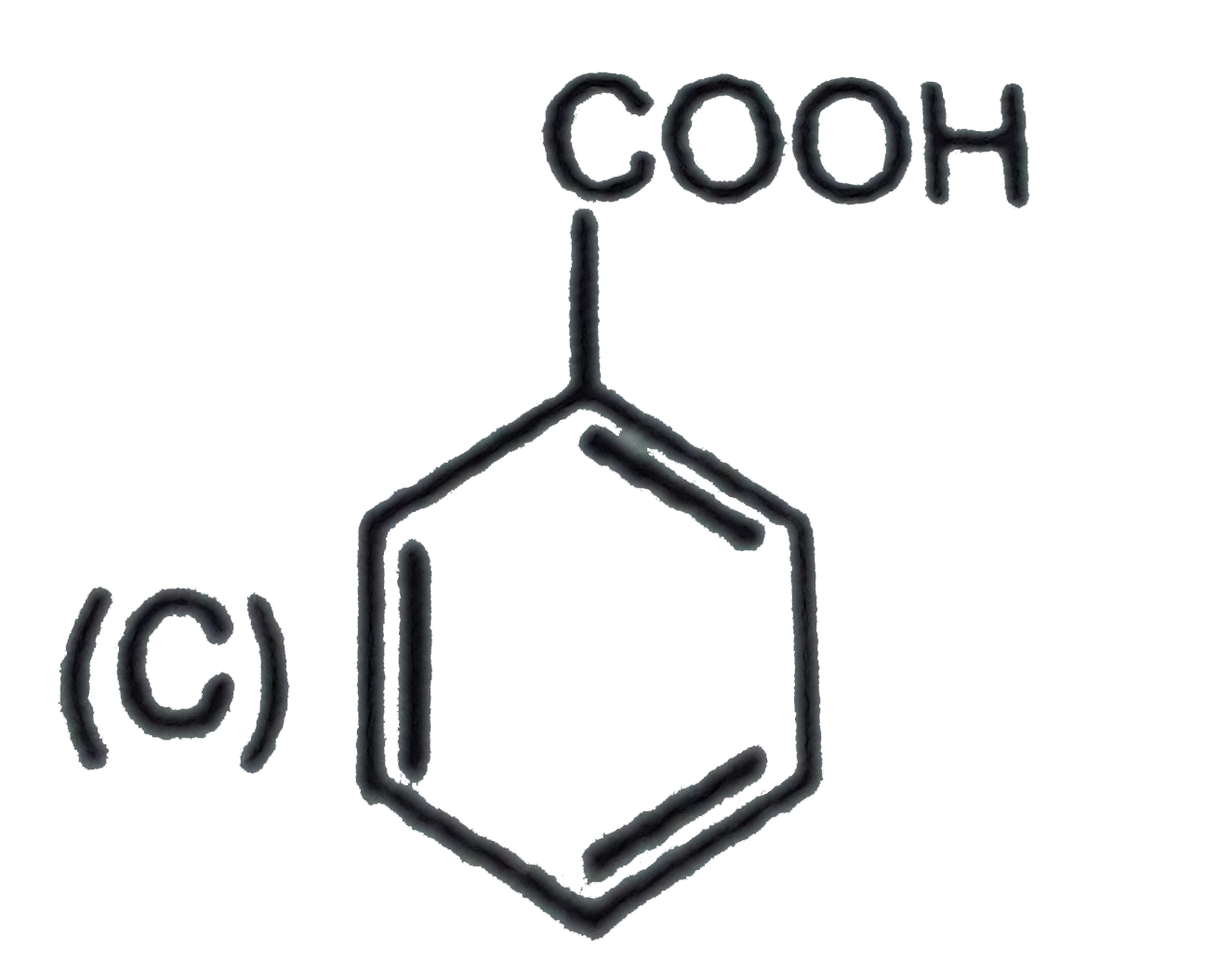
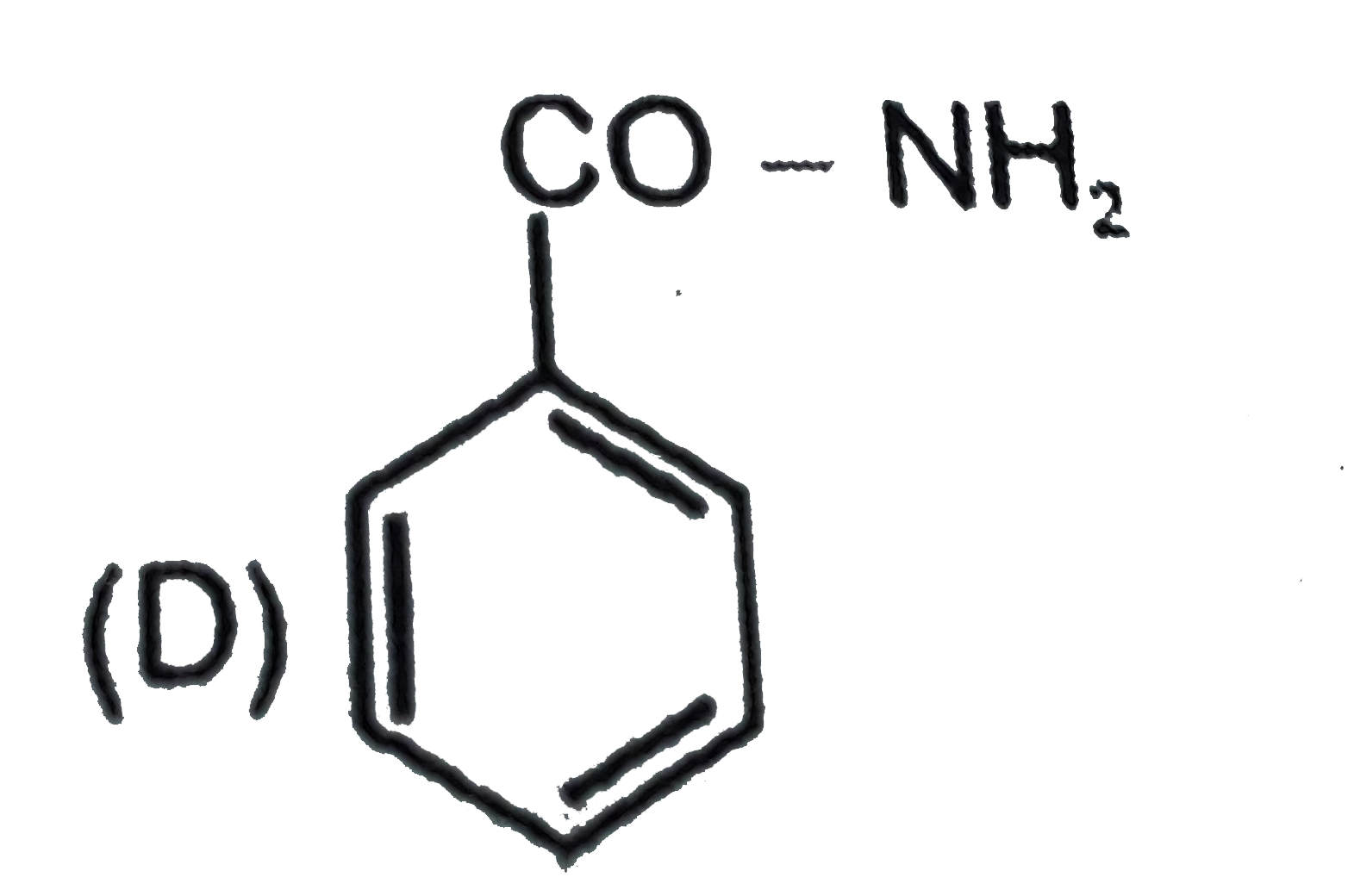
Aniline `overset((i) NaNO_(2)//HCl,273K)underset((ii)CuCN//KCN)to(X) overset((i)"DIBAL-H")underset((ii)H_(2)O)to (Y)`

A

B

C

D

Text Solution

AI Generated Solution

The correct Answer is:

To determine the major product Y in the given sequence of reactions starting from aniline, let's break down the steps systematically. ### Step 1: Diazotization of Aniline - **Reaction:** Aniline (C6H5NH2) is treated with sodium nitrite (NaNO2) and hydrochloric acid (HCl) at 273 K (0°C). - **Process:** This reaction leads to the formation of a diazonium salt. The amino group (-NH2) of aniline is converted into a diazonium group (-N2+). - **Product:** The product formed is benzenediazonium chloride (C6H5N2Cl). ### Step 2: Nucleophilic Substitution with Cyanide - **Reaction:** The benzenediazonium chloride is then treated with copper(I) cyanide (CuCN) in the presence of potassium cyanide (KCN). - **Process:** The cyanide ion (CN-) acts as a nucleophile and attacks the carbon of the diazonium group, leading to the substitution of the diazonium group with a cyanide group. - **Product:** The product formed is benzonitrile (C6H5CN). ### Step 3: Reduction of Benzonitrile - **Reaction:** Benzonitrile is then treated with diisobutylaluminum hydride (DIBAL-H) followed by hydrolysis with water (H2O). - **Process:** DIBAL-H reduces the nitrile group (C≡N) to an aldehyde (-CHO). The reaction involves the formation of an intermediate aluminum complex, which upon hydrolysis gives the final product. - **Product:** The final product obtained is benzaldehyde (C6H5CHO). ### Final Product Y - The major product Y after the sequence of reactions is benzaldehyde (C6H5CHO). ### Summary of Steps 1. **Aniline + NaNO2/HCl → Benzenediazonium chloride (C6H5N2Cl)** 2. **Benzenediazonium chloride + CuCN/KCN → Benzonitrile (C6H5CN)** 3. **Benzonitrile + DIBAL-H → Intermediate → Benzaldehyde (C6H5CHO)**
Promotional Banner

Topper's Solved these Questions

  • AROMATIC COMPOUNDS

    RESONANCE ENGLISH|Exercise PART-II SINGLE OR DOUBLE INTEGER TYPE|7 Videos
  • AROMATIC COMPOUNDS

    RESONANCE ENGLISH|Exercise PART-III ONE OR MORE THAN ONE OPTION CORRECT TYPE|10 Videos
  • AROMATIC COMPOUNDS

    RESONANCE ENGLISH|Exercise Part III- Match the column|3 Videos
  • ATOMIC STRUCTURE

    RESONANCE ENGLISH|Exercise ORGANIC CHEMISTRY(Fundamental Concept )|16 Videos

Similar Questions

Explore conceptually related problems

The major product [R] in the following sequence of reactions is : overset((i)HgSO_(4)//H_(2)SO_(4))underset((ii)NaBH_(4))rarr [Q]overset("Conc. "H_(2)SO_(4))underset(Delta)rarr[R]

The end product (Z) in the given sequence of reaction is CH_(3)CH=CHCHO overset(NaBH_(4))toXoverset(HCl)underset(ZnCl_(2))toY overset((i)KCN)underset((ii)H+)toZ

The product B of the following sequence of reactions is C_(6)H_(5)CONH_(2) overset(Br_(2))underset(NaOH)toA overset(NaNO_(2)//HCl)underset(ul(" "0-5^(@)C" "))toB

In the following sequence of reaction, the final product (Z) is CH-=CH overset(Hg^(2+))underset(H_(2)SO_(4)) to X overset(CH_(3)MgX) underset(H_(2)O) to Y overset([O]) to Z

(A) overset(NaNO_(2)//HCl)underset((ii)H_(2)//Ni)underset(0-5^(@))(rarr)(B) , is:

Study the following sequence of reaction and identify the product (Y). CH_(3)CHO +HCHO overset("dil."NaOH)underset("heat") to X overset(HCN) underset(H_(3)O^(+)) to Y

What is Z in the following sequence of reactions? Z overset(PCl_(3))toX overset(alc.KOH)to Y underset((ii)H_(2)O boil)overset((i)Conc.H_(2)SO_(4))toZ

Identify unknown compounds A to E in the following series of chemical reactions. (i) (ii) A+B overset("dil NaOH")to C+ H_(2)O (iii) C overset((i) O_(3)) underset((ii) Zn//H_(2)O) to A+D (iv) D overset(H_(2)//Ni)underset(Delta) to E

The major product (Y) in the following reactions is: CH_(3)-overset(CH_(3))overset(|)CH-C-=CH overset(HgSO_(4),H_(2)SO_(4))underset(H_(2)O)toX overset((i)C_(2)H_(5)MgBr,H_(2)O)underset((ii)"Conc",H_(2)SO_(4)//Delta)toY

Identify (Z) in the following series. Ethanol overset(PBr_(3))to (X) overset(Alc.//KOH)to (Y) overset((i)H_(2)SO_(4)//("Room temp")) underset((ii)(H_(2)O,Heat))to(Z)
