Home
Class 12
CHEMISTRY
The -NO(2) group in an aromatic rinig de...

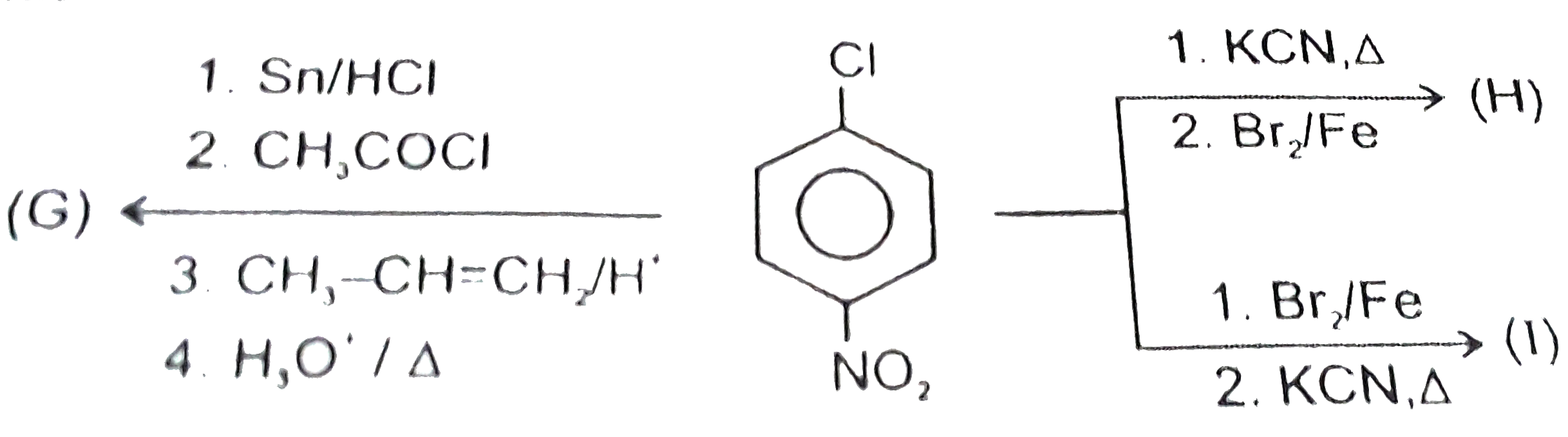
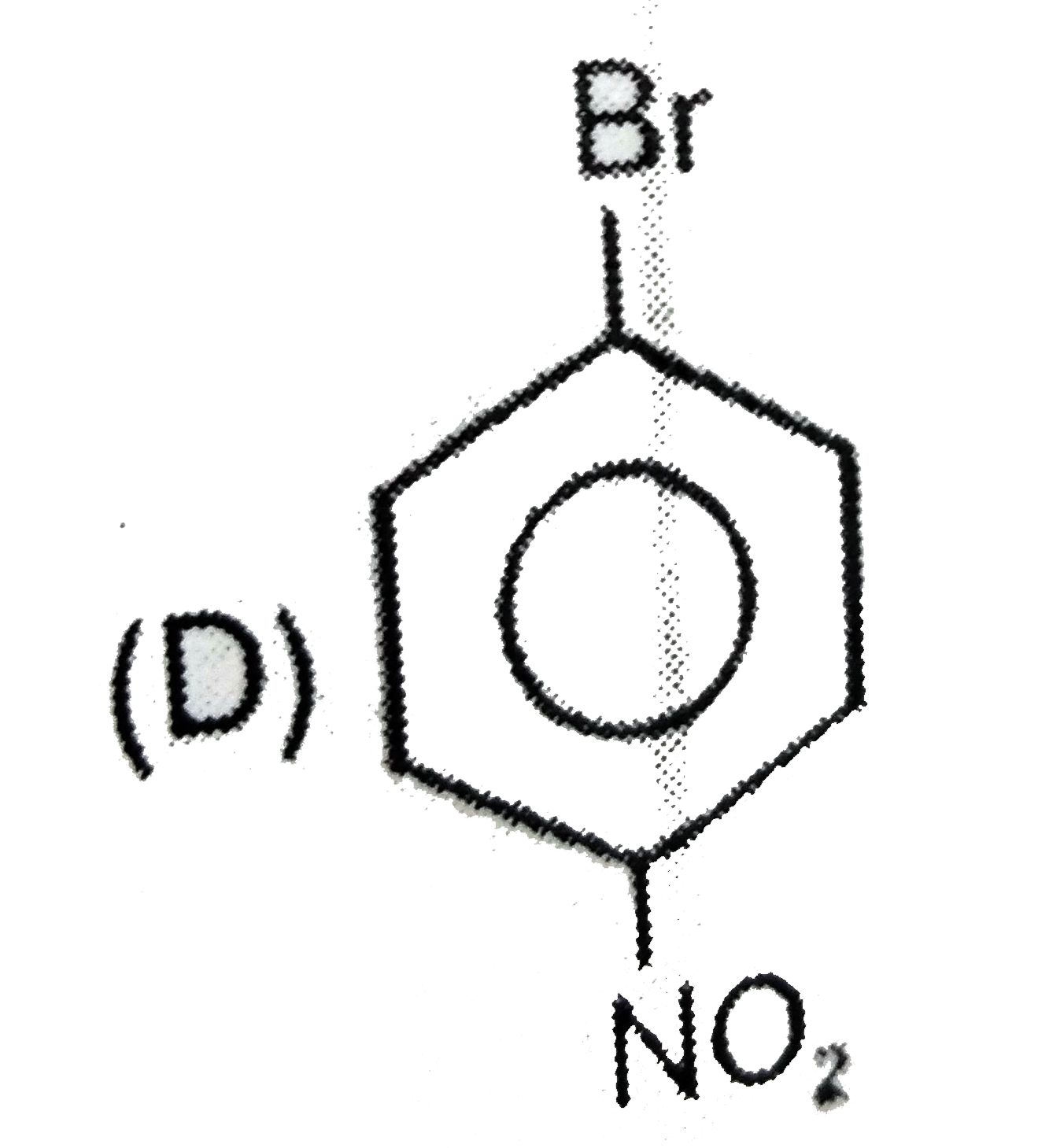
The `-NO_(2)` group in an aromatic rinig deactivages the ortho and para positions for an electrophilic attack. When `-NO_(2)` group is present at ortho or para positions of a leaving group (Nucleofuge) it activates the ring for nucleophilic attack. The reduction of `-NO_(2)` group by metel in acid causes its reduction to `_NH_(2)` group and then the ring becomes strongly activated fora electrophilic attac. The strong activation of `-NH_(2)` group is moderated by its acylation with `CH_(3)COCl` to `-NHAc` group. Deacylation is carried out by or `_NH_(2)` group but is possible in presence of `_NHAc` group.

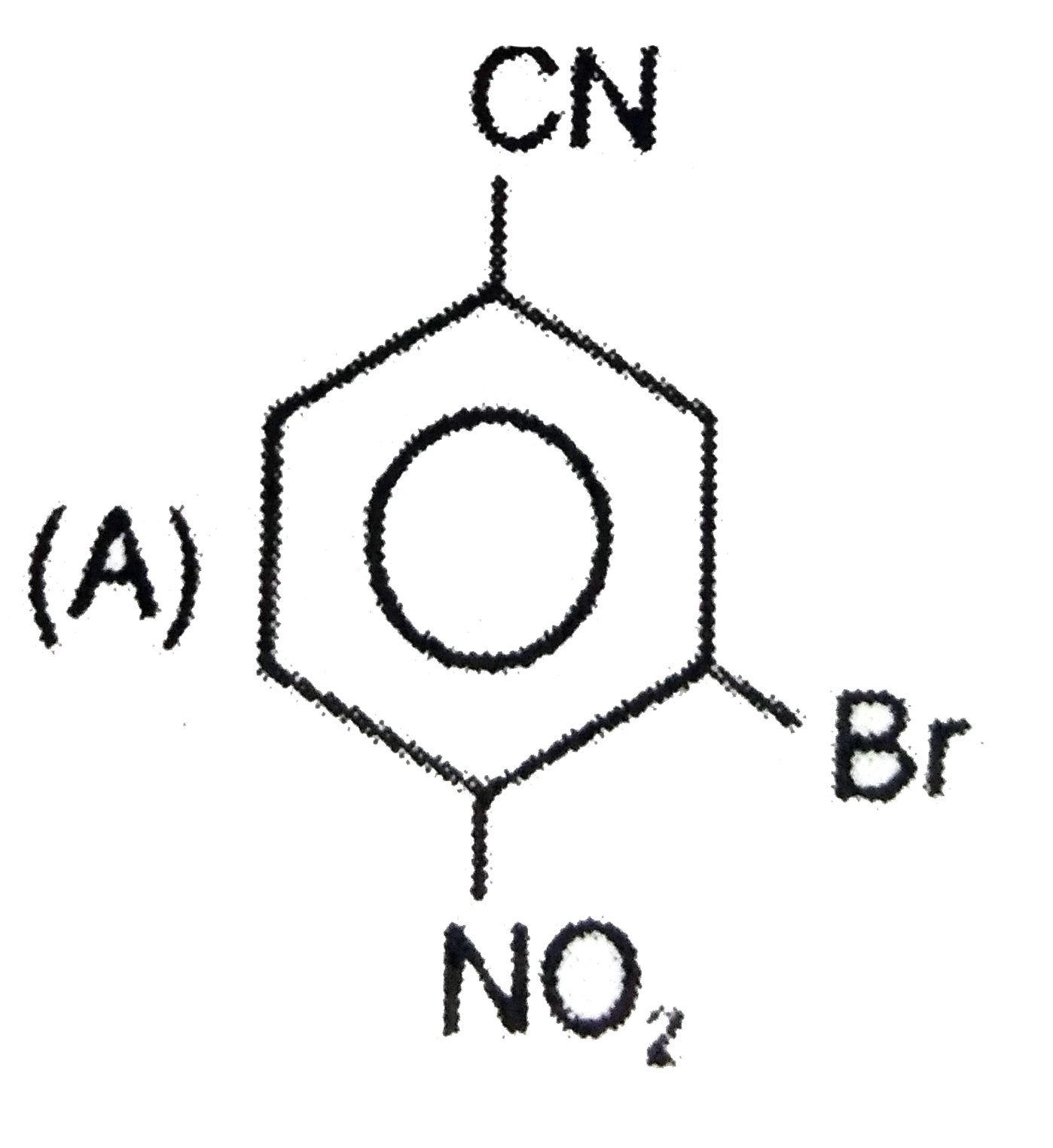
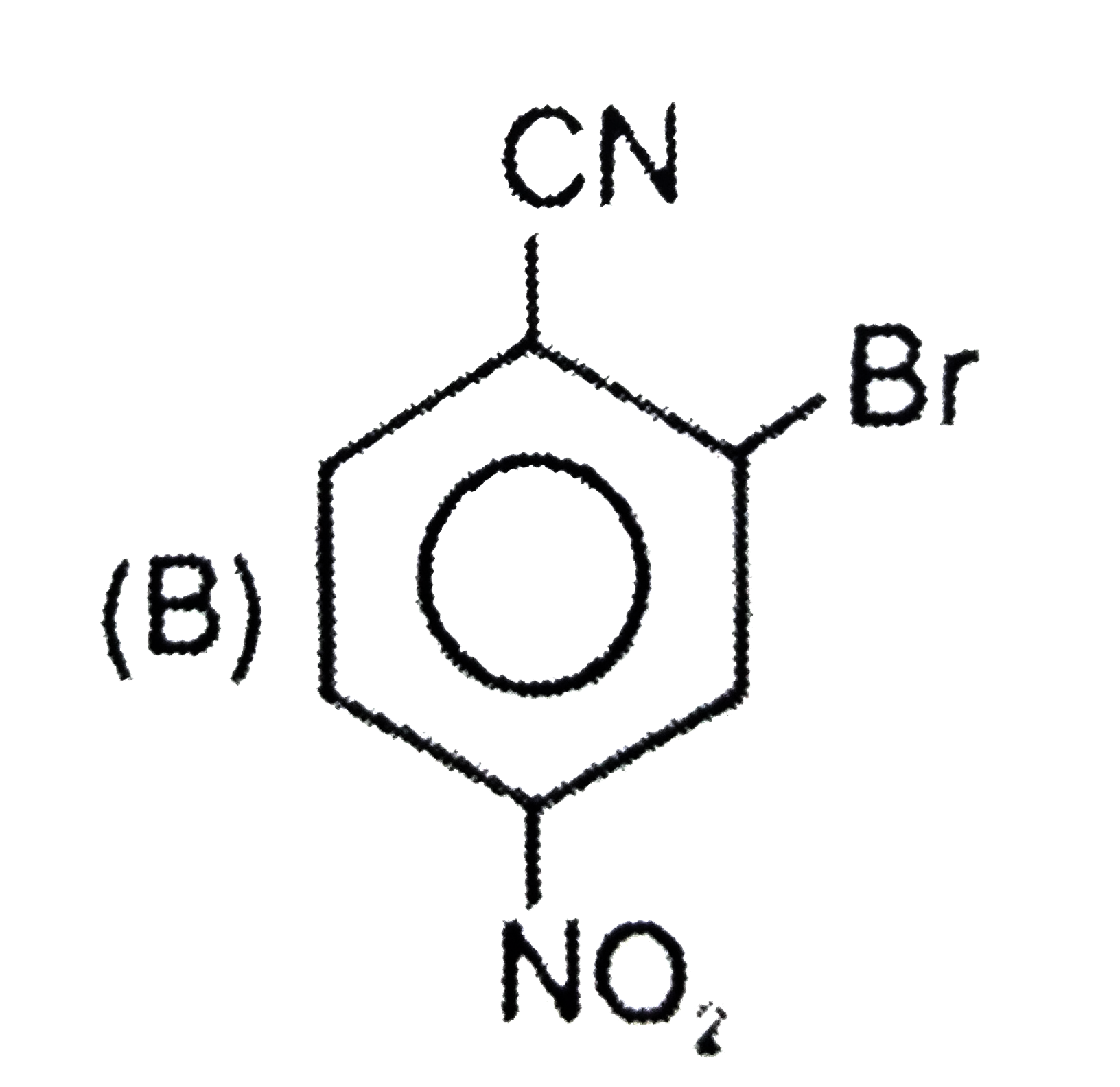
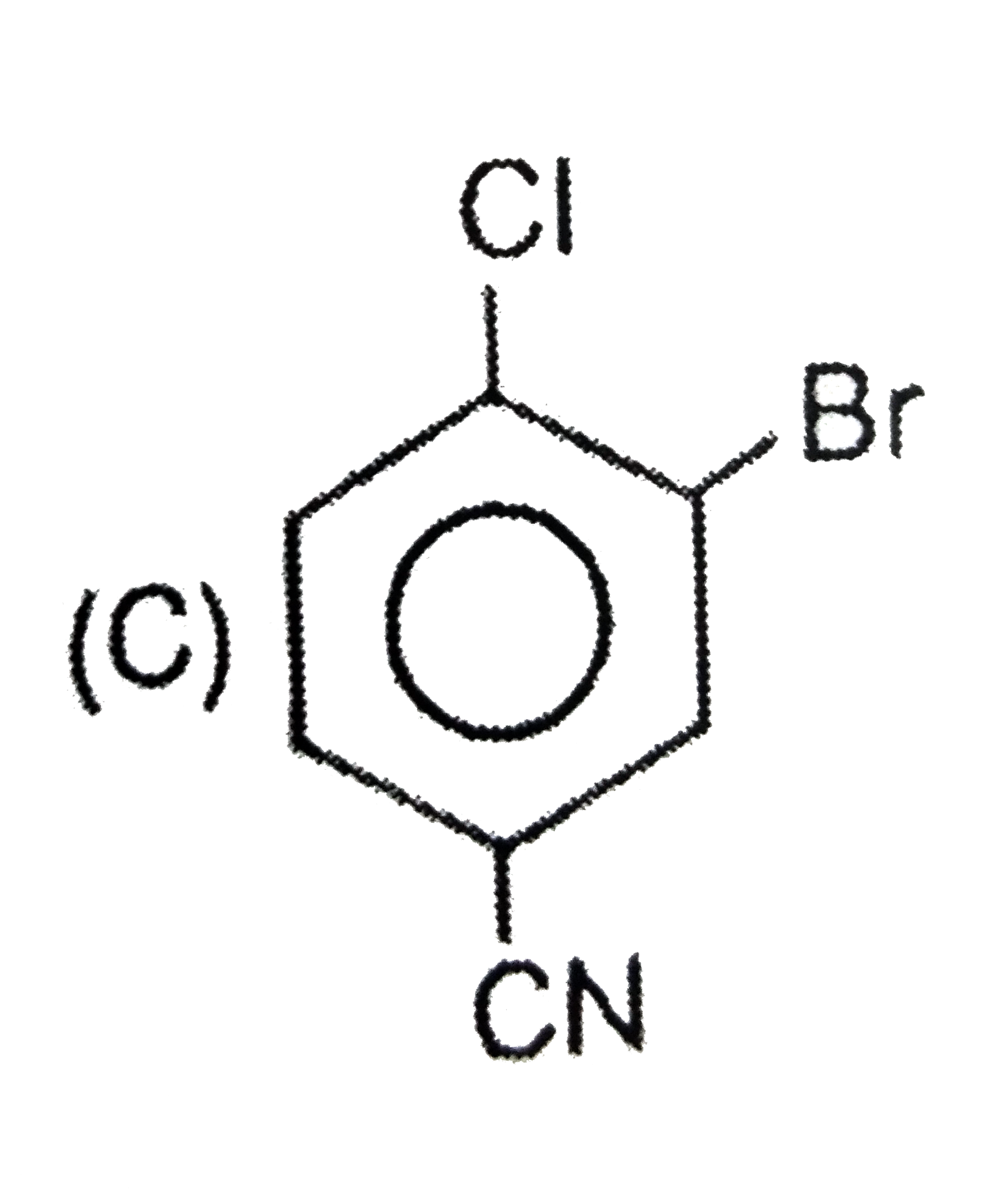
The product (H) is :

A

B

C

D

Text Solution

Verified by Experts

The correct Answer is:

B
Promotional Banner

Topper's Solved these Questions

  • AROMATIC COMPOUNDS

    RESONANCE ENGLISH|Exercise Exercise-3 (Part-I) JEE Advanced|34 Videos
  • AROMATIC COMPOUNDS

    RESONANCE ENGLISH|Exercise Part - II JEE MAIN|20 Videos
  • AROMATIC COMPOUNDS

    RESONANCE ENGLISH|Exercise Part-III : One or more than one option correct type|10 Videos
  • ALKYL HALIDE, ALCOHOL, PHENOL, ETHER

    RESONANCE ENGLISH|Exercise ORGANIC CHEMISTRY(Alkyl Halide, Alcohol,Phenol,Ether)|56 Videos
  • BASIC CONCEPTS

    RESONANCE ENGLISH|Exercise ORGANIC CHEMISTRY(BASIC CONCEPTS)|27 Videos

Similar Questions

Explore conceptually related problems

The -NO_(2) group in an aromatic ring deactivates the ortho and para positions for an electrophilic attack. When -NO_(2) group is present at ortho or para positions of a leaving group (Nucleofuge) it activates the ring for nucleophilic attack. The reduction of -NO_(2) group by metal in acid causes its reduction to -NH_(2) group and then the ring becomes strongly activated for a electrophilic attack. The strong activation of -NH_(2) group is moderated by its acylation with CH_(3)COCl to -NHAc group. Deacylation is carried out by hydrolysis with H_(3)O^(+) or OH^(-) . The ring alkylation by using RX//AlX_(3) is not possible in presence of -NO_(2) or -NH_(2) group but is possible in presence of -NHAc group. The product (G) is :

The -NO_(2) group in an aromatic ring deactivates the ortho and para positions for an electrophilic attack. When -NO_(2) group is present at ortho or para positions of a leaving group (Nucleofuge) it activates the ring for nucleophilic attack. The reduction of -NO_(2) group by metal in acid causes its reduction to -NH_(2) group and then the ring becomes strongly activated for a electrophilic attack. The strong activation of -NH_(2) group is moderated by its acylation with CH_(3)COCl to -NHAc group. Deacylation is carried out by hydrolysis with H_(3)O^(+) or OH^(-) . The ring alkylation by using RX//AlX_(3) is not possible in presence of -NO_(2) or -NH_(2) group but is possible in presence of -NHAc group. The product (H) is :

The -NO_(2) group in an aromatic ring deactivates the ortho and para positions for an electrophilic attack. When -NO_(2) group is present at ortho or para positions of a leaving group (Nucleofuge) it activates the ring for nucleophilic attack. The reduction of -NO_(2) group by metal in acid causes its reduction to -NH_(2) group and then the ring becomes strongly activated for a electrophilic attack. The strong activation of -NH_(2) group is moderated by its acylation with CH_(3)COCl to -NHAc group. Deacylation is carried out by hydrolysis with H_(3)O^(+) or OH^(-) . The ring alkylation by using RX//AlX_(3) is not possible in presence of -NO_(2) or -NH_(2) group but is possible in presence of -NHAc group. The product (I) is :

Benzoylation reaction of -NH_(2) group is known as :

Why does -NH_2 group directs the incoming group at the ortho and para positions of the ring?

-NH_(2) group is a strong activator towards aromatic electrophilic substiution reaction. Activating capability of -NH_(2) group can be reduced by treating with

Can -NO_(2) group act as secondary suffix ?

What is the directive influence of -NH_2 group?

Which of the following groups will facilitate the electrophilic attackon benzene ring?

In an electrophilic aromatic substitution reaction, the nitro group is meta directing because of it?
